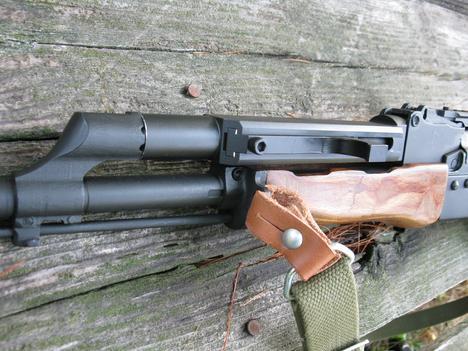
The AK charging handle serves as one of the most frequently manipulated components on an AK-pattern rifle, yet it remains one of the most overlooked when it comes to upgrades and maintenance. This essential operating mechanism plays a crucial role in chambering rounds, clearing malfunctions, and ensuring your rifle functions reliably under various conditions. Whether you’re running an AK-47, AKM, AK-74, or any variant in between, understanding the intricacies of your charging handle can significantly improve your shooting experience and operational effectiveness. This comprehensive guide explores everything from factory configurations to aftermarket upgrades, covering materials, ergonomics, installation procedures, and real-world performance considerations that every AK owner should understand before making modifications to this critical component.
Understanding the AK Charging Handle Design and Function
The ak charging handle operates fundamentally differently from AR-15 charging handles that many American shooters are familiar with. On AK-pattern rifles, the charging handle is permanently attached to the bolt carrier group, creating a reciprocating system that moves with every shot. This reciprocating design stems from Mikhail Kalashnikov’s original vision for simplicity and reliability, where fewer separate components meant fewer potential points of failure in adverse conditions. The handle protrudes from the right side of the receiver on standard configurations, requiring shooters to break their grip and reach over or around the rifle to manipulate it. This placement, while unconventional by Western standards, has proven effective across decades of military service in virtually every climate and combat condition imaginable.
The factory AK charging handle typically measures between 3.5 to 4.5 inches in length, featuring a simple curved or straight profile with a small knob or tab at the end for gripping. Traditional Soviet-era handles were manufactured from forged or milled steel, designed to withstand extreme abuse while maintaining minimal manufacturing costs. The attachment point uses a threaded insert that screws into the bolt carrier, with a cross-pin preventing the handle from unscrewing during operation.
This simple mechanical connection has proven remarkably durable, though the threading can occasionally work loose with extended use or particularly vigorous manipulation. The charging handle must be strong enough to cam the bolt carrier rearward against significant spring pressure while also being positioned to avoid interfering with the shooter’s hand placement during firing sequences.
Modern AK variants from different manufacturers may feature slightly different charging handle profiles, but the fundamental operating principles remain consistent across all platforms. Bulgarian, Romanian, Chinese, and American-made AKs all utilize this right-side reciprocating system, though some manufacturers have experimented with extended handles, different grip angles, or alternative materials in their factory configurations. The charging handle works in conjunction with the return spring and bolt carrier to strip rounds from the magazine, feed them into the chamber, and extract spent casings after firing. Understanding this complete operational cycle helps shooters appreciate why seemingly small modifications to the charging handle can have significant impacts on overall weapon function and reliability in various conditions.
Materials and Manufacturing Methods for AK Charging Handles
The material composition of your ak charging handle directly affects its durability, weight, and performance characteristics under stress. Traditional military-specification handles use medium-carbon steel alloys, typically in the 4140 or 4150 range, which provides excellent strength-to-weight ratios and can withstand thousands of charging cycles without deformation or failure. These steel handles undergo heat treatment processes including quenching and tempering to achieve hardness ratings between 28-32 on the Rockwell C scale, striking a balance between brittleness and malleability that prevents both fracturing under impact and bending under operational loads. The threading that connects to the bolt carrier requires precise machining to ensure proper torque specifications, typically around 25-30 foot-pounds, though this varies slightly between manufacturers and specific bolt carrier designs.
Aluminum charging handles have gained popularity in the aftermarket sector, offering significant weight reductions compared to steel alternatives while maintaining adequate strength for most civilian applications. Quality aluminum handles use 6061-T6 or 7075-T6 aircraft-grade alloys, which when properly heat-treated can withstand substantial abuse despite weighing 40-60% less than comparable steel versions.
However, aluminum handles show increased wear at the threading interface over extended use, particularly in rifles that see frequent manipulation or rough handling. Shooters who choose aluminum charging handles should periodically inspect the threaded connection for signs of galling or stripping, applying anti-seize compound during installation to extend service life. The weight savings can noticeably reduce the reciprocating mass of the bolt carrier assembly, potentially affecting the rifle’s recoil impulse and cycling characteristics, particularly in shorter-barreled configurations or when using suppressors.
Modern manufacturing techniques including CNC machining, investment casting, and metal injection molding have expanded the options available for AK charging handle production. CNC-machined handles typically offer the tightest tolerances and most consistent dimensions, though they come at higher price points due to increased material waste and longer production times. Investment casting allows for more complex shapes and ergonomic features while maintaining good strength characteristics, making it popular for mid-range aftermarket options.
Suggested read: AR15 Side Charging Handle: Everything You Need to Know About Upgrading Your Rifle
Metal injection molding represents the most cost-effective production method for complex geometries, though it generally produces handles with slightly lower strength characteristics compared to machined or forged alternatives. Each manufacturing method presents different trade-offs between cost, strength, weight, and design flexibility, requiring shooters to carefully evaluate their specific needs and operating environment when selecting replacement charging handles.
Ergonomic Considerations and Handle Configurations
The ergonomics of your ak charging handle significantly impact how quickly and efficiently you can manipulate your rifle during reloads, malfunction clearances, and chamber checks. Extended charging handles, typically measuring 5-7 inches in length, provide increased leverage and easier gripping compared to factory configurations, particularly beneficial for shooters wearing gloves or operating in cold weather conditions where manual dexterity becomes compromised.
These extended designs allow shooters to maintain better control during the charging motion, reducing the likelihood of slipping off the handle during vigorous manipulation or when the handle becomes wet or contaminated with mud, sand, or other environmental debris. The increased length does create additional protrusion from the rifle’s right side, potentially increasing snag hazards when moving through dense vegetation or confined spaces, requiring shooters to weigh these trade-offs based on their specific operational requirements.
Tactical charging handles often incorporate textured or knurled gripping surfaces to improve traction during manipulation, particularly crucial for shooters who operate in wet conditions or wear tactical gloves that can reduce tactile feedback. Diamond-pattern knurling provides excellent grip in multiple directions, while straight-line knurling offers slightly less aggressive texture that some shooters prefer for comfort during extended range sessions.
Some high-end aftermarket options feature polymer overmolding on the gripping surface, combining comfortable ergonomics with excellent traction characteristics while providing insulation against temperature extremes. The gripping surface should provide secure purchase without being so aggressive that it damages gloves or causes discomfort during repeated manipulations, particularly important for competitive shooters or professional users who may charge their rifles dozens or hundreds of times during training exercises.
Ambidextrous AK charging handle solutions address one of the platform’s most significant ergonomic challenges for left-handed shooters. While true ambidextrous handles that can be operated from either side remain relatively rare due to the AK’s receiver design constraints, several clever solutions have emerged. Extended handles with dual-sided gripping surfaces allow left-handed shooters to reach over the top of the rifle more easily, though they still operate from the right side. Some aftermarket bolt carriers incorporate left-side charging provisions, though these typically require significant modifications to the receiver cover and represent major departures from standard AK configurations.
Forward-mounted charging handle systems that attach to the gas tube or handguard area provide truly ambidextrous operation but fundamentally alter the rifle’s manual of arms and may compromise the platform’s renowned reliability. Each approach presents distinct advantages and limitations that left-handed shooters must carefully evaluate based on their training background and operational requirements.
Installation Procedures and Torque Specifications
Replacing an ak charging handle requires careful attention to proper installation procedures to ensure safe, reliable operation. The process begins with completely disassembling the rifle’s bolt carrier group, removing the firing pin retainer, firing pin, and bolt from the carrier before attempting to unscrew the charging handle. The factory handle typically uses thread-locking compound or staking to prevent loosening during operation, requiring significant torque to break free initially.
Applying gentle heat using a heat gun set to 200-300 degrees Fahrenheit can soften thread-locking compounds without damaging heat treatment or other components, making removal considerably easier. Clamping the bolt carrier in a padded vise while using a proper wrench or socket provides the leverage needed to break the handle free without damaging either component, though excessive force should be avoided as it can strip threads or crack the bolt carrier material.
Proper installation of a replacement charging handle begins with thoroughly cleaning the threaded surfaces on both the handle and bolt carrier, removing all old thread-locking compound, carbon buildup, and any other contamination that could interfere with proper torque or thread engagement. Inspecting both threaded areas for damage, cross-threading, or excessive wear helps identify potential problems before assembly, potentially preventing catastrophic failures during operation.
Applying a thin layer of medium-strength threadlocker, such as Loctite 242 or equivalent, ensures the handle won’t work loose during operation while still allowing removal for future maintenance or upgrades. The charging handle should be torqued to manufacturer specifications, typically 25-30 foot-pounds for steel handles and slightly less for aluminum versions, using a properly calibrated torque wrench to prevent both under-tightening that could allow loosening and over-tightening that risks thread damage.
After installing the new AK charging handle, reassemble the bolt carrier group completely and perform function checks before loading live ammunition. The handle should move smoothly through its full range of motion without binding, hanging, or excessive resistance beyond normal spring pressure. Cycle the action manually several dozen times, ensuring the bolt locks back correctly, feeds dummy rounds smoothly, and extracts properly without any unusual sounds or resistance that might indicate improper installation or component interference.
Some aftermarket charging handles may require minor fitting to specific rifles, particularly when mixing and matching components from different manufacturers or when installing extended handles on rifles with non-standard receiver covers or side rails. Patient fitting and careful observation during initial testing can prevent more serious problems that might only manifest after hundreds of rounds when components have partially failed.
Performance Comparison: Factory vs. Aftermarket Options
Factory ak charging handles provide proven reliability across millions of rifles in service worldwide, offering baseline performance that meets military specifications for durability and function. Standard military handles excel in harsh environments where simplicity and proven design trump ergonomic refinement, having demonstrated their capabilities through decades of combat use in deserts, jungles, arctic conditions, and urban environments. The conservative design minimizes potential failure points while keeping costs low and replacement simple, important considerations for military forces equipping large numbers of soldiers.
However, factory handles offer minimal concessions to modern shooting techniques, particularly for civilian shooters accustomed to more refined weapon manipulations or specialized applications like competitive shooting where every fraction of a second matters. The short length and minimal grip texture can make rapid manipulation challenging, particularly for shooters with larger hands or those wearing thick gloves.
Aftermarket charging handles from quality manufacturers like Krebs Custom, CSS (Chaos Shooting Supply), Strike Industries, and ALG Defense offer various ergonomic improvements and material options tailored to specific shooting applications. Extended handles from Krebs Custom, measuring 5-6 inches, provide substantially improved leverage and gripping surface while maintaining excellent durability through precision CNC machining from 4140 steel. Strike Industries offers lightweight aluminum handles with aggressive texturing and integrated forward assist features, appealing to weight-conscious shooters and competition participants.
CSS provides options including their popular extended safety-style handle that combines charging handle function with enlarged magazine release, consolidating controls for improved manipulation speed. These aftermarket options typically cost between $40-120 depending on features and materials, representing significant investments compared to $15-25 factory replacements but delivering measurable improvements in handling characteristics for many shooters.
Performance testing reveals measurable differences between various AK charging handle designs, particularly in timed manipulation drills and cold weather operations. In controlled tests measuring chamber check speed, extended handles demonstrated 0.3-0.5 second advantages over factory configurations, significant margins in competitive contexts where shooters perform dozens of such manipulations during courses of fire. Textured handles showed even more pronounced advantages in wet conditions, where factory smooth surfaces could slip during vigorous manipulation.
Suggested read: Instant Power Battery Charger: Everything You Need to Know About Portable Jump Starters and Emergency Charging Solutions
Weight comparisons showed aluminum handles reducing bolt carrier assembly weight by 2-4 ounces, noticeable differences in overall rifle balance though not dramatically affecting felt recoil in most configurations. Durability testing through 10,000-cycle manipulations revealed quality aftermarket handles performing comparably to factory steel options, though some budget aluminum handles showed accelerated thread wear after 5,000 cycles. These performance characteristics help shooters make informed decisions based on their specific requirements, budget constraints, and intended applications.
Common Issues and Troubleshooting Solutions
AK charging handle problems typically manifest as loosening, binding, or complete failure, each requiring different diagnostic approaches and solutions. Loosening represents the most common issue, occurring when thread-locking compound fails or when improper torque during installation allows the handle to gradually unscrew during normal operation. Signs include increasing play in the handle, unusual rattling during firing, or visible gaps appearing between the handle base and bolt carrier.
Addressing loosening requires complete disassembly, cleaning, proper threadlocker application, and torquing to specifications as previously described. Neglecting loose charging handles can lead to complete separation during operation, potentially causing the handle to fly back toward the shooter’s face or the bolt carrier to lose critical functionality, creating dangerous malfunctions that could result in serious injury.
Binding or difficult manipulation of the charging handle usually indicates interference between components, improper installation, or contamination buildup affecting smooth operation. Extended handles occasionally contact the receiver cover or side rail during cycling, particularly on rifles with non-standard components or when mixing parts from different manufacturers without proper fitting. This interference can create resistance during charging, affect the rifle’s ability to cycle properly, or even cause the bolt carrier to bind completely during recoil.
Solutions include carefully examining the handle’s path during cycling to identify interference points, filing or grinding minor contact areas, or selecting different charging handle designs better suited to the specific rifle configuration. Carbon and fouling buildup around the charging handle mount point can also create binding, particularly in suppressed rifles where increased gas blowback accelerates carbon deposition. Regular cleaning and lubrication prevents these issues while also revealing other potential problems during inspection.
Catastrophic AK charging handle failures, while relatively rare, occur when handles break, threads strip, or attachment points fail under stress. These failures typically result from manufacturing defects in low-quality aftermarket parts, improper installation causing stress concentrations, or extreme abuse exceeding the handle’s design limitations. Broken handles most commonly fracture at the neck where the gripping portion meets the threaded shaft, particularly in aluminum handles subjected to excessive side loading or impact.
Stripped threads indicate either over-torquing during installation, cross-threading, or material fatigue from repeated high-stress manipulations. Preventing catastrophic failures requires purchasing quality components from reputable manufacturers, following proper installation procedures, avoiding excessive force during manipulation, and regularly inspecting the handle for cracks, thread wear, or other signs of impending failure. Carrying a spare charging handle as part of a comprehensive spare parts kit provides insurance against field failures that could render the rifle inoperable.
Maintenance Requirements and Service Life
Proper maintenance extends ak charging handle service life while ensuring reliable operation throughout the component’s lifecycle. Regular inspection should occur during normal rifle cleaning cycles, examining the handle for cracks, deformation, loosening, or excessive wear at critical points. The threaded connection deserves particular attention, as any play or movement indicates potential problems requiring immediate correction before they progress to more serious failures. The handle’s gripping surface should be inspected for excessive smoothing or damage that might compromise secure manipulation, particularly important for textured or knurled designs where wear can reduce effectiveness. Signs of metal fatigue including small cracks, discoloration from heat, or unusual deformation anywhere on the handle warrant immediate replacement before catastrophic failure occurs during operation.
Lubrication of the charging handle requires a balanced approach, providing sufficient protection against corrosion and wear while avoiding excessive oil or grease that could attract contaminants. A light coat of quality gun oil on the threaded area during installation provides corrosion resistance while the threadlocker cures, though excess oil should be wiped away to prevent attracting dirt and carbon. The handle’s exterior typically requires only minimal lubrication, just enough to prevent rust formation while maintaining good grip characteristics.
Shooters operating in marine environments or extreme humidity should apply additional corrosion protection, potentially using dry lubricants that don’t attract moisture or grit. Conversely, extremely arid or dusty conditions call for minimal lubrication to prevent creating sticky surfaces that accumulate sand and dust particles.
Service life expectations for quality AK charging handles extend to tens of thousands of manipulations when properly maintained, though specific lifespans depend heavily on materials, manufacturing quality, and usage patterns. Military-specification steel handles routinely survive 50,000+ cycles with minimal wear, supporting multi-decade service lives in military applications where rifles may see 20-30 years of active use. Aluminum handles typically show reduced lifespans, particularly at the threaded connection, with quality examples surviving 15,000-25,000 cycles before requiring replacement.
Extended handles experience slightly higher stress concentrations at their mounting points, potentially reducing service life by 10-20% compared to standard-length alternatives, though proper installation and reasonable care largely mitigates these concerns. Competitive shooters who manipulate their charging handles hundreds of times per training session should expect accelerated wear compared to casual range shooters, necessitating more frequent inspections and potentially earlier replacement cycles.
Specialized Applications and Niche Configurations
Suppressed AK rifles benefit from specialized charging handle configurations that accommodate the increased gas blowback and carbon buildup inherent to suppressor use. Extended handles provide easier manipulation when wearing gas masks or protective equipment that might be necessary due to increased facial gas exposure from suppressed operation. Some manufacturers offer handles with enlarged gripping surfaces specifically designed for use with thick winter gloves or NBC (nuclear, biological, chemical) protective equipment, critical considerations for military or law enforcement users.
The increased carbon deposition around the bolt carrier area in suppressed rifles accelerates wear on all components including the charging handle threads, necessitating more frequent inspection and potentially shorter replacement intervals. Shooters running suppressors should consider stainless steel or corrosion-resistant coated handles to better withstand the increased corrosive byproducts from combustion.
Competition-focused AK charging handles prioritize manipulation speed and reliability over extreme durability or simplicity, incorporating features specifically tailored to 3-Gun, practical shooting, or precision rifle competitions. Enlarged gripping surfaces allow for faster, more positive manipulation during stage transitions when speed directly impacts competitive placement. Some competitive handles incorporate angles or profiles optimized for specific manipulation techniques popular in competition contexts, such as support-hand charging or weak-hand reloads.
Weight-optimized aluminum handles reduce reciprocating mass, potentially improving the rifle’s balance and reducing felt recoil in ways that matter during extended competition strings where shooter fatigue affects performance. These specialized handles may sacrifice some durability compared to military-specification alternatives, trading longevity for performance in contexts where rifles might only fire 5,000-10,000 rounds annually under controlled conditions rather than 50,000+ rounds in harsh military environments.
Covert or specialized operations applications sometimes require low-profile AK charging handles that minimize snag hazards during vehicle operations, parachute jumps, or movement through confined spaces. Shortened handles, measuring 3 inches or less, reduce protrusion from the rifle’s right side while maintaining adequate purchase for manipulation. Some special operations units use handles with reduced visual signatures, incorporating non-reflective finishes or earth-tone coatings that minimize detection in low-light conditions.
Folding or articulated handles that can be repositioned when not needed represent another specialized approach, though these add mechanical complexity and potential failure points that contradict the AK platform’s core design philosophy. Understanding these specialized applications helps shooters appreciate the breadth of options available and the engineering considerations behind different charging handle designs, even if most civilian shooters never encounter these niche requirements.
Suggested read: 48 Volt Charger: Everything You Need to Know About Selecting and Using High-Performance Battery Charging Solutions
Legal Considerations and Compliance Issues
AK charging handle modifications generally don’t trigger legal concerns in most jurisdictions, as the component represents a mechanical operating part rather than a feature that affects the rifle’s legal classification. However, shooters must remain aware of local regulations regarding overall rifle configuration, particularly in restrictive jurisdictions where seemingly minor changes could affect compliance status. In states with assault weapon bans or feature-based restrictions, altering the charging handle doesn’t typically count as adding a prohibited feature, though any modifications should be considered within the context of the rifle’s complete configuration.
Building AK-pattern rifles from parts kits requires careful attention to 922r compliance, which mandates specific numbers of US-manufactured components in certain rifle configurations. Charging handles count toward these calculations, so using US-made aftermarket handles can help achieve required domestic parts counts when building rifles from imported parts kits.
International considerations affect charging handle selection for shooters who travel with rifles for competitions or hunting, particularly when crossing borders where different jurisdictions maintain varying regulations. Some countries restrict certain rifle modifications or require specific configurations for import, though charging handles rarely fall into these restricted categories.
However, shooters should verify regulations before traveling internationally with modified rifles to avoid potential legal complications or equipment seizures. Military personnel or contractors operating in foreign jurisdictions may face additional restrictions based on status-of-forces agreements or local military regulations, requiring careful verification before modifying issued weapons or bringing personal firearms into theater. These legal considerations, while typically straightforward for charging handle modifications, deserve attention to prevent inadvertent violations that could result in serious consequences.
Import regulations occasionally affect AK charging handle availability, particularly for parts sourced from military surplus or foreign manufacturers. US import laws prohibit certain military components without proper licensing and documentation, though most commercial charging handles fall outside these restrictions. Shooters purchasing imported parts should verify the supplier’s legitimacy and proper import documentation to avoid receiving counterfeit or illegally imported components that could trigger legal issues. Quality manufacturers provide clear documentation of materials, manufacturing location, and compliance with relevant regulations, offering peace of mind that purchased components meet legal requirements. Understanding these legal considerations helps shooters navigate the regulatory environment while selecting appropriate charging handle options for their specific circumstances and jurisdictions.
Cost Analysis and Value Propositions
Budget ak charging handle options from manufacturers like Tapco, Promag, and various surplus dealers typically cost $15-30, offering basic functionality improvements over damaged factory parts without significant ergonomic enhancements or premium materials. These budget options work adequately for shooters seeking simple replacement parts or those operating on tight budgets, though they generally lack the precision machining, exotic materials, or enhanced ergonomics found in higher-end alternatives. Manufacturing tolerances on budget handles may vary more significantly than premium options, occasionally requiring minor fitting or accepting slightly less refined finishes and surface treatments. For shooters who rarely manipulate their charging handles or who prioritize absolute minimum cost over performance optimization, budget handles provide functional solutions that restore basic rifle operation.
Mid-range charging handles priced $40-75 from companies like CSS, ALG Defense, and similar manufacturers balance performance improvements with reasonable costs, representing good value propositions for most shooters. These handles typically feature extended lengths, improved materials like 4140 steel or 6061 aluminum, and better surface treatments providing enhanced corrosion resistance compared to budget alternatives. Manufacturing quality improves noticeably in this price range, with tighter tolerances, more consistent finishes, and better quality control reducing the likelihood of fitting issues or premature failures. Most shooters find mid-range handles offer the best balance between cost and performance, delivering measurable improvements in manipulation speed and reliability without requiring premium pricing justified only for specialized applications or the most demanding users.
Premium AK charging handles exceeding $75-120 from manufacturers like Krebs Custom, RS Regulate, or custom gunsmiths provide the ultimate in materials, precision manufacturing, and specialized features for shooters who demand absolute best performance. These top-tier handles often incorporate exotic materials, custom geometries optimized through extensive testing, and finishes like Cerakote or PVD coatings offering superior durability and corrosion resistance. Precision CNC machining ensures perfect fitment with minimal gunsmithing, while premium materials provide extended service life even under extreme conditions or very high round counts.
Professional users, serious competitors, or enthusiasts who frequently manipulate their rifles justify these premium costs through measurable performance improvements and enhanced reliability, though casual shooters likely won’t fully utilize the premium features or recoup the additional investment through their typical usage patterns.
Testing Methodologies and Performance Metrics
Evaluating ak charging handle performance requires systematic testing across multiple dimensions including manipulation speed, durability, ergonomics, and reliability under various conditions. Timed manipulation drills provide quantifiable data on handling improvements, measuring the time required to perform chamber checks, malfunction clearances, and bolt-lock reloads from standardized starting positions. Test protocols should include multiple repetitions with different shooters to account for individual variation and technique differences, establishing baseline performance with factory handles before testing aftermarket alternatives. Environmental testing across temperature ranges from -20°F to 120°F reveals how different materials and designs perform under thermal stress, while wet and dirty conditions expose potential weaknesses in grip texture or corrosion resistance that might not appear during clean, controlled testing.
Durability testing for charging handles involves cycling the bolt carrier through thousands of repetitions, monitoring thread wear, material deformation, and functional degradation over time. Accelerated testing using mechanical actuators can simulate years of normal use in days or weeks, revealing potential failure modes and establishing realistic service life expectations. Inspection intervals at 1,000, 5,000, 10,000, and 20,000 cycles document progressive wear patterns, helping identify when components approach end-of-service life before catastrophic failures occur. Destructive testing to failure establishes ultimate strength limits, revealing safety margins and identifying the weakest points in different designs. These comprehensive testing regimens provide data supporting informed purchase decisions rather than relying on marketing claims or anecdotal reports from limited user experiences.
Field testing complements laboratory evaluations by exposing AK charging handles to realistic usage conditions where unpredictable factors stress components in ways controlled testing cannot replicate. Extended range sessions combining rapid firing, environmental exposure, and real-world manipulation techniques reveal how handles perform when subjected to actual shooting stress rather than isolated testing.
Documenting real-world failures, wear patterns, and user feedback from diverse shooters across various applications builds comprehensive understanding of each design’s strengths and limitations. Comparative testing using identical rifles with only the charging handle variable changed isolates component performance from other factors, enabling direct comparisons between factory and aftermarket options. This multi-faceted testing approach provides robust data supporting evidence-based component selection rather than relying on subjective impressions or marketing hype.
Future Developments and Emerging Technologies
Innovation in ak charging handle design continues despite the platform’s mature status, with manufacturers exploring new materials, geometries, and manufacturing techniques to further optimize performance. Advanced materials including titanium alloys, carbon fiber composites, and exotic steel formulations promise improved strength-to-weight ratios compared to conventional options, though costs currently limit these materials to high-end custom applications. Additive manufacturing (3D printing) technologies enable rapid prototyping and custom geometries impossible with traditional machining, potentially allowing semi-custom handles optimized for individual shooters’ hand sizes and manipulation preferences. As these technologies mature and costs decrease, they may enable broader adoption of advanced materials and custom designs currently accessible only to well-funded professional users or serious enthusiasts willing to invest in cutting-edge components.
Integrated electronics represent another frontier for charging handle development, though practical applications remain limited by the AK platform’s harsh operating environment and the challenges of integrating delicate electronics into reciprocating components. Concepts including cycle counters, impact sensors for monitoring rough handling, or temperature monitors could provide valuable maintenance data, though reliably packaging such systems to survive tens of thousands of high-impact cycles presents significant engineering challenges. Wireless charging technologies might eventually enable battery-free sensors that harvest energy from the handle’s movement, eliminating battery replacement requirements that would be impractical for such applications. While these advanced concepts remain largely theoretical for AK platforms, parallel developments in other firearms platforms suggest future possibilities as technologies mature and costs decrease.
Modularity and adaptability represent more near-term developments in AK charging handle evolution, with manufacturers exploring quick-change systems allowing shooters to swap handles for different applications without tools or complete disassembly. Designs incorporating interchangeable gripping surfaces could let shooters optimize texture and size for specific conditions, swapping smooth profiles for concealed carry to aggressive texturing for competition without replacing entire handles. Multi-position handles that can be repositioned for different manipulation techniques or storage configurations address the platform’s traditional ergonomic limitations while maintaining reliability through proven mechanical principles rather than unproven electronic systems. These evolutionary rather than revolutionary improvements align with the AK platform’s core design philosophy while addressing modern shooters’ diverse requirements and preferences.
Source References and Further Reading
For authoritative information on ak charging handle specifications and installation procedures, the AK Operators Union 47-74 provides extensive video documentation and testing data covering various aftermarket options. Their systematic testing methodology and transparent documentation of both successes and failures offers valuable insights for shooters evaluating different charging handle designs. Military technical manuals for AK-pattern rifles, particularly TM 9-1005-231-10 covering basic operation and maintenance, establish baseline specifications and procedures applicable across various AK platforms. These official military documents provide authoritative references for proper torque specifications, inspection procedures, and maintenance intervals that form the foundation for reliable operation.
Suggested read: Hood Dodge Charger: Everything You Need to Know Before Upgrading Your Muscle Car's Look
Manufacturer websites for companies like Krebs Custom, Chaos Shooting Supply, ALG Defense, and Strike Industries offer detailed technical specifications, installation instructions, and warranty information for their respective charging handle products. These primary sources provide the most accurate information about specific products, including materials, dimensions, torque requirements, and compatibility notes critical for proper selection and installation. Industry forums including AKFiles.com and AKForum.net host extensive discussions of real-world experiences with various charging handles, though information quality varies and should be verified against manufacturer specifications or independent testing data.
Academic research on small arms ergonomics and human factors engineering provides theoretical foundations for understanding how charging handle design affects manipulation speed and shooter performance, though much of this research focuses on Western platforms rather than AK-specific applications.
Training organizations specializing in AK platforms including Rifle Dynamics and Meridian Defense Corp offer insights into practical applications and real-world performance considerations based on extensive professional experience. Their training courses often include discussions of equipment selection including AK charging handle options optimized for tactical applications, defensive use, or competitive shooting.
Published books including “The Gun Digest Book of the AK & SKS” by Patrick Sweeney and “The AK-47: Kalashnikov-series rifles and their variants” by Gordon L. Rottman provide comprehensive technical information about the platform including detailed coverage of operating components and modification options. These diverse sources enable shooters to develop well-rounded understanding of charging handle selection, installation, and maintenance based on multiple perspectives and data sources rather than relying on single points of information that might be incomplete or biased.
Your Essential Guide to Selecting the Perfect AK Charging Handle
Choosing the right ak charging handle transforms your rifle’s handling characteristics and operational reliability. Whether you’re building a custom rifle, replacing a damaged component, or optimizing an existing firearm for specific applications, understanding the technical specifications, material properties, and ergonomic considerations outlined in this guide enables informed decisions aligned with your shooting requirements. Quality charging handles from reputable manufacturers deliver measurable improvements in manipulation speed, reliability, and shooter confidence across diverse applications from competitive shooting to defensive use. The relatively modest investment in a quality charging handle returns dividends through enhanced performance and extended service life, making it one of the most cost-effective upgrades available for AK-pattern rifles.
Take action today by evaluating your current AK charging handle configuration against your operational requirements. Consider whether an extended handle would improve your manipulation speed, whether enhanced grip texture would benefit your specific shooting conditions, or whether lighter materials might optimize your rifle’s balance for your preferred applications. Research the options from manufacturers mentioned throughout this guide, comparing specifications, user reviews, and pricing to identify the optimal ak charging handle for your specific rifle and shooting style. Don’t settle for compromised performance from worn or inadequate charging handles when proven upgrades deliver tangible improvements for reasonable investments. Visit your preferred retailer or manufacturer website to explore available options and upgrade your rifle’s critical operating components today.
For shooters interested in other firearm-related topics, our comprehensive guide on the dodge charger logo explores automotive branding and design evolution in depth, offering fascinating parallels to firearms development and branding strategies across different industries.
Frequently Asked Questions About AK Charging Handles
What is the standard length of an AK charging handle?
Factory AK charging handles typically measure 3.5 to 4.5 inches from the bolt carrier mounting point to the end of the gripping surface, though this varies slightly between different manufacturers and military variants. Extended aftermarket handles range from 5 to 7 inches, providing additional leverage and easier manipulation compared to standard configurations. The optimal length depends on individual shooter preferences, hand size, and intended applications, with competitive shooters often preferring longer handles while those prioritizing reduced snag hazards may choose shorter options.
Can I install an AK charging handle without gunsmithing experience?
Yes, installing an ak charging handle requires only basic tools and mechanical aptitude rather than professional gunsmithing skills. The process involves disassembling the bolt carrier group, removing the factory handle using appropriate wrenches, and installing the replacement with proper threadlocker and torque specifications. Following manufacturer instructions carefully and using correct tools prevents damage to components, though shooters uncomfortable with mechanical work should consider professional installation. The entire process typically takes 15-30 minutes for shooters familiar with basic AK disassembly procedures.
How often should I replace my AK charging handle?
Quality charging handles rarely require replacement based solely on service life, with properly maintained steel handles surviving 50,000+ manipulation cycles or 20-30 years of typical use. Replacement becomes necessary when visible damage occurs, including cracks, severe wear on threaded connections, deformation, or loosening that cannot be corrected through proper reinstallation. Shooters who frequently manipulate their charging handles or operate in harsh environments should inspect components during regular cleaning cycles, replacing handles showing signs of fatigue before catastrophic failures occur.
Are aluminum charging handles durable enough for hard use?
Quality aluminum AK charging handles manufactured from 7075-T6 or 6061-T6 aircraft-grade alloys provide adequate durability for most civilian applications, surviving 15,000-25,000 manipulation cycles before showing significant wear. However, aluminum handles demonstrate reduced longevity compared to steel alternatives, particularly at the threaded connection where stress concentrations occur. Competitive shooters and recreational users typically find aluminum handles entirely adequate, while military, law enforcement, or extremely high-volume shooters should consider steel options for maximum durability and extended service life.
Will an extended charging handle affect my rifle’s reliability?
Properly designed extended charging handles maintain the same reliability as factory configurations when correctly installed and compatible with specific rifle variants. However, some extended handles may contact receiver covers, side rails, or other components on rifles with non-standard configurations, potentially causing binding or interference during cycling. Careful fitting and compatibility verification before purchase prevents these issues, with most quality manufacturers providing detailed compatibility information for their products. Testing the rifle thoroughly with dummy rounds after installation confirms proper function before using live ammunition.
What torque specification should I use when installing a charging handle?
Most AK charging handles require 25-30 foot-pounds of torque when installing to the bolt carrier, though specific requirements vary between manufacturers and materials. Steel handles typically accept 28-30 foot-pounds, while aluminum handles may specify 20-25 foot-pounds to prevent thread damage in the softer material. Always consult manufacturer specifications for your specific charging handle model, using a calibrated torque wrench to achieve proper installation. Medium-strength threadlocker like Loctite 242 prevents loosening during operation while still allowing future removal for maintenance or upgrades.
Suggested read: Flux Raider Charging Handle: Everything You Need to Know Before You Buy
Can left-handed shooters use standard AK charging handles effectively?
Left-handed shooters can operate standard right-side AK charging handles by reaching over the rifle’s top or using support-hand manipulation techniques, though this requires additional training and proves less ergonomic than right-handed operation. Extended handles with enhanced gripping surfaces improve left-handed manipulation compared to factory configurations. Some specialized bolt carriers and receivers offer left-side charging provisions, though these represent significant modifications requiring careful consideration. Most left-handed AK shooters adapt successfully to standard configurations through practice, though truly ambidextrous solutions remain limited compared to platforms designed with left-handed shooters in mind.
Do I need to use threadlocker on my charging handle installation?
Yes, applying medium-strength threadlocker to charging handle threads prevents loosening during operation while maintaining removability for future maintenance. The reciprocating motion and vibration from firing can gradually loosen threaded connections without proper thread retention. Medium-strength compounds like Loctite 242 provide adequate retention for this application while still allowing removal with hand tools and moderate force. Some manufacturers stake or mechanically retain their factory charging handles, but aftermarket installations universally benefit from threadlocker application following manufacturer specifications and proper torque procedures.
What are the signs that my charging handle needs replacement?
Critical indicators requiring AK charging handle replacement include visible cracks anywhere on the handle, severe thread wear or stripping, persistent loosening despite proper reinstallation, deformation or bending of the handle shaft, or complete separation from the bolt carrier. Lesser warning signs include difficulty gripping due to worn texture, excessive play at the mounting point, or binding during manipulation that wasn’t present previously. Regular inspection during cleaning cycles identifies these issues before they progress to catastrophic failures that could damage other rifle components or create safety hazards during operation.
Can I use any charging handle with any AK variant?
While most charging handles are interchangeable across standard AK variants sharing common bolt carrier designs, some compatibility limitations exist between different platform variations. Standard AKM-pattern handles fit most 7.62x39mm rifles, while AK-74 pattern rifles use similar threading but occasionally feature different dimensions. Yugo-pattern rifles with grenade-launching sights may require specific low-profile handles to avoid interference. Always verify compatibility between your specific rifle variant and charging handle before purchase, consulting manufacturer specifications and user experiences to confirm fitment. Quality aftermarket manufacturers typically provide detailed compatibility charts identifying which rifles work with their products.