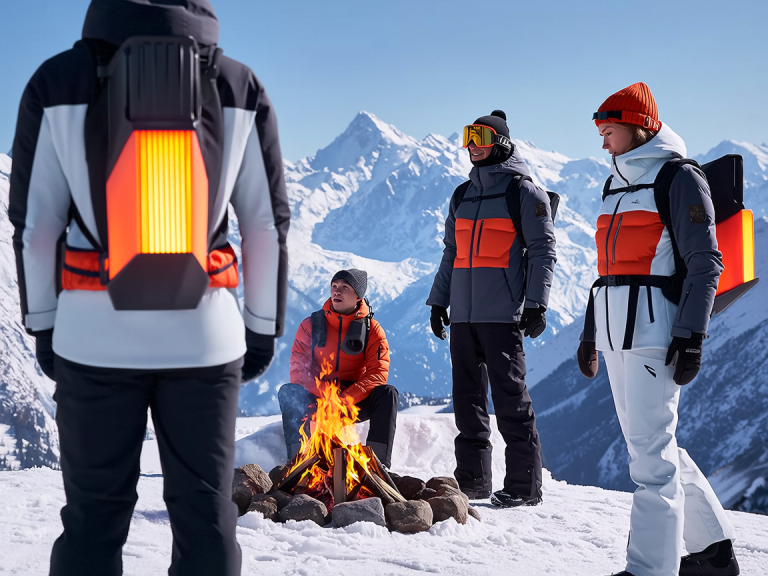
When winter temperatures plummet and traditional jackets just aren’t cutting it anymore, a charger jacket might be exactly what you need to stay warm and comfortable. These innovative garments combine classic outerwear design with modern heating technology, creating a powerful solution for anyone who spends time in cold environments. Whether you’re working outdoors, skiing down mountain slopes, or simply commuting to work on freezing mornings, battery-powered heated jackets offer a level of warmth that conventional insulation simply cannot match.
A charger jacket, also known as a heated jacket or battery-powered jacket, uses rechargeable lithium-ion batteries to power heating elements embedded within the fabric. These heating elements are strategically placed in key areas like the back, chest, and sometimes the collar or pockets to provide targeted warmth exactly where your body needs it most. The technology has evolved dramatically over the past decade, transforming from bulky, uncomfortable prototypes into sleek, stylish outerwear that you’d be proud to wear anywhere.
What Is a Charger Jacket and How Does It Work?
A charger jacket is a piece of outerwear equipped with built-in heating elements powered by rechargeable batteries. The core technology involves ultra-thin carbon fiber heating panels or conductive wire systems woven into the jacket’s lining. When you activate the heating system through a button or smartphone app, electrical current flows through these elements, generating warmth through resistance heating—the same principle used in electric blankets and space heaters.
The heating elements in modern heated jackets are typically made from carbon fiber, which offers several advantages over traditional wire heating systems. Carbon fiber distributes heat more evenly across the surface area, heats up faster (often reaching optimal temperature in just 30-60 seconds), and is more flexible and durable than metal wires. This means the jacket maintains its natural drape and movement while providing superior heating performance.
Most charger jackets feature multiple heat settings, usually ranging from low (around 95-105°F) to high (130-150°F). These temperature zones allow you to customize your comfort level based on outdoor conditions and your activity level. The battery pack, typically a 5000-10000mAh lithium-ion cell similar to what you’d find in smartphones, connects to the heating system via discreet internal wiring and can usually be removed for washing or charging purposes.
Key Components of Battery-Powered Jackets
Every heated jacket consists of several critical components working together to deliver warmth:
- Heating Elements: Carbon fiber panels or heating wires strategically positioned throughout the jacket
- Battery Pack: Rechargeable lithium-ion power source, usually 7.4V or 12V systems
- Control Module: Button panel or smartphone connectivity for adjusting temperature settings
- Insulation Layer: Traditional insulation (down, synthetic, or fleece) to trap the generated heat
- Wiring System: Internal pathways connecting battery to heating elements
- Safety Features: Overheat protection, auto-shutoff timers, and waterproof battery compartments
The integration of these components requires careful engineering to ensure the jacket remains comfortable, flexible, and safe to wear. Quality manufacturers invest heavily in testing their products under extreme conditions to verify that the heating system performs reliably while the battery remains secure and protected from moisture or impact damage.
Types of Heated Jackets Available in the Market
The heated jacket market has expanded significantly, offering various styles to suit different needs and preferences. Understanding the different types helps you choose the right charger jacket for your specific requirements.
Soft Shell Heated Jackets are designed for active outdoor pursuits like hiking, skiing, or snowboarding. These jackets prioritize flexibility and breathability, using stretchy fabrics that move with your body. They typically offer moderate insulation because they’re meant to be worn during activities where your body generates its own heat, with the electrical heating providing supplemental warmth during rest periods or particularly cold conditions. Soft shell heated jackets usually feature moisture-wicking properties and are more compact when packed.
Hard Shell Heated Jackets provide maximum weather protection with fully waterproof and windproof outer shells. These are ideal for extreme weather conditions or occupations requiring outdoor work in harsh climates. The rigid outer shell blocks wind and precipitation while the heating elements inside create a warm microclimate against your skin. Construction workers, utility line personnel, and winter sports enthusiasts who face brutal conditions often prefer hard shell options for their superior protective qualities.
Insulated Heated Jackets combine traditional down or synthetic insulation with electrical heating elements. These represent the warmest option available, layering passive insulation with active heating for maximum cold-weather performance. When the heating is turned off, the jacket still functions as a well-insulated winter coat. When activated, the combination provides exceptional warmth even in sub-zero temperatures. This type works particularly well for stationary activities like ice fishing, watching outdoor sporting events, or standing guard duty.
Heated Vest Options offer a lightweight alternative to full jackets, providing core body warmth without the bulk of sleeves. Vests are popular among people who need arm mobility for work or prefer layering flexibility. You can wear a heated vest under a regular jacket for extra warmth, or over a fleece for moderate temperature conditions. The reduced surface area means batteries last longer, often providing 8-12 hours of runtime on a single charge.
Hybrid Heated Jackets incorporate multiple fabric technologies in different zones. For example, they might use waterproof material on shoulders and elbows where weather exposure is greatest, stretchy fabric under arms for mobility, and insulated panels on the torso for warmth. These jackets optimize each area of the garment for its specific function, creating a highly specialized product that excels in particular activities or environments.
How Long Does a Charger Jacket Battery Last?
Battery life is one of the most critical factors when evaluating heated jackets. The runtime you can expect from your charger jacket depends on several variables including battery capacity, heat setting selected, outdoor temperature, and jacket design efficiency.
A standard 5000mAh battery operating on the lowest heat setting typically provides 6-8 hours of continuous warmth. This makes it suitable for a full workday or extended outdoor activity. On medium heat settings, the same battery usually delivers 4-5 hours of runtime, while the highest heat setting drains the battery in approximately 2-3 hours. These estimates assume temperatures around 20-30°F; colder conditions may reduce runtime by 20-30% as the heating system works harder to maintain temperature.
Higher-capacity batteries (7500-10000mAh) proportionally extend these runtimes. A 10000mAh battery can provide 10-12 hours on low, 6-8 hours on medium, and 4-5 hours on high settings. Premium jackets often include two battery packs, either for extended runtime (using them sequentially) or enhanced heating performance (running both simultaneously to power additional heating zones). Having spare batteries available means you can swap them out during the day, ensuring uninterrupted warmth during long outdoor sessions.
Modern battery technology has improved significantly in recent years. Contemporary lithium-ion batteries perform better in cold weather than older generations, experiencing less capacity loss when temperatures drop. They also charge faster, with many reaching 80% capacity in just 2-3 hours using the included charger. The batteries are typically rated for 500-1000 charge cycles before experiencing noticeable degradation, meaning a quality battery pack should last several years with regular use.
Factors Affecting Battery Performance
Several elements influence how long your heated jacket battery will last:
- Ambient Temperature: Colder weather forces the system to work harder, reducing runtime
- Heat Setting Selected: Higher temperatures drain batteries faster exponentially
- Wind Conditions: Strong winds increase heat loss, causing longer heating cycles
- Jacket Insulation Quality: Better insulation retains heat, reducing battery demand
- Battery Age: Older batteries hold less charge and perform less efficiently
- Activity Level: Body heat from exercise supplements electrical heating, extending battery life
Understanding these factors helps you plan battery usage strategically. Many users find that starting on high heat to warm up quickly, then switching to low or medium for maintenance heating, provides the best balance between comfort and battery longevity.
Suggested read: Charger Wheels: Everything You Need to Know Before Buying in 2025
Best Features to Look for in Battery-Powered Jackets
When shopping for your ideal charger jacket, certain features separate exceptional products from mediocre ones. Knowing what to prioritize ensures you invest in a jacket that meets your specific needs and provides years of reliable service.
Heating Zone Configuration plays a crucial role in comfort and battery efficiency. The most effective heated jackets place heating elements in your back’s core area between the shoulder blades, as this location warms the blood flowing to your extremities. Additional zones in the chest, collar, and pockets provide supplemental warmth. Some advanced models include heating elements in the sleeves and even hoods, though these features consume more battery power. Consider where you feel coldest and choose a jacket with appropriate zone coverage.
Temperature Control Options have evolved from simple three-button systems to sophisticated smartphone apps. Basic models offer low-medium-high settings, which work perfectly well for most users. Premium models may include infinite variable temperature control, pre-programmed heating cycles, and even automatic temperature adjustment based on sensors. App connectivity allows you to adjust settings without opening your jacket, monitor battery life in real-time, and program heating schedules. Decide whether these advanced features justify the additional cost for your use case.
Battery Accessibility and Security impacts daily usability significantly. The battery compartment should be easy to reach for charging or swapping but secure enough that the battery won’t fall out during activity. Look for jackets with internal zippered pockets designed specifically for battery storage. The best designs include pass-through openings that let you charge the battery while wearing the jacket, particularly useful during sedentary activities or when you have access to power banks.
Washability and Maintenance requirements vary considerably between models. Most heated jackets require removing the battery pack before washing, but some newer models feature completely waterproof sealed systems that can be machine washed with batteries in place. Check whether the jacket is machine washable or requires hand washing. Easy-to-remove heating elements make cleaning simpler and reduce the risk of damaging electrical components. Quality construction with reinforced seams around heating zones ensures the jacket withstands repeated washing without degrading performance.
Material Quality and Durability directly impacts longevity and value. Examine the outer shell fabric for abrasion resistance, water repellency, and wind blocking capability. Interior lining should feel comfortable against skin and wick moisture away from your body. Zippers should be heavy-duty and preferably YKK brand, which represents industry-leading quality and reliability. Reinforced elbows, shoulders, and other high-wear areas extend the jacket’s useful life significantly.
Safety Features in Modern Heated Jackets
Safety mechanisms protect both you and the jacket itself:
- Overheat Protection: Automatic shutoff when temperatures exceed safe limits
- Auto-Off Timers: Default shutdown after 4-6 hours to prevent battery over-discharge
- Short Circuit Protection: Safety fuses that disconnect power if electrical faults occur
- Battery Management Systems: Chip-based monitoring preventing overcharging or deep discharge
- UL/CE Certification: Third-party testing verification of electrical safety standards
- Waterproof Battery Compartments: Sealed enclosures protecting electronics from moisture
These features aren’t just conveniences—they’re essential for preventing fire hazards, electrical burns, or equipment damage. Reputable manufacturers subject their products to rigorous testing and clearly document safety features in product specifications.
Price Range: What Should You Expect to Pay for a Charger Jacket?
The heated jacket market spans a wide price spectrum, from budget-friendly options under $100 to premium models exceeding $500. Understanding what you get at each price point helps you make an informed purchasing decision that balances quality with budget constraints.
Budget Range ($50-$150): Entry-level charger jackets provide basic heating functionality without premium features. These typically include a single battery (often lower capacity around 5000mAh), limited heating zones (usually just back and chest), and basic construction materials. While they may lack durability and advanced features, budget models work adequately for occasional use or as an introduction to heated outerwear. Battery life tends to be shorter, and materials may not withstand heavy use as well as higher-end options. These jackets often come from lesser-known brands but can still provide value if expectations are appropriately set.
Mid-Range ($150-$300): This price segment represents the sweet spot for most consumers, offering excellent value through balanced features and quality. Mid-range heated jackets typically include higher-capacity batteries (7500mAh+), multiple heating zones including back, chest, and collar, durable weather-resistant materials, and better construction quality with reinforced seams. Brands in this category often have established reputations and provide better customer service and warranty coverage. The materials upgrade noticeably from budget options, with water-resistant or waterproof fabrics, quality insulation, and reliable zippers becoming standard.
Premium Range ($300-$500+): High-end charger jackets incorporate cutting-edge technology and premium materials. Features at this level include smartphone app control, multiple heating zones throughout the jacket, ultra-high-capacity batteries providing all-day runtime, Gore-Tex or similar advanced waterproof-breathable fabrics, and superior insulation systems. Premium brands often include two battery packs as standard equipment. The construction quality excels with features like fully taped seams, articulated elbows, adjustable hoods with heating elements, and reinforced high-wear areas. These jackets are designed for professionals who depend on their gear in extreme conditions or enthusiasts who demand the absolute best performance.
What Influences Heated Jacket Pricing?
Several factors drive the cost differences between budget and premium options:
- Battery Capacity and Quality: Higher-capacity lithium-ion cells cost significantly more
- Heating Element Technology: Advanced carbon fiber systems outperform basic wire heating
- Fabric Technology: Premium waterproof-breathable materials increase manufacturing costs
- Number of Heating Zones: More zones require additional materials and complex wiring
- Brand Reputation: Established brands command premium pricing for proven reliability
- Smart Features: App connectivity and advanced controls add to production costs
- Warranty Coverage: Longer warranties reflect confidence in durability and increase value
- Manufacturing Location: Domestic production typically costs more than overseas manufacturing
Consider your use case carefully before deciding on a price point. Someone wearing a heated jacket daily for work justifies premium investment, while occasional recreational users may find mid-range options perfectly adequate.
Top Brands and Manufacturers of Heated Jackets
The heated jacket industry has matured significantly, with several manufacturers establishing themselves as leaders through consistent quality, innovation, and customer satisfaction. Choosing a charger jacket from a reputable brand typically ensures better materials, reliable heating performance, and responsive customer service when issues arise.
Milwaukee Tool dominates the professional-grade heated jacket market, leveraging their extensive experience manufacturing cordless power tools. Their heated jackets use the same M12 battery system as their tools, allowing contractors and tradespeople to share batteries across their equipment. Milwaukee jackets feature carbon fiber heating elements, multiple heat settings, and exceptionally durable construction designed to withstand jobsite abuse. The brand offers styles from lightweight heated hoodies to heavy-duty winter coats with extensive heating coverage. Professional users particularly appreciate the widespread availability of replacement batteries and the option to power their jacket with existing tool batteries.
Ororo specializes exclusively in heated apparel, allowing them to focus entirely on perfecting heating technology and garment design. Their jackets incorporate lightweight carbon fiber heating elements throughout multiple zones and include high-capacity batteries providing extended runtime. Ororo distinguishes itself through thoughtful design details like phone charging ports that let you charge your smartphone from the jacket’s battery, and both button and app-based controls for temperature adjustment. The company offers a diverse product line including vests, jackets, and even heated pants, all maintaining consistent quality standards.
Ravean targets the outdoor recreation market with heated jackets designed specifically for skiing, snowboarding, and winter hiking. Their products emphasize lightweight construction, athletic fit, and moisture management for active use. Ravean jackets often include features like powder skirts, helmet-compatible hoods, and multiple pockets designed for carrying skiing essentials. The heating systems are optimized for variable-output activities, providing boost heat when standing still on chairlifts and background warmth during active descents.
Dewalt entered the heated jacket market leveraging their tool brand recognition and expertise in battery technology. Similar to Milwaukee, Dewalt heated jackets use their 20V MAX battery system, providing cross-compatibility with their extensive cordless tool lineup. The jackets feature rugged construction suitable for construction and industrial work environments, with abrasion-resistant fabrics and reinforced stress points. Dewalt offers various styles from lightweight shells to heavily insulated winter coats, all maintaining their signature black and yellow color scheme.
Venustas offers feature-rich heated jackets at competitive price points, making heated technology accessible to budget-conscious consumers. While not matching the premium materials of higher-end brands, Venustas products provide reliable heating performance and decent construction quality at approximately half the cost. Their jackets typically include multiple heating zones, adjustable temperature controls, and batteries with respectable capacity. Customer reviews consistently praise the brand for offering solid value, though some users report durability concerns with heavy long-term use.
Emerging Brands to Watch
The heated jacket market continues evolving with innovative newcomers:
- Gobi Heat: Specializes in fashion-forward designs without sacrificing heating performance
- ActionHeat: Focuses on recreational outdoor activities with lightweight, packable options
- Kelvin Coats: Premium-positioned brand emphasizing sustainable materials and manufacturing
- Volt Heat: Offers extensive customization options and modular heating system designs
These emerging brands often introduce innovative features or serve niche markets that larger manufacturers overlook, contributing to overall market diversity and technological advancement.
Charger Jacket vs Traditional Winter Coat: Which Is Better?
Comparing heated jackets to conventional winter coats involves weighing several factors beyond simple warmth, including versatility, cost, maintenance requirements, and situational suitability. Understanding these differences helps you determine whether investing in a charger jacket makes sense for your specific circumstances.
Warmth Generation Methodology represents the fundamental difference between these options. Traditional winter coats rely entirely on insulation—down feathers, synthetic fibers, or wool—that traps your body’s naturally generated heat in air pockets within the material. The insulation itself doesn’t produce warmth; it merely prevents heat loss. A heated jacket combines passive insulation with active heat generation through electrical elements, creating warmth regardless of your body’s heat production. This makes heated jackets vastly superior in stationary situations where you’re not generating significant body heat through movement.
Temperature Range and Adaptability showcases another key distinction. A heavy winter coat designed for sub-zero temperatures may be uncomfortably warm when temperatures rise or during physical activity, forcing you to remove it and carry bulky outerwear. A heated jacket with adjustable temperature settings adapts to changing conditions instantly—simply turn down the heat or switch it off completely. This versatility means you can wear the same jacket comfortably across a wider temperature range, from mild fall weather to deep winter conditions.
Weight and Bulk Considerations often surprise people new to heated jackets. Because the electrical heating supplements insulation, a heated jacket can provide equivalent warmth to a much heavier traditional coat while using less insulating material. This results in lighter, more packable jackets that don’t restrict movement as much as bulky winter coats. Athletes and outdoor enthusiasts particularly value this advantage, as unrestricted mobility improves performance and reduces fatigue during extended activities.
Operational Costs and Maintenance factor into long-term value calculations. Traditional winter coats require only occasional dry cleaning or washing, while heated jackets need regular battery charging and eventual battery replacement after hundreds of charge cycles. However, quality heated jackets often remain functional as regular insulated coats even when batteries fail, and replacement batteries typically cost $30-$80. Traditional down coats may require expensive professional cleaning to maintain loft, partially offsetting the battery costs of heated alternatives.
Situational Performance Analysis reveals that neither option universally surpasses the other—instead, each excels in different scenarios. For active pursuits like hiking or skiing where your body generates significant heat, a traditional technical jacket with good breathability might outperform a heated jacket by preventing overheating. For sedentary activities like hunting, fishing, or spectating at outdoor events, a heated jacket’s active warmth generation provides superior comfort. For professional use in construction or utilities where workers alternate between active labor and stationary tasks, heated jackets offer unmatched versatility.
Practical Comparison Table
| Feature | Heated Jacket | Traditional Winter Coat |
|---|---|---|
| Warmth Source | Active electrical + passive insulation | Passive insulation only |
| Temperature Adaptability | Excellent (adjustable settings) | Limited (fixed insulation) |
| Weight for Equivalent Warmth | Lighter (less insulation needed) | Heavier (more insulation required) |
| Stationary Use | Superior (generates heat) | Adequate (retains body heat only) |
| Battery Requirement | Yes (needs charging) | No |
| Typical Cost | $150-$400 | $100-$500 |
| Maintenance | Moderate (battery care required) | Low (occasional cleaning) |
| Lifespan | 3-5 years (battery dependent) | 5-10 years (material dependent) |
| Packability | Excellent (thinner design) | Poor to Moderate (bulky) |
| Active Use Breathability | Variable (often good) | Variable (depends on design) |
This comparison demonstrates that the “better” choice depends entirely on your primary use case, budget, and personal preferences rather than one option objectively surpassing the other.
How to Choose the Right Size and Fit for Your Heated Jacket
Proper sizing ensures your charger jacket performs optimally while remaining comfortable during extended wear. Unlike traditional outerwear where fit preferences vary widely based on personal style, heated jackets require more specific fitting considerations to maximize heating efficiency and freedom of movement.
Layering Intentions Impact Sizing Decisions significantly when selecting heated jacket dimensions. If you plan to wear only a base layer or light shirt underneath, ordering your normal clothing size typically provides an ideal fit. However, if you intend to layer thick sweaters or fleece beneath the jacket for extreme cold conditions, sizing up ensures adequate room without restricting movement or compromising comfort. The heating elements work most effectively when positioned relatively close to your body, so excessive space between the jacket and your skin reduces heating efficiency.
Measure Critical Body Dimensions before ordering to ensure accurate sizing, as heated jacket sizing can vary between brands. Measure your chest circumference at its widest point (typically at nipple height), shoulder width from seam to seam on a well-fitting jacket, arm length from shoulder to wrist with arm slightly bent, and torso length from base of neck to hip. Compare these measurements against the manufacturer’s sizing chart rather than assuming your usual size will fit correctly, as some brands run larger or smaller than standard clothing sizes.
Heating Element Placement Affects Fit Requirements because optimal thermal performance depends on positioning heating zones against your back and chest. A jacket that’s too loose allows the heating panels to shift away from your body, creating air gaps that dissipate warmth before it reaches your skin. Conversely, a jacket that’s too tight compresses the insulation and restricts blood flow, actually making you feel colder despite the electrical heating. The ideal fit places heating elements flush against your body through base layers while still allowing full range of motion.
Gender-Specific Cuts Matter more in heated jackets than traditional outerwear because heating element placement must align with your body’s natural contours for maximum effectiveness. Women’s heated jackets feature tapered waists, shorter torso lengths, and chest panels positioned specifically for female anatomy. Men’s versions use straighter cuts and longer torsos. Unisex models typically follow men’s sizing conventions, which may not provide optimal heating zone placement for women’s bodies.
Activity-Specific Fit Considerations influence sizing choices based on intended use. For active pursuits like skiing or snowboarding, a more fitted athletic cut prevents the jacket from billowing at high speeds and provides better mobility for dynamic movements. For stationary activities or professional use where you’ll spend time reaching, bending, or working in various positions, a slightly looser fit provides greater comfort during extended wear without restricting movement.
Fit Testing Checklist
When trying on a heated jacket, verify these fit indicators:
- Can you comfortably extend both arms forward and overhead without restriction?
- Do heating panels sit flush against your back and chest when standing naturally?
- Is there room for intended base layers without the jacket feeling tight?
- Can you zip and unzip the jacket easily while wearing gloves?
- Do the sleeves extend to your wrists without riding up during arm movements?
- Does the hem sit comfortably at hip level or slightly below?
- Can you reach across your body and touch the opposite shoulder without strain?
- Is the collar comfortable and non-restrictive when fully zipped?
If you can answer “yes” to all these questions, the jacket fits properly and will provide optimal heating performance and comfort.
Caring for and Maintaining Your Battery-Powered Jacket
Proper maintenance extends the lifespan of your charger jacket significantly while ensuring consistent heating performance and safety. Unlike traditional coats requiring only occasional cleaning, heated jackets need regular attention to both the garment and electrical components.
Suggested read: Compleo Charging Station: Everything You Need to Know About Smart EV Charging Solutions
Battery Care Fundamentals represent the most critical maintenance aspect because battery degradation directly impacts heating performance and runtime. Store batteries at 40-60% charge when not using the jacket for extended periods, as both full discharge and maximum charge stress lithium-ion cells and accelerate capacity loss. Charge batteries at room temperature rather than immediately after bringing them in from cold conditions, allowing them to warm up naturally for 30-60 minutes first. Use only the manufacturer-supplied charger or approved replacements, as incorrect voltage or amperage can damage cells or create fire hazards.
Washing Instructions Vary by Model and must be followed precisely to avoid damaging heating elements or electrical connections. Most heated jackets require removing the battery pack before washing, along with any detachable heating element panels if the design allows. Machine wash on gentle cycle using cold water and mild detergent, avoiding bleach, fabric softeners, or harsh chemicals that can degrade waterproof coatings or damage heating element insulation. Never wring or twist the jacket forcefully, as this can break internal wiring. Air dry completely before reconnecting batteries—using a dryer or applying direct heat can melt insulation around heating elements or damage waterproof membranes.
Regular Inspections Prevent Failures and identify problems before they become serious. Before each use, especially at the beginning of winter season, inspect the battery compartment for water intrusion, corrosion, or damage to connection points. Check heating zones by touch after turning on the jacket, ensuring all zones heat evenly without dead spots indicating broken elements. Examine the outer shell for tears, worn areas, or failing seams that could allow moisture to reach electrical components. Test zippers and buttons for smooth operation, as a malfunctioning zipper can prevent proper closure and reduce heating efficiency.
Storage Practices Impact Longevity significantly during off-season periods. Clean the jacket thoroughly before extended storage to prevent oils, dirt, or salt from degrading materials over time. Store in a cool, dry location away from direct sunlight, hanging on a padded hanger rather than folding to prevent creasing heating elements. Remove batteries and store separately in a climate-controlled environment at partial charge. Check stored batteries every 2-3 months and recharge to 50% if they’ve drifted below 40%, as deep discharge permanently damages lithium-ion cells.
Troubleshooting Common Issues saves money compared to professional repairs or premature replacement. If the jacket heats unevenly or certain zones don’t work, inspect internal wiring connections at the battery port for looseness or corrosion. Clean connection points with electronic contact cleaner and ensure secure reattachment. If the battery drains quickly or won’t hold charge, it may have reached end-of-life and requires replacement—this typically occurs after 500-1000 charge cycles. For minor tears or damage to the outer shell, use repair tape designed for waterproof fabrics rather than standard patches that may not seal properly.
Seasonal Maintenance Schedule
Follow this schedule to maximize jacket lifespan:
Beginning of Season:
- Fully charge all batteries and verify they hold charge
- Wash jacket following manufacturer instructions
- Test all heating zones for even heat distribution
- Inspect zippers, buttons, and closures for proper function
- Check waterproof coating and reapply if needed
During Season (Monthly):
- Clean battery contacts with dry cloth
- Wash jacket as needed based on use frequency
- Monitor heating performance for degradation
- Check battery runtime and compare to baseline
End of Season:
- Thoroughly clean jacket before storage
- Charge batteries to 50% and store separately
- Inspect for damage and make repairs
- Store hanging in climate-controlled area
- Document any issues for next season
This systematic approach ensures your heated jacket delivers reliable performance season after season while maximizing your investment.
Real-World Applications: Who Benefits Most from Charger Jackets?
Understanding the diverse applications for heated jackets helps you determine whether this technology aligns with your lifestyle and needs. While originally developed for extreme outdoor workers, charger jacket technology now serves numerous user groups, each benefiting from active heating in unique ways.
Construction and Trade Professionals represent one of the largest user groups for heated jackets. Workers in these fields often alternate between physically demanding tasks that generate body heat and stationary periods planning, measuring, or waiting for equipment. Traditional heavy winter coats become uncomfortable during active work but leave workers cold during inactive periods. Heated jackets solve this problem by allowing workers to wear lighter, more mobile outerwear while activating heating during breaks or less active tasks. The durability of professional-grade heated jackets withstands the abrasion, snagging, and rough handling common on construction sites, while compatibility with tool battery systems (Milwaukee M12, Dewalt 20V MAX) eliminates the need to carry separate batteries.
Outdoor Recreation Enthusiasts including hunters, fishermen, and photographers spend extended periods relatively stationary in cold environments. A duck hunter sitting in a blind at dawn, a photographer waiting for perfect lighting conditions, or an ice fisherman tending tip-ups all experience the same challenge—minimal movement means minimal body heat generation. Heated jackets provide targeted warmth exactly when needed without the bulk of extreme cold weather gear. The ability to adjust temperature settings means these users can optimize battery life during long sessions while maintaining comfort. Many report that heated jackets revolutionized their outdoor experiences by extending comfortable outdoor time significantly.
Winter Sports Athletes utilize heated jackets in ways differing from other user groups. Skiers and snowboarders often wear heated jackets during chairlift rides or breaks but reduce or turn off heating during active runs to prevent overheating. The lightweight, athletic cut of winter sports-specific heated jackets provides mobility while the heating prevents muscles from cooling too much between runs. Some athletes report improved performance because they stay warm during inactive periods, maintaining muscle pliability and reducing injury risk when resuming activity.
Motorcycle and ATV Riders face unique cold exposure challenges because wind chill at highway speeds or during winter trail riding drops effective temperatures dramatically below ambient levels. A 40°F day becomes painfully cold at 60mph, and traditional jackets struggle to prevent heat loss against constant wind. Heated jackets create an active heat source that counteracts wind chill effects, allowing comfortable riding in conditions that would otherwise require multiple insulation layers restricting movement. Many riders consider heated jackets essential safety equipment because cold-induced numbness impairs reaction time and control.
People with Medical Conditions affecting circulation or cold sensitivity benefit tremendously from heated jacket technology. Conditions like Raynaud’s disease, which causes reduced blood flow to extremities, or arthritis, which worsens in cold weather, make winter particularly challenging. The consistent, controllable warmth from heated jackets helps manage symptoms and enables people with these conditions to maintain outdoor activity during cold months. Healthcare providers increasingly recommend heated apparel as a non-pharmaceutical approach to managing cold-related symptom exacerbation.
Commuters and Urban Dwellers represent a growing heated jacket market segment. People waiting for public transportation, walking significant distances in cold weather, or dealing with poorly heated workplaces find heated jackets provide comfort without the bulk of heavy winter coats. The style evolution of heated jackets means they now blend seamlessly with professional and casual attire, making them appropriate for urban environments. The ability to turn off heating when entering heated buildings prevents the cycle of freezing outdoors and overheating indoors common with heavy traditional coats.
Industry-Specific Use Cases
Certain professions depend heavily on heated jacket technology:
- Utility Workers: Linemen and field service technicians working on power infrastructure in winter
- Emergency Responders: Police, fire, and EMS personnel during extended outdoor emergency operations
- Agriculture Professionals: Farmers and ranchers conducting early morning or evening livestock care
- Security Personnel: Guards and patrol officers spending entire shifts outdoors
- Warehouse Workers: Employees in refrigerated facilities or unheated storage areas
- Event Staff: People working outdoor concerts, sports events, or festivals in cold weather
- Delivery Drivers: Package delivery personnel making frequent vehicle entries and exits
These professionals often consider heated jackets essential equipment rather than optional comfort items, as they directly impact job performance and safety.
Understanding Heating Technology: Carbon Fiber vs Wire Elements
The heating element technology powering your charger jacket significantly affects performance, durability, comfort, and heating efficiency. Modern heated jackets primarily use either carbon fiber panels or metal wire systems, each offering distinct advantages and limitations worth understanding when making purchasing decisions.
Carbon Fiber Heating Panels represent the newer, more advanced technology found in premium heated jackets. These panels consist of woven carbon fiber strands embedded in flexible polymer sheets, creating heating elements that distribute warmth evenly across large surface areas. Carbon fiber heats rapidly when electrical current flows through it, typically reaching operating temperature within 30-60 seconds compared to 2-5 minutes for wire systems. The even heat distribution eliminates hot spots and creates comfortable warmth that feels natural rather than the sometimes-uncomfortable intensity of concentrated heat from wire elements.
The flexibility of carbon fiber panels allows them to move naturally with your body without creating pressure points or restricting range of motion. This makes carbon fiber particularly suitable for athletic or active use where mobility matters. The panels maintain consistent heating performance even when bent or flexed repeatedly, whereas wire elements can develop uneven heating or failures at stress points after extended use. Carbon fiber also demonstrates superior durability, with properly manufactured panels withstanding hundreds of wash cycles and years of regular use without degradation.
Metal Wire Heating Elements represent the traditional heating technology still used in budget and mid-range heated jackets. These systems route thin, insulated metal wire (typically nichrome or copper alloy) through the jacket’s interior, creating heating pathways throughout the garment. When current flows through the wire, electrical resistance generates heat along the wire’s length. Wire systems cost less to manufacture than carbon fiber alternatives, allowing lower retail prices while still providing functional heating.
However, wire heating elements have several limitations compared to carbon fiber. The heat concentrates along the wire paths rather than distributing evenly, potentially creating alternating warm and cool zones within the jacket. Wires take longer to heat up and cool down, reducing responsiveness when adjusting temperature settings. The metal wires are more prone to breaking at flex points with repeated bending, particularly at elbows, shoulders, or areas subject to stress during movement. When wires break, the affected heating zone stops functioning entirely, whereas carbon fiber panels may continue working even with minor damage.
Hybrid Heating Systems emerge in some higher-end jackets, combining carbon fiber panels in primary heating zones (back and chest) with supplemental wire heating in secondary areas (collar, pockets, sleeves). This approach balances performance and cost, providing the best heating characteristics where they matter most while using economical wire heating for supplemental warmth zones. The hybrid approach can actually optimize battery life because wire heating uses less power than carbon fiber in small, targeted areas.
Performance Comparison Data
Testing reveals measurable differences between heating element technologies:
| Performance Metric | Carbon Fiber Panels | Metal Wire Elements |
|---|---|---|
| Heat-Up Time | 30-60 seconds | 2-5 minutes |
| Temperature Uniformity | Excellent (±3°F variation) | Moderate (±10-15°F variation) |
| Flexibility Rating | Excellent (matches fabric) | Good (slightly stiff) |
| Durability (cycles to failure) | 1000+ wash cycles | 300-500 wash cycles |
| Power Efficiency | Moderate (higher draw) | Better (lower draw) |
| Repair Potential | Difficult (panel replacement) | Moderate (wire rerouting possible) |
| Cost Factor | Higher ($30-50 per panel) | Lower ($10-20 per system) |
| Heat Distribution | Broad, even coverage | Linear, along wire paths |
Understanding these differences helps you evaluate whether premium carbon fiber technology justifies higher costs for your specific use case, or whether wire heating adequately meets your needs at a lower price point.
Environmental Impact and Sustainability of Heated Jackets
As consumers increasingly consider environmental implications of purchasing decisions, examining the sustainability aspects of charger jacket technology provides important context for eco-conscious buyers. Heated jackets present a complex environmental profile with both advantages and concerns worth understanding.
Energy Consumption Considerations reveal that heated jackets use relatively minimal electricity compared to other heating methods. A typical heated jacket battery holds 37-74 watt-hours of energy (5000-10000mAh at 7.4V), meaning charging costs less than one cent per charge at average US electricity rates. Annual energy consumption for regular users amounts to just a few kilowatt-hours, creating negligible environmental impact from operational energy use. Compared to heating entire buildings or vehicles to stay warm, the targeted personal heating approach dramatically reduces overall energy consumption.
Battery Production and Disposal represents the most significant environmental concern with heated jacket technology. Lithium-ion battery manufacturing requires mining rare earth elements and consumes substantial energy, creating environmental impact before the product reaches consumers. However, modern lithium-ion batteries last 3-5 years with proper care, and proper recycling can recover 95% of materials for reuse in new batteries. Many manufacturers now participate in battery recycling programs, providing prepaid shipping labels or drop-off locations for end-of-life batteries. Consumers can minimize environmental impact by properly maintaining batteries to maximize lifespan and ensuring responsible recycling rather than landfill disposal.
Garment Longevity and Versatility creates environmental advantages offsetting initial production impact. Quality heated jackets remain functional for 5-10 years, often outlasting several conventional winter coats because they require less extreme insulation and use durable technical fabrics. The temperature adjustability means one heated jacket replaces multiple traditional coats designed for different temperature ranges, reducing overall consumption. When batteries eventually fail, the jacket typically continues functioning as a well-made insulated coat, extending useful life beyond the heating system’s lifespan.
Manufacturing Considerations increasingly incorporate sustainability principles as the heated jacket market matures. Several brands now use recycled polyester or other sustainable fabrics in their shells and linings. Some manufacturers implement take-back programs where old jackets are refurbished for resale or materials are recovered for new products. Responsible manufacturers ensure factory workers receive fair wages and work in safe conditions, addressing social sustainability alongside environmental concerns. Consumers can research brand sustainability commitments and manufacturing transparency when choosing products.
Carbon Footprint Analysis comparing heated jackets to traditional heating approaches shows favorable results. Studies suggest that personal heating devices like heated jackets reduce building heating energy consumption by 20-30% when users lower thermostats because they’re wearing active heating. This collective impact potentially offsets the environmental cost of battery production many times over. Similarly, reducing vehicle idling for warmth during winter activities eliminates far more emissions than battery production and charging create.
Extending Heated Jacket Sustainability
Consumers can maximize environmental benefits through these practices:
- Proper Maintenance: Extending product lifespan reduces replacement frequency and overall consumption
- Battery Care: Maximizing battery longevity delays replacement and associated environmental impact
- Responsible Disposal: Recycling batteries and donating or recycling worn jackets prevents landfill waste
- Smart Purchasing: Buying quality products that last years outweighs initial cost premiums
- Energy Optimization: Using renewable energy for charging further reduces carbon footprint
- Multi-Season Use: Wearing heated jackets in spring/fall at lower settings extends utility
- Repair vs Replace: Fixing repairable issues extends lifespan significantly
These approaches transform heated jackets from disposable electronics into long-term investments aligned with sustainability principles.
Common Problems and Solutions for Heated Jacket Owners
Even quality charger jackets occasionally experience issues during regular use. Understanding common problems and their solutions helps you troubleshoot effectively and potentially avoid costly professional repairs or premature replacement.
Battery Won’t Charge or Hold Charge ranks among the most frequent complaints from heated jacket users. If your battery won’t accept a charge, first verify you’re using the correct charger—many battery systems look similar but have different voltage requirements that can damage batteries if mismatched. Inspect the charging port on both the battery and charger for debris, corrosion, or damage. Clean contacts with electronic contact cleaner and a soft cloth. If the battery charges but dies quickly, it has likely reached end-of-life after hundreds of charge cycles. Replacement batteries typically cost $30-80 depending on capacity and brand, considerably less than replacing the entire jacket.
Uneven Heating or Dead Zones indicate potential internal wiring issues or heating element failures. Turn the jacket on and systematically feel each heating zone, noting areas that don’t warm up. Complete heating zone failure usually means a disconnected wire or broken heating element. Partial or weak heating might indicate a damaged element still making intermittent contact. For carbon fiber panels, breaks usually occur near stress points like elbows or areas that fold repeatedly. Wire elements commonly fail where they flex most or at connection points. Some manufacturers offer heating element replacement services for $50-150, while others require sending the entire jacket for repair.
Battery Compartment Water Intrusion causes corrosion and electrical failures when moisture reaches connection points. Most quality heated jackets feature waterproof or water-resistant battery compartments, but these seals can degrade over time or be damaged by impact. If you notice water in the battery compartment, immediately remove the battery and dry all surfaces thoroughly. Inspect the zipper, flap, or closure mechanism for damage and replace if compromised. Apply silicone sealant to reinforce waterproofing around the compartment edges. Once completely dry, test carefully with the battery partially inserted before full reconnection to verify no short circuits exist.
Suggested read: Instant Power Battery Charger: Everything You Need to Know About Portable Jump Starters and Emergency Charging Solutions
Jacket Won’t Turn On or Control Panel Malfunctions frustrate users but often have simple solutions. First verify the battery is actually charged—a dead battery is the most common culprit. Ensure the battery connects completely and securely to the jacket’s internal connector. Many systems require a specific orientation or insertion depth for proper connection. If the battery is charged and connected but the jacket won’t respond, the control module may have failed. These typically cost $20-40 to replace and are user-installable on some models.
Heating Temperature Seems Ineffective despite the jacket working technically correctly often stems from unrealistic expectations or improper layering. Heated jackets supplement rather than replace insulation, so wearing only a t-shirt underneath in sub-zero weather will leave you cold even on maximum heat. Proper base layers help retain the generated warmth against your body. Wind can also dissipate heat before you feel it—ensure your jacket’s outer shell has good wind resistance. Some users report that pre-heating the jacket for 5-10 minutes before putting it on allows heating elements to reach full operating temperature, improving initial warmth perception.
DIY Repair Possibilities
Some issues can be addressed without professional service:
- Loose Connections: Tighten or reseat internal connector points at battery port
- Battery Contact Cleaning: Remove corrosion with contact cleaner and fine sandpaper
- Zipper Repairs: Replace broken zipper pulls or apply zipper lubricant to sticky zippers
- Minor Shell Damage: Patch small tears with repair tape designed for waterproof fabrics
- Button Replacement: Sew on replacement buttons when originals detach or break
For electrical component failures, heating element damage, or major structural issues, professional repair or manufacturer service typically provides better results than DIY attempts unless you have electronics repair experience.
How Charger Jackets Integrate with Smart Home and IoT Technology
Modern charger jacket technology increasingly incorporates smart features and connectivity options that integrate with broader digital ecosystems. Understanding these capabilities helps you maximize your heated jacket’s utility while considering whether advanced features justify premium pricing.
Smartphone App Control represents the most common smart integration in contemporary heated jackets. Dedicated apps connect to the jacket via Bluetooth, allowing temperature adjustment without opening the garment to access physical buttons. Apps typically display current heat setting, remaining battery life, and projected runtime at current settings. Some advanced apps let you program heating schedules, such as warming up 10 minutes before your morning commute or automatically reducing heat after a specified duration. The convenience factor particularly appeals to users who frequently adjust settings throughout the day or want to monitor battery status without removing gloves.
Battery Monitoring and Notifications help users optimize heated jacket performance through real-time data. Apps can send smartphone alerts when battery charge drops below specified thresholds, preventing unexpected shutdowns during critical activities. Historical battery data reveals usage patterns and helps identify when battery capacity degrades, indicating replacement needs before complete failure. Some systems even provide health scores for batteries, estimating remaining lifespan based on charge cycles and performance metrics. This predictive information enables proactive battery replacement rather than reactive emergency purchases.
GPS and Activity Tracking Integration emerges in jackets designed for outdoor recreation. These advanced systems connect with fitness tracking platforms to record location, duration, and environmental conditions during activities. The data synchronization allows athletes to correlate performance metrics with temperature settings, potentially optimizing heating strategies for different activity types. Some systems automatically adjust heating based on movement sensors—reducing heat during vigorous activity and increasing it during rest periods—without manual intervention.
Voice Assistant Compatibility in premium heated jackets allows hands-free temperature control through Siri, Google Assistant, or Alexa. Users can simply say “Hey Google, set my jacket to medium heat” without removing gloves or accessing devices. This functionality particularly benefits activities where manual adjustment proves inconvenient or unsafe, such as while driving, skiing, or operating machinery. Voice control accessibility also assists users with limited mobility or dexterity issues.
Power Bank Functionality transforms some heated jackets into portable charging stations for smartphones and other USB devices. The jacket’s battery pack includes USB output ports separate from heating circuits, allowing you to charge your phone while staying warm. This dual-purpose design eliminates the need to carry separate power banks for extended outdoor activities. However, charging external devices naturally reduces heating runtime, requiring strategic decisions about power allocation during limited-battery situations.
Future Integration Possibilities
Emerging technologies may soon enhance heated jacket capabilities:
- Automatic Temperature Adjustment: Sensors detecting body temperature and adjusting heat accordingly
- Weather Integration: Systems that modify heating preemptively based on forecast data
- Geofencing Features: Automatic heating activation when approaching designated outdoor locations
- Health Monitoring: Integration with medical devices for people with circulation conditions
- Solar Charging Panels: Thin-film solar cells embedded in jacket fabric extending battery life
- Wireless Charging: Eliminating physical connections for battery charging
- Machine Learning Optimization: Systems that learn user preferences and adjust heating proactively
As technology advances and consumer demand grows, these features may transition from concepts to standard offerings in premium heated jackets.
Charger Jackets for Extreme Weather: Antarctic Research and Military Applications
The most demanding environments on Earth test charger jacket technology at its limits, driving innovation that eventually benefits consumer products. Examining extreme-use cases reveals the full potential and ongoing evolution of heated apparel technology.
Antarctic Research Stations present some of the harshest conditions humans regularly endure, with temperatures plummeting to -80°F during winter and wind chills pushing effective temperatures even lower. Research organizations equip personnel with specialized heated jackets combining extreme insulation with powerful electrical heating systems. These professional-grade garments use multiple high-capacity batteries providing 12+ hours of runtime and feature reinforced heating zones covering not just torso and back but also sleeves, hoods, and collar areas. The jackets integrate with base layers and outer shells as part of comprehensive layering systems designed for survival in conditions that would kill unprotected humans within minutes.
Military applications drive significant heated clothing innovation because soldiers operating in cold climates must maintain manual dexterity, mobility, and cognitive function while exposed to severe cold for extended periods. The US military and NATO forces use heated jacket technology in specialized units operating in Arctic regions. Military heated jackets emphasize durability to withstand combat conditions, quiet operation to avoid detection, and compatibility with tactical gear including body armor and load-bearing equipment. Recent military contracts specify batteries compatible with standard military power systems, allowing soldiers to charge heated clothing using vehicle electrical systems or portable generators.
High-Altitude Mountaineering pushes heated jacket technology differently than Antarctic research. At extreme elevations above 20,000 feet, temperatures drop severely while oxygen availability decreases, making the body less efficient at generating heat. Mountaineers ascending peaks like Everest or K2 use specialized heated jackets as part of summit push equipment. These garments must function despite low atmospheric pressure, extreme temperature fluctuations (from -40°F to sunny warmth within hours), and limited charging opportunities. Lightweight design becomes critical because every ounce matters when climbing, driving demand for ultra-efficient heating systems that maximize warmth-to-weight ratios.
Arctic Oil and Gas Operations employ heated clothing as standard safety equipment for personnel working on drilling platforms, pipeline infrastructure, or extraction facilities in Alaska, northern Canada, or Siberia. Workers in these environments face prolonged exposure to severe cold while performing manual tasks requiring mobility and dexterity. Industrial heated jackets for this sector emphasize flame resistance, chemical resistance, and compliance with safety regulations while providing reliable heating in continuous-use scenarios. Battery systems designed for industrial use often include enhanced safety features and ruggedized construction to withstand harsh treatment common in industrial settings.
Search and Rescue Operations in winter conditions demand heated clothing that performs reliably when lives depend on it. SAR personnel may spend 12-24 hours searching for missing persons in blizzards, avalanche debris fields, or frozen wilderness areas. Their heated jackets require maximum battery life, redundant heating systems in case primary elements fail, and high-visibility colors for safety. The gear must perform flawlessly because rescuers becoming cold casualties themselves jeopardizes the entire operation. SAR-specific heated jackets often integrate with communication systems and include built-in emergency beacons.
Technology Transfer to Consumer Markets
Innovations developed for extreme applications eventually reach consumer products:
- Extended Battery Life: Military requirements for 24+ hour operation drive high-capacity battery development
- Improved Durability: Combat-grade construction techniques improve consumer product longevity
- Advanced Materials: Extreme-weather fabrics developed for research stations enhance consumer jackets
- Safety Systems: Redundant heating and fail-safe mechanisms improve consumer product reliability
- Temperature Range: Systems designed for -80°F operation work flawlessly in typical winter conditions
This technology trickle-down effect means consumers benefit from research and development investments made for professional extreme-weather applications, accessing proven technology in more affordable, practical packages.
DIY Maintenance and Repair Guide for Your Heated Jacket
While professional repair services exist, many common charger jacket issues can be addressed through basic DIY maintenance and repair, saving money and extending your jacket’s useful life. Understanding what you can safely repair yourself versus when professional service is necessary helps you maintain your investment effectively.
Battery Contact Point Maintenance requires only basic tools and prevents many common electrical issues. Remove your battery and inspect both the battery terminals and jacket connector for corrosion, debris, or oxidation. Clean contacts using electronic contact cleaner sprayed onto a lint-free cloth—never spray directly into connectors as excess liquid can cause damage. For stubborn corrosion on metal contacts, very gently use 2000-grit sandpaper or a pencil eraser to remove oxidation without removing protective plating. Apply a thin layer of dielectric grease to battery terminals after cleaning to prevent future corrosion. This simple maintenance every few months significantly reduces connection-related failures.
Zipper Repair and Maintenance extends jacket life because zipper failure often renders otherwise functional jackets unusable. If your zipper becomes sticky or difficult to operate, apply zipper lubricant or run a graphite pencil along the teeth to reduce friction. For zippers that separate behind the slider, the slider mechanism has likely worn loose. Purchase a zipper repair kit containing replacement sliders for $5-10 and follow included instructions to swap the damaged slider. This 15-minute repair saves replacing entire jackets. For broken zipper pulls, attach a small keyring or cord loop as a functional replacement until you can install a proper pull.
Heating Element Testing and Diagnosis helps you identify problems before paying for professional diagnosis. Turn your jacket to the highest heat setting and let it run for 5 minutes. Use an infrared thermometer (available for $20-30) to measure temperature across all heating zones. Normal operating temperatures should range from 130-150°F on high settings. Areas more than 20°F cooler than others indicate potential heating element damage. Document which zones underperform to communicate effectively with repair services or when ordering replacement heating panels if available for your model.
External Fabric Repair prevents small damage from expanding into major failures. For small punctures or tears in the outer shell, use repair tape designed for waterproof fabrics. Cut the tape to extend at least 1 inch beyond the damage in all directions and apply to clean, dry fabric. Press firmly to ensure good adhesion and allow 24 hours to cure before use. For seam failures, use seam sealer designed for waterproof garments, applying it carefully along the separated seam and allowing proper cure time. These repairs maintain weather resistance and prevent water from reaching electrical components.
Insulation Restoration addresses the gradual degradation that reduces heating efficiency over time. If your jacket seems less warm despite functional heating elements, the insulation may have compressed or shifted. For down-insulated jackets, tumble dry on low heat with tennis balls to redistribute and fluff the down. For synthetic insulation, careful hand fluffing can restore some loft. If insulation has permanently compressed in specific areas, consider adding thin synthetic insulation sheets (available at fabric stores) to those zones before the heating panel to improve heat retention.
When to Seek Professional Repair
Some issues require professional expertise:
- Internal Wiring Failures: Breaks in wiring between heating elements and battery connection
- Control Module Replacement: Electronic component failures in temperature control systems
- Heating Element Replacement: Installing new carbon fiber panels or wire heating systems
- Waterproof Coating Restoration: Professional-grade treatments to restore water resistance
- Major Structural Damage: Extensive tears, multiple seam failures, or shell replacement
Contact manufacturers first for warranty coverage or authorized repair centers. Many brands offer reasonable repair costs compared to replacement, particularly for premium jackets worth $300+.
Essential Repair and Maintenance Tools
Build a basic kit for heated jacket maintenance:
- Electronic contact cleaner
- Lint-free cloths or cotton swabs
- Dielectric grease
- Waterproof fabric repair tape
- Seam sealer for technical fabrics
- Infrared thermometer
- Zipper repair kit
- Multimeter for electrical testing
- Replacement zipper pulls
- Small sewing kit for minor repairs
This investment of $50-75 enables you to address most common issues yourself, potentially saving hundreds in professional repairs or premature replacement.
Future Innovations in Heated Jacket Technology
The charger jacket industry continues evolving rapidly, with emerging technologies promising to revolutionize personal heating in coming years. Understanding these developments helps you anticipate future capabilities and make informed decisions about when to upgrade existing equipment.
Graphene Heating Elements represent the next generation beyond carbon fiber technology. Graphene, a single-atom-thick layer of carbon atoms arranged in a hexagonal lattice, conducts electricity and heat more efficiently than any other known material. Prototype heated jackets using graphene elements heat 3-5 times faster than carbon fiber equivalents while using less battery power. The material’s extreme thinness and flexibility allow integration into fabrics so seamlessly that heated zones become indistinguishable from unheated areas. Although currently expensive, graphene heating is expected to become cost-competitive with carbon fiber within 3-5 years as manufacturing scales up.
Solid-State Battery Technology promises to address current lithium-ion limitations including charge time, cold weather performance, and fire risk. Solid-state batteries replace liquid electrolytes with solid materials, enabling higher energy density (more capacity in smaller size), faster charging (potentially 80% charge in 15 minutes), better low-temperature performance, and enhanced safety. Major battery manufacturers project solid-state batteries reaching consumer markets around 2026-2027, potentially doubling heated jacket runtime while reducing battery size and weight by 40-50%.
Self-Heating Fabrics under development at materials science laboratories eliminate batteries entirely by generating heat from motion or environmental temperature differences. Some prototypes use piezoelectric fibers that generate electricity when flexed, converting walking or arm movements into electrical current powering heating elements. Other approaches employ thermoelectric materials that create electrical potential from temperature differences between your warm body and cold outdoor air. While currently these systems generate minimal power, researchers project that within 10 years, self-heating fabrics could provide meaningful supplemental warmth without external power sources.
Adaptive Temperature Control Using AI will optimize heating automatically based on multiple inputs including outdoor temperature, wind speed, your activity level, and learned preferences. Machine learning algorithms analyze patterns in how you adjust heat settings under various conditions, then proactively make adjustments matching your likely preferences. The system might detect you’ve started skiing (via motion sensors) and automatically reduce heating, then increase it when you stop moving for more than 2 minutes indicating a chairlift ride. Over time, the AI creates increasingly accurate heating profiles personalized to your unique preferences and activities.
Biodegradable and Sustainable Materials address environmental concerns while maintaining performance. Researchers develop heating elements using conductive organic materials that decompose naturally after garment end-of-life. Shells and insulation using bio-based fabrics derived from recycled ocean plastics, agricultural waste, or sustainably harvested materials reduce petroleum dependency. Some companies experiment with modular designs where individual components (heating panels, battery packs, insulation layers) can be separately replaced or recycled, extending overall garment life while reducing waste.
Predicted Timeline for Technology Adoption
| Technology | Expected Availability | Impact Level |
|---|---|---|
| Graphene Heating | 2026-2027 | Revolutionary (3x efficiency) |
| Solid-State Batteries | 2026-2028 | Major (2x capacity, faster charging) |
| Advanced AI Controls | 2025-2026 | Moderate (enhanced convenience) |
| Self-Heating Fabrics | 2030-2035 | Revolutionary (battery elimination) |
| Wireless Charging | 2025-2026 | Minor (added convenience) |
| Integrated Health Monitoring | 2027-2029 | Moderate (medical applications) |
| Sustainable Materials | 2025-2027 | Moderate (environmental benefit) |
These timelines remain estimates subject to technological breakthroughs, manufacturing challenges, and market demand dynamics, but they provide guidance for planning future purchases.
Comparing International Heated Jacket Markets: Regional Differences
The global charger jacket market exhibits fascinating regional variations in design preferences, technology adoption, pricing structures, and primary use cases. Understanding these differences provides context for international buyers and highlights cultural influences on product development.
North American Market Characteristics emphasize professional and recreational outdoor use, with strong demand from construction workers, hunters, and winter sports enthusiasts. The market segments distinctly between budget options under $150 targeting casual users and premium products over $300 for professionals who depend on their gear daily. Tool brand heated jackets (Milwaukee, Dewalt) dominate professional segments because contractors already own compatible batteries. North American consumers prioritize durability and battery life over style, accepting utilitarian designs in exchange for proven performance. The market also shows strong preference for jackets compatible with multiple battery systems, reflecting the region’s tool ecosystem diversity.
Suggested read: 48 Volt Charger: Everything You Need to Know About Selecting and Using High-Performance Battery Charging Solutions
European Market Trends differ significantly, emphasizing style integration with everyday wear and environmental sustainability. European consumers more readily accept higher prices for jackets combining heating technology with fashion-forward design suitable for urban environments. Sustainability credentials matter more than in North America, with consumers specifically seeking brands using recycled materials, offering take-back programs, and manufacturing domestically rather than in Asia. The European market also shows stronger demand for smart features including app control and integration with other smart clothing items, reflecting broader technology adoption patterns. Regulatory requirements around battery safety and recycling are stricter, influencing product design and potentially increasing costs.
Asian Market Dynamics particularly in Japan and South Korea, demonstrate the most advanced technology adoption with features rarely seen in Western markets. Asian heated jackets often include integration with smartphones extending beyond simple temperature control to include health monitoring, GPS tracking, and social media connectivity. Style consciousness exceeds even European markets, with heated jackets designed to match contemporary fashion trends and available in diverse colors and cuts. The Asian market also shows unique product categories like heated business wear—dress shirts, suits, and formal coats with discreet heating—reflecting different cultural approaches to workplace attire. Prices tend higher than Western equivalents, with consumers willing to pay premium prices for latest technology and style.
Australian and New Zealand Markets present interesting dynamics because winter severity varies dramatically by region. Coastal cities with mild winters show limited heated jacket adoption, while alpine regions and southern areas with harsh winters demonstrate strong demand. The market heavily skews toward outdoor recreation use rather than professional applications, with skiing, hiking, and fishing driving most purchases. Import costs inflate prices approximately 30-40% above North American equivalents, creating market opportunities for domestic manufacturers despite smaller market size.
Cold Climate Markets including Russia, Scandinavia, Canada’s far north, and Alaska represent the most demanding user base where heated jackets address genuine safety concerns rather than comfort preferences. These markets prioritize extreme temperature performance, extended battery life, and proven reliability over style or smart features. Consumers in these regions often purchase heated jackets as critical safety equipment similar to avalanche beacons or emergency shelters. The market accepts utilitarian designs and higher prices in exchange for confidence that products will perform flawlessly in life-threatening conditions.
Regional Feature Preferences
Different markets prioritize distinct characteristics:
North America:
- Battery compatibility with tool systems
- Rugged construction for professional use
- Value-oriented pricing tiers
- Traditional outdoor styling
Europe:
- Sustainable manufacturing and materials
- Urban-appropriate styling
- Smart technology integration
- Premium quality emphasis
Asia:
- Cutting-edge technology features
- Fashion-forward designs
- Health and fitness integration
- Premium brand positioning
Cold Climate Regions:
- Extreme temperature performance
- Maximum battery capacity
- Proven reliability records
- Safety-oriented features
Understanding these preferences helps international buyers select products designed for their cultural and practical needs rather than simply choosing popular models from different markets.
What Are the Best Accessories for Your Charger Jacket?
Maximizing your charger jacket investment involves selecting complementary accessories that enhance performance, extend battery life, and improve overall user experience. Understanding available accessories and their benefits helps you build a complete heated apparel system.
Additional Battery Packs rank as the most valuable accessory for heated jacket owners. Having 2-3 fully charged spare batteries ensures uninterrupted warmth during full-day outdoor activities or multi-day trips without reliable charging access. Spare batteries prove particularly important for professional users who depend on heated jackets during 8-10 hour workdays. When purchasing additional batteries, verify exact compatibility with your jacket model as batteries that appear similar may have different voltage or connector specifications causing damage or poor performance. High-capacity aftermarket batteries sometimes offer better value than manufacturer batteries, but ensure they include proper safety certifications (UL, CE) to prevent fire hazards.
Portable Battery Chargers and Power Banks allow recharging jacket batteries in the field without access to wall outlets. Car charger adapters enable recharging during commutes or between jobsites for professional users. Portable solar panels provide sustainable off-grid charging for multi-day camping or hiking trips, though charging times are significantly longer than wall chargers. USB power banks can charge some heated jacket batteries if they support USB charging, though wall chargers typically charge faster. When selecting portable charging solutions, verify output voltage and amperage match your battery’s requirements to avoid damage or slow charging.
Heated Base Layers and Accessories create comprehensive body warming systems. Heated gloves share power with your jacket battery in some integrated systems, ensuring your hands stay warm without carrying separate batteries. Heated insoles warm feet using small batteries tucked into shoes or boot cuffs, addressing the extremity coldness that even effective torso heating doesn’t fully solve. Heated vests can layer under jackets for extreme cold conditions, though you’ll need to manage multiple battery systems. Some manufacturers offer complete heated clothing systems where all components share universal batteries, simplifying power management.
Storage and Transport Solutions protect your investment when not in use. Dedicated heated jacket storage bags prevent crushing heating elements during off-season storage and protect against moisture damage. Battery storage cases organize multiple batteries and chargers while providing protective padding preventing physical damage during transport. Hard-shell cases designed specifically for heated jacket batteries protect them from extreme cold when stored in vehicles or outdoor sheds during winter.
Maintenance and Care Products extend jacket lifespan and maintain performance. Specialized waterproofing treatments restore water resistance to outer shells after repeated washing degrades factory coatings. Electronic contact cleaner removes corrosion from battery connections without leaving residue that attracts dirt. Zipper lubricant keeps closures operating smoothly and prevents frustrating zipper failures. Fabric repair tape designed for technical fabrics allows field repairs of tears or punctures, preventing small damage from expanding.
Recommended Accessory Priority
For different user types, prioritize accessories accordingly:
Casual Users:
- One spare battery pack
- Waterproofing treatment spray
- Basic maintenance kit (contact cleaner, zipper lubricant)
Professional/Daily Users:
- Two-three spare battery packs
- Car charger adapter
- Protective storage solutions
- Comprehensive maintenance kit
- Fabric repair supplies
Extreme Outdoor Users:
- Multiple high-capacity spare batteries
- Portable solar charging panel
- Heated gloves or other accessories
- Hard-shell protective cases
- Complete maintenance and repair kit
Budget-Conscious Users:
- One spare battery (minimum)
- DIY maintenance supplies
- Waterproofing spray for fabric care
Accessories represent smaller investments than jacket replacement, making them cost-effective ways to maximize your heated jacket’s utility and longevity.
Safety Guidelines and Best Practices for Heated Jacket Use
While modern charger jackets incorporate numerous safety features, users must follow proper guidelines to prevent injuries, equipment damage, or dangerous situations. Understanding safety protocols ensures you enjoy your heated jacket’s benefits without unnecessary risks.
Battery Handling and Storage Safety prevents the most serious hazards associated with heated jackets. Never expose lithium-ion batteries to extreme heat sources like radiators, direct sunlight through windows, or hot vehicle interiors, as temperatures above 140°F can cause battery damage or catastrophic failure. Store batteries in climate-controlled environments between 40-80°F when not in use for extended periods. Never attempt to disassemble, modify, or repair batteries yourself—internal components contain hazardous materials and improper handling can cause fires or explosions. If a battery becomes swollen, emits unusual odors, or shows signs of damage, immediately discontinue use and contact the manufacturer for proper disposal instructions.
Proper Layering Prevents Overheating which can cause discomfort or even heat-related injuries. Always wear at least a thin base layer between your skin and the heated jacket to prevent direct contact with heating elements. Some users experience skin irritation or minor burns from prolonged direct contact with heating zones operating at maximum temperature. Merino wool or synthetic moisture-wicking base layers work best because they transport sweat away from skin while providing protective insulation. Never wear heated jackets against bare skin or over only very thin undergarments, particularly when using maximum heat settings.
Water Exposure Precautions protect electrical components despite waterproof claims. While many heated jackets feature water-resistant battery compartments, “water-resistant” differs significantly from “waterproof.” Remove batteries before intentionally submerging jackets or during torrential rain exposure. If your jacket becomes wet while powered on, turn it off immediately and remove the battery. Allow both jacket and battery compartment to dry completely before attempting to use heating functions again. Inspect battery contacts and wiring for any signs of moisture before reinserting batteries, as water can cause short circuits or corrosion leading to failures or hazards.
First-Time Use Monitoring helps identify potential issues before they become serious. When trying a new heated jacket or using it for the first time each season, start on the lowest heat setting and wear it for only 30-60 minutes while monitoring your comfort level and the jacket’s performance. Check that all heating zones warm evenly without excessive hot spots that might indicate manufacturing defects. Some people experience allergic reactions to materials used in heating elements or insulation, so limited initial exposure allows you to identify sensitivities before extended use.
Activity-Appropriate Temperature Selection prevents overheating during physical exertion. Many users initially select maximum heat settings, but this often causes uncomfortable overheating during active pursuits. Start with low or medium heat and increase only if genuinely needed. During activities like shoveling snow, hiking uphill, or other vigorous work, your body generates significant heat that the jacket’s insulation traps. Adding electrical heating on top of this can cause excessive sweating, which actually increases heat loss when you stop moving as moisture evaporates.
Safety Checklist Before Each Use
Verify these items before wearing your heated jacket:
- [ ] Battery fully charged and securely connected
- [ ] All heating zones activate when power turned on
- [ ] No unusual odors or heat from battery compartment
- [ ] Battery compartment properly closed and sealed
- [ ] No visible damage to wiring or heating elements
- [ ] Appropriate base layer worn underneath jacket
- [ ] Outer shell free of tears or damage exposing electrical components
- [ ] Temperature setting appropriate for planned activity level
This quick inspection takes less than two minutes but significantly reduces risk of equipment failure or safety incidents.
Emergency Situations and Heated Jackets
Understand heated jacket limitations in emergency scenarios:
Hypothermia Treatment: Heated jackets provide beneficial warming for mild hypothermia cases, but severe hypothermia requires professional medical treatment. Do not rely solely on a heated jacket to treat seriously hypothermic individuals—seek immediate medical attention while using the jacket as supplemental warming.
Water Emergencies: If you fall into water while wearing a heated jacket, immediately remove it after reaching safety. Water-soaked batteries create shock and fire hazards. Never attempt to power on a wet heated jacket—dry it completely first.
Fire Risk Scenarios: While quality heated jackets include safety features preventing ignition, never wear heated jackets near open flames, while welding, or in environments with flammable gas accumulation. The electrical components could provide ignition sources.
Following these safety guidelines ensures you enjoy heated jacket benefits while minimizing risks to yourself and your equipment.
How Do Charger Jackets Compare to Other Personal Heating Solutions?
Beyond heated jackets, numerous personal warming technologies exist, each with distinct advantages and limitations. Understanding how charger jackets compare to alternatives helps you choose the optimal solution for your specific needs and circumstances.
Chemical Hand Warmers represent the most basic personal heating option, using disposable packets containing iron powder that oxidizes when exposed to air, generating heat for 4-10 hours. These cost just $1-2 per use and require no batteries or charging, making them convenient for occasional use. However, they provide only localized warmth where placed (usually hands or pockets), cannot be adjusted once activated, and generate significant waste. For comprehensive body warming, you’d need numerous packets creating both cost and environmental impact. Chemical warmers work well supplementing other heating methods but poorly as primary warming solutions.
Propane Catalytic Heaters designed for personal use generate substantial heat but carry significant safety concerns and bulk. These devices burn propane to produce warmth, typically providing 3,000-9,000 BTUs—far exceeding electrical heated clothing output. However, they’re bulky (impossible to wear), require constant propane supply and monitoring, produce carbon monoxide requiring ventilation, and pose fire hazards. Catalytic heaters excel for warming hunting blinds, ice fishing shelters, or semi-enclosed spaces but offer no mobility compared to heated jackets providing warmth while moving.
Suggested read: DC DC Charging: Everything You Need to Know About Fast Electric Vehicle Power Solutions
Heated Blankets and Throws effectively warm stationary users but lack portability heated jackets provide. These plug into wall outlets or occasionally run on batteries, delivering comfortable warmth for sedentary activities like watching television or working at a desk. They cost less than heated jackets ($30-150) and provide larger heating areas, but they’re completely impractical for any activity requiring movement. Some battery-powered heated blankets exist for outdoor sporting event spectating, though they remain bulky and restrict mobility compared to jackets.
Electric Heated Seats in vehicles offer automotive-specific warming superior to jackets in that environment. They warm efficiently using vehicle electrical systems without battery limitations, and they don’t restrict movement or add bulk. However, they provide zero benefit once you leave the vehicle, while a heated jacket warms you during the commute and throughout your day. For people spending most of their time in vehicles (truck drivers, delivery personnel), heated seats might suffice. For anyone spending significant time outside vehicles, jackets provide far greater utility.
Thermal Base Layers and Insulation represent passive warming through heat retention rather than active heat generation. High-quality base layers (merino wool, synthetic technical fabrics) and insulated outer layers can keep you warm in moderately cold conditions without electrical assistance. These solutions cost less than heated jackets, never require charging, and work reliably for decades. However, they cannot match heated jacket performance in extreme cold or during stationary activities where body heat generation is minimal. The optimal approach often combines quality passive insulation with electrical heating—using the insulation to retain heated jacket warmth reduces battery drain while maximizing total warmth.
Performance Comparison Matrix
| Heating Solution | Mobility | Temperature Range | Runtime | Cost | Convenience |
|---|---|---|---|---|---|
| Heated Jacket | Excellent | Wide (adjustable) | 3-12 hours | $150-400 | High (rechargeable) |
| Chemical Warmers | Excellent | Fixed (no adjustment) | 4-10 hours | $1-2/use | High (disposable) |
| Propane Heater | None | Very High | Until fuel depleted | $50-150 + fuel | Low (monitoring required) |
| Heated Blanket | Poor | Wide (adjustable) | Unlimited (plugged) | $30-150 | Moderate (stationary) |
| Vehicle Heated Seat | None | Wide (adjustable) | Unlimited (vehicle) | Included/Optional | High (automatic) |
| Quality Insulation | Excellent | Fixed (passive) | Indefinite | $100-300 | Excellent (no power) |
This comparison reveals that heated jackets uniquely combine mobility, adjustability, and active warming, making them superior for dynamic outdoor activities where you need both movement and warmth. For specific stationary applications, alternatives might provide better value, but heated jackets offer the most versatile personal heating solution currently available.
Frequently Asked Questions About Charger Jackets
How long does a charger jacket battery last on a single charge?
Battery life for a charger jacket typically ranges from 2-12 hours depending on capacity, heat setting, and environmental conditions. A standard 5000mAh battery provides approximately 6-8 hours on low heat, 4-5 hours on medium, and 2-3 hours on high settings. Larger 10000mAh batteries can deliver 10-12 hours on low settings. Cold weather and wind reduce runtime by 20-30% as the heating system works harder to maintain temperature.
Can you wash a charger jacket in a washing machine?
Most charger jackets can be machine washed after removing the battery pack and any detachable heating elements. Use gentle cycle with cold water and mild detergent, avoiding bleach and fabric softeners. Always check your specific jacket’s care label as instructions vary by manufacturer. Some newer models feature sealed waterproof electrical systems allowing machine washing with batteries in place, but this remains uncommon. Air dry completely before reconnecting batteries.
Are charger jackets safe to wear all day?
Yes, quality charger jackets with proper safety certifications (UL, CE) are safe for all-day wear when used according to manufacturer instructions. They include overheat protection, auto-shutoff features, and safe operating temperature limits. Always wear an appropriate base layer between your skin and the jacket to prevent direct contact with heating elements. Start with lower heat settings and adjust as needed rather than immediately using maximum heat.
What’s the difference between carbon fiber and wire heating elements?
Carbon fiber heating panels distribute warmth evenly across large surface areas, heat up in 30-60 seconds, and flex naturally with fabric movement. Wire elements cost less but create linear heat patterns along wire paths, take 2-5 minutes to heat up, and are more prone to failure at stress points. Carbon fiber generally provides superior performance, comfort, and durability, while wire systems offer adequate heating at lower price points.
Can I use my charger jacket while it’s charging?
Some heated jackets allow use while plugged in, but many manufacturers recommend against this practice for safety reasons. Check your specific jacket’s user manual. If permitted, ensure you’re using the manufacturer-supplied charger and avoid wearing the jacket during strenuous activity while charging. Most users find it more practical to charge batteries separately while wearing the jacket unpowered or using spare batteries.
How do I know when my heated jacket battery needs replacement?
Batteries showing these signs need replacement: runtime less than 50% of original specification, failure to hold charge overnight, excessive heat during charging, physical swelling, or inability to reach full charge. Most heated jacket batteries last 3-5 years with proper care and 500-1000 charge cycles. Track your battery’s purchase date and performance to anticipate replacement needs before complete failure.
Will a charger jacket work in heavy rain or snow?
Most heated jackets feature water-resistant battery compartments and can handle light rain or snow when properly sealed. However, “water-resistant” differs from “waterproof”—avoid submerging jackets or wearing them in torrential downpours. Remove batteries if the jacket becomes soaked and allow complete drying before use. For extreme wet conditions, wear a waterproof shell over your heated jacket or choose models specifically rated for waterproof performance.
What temperature do charger jackets reach?
Heated jackets typically operate between 95-150°F depending on heat setting. Low settings usually provide 95-105°F, medium settings 115-125°F, and high settings 130-150°F. These temperatures provide comfortable warmth without risk of burns when worn over appropriate base layers. The jacket’s insulation traps this heat, creating a warm microclimate that keeps you comfortable even when external temperatures drop well below zero.
Can I take a charger jacket on an airplane?
Yes, you can take heated jackets on airplanes, but battery restrictions apply. Lithium-ion batteries under 100 watt-hours (Wh) can be carried in carry-on and checked luggage. Most heated jacket batteries range from 37-74Wh, well below this limit. Remove batteries from jackets and carry them in carry-on luggage rather than checked bags per TSA and FAA guidelines. Bring documentation showing battery specifications if questioned by security.
Do charger jackets work well for skiing and snowboarding?
Yes, charger jackets work excellently for winter sports when chosen appropriately. Select lightweight, flexible models designed for active use with moisture-wicking properties. Use lower heat settings during active runs to prevent overheating, then increase heat on chairlift rides. Look for jackets with powder skirts, multiple pockets, and athletic cuts designed specifically for skiing. Many winter sports enthusiasts report heated jackets significantly improve their on-mountain comfort and extend skiing days.
Citations and References for Charger Jacket Information
- Heated Jacket Technology Overview – Outdoor Gear Lab
- Lithium-Ion Battery Safety Standards – Underwriters Laboratories
- Carbon Fiber Heating Element Performance – Materials Science Journal
- Personal Heating Device Market Analysis – Grand View Research
- Winter Workplace Safety Guidelines – OSHA
- Heated Apparel Consumer Reports – Consumer Reports
Ready to Experience Superior Warmth? Choose Your Charger Jacket Today
Don’t let cold weather limit your outdoor activities, work productivity, or daily comfort. A high-quality charger jacket provides reliable, adjustable warmth exactly when you need it most, combining cutting-edge heating technology with durable, weather-resistant construction. Whether you’re a professional working outdoors, an outdoor recreation enthusiast, or simply someone who feels cold more easily, investing in a heated jacket transforms how you experience winter.
Start by identifying your primary use case—professional work, outdoor recreation, daily commuting, or casual use. This determines which features matter most and appropriate budget range. Research reputable brands like Milwaukee, Ororo, Dewalt, or Ravean that consistently deliver quality products with proven track records. Read customer reviews focusing on battery life, heating performance, and durability rather than getting distracted by minor feature differences.
Consider purchasing during off-season sales (spring and summer) when heated jacket prices drop 20-40% as retailers clear inventory. This strategy lets you access premium jackets at mid-range prices while ensuring you’re prepared when temperatures drop. Don’t forget essential accessories like spare batteries that significantly enhance your heated jacket experience.
Modern charger jacket technology has matured to the point where these garments reliably deliver on their warming promises while lasting years with proper care. The initial investment pays dividends through improved comfort, extended outdoor time, and potentially even improved health by reducing cold exposure stress on your body. Take the next step toward winter comfort—explore the current heated jacket offerings and find the model that perfectly matches your needs.
For more information about power systems and charging technology, explore our detailed guide on dc dc charging and how it relates to modern battery-powered devices.