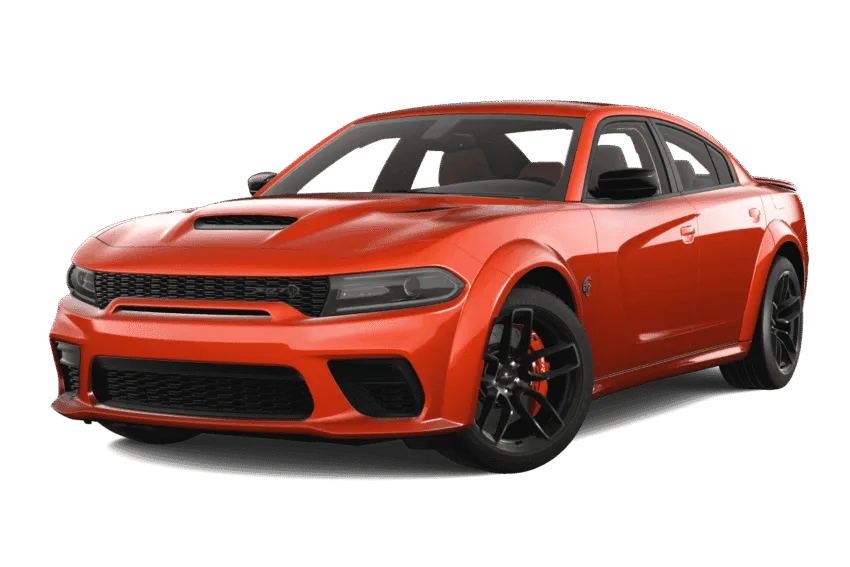
So you’re looking at buying a Dodge Charger? Smart choice. But here’s the thing – understanding all the different dodge charger trim levels can feel like trying to decode rocket science. Between the classic muscle car variants and the brand-new electric models, there’s a lot to unpack. Don’t worry though, we’re breaking down everything you need to know about charger trim options in plain English.
The Evolution of Dodge Charger Models
The Dodge Charger has always been about one thing: pure, unapologetic American muscle. But 2024 marked a massive turning point for this legendary nameplate. Dodge made the bold move to transition from their iconic HEMI V8 engines to a mix of electric powertrains and turbocharged inline-six engines. This means when you’re shopping for a Charger today, you’re actually looking at two completely different generations of vehicles.
The legacy dodge charger trim levels that featured those rumbling HEMI engines are still available as used vehicles and represent the last of a dying breed. Meanwhile, the all-new 2025 and 2026 models are pushing the Charger into the future with electric motors and modern twin-turbo technology. Both generations have their own unique trim level hierarchies, and understanding these differences is crucial for making an informed purchase decision.
Classic Dodge Charger Trim Levels (Legacy Models)
Let’s start with the traditional gas-powered Chargers that dominated the streets for over a decade. These models feature the legendary HEMI engines that made Dodge famous, and they’re still highly sought after by muscle car enthusiasts. Here’s what each trim level brings to the table.
Dodge Charger SXT: The Gateway Muscle Car
The entry-level SXT delivers 292 horsepower from its 3.6-liter Pentastar V6 engine, which is actually pretty impressive for a base model. Most competitors can’t even come close to matching that kind of power at this price point. The SXT gives you the classic Charger styling, a spacious interior that can comfortably seat five adults, and your choice of rear-wheel drive or all-wheel drive configurations.
What makes the SXT particularly attractive is that it doesn’t feel like a stripped-down base model. You’re still getting a legitimate muscle car experience with modern tech features like the Uconnect infotainment system, smartphone integration, and a suite of safety features. The starting MSRP for the SXT was around $34,230, making it one of the most affordable ways to get into a full-size performance sedan. For daily driving, commuting, or just enjoying that iconic Charger profile without breaking the bank, the SXT hits a sweet spot that’s hard to beat.
Dodge Charger GT: All-Weather Performance
Think of the GT as the SXT’s more capable sibling. It uses the same 3.6-liter V6 engine but bumps the output slightly to 300 horsepower. The real story here though isn’t just about raw power – it’s about capability. The GT comes standard with all-wheel drive, making it the perfect choice if you live in areas with challenging weather conditions or simply want that extra peace of mind when roads get slippery.
The GT maintains a high standard with quality fabric seats and a user-friendly layout while adding some performance-oriented touches like sport-tuned suspension and distinctive styling elements. You’re also getting upgraded wheel options and enhanced braking performance compared to the base SXT. For drivers who want muscle car attitude combined with year-round practicality, the GT represents an excellent middle ground in the charger model comparison hierarchy.
Dodge Charger R/T: Where HEMI Begins
Now we’re talking serious business. The R/T upgrades to a 5.7-liter HEMI V8 engine producing 395 pound-feet of torque, and you can feel every bit of that grunt when you mash the accelerator. This is where the Charger really starts to earn its muscle car credentials. The distinctive HEMI rumble, the effortless acceleration, and the straight-line speed make the R/T a completely different animal compared to the V6 models.
Beyond just the engine swap, the R/T comes with performance-specific features like upgraded brakes, a sport-tuned suspension system, and distinctive exterior styling cues including those iconic R/T badges. The cabin gets upgraded materials, and you’ll find features like heated seats and a larger touchscreen infotainment system. The R/T is also where you can really start customizing your Charger with various appearance packages and performance options. For pure traditionalists who want authentic HEMI power without going completely crazy, the R/T delivers exactly what you’d expect from an American muscle car.
Dodge Charger Scat Pack: Serious Performance Territory
The Scat Pack takes everything great about the R/T and cranks it up to eleven. You’re looking at a 6.4-liter HEMI V8 that produces 485 horsepower and 475 pound-feet of torque. These numbers translate to genuine supercar-level acceleration in a four-door sedan package. The Scat Pack can rocket from 0-60 mph in around 4.3 seconds, which is absolutely bonkers for a vehicle this size.
But raw power is just part of the equation. The Scat Pack gets massive Brembo brakes to handle all that performance, an adaptive suspension system that can be adjusted for different driving situations, and a limited-slip differential to put all that power down effectively. The exterior gets aggressive styling touches including hood scoops, unique wheels, and distinctive Scat Pack badging. Inside, you’ll find sport seats with improved bolstering, premium materials throughout the cabin, and all the technology features you’d expect from a modern performance car.
Dodge Charger SRT Hellcat: Supercharged Insanity
Welcome to the truly wild side of the dodge charger trim levels lineup. The Hellcat variants represent some of the most powerful production sedans ever built. The supercharged 6.2-liter HEMI SRT V8 engine produces 717 horsepower and 650 pound-feet of torque in the standard Hellcat configuration. That’s not a typo – seven hundred and seventeen horsepower from the factory. This thing will absolutely destroy anything at a stoplight, and it sounds like the apocalypse while doing it.
The Hellcat comes with everything you need to handle that massive power output. We’re talking about enormous Brembo brakes with six-piston calipers up front, adaptive damping suspension that can be dialed in for different driving situations, and an electronic limited-slip differential. The widebody package adds aggressive fender flares and wider wheels to improve stability and grip. Inside, you get premium leather and suede surfaces, heavily bolstered sport seats, and a flat-bottom steering wheel that reminds you this isn’t just any sedan.
SRT Hellcat Redeye: The Ultimate Expression
If the regular Hellcat wasn’t enough (and honestly, who are we kidding – it’s more than enough for 99% of drivers), Dodge created the Redeye variants. The SRT Hellcat Redeye Jailbreak produces 807 horsepower and 707 pound-feet of torque, making it one of the most powerful sedans ever produced. This level of power is genuinely difficult to comprehend until you experience it firsthand. The Redeye can hit 60 mph in just 3.6 seconds and keep pulling hard all the way to a top speed north of 200 mph.
These top-tier charger performance variants come with extensive customization options through the Jailbreak package, allowing buyers to mix and match colors, wheels, and interior combinations that weren’t previously available. Every Redeye also gets upgraded internals to handle the increased power, including strengthened pistons, connecting rods, and a larger supercharger pulled from the Demon. If you want the absolute pinnacle of what a four-door muscle car can be, this is it.
The New Era: 2025-2026 Dodge Charger Trim Levels
Alright, now let’s talk about the future. The 2025 and 2026 Charger lineup represents a complete reimagining of what a muscle car can be. Dodge made the controversial but potentially brilliant decision to offer both all-electric and turbocharged gas-powered versions. This gives buyers actual choices based on their preferences and needs.
2025 Dodge Charger Daytona R/T (Electric)
The Daytona R/T produces 456 horsepower and 404 pound-feet of torque from dual electric motors, and here’s what makes it special – these numbers represent the baseline output. Hit the PowerShot button on the steering wheel, and you get an instant 40-horsepower boost for brief periods, bumping total output to 496 horses. This gives you that extra punch when you need it for passing or just having some fun.
The R/T comes standard with all-wheel drive thanks to its dual-motor setup, something the old gas-powered Chargers never offered as standard equipment. The R/T delivers an all-electric driving range of 308 miles, which should handle most daily driving scenarios without range anxiety. The exterior styling pays homage to classic Dodge design with modern LED lighting, illuminated Fratzog badges, and that aggressive stance the Charger is famous for. Starting around $59,000, the R/T positions itself as the entry point into electric muscle car territory.
2025 Dodge Charger Daytona Scat Pack (Electric)
The Scat Pack takes the R/T formula and supercharges it (pun intended). The top-tier Scat Pack pushes output to 670 horsepower and 627 pound-feet of torque, achieving 0-60 mph in just 3.3 seconds. These numbers put it in legitimate supercar territory, and remember – this is all happening silently with instant electric torque delivery. The PowerShot feature here bumps power up to an absolutely mental 670 horsepower.
Beyond just straight-line speed, the Scat Pack gets serious performance upgrades. You’re looking at larger 20-inch wheels, high-performance Brembo brakes, and specialized driving modes including Drift/Donut, Track, Drag, and Launch Control. The interior gets upgraded with leather and suede surfaces, enhanced sport seats, and all the technology features you’d expect in a premium performance vehicle. At around $73,000, the Scat Pack ain’t cheap, but you’re getting legitimate performance car capability with the added benefit of electric efficiency.
2026 Dodge Charger Sixpack (Gas-Powered)
For traditionalists who still want to hear an engine roar, Dodge brought back gas-powered models under the Sixpack nameplate. These use the twin-turbocharged 3.0-liter Hurricane inline-six engine instead of the old HEMI V8s. The base Sixpack SO (Standard Output) produces around 420 horsepower, while the high-output Sixpack HO delivers approximately 550 horsepower.
The Sixpack models offer all-wheel drive as standard and maintain that classic muscle car driving experience with actual engine noise and traditional power delivery. The Hurricane engine provides significantly better fuel efficiency compared to the old HEMI motors while still delivering impressive performance. The two-door Sixpack gets the high-output engine, while four-door models come with the standard-output variant. These models are scheduled to arrive mid-2026, giving buyers who aren’t ready for full electrification a modern alternative.
Comparing Body Styles and Configurations
One major change with the new generation is body style diversity. The 2025 Charger expanded to include four-door versions of the Daytona EV, with both R/T and Scat Pack available in two-door or four-door configurations. This gives you actual choices based on your lifestyle needs. Need to haul passengers and gear regularly? Go four-door. Want that traditional muscle car coupe look? Go two-door. The mechanical features remain virtually identical between body styles.
The two-door models feature sleeker, more aggressive styling that really emphasizes the performance nature of these vehicles. They’re pure eye candy and make a serious statement. The four-door models maintain the Charger’s traditional profile while incorporating the new design language. Both configurations feature a hatchback design rather than a traditional trunk, significantly improving cargo versatility and practicality.
Dodge Charger Trim Levels Comparison Chart
Here’s a quick reference table to help you compare the key specifications across different charger trim configurations:
| Trim Level | Engine/Motor | Horsepower | Torque (lb-ft) | Drivetrain | 0-60 mph | Starting Price |
|---|---|---|---|---|---|---|
| Legacy Models | ||||||
| SXT | 3.6L V6 | 292 hp | 260 | RWD/AWD | ~6.4 sec | ~$34,230 |
| GT | 3.6L V6 | 300 hp | 264 | AWD | ~6.2 sec | ~$38,000 |
| R/T | 5.7L HEMI V8 | 370 hp | 395 | RWD | ~5.1 sec | ~$42,000 |
| Scat Pack | 6.4L HEMI V8 | 485 hp | 475 | RWD | ~4.3 sec | ~$49,000 |
| SRT Hellcat | 6.2L S/C HEMI | 717 hp | 650 | RWD | ~3.6 sec | ~$72,000 |
| Hellcat Redeye | 6.2L S/C HEMI | 807 hp | 707 | RWD | ~3.6 sec | ~$82,000 |
| New Generation | ||||||
| Daytona R/T | Dual Electric | 456 hp (496) | 404 | AWD | ~4.7 sec | ~$59,000 |
| Daytona Scat Pack | Dual Electric | 630 hp (670) | 627 | AWD | ~3.3 sec | ~$73,000 |
| Sixpack SO | 3.0L TT I-6 | 420 hp | TBA | AWD | ~4.5 sec | TBA |
| Sixpack HO | 3.0L TT I-6 | 550 hp | TBA | AWD | ~3.8 sec | TBA |
Note: Numbers in parentheses indicate PowerShot boost mode. Prices are approximate MSRP and subject to change.
Key Features Across Trim Levels
When comparing dodge charger features by trim, certain elements remain consistent while others differentiate the lineup. All modern Chargers come with Uconnect infotainment systems, though screen sizes and capabilities vary by trim level. Base models typically feature 7-inch displays, while upper trims get 8.4-inch or larger touchscreens with navigation and premium audio systems.
Safety technology has become standard across the board. Even base trims now include forward collision warning, blind-spot monitoring, rear cross-traffic alert, and adaptive cruise control. Higher trims add features like 360-degree camera systems, parking assistance, and more advanced driver aids. This represents a significant improvement over older models where these features were expensive options.
Interior quality scales with trim level as well. Entry-level models feature cloth upholstery with manual seat adjustments, while mid-level trims introduce leather surfaces and power-adjustable seats with heating and ventilation. Top-tier models like the Scat Pack and Hellcat variants get genuine Nappa leather, suede inserts, carbon fiber trim pieces, and heavily bolstered sport seats designed to keep you planted during aggressive driving.
Performance Packages and Special Editions
Beyond the standard trim levels, Dodge offers various packages that can significantly enhance your Charger’s capabilities or appearance. The Blacktop Package adds dark exterior badging, blackout wheels, and black exhaust tips, giving your Charger a more aggressive murdered-out appearance. This package works particularly well on lighter paint colors, creating dramatic contrast.
The Carbon & Suede Package on Plus trims includes heated and ventilated leather and suede performance seats, suede dashboard and headliner elements, and carbon fiber accents throughout the interior and exterior. The Track Package on Daytona Scat Pack models adds race-ready components for serious performance driving. The Sun & Sound package combines a panoramic glass roof with an upgraded Alpine audio system featuring 18 speakers and 900 watts of amplification.
The limited-edition Last Call models represented Dodge’s farewell to the HEMI-powered era. These included special editions like the King Daytona, Super Bee, Swinger, and additional Blacktop variants. Each featured unique color combinations, special badging, and exclusive features that won’t be replicated in future models. If you can find one of these special editions in good condition, they’re likely to become collector’s items.
Technology and Infotainment Features
Modern charger technology features have come a long way from earlier generations. The new models feature freestanding digital displays, one-touch start buttons with pistol-grip shifters, and Attitude Adjustment Lighting with 64 selectable colors. The Uconnect 5 system in electric models provides wireless Apple CarPlay and Android Auto, built-in navigation, and over-the-air update capabilities.
The unique Fratzonic Chambered Exhaust system deserves special mention. This world-first electric exhaust system delivers an audible muscle car roar that adjusts based on acceleration, idling, revving, and drive mode selection. It’s Dodge’s answer to critics who said electric cars can’t have soul or character. The system uses external speakers and sound tuning to create authentic muscle car sounds even though there’s no combustion engine.
Driver assistance technology in new Chargers includes adaptive cruise control with stop-and-go capability, lane-keeping assistance with gentle steering corrections, and automatic emergency braking. The 360-degree camera system provides a bird’s-eye view for tight parking situations, while front and rear parking sensors help prevent those embarrassing parking lot mishaps. These systems work together to make the Charger surprisingly easy to live with despite its performance-oriented nature.
Real-World Ownership Considerations
When choosing between dodge charger trim packages, think about your actual daily driving needs. If you’re commuting in traffic most days, the instant torque and silence of the electric Daytona models might make more sense than a rumbling HEMI that drinks premium gas. However, if you do lots of long-distance driving or don’t have easy access to charging infrastructure, the upcoming Sixpack models could be perfect.
Insurance costs vary dramatically across trim levels. A base SXT will cost significantly less to insure than a Hellcat Redeye, sometimes double or triple the premium. Maintenance costs also scale with performance – those massive Brembo brakes on higher trims aren’t cheap to replace, and high-performance tires wear faster and cost more. Factor these ongoing costs into your budget when deciding which trim makes sense for your wallet.
Fuel economy ranges from actually decent in the V6 models (around 19 city/30 highway mpg) to pretty terrible in the Hellcat variants (around 13 city/22 highway mpg). The electric Daytonas obviously don’t use gas at all, but electricity costs vary by region. The new Sixpack models should offer a nice middle ground with better efficiency than old HEMIs while still providing strong performance.
Which Dodge Charger Trim Level Should You Choose?
The right charger trim for your needs depends entirely on your priorities, budget, and lifestyle. Let’s break down some common scenarios to help you decide.
Daily Driver on a Budget: The SXT or GT makes perfect sense here. You get iconic Charger styling, respectable performance, and reasonable running costs. The V6 engines are reliable, insurance won’t kill your wallet, and you’ll still turn heads at every stoplight.
Weekend Warrior: The R/T or Scat Pack hits the sweet spot. You get legitimate HEMI power for fun drives while maintaining enough civility for occasional daily use. These trims offer the best balance of performance, cost, and practicality for enthusiasts who don’t need to go completely crazy.
Track Day Hero: The Daytona Scat Pack or legacy Hellcat variants are your weapons of choice. These provide serious performance credentials with the hardware to back it up. The electric Scat Pack’s instant torque delivery and advanced traction control systems make it surprisingly capable on track despite the weight.
Environmental Conscious Performance Fan: The Daytona R/T gives you zero-emission driving with genuine performance capabilities. The 308-mile range handles daily driving easily, and you still get that instant electric torque hit that makes acceleration addictive.
Ultimate Bragging Rights: If you can afford it and want the absolute pinnacle of Charger performance, nothing beats the Hellcat Redeye variants. You’re buying automotive excess in the best possible way, and these models will likely appreciate in value as collectibles.
The Future of Dodge Charger Trim Levels
Looking ahead, Dodge has hinted at even more variants coming. There’s talk of a high-performance SRT Banshee model that could push electric power output even higher than the current Scat Pack. Additional body styles and configurations are likely as Dodge expands the lineup. The brand seems committed to offering choices that satisfy different buyer preferences rather than forcing everyone into one direction.
The gas-powered Sixpack models arriving in 2026 prove Dodge understands not everyone is ready for full electrification. By offering both electric Daytona and gas-powered Sixpack versions across similar body styles, they’re essentially hedging their bets and letting the market decide. This approach means whether you’re team electric or team gas, there’s a modern Charger that fits your worldview.
Where to Learn More About Dodge Charger Trim Levels
For the most up-to-date information on dodge charger configurations and specs, visit Dodge’s official website where you can build and price your ideal Charger. The site features detailed specifications, available color combinations, package options, and current pricing. You can also locate dealerships in your area and check inventory for immediate availability.
Enthusiast forums like ChargerForums.com and DodgeGarage.com provide real-world ownership experiences and detailed discussions about different trim levels. These communities are invaluable for learning about long-term reliability, common issues, and modifications that can enhance your ownership experience. YouTube channels dedicated to Dodge products offer excellent video reviews and comparison tests between different trims.
Frequently Asked Questions About Dodge Charger Trim Levels
What’s the difference between Dodge Charger trim levels?
The primary differences between dodge charger trim levels involve engine power, performance capabilities, interior features, and technology packages. Base models like the SXT use V6 engines focused on efficiency and value, while higher trims like the R/T and Scat Pack feature powerful HEMI V8 engines. The newest electric Daytona models use dual electric motors with varying power outputs. Each step up the trim hierarchy typically adds more power, better brakes, upgraded suspension, enhanced interior materials, and additional technology features.
Which Dodge Charger trim level is the fastest?
Among legacy models, the SRT Hellcat Redeye Jailbreak is fastest, delivering 807 horsepower and hitting 60 mph in just 3.6 seconds. For the new generation, the Daytona Scat Pack with 670 horsepower reaches 60 mph in 3.3 seconds, making it actually quicker than the old Hellcat models thanks to instant electric torque delivery. The electric powertrain’s immediate power availability gives it a significant advantage in acceleration runs.
Are all Dodge Charger trims available in AWD?
No, drivetrain availability varies by trim and generation. Legacy models offer AWD only on the SXT and GT trims, while R/T and all higher-performance models are RWD only. The new 2025 Daytona electric models come standard with AWD thanks to their dual-motor setup. The upcoming 2026 Sixpack gas-powered models will also feature standard AWD across all configurations.
What is the most affordable Dodge Charger trim?
The SXT represents the entry point into Charger ownership with a starting MSRP around $34,230 for legacy models. For the new electric generation, the Daytona R/T starts around $59,000, making it the most affordable new Charger option. Keep in mind that used legacy models may offer even better value, especially if you’re looking at slightly older model years.
Do higher Dodge Charger trims get better gas mileage?
Actually, no – it’s quite the opposite. Lower trims with V6 engines deliver the best fuel economy, achieving up to 30 mpg highway. As you move up to V8-powered trims, fuel economy drops significantly. The Hellcat variants get as low as 13 mpg city. The electric Daytona models don’t use gasoline at all, so they’re measured in miles per kilowatt-hour instead. The upcoming Sixpack turbocharged models should offer better efficiency than old HEMIs while maintaining strong performance.
Can you upgrade a lower Dodge Charger trim to match higher trims?
While you can add some appearance items and aftermarket performance parts, you cannot fundamentally upgrade a lower trim to match a higher one. The engines, transmissions, braking systems, suspension components, and structural elements differ significantly between trims. Major modifications would cost more than simply buying the higher trim initially. Some appearance packages and technology features can be added, but core mechanical differences remain.
What’s the best Dodge Charger trim level for daily driving?
For daily driving, the R/T offers the best balance of performance and practicality. You get the HEMI V8 experience without the extreme running costs of Hellcat models. The new Daytona R/T electric model is also excellent for daily use, providing strong performance, zero emissions, and lower operating costs. If budget is primary concern, the SXT or GT remain solid choices with respectable performance and better fuel economy.
Are Dodge Charger Hellcat trims worth the extra cost?
This depends entirely on your priorities and budget. If you want maximum performance and collector value, Hellcat models are absolutely worth it. They offer unprecedented power in a practical four-door package and will likely appreciate as collectibles. However, for most drivers, the additional insurance costs, fuel consumption, maintenance expenses, and tire wear make them impractical for regular use. The Scat Pack often provides the better value proposition for enthusiasts.
Take Action on Your Perfect Dodge Charger Trim Level
Now that you understand the complete landscape of dodge charger trim levels, it’s time to take the next step. Visit your local Dodge dealership to experience these incredible machines firsthand. Nothing replaces actually sitting in the driver’s seat, feeling the build quality, and hearing those engines roar (or experiencing that electric surge in the Daytona models).
Don’t rush your decision – the Charger represents a significant investment, and choosing the right trim level ensures you’ll love your purchase for years to come. Consider your actual driving needs, budget constraints, and which features matter most to your daily life. Test drive multiple trims if possible to really feel the differences between power levels and configurations.
Whether you choose a budget-friendly SXT for daily commuting, a thundering Hellcat for maximum performance, or a cutting-edge Daytona for electric efficiency, the Dodge Charger lineup offers something for every type of driver. The key is matching the right charger trim configuration to your specific needs and desires. Make your decision count, and soon you’ll be behind the wheel of one of America’s most iconic muscle cars.
Sources:
- Dodge Official Charger Website
- Edmunds – 2025 Dodge Charger Trims Comparison
- San Antonio Dodge Charger Trim Guide
- MotorTrend – Dodge Charger Daytona Lineup Explained
- VEHQ – Dodge Charger Trim Levels Explained