Investing in the right golf buggy charger can mean the difference between a seamless day on the course and frustrating downtime. Whether you’re managing a fleet of golf carts at a country club or maintaining your personal electric golf buggy, understanding charger specifications, compatibility, and maintenance requirements is crucial. This comprehensive guide explores everything from amperage ratings to automatic shutoff features, helping you make an informed decision that protects your battery investment and ensures reliable performance season after season.
What Is a Golf Buggy Charger and How Does It Work?
A golf buggy charger is a specialized electrical device designed to replenish the battery power in electric golf carts and buggies. Unlike standard battery chargers, these units are engineered specifically for deep-cycle batteries commonly used in golf vehicles, including flooded lead-acid, AGM (Absorbed Glass Mat), and lithium-ion battery systems.
The charging process involves converting AC power from a wall outlet into DC power that flows into the battery pack. Modern golf cart chargers use sophisticated microprocessor technology to monitor voltage, current, and temperature throughout the charging cycle. This intelligent approach prevents overcharging, which can damage batteries and shorten their lifespan significantly.
Most golf buggy chargers operate through a three-stage charging process: bulk charging (delivering maximum current until the battery reaches approximately 80% capacity), absorption charging (maintaining constant voltage while current gradually decreases), and float or maintenance charging (keeping the battery at full capacity without overcharging). According to Battery University, proper charging techniques can extend battery life by up to 50% compared to incorrect charging methods.
Types of Golf Buggy Chargers Available in the Market
Automatic vs Manual Golf Cart Chargers
Automatic golf buggy chargers feature built-in microprocessors that detect when batteries reach full charge and automatically switch to maintenance mode or shut off completely. These chargers eliminate the guesswork and prevent the common mistake of overcharging, which generates excessive heat and accelerates battery degradation. The convenience factor makes automatic chargers the preferred choice for 90% of golf cart owners, according to industry sales data.
Manual chargers require users to monitor the charging process and disconnect power when batteries are full. While these units cost 30-40% less than automatic versions, they demand vigilance and experience to operate safely. Professional golf course managers rarely opt for manual chargers due to the labor requirements and increased risk of battery damage from human error.
Onboard vs Portable Golf Buggy Chargers
Onboard chargers mount directly to the golf cart, providing ultimate convenience as they travel with the vehicle. These units typically feature waterproof enclosures rated IP65 or higher to withstand outdoor conditions. Golf courses with large fleets prefer onboard systems because staff can charge carts anywhere power outlets exist, maximizing operational flexibility and minimizing equipment movement.
Portable golf buggy chargers offer versatility for personal cart owners who may need to charge at different locations. These standalone units weigh between 15-40 pounds depending on amperage rating and can be transported in a vehicle trunk. However, they require careful storage to protect against moisture and physical damage that could compromise electrical safety.
Lead-Acid vs Lithium Battery Chargers
Lead-acid battery chargers remain the most common type, designed for flooded, AGM, and gel cell batteries typically arranged in 36V or 48V configurations. These chargers deliver charging profiles optimized for lead-acid chemistry, including specific voltage limits and multi-stage charging algorithms. The average price ranges from $200-$600 depending on amperage and features.
Lithium-ion golf buggy chargers represent newer technology requiring different charging parameters than lead-acid systems. Lithium batteries charge faster (often reaching 80% capacity in 2-3 hours versus 8-10 hours for lead-acid) and require precise voltage control to prevent thermal runaway. These specialized chargers cost $400-$1,200 but deliver superior efficiency and battery longevity benefits.
Suggested read: Dodge Charger Headlight Bulb: Everything You Need to Know Before Buying
Key Features to Consider When Choosing a Golf Buggy Charger
Voltage Compatibility and Battery Configuration
Matching charger voltage to your battery system is non-negotiable for safe operation. Golf carts typically use 36V (six 6-volt batteries), 48V (six 8-volt or eight 6-volt batteries), or 72V configurations. Using an incorrect voltage charger can permanently damage batteries within minutes and poses serious fire risks. Always verify your cart’s voltage rating before purchasing any charging equipment.
Battery configuration also affects charger selection beyond simple voltage matching. Series-connected batteries require chargers that distribute charge evenly across all cells. Quality golf buggy chargers incorporate equalization modes that periodically overcharge batteries slightly to balance cell voltages, preventing sulfation and extending pack life by 20-30% according to research from the Battery Council International.
Amperage Rating and Charging Speed
Charger amperage determines how quickly your golf buggy batteries reach full capacity. Common ratings include 12A, 15A, 18A, and 25A models. The relationship is straightforward: higher amperage means faster charging, but also generates more heat. A 15A charger typically requires 6-8 hours to fully charge a depleted 48V battery bank, while a 25A unit accomplishes the same task in 4-5 hours.
However, faster isn’t always better when it comes to battery health. Rapid charging above 20% of total battery capacity (measured in amp-hours) can reduce cycle life by generating excessive heat and promoting dendrite formation in lead-acid batteries. Most manufacturers recommend charging at 10-15% of capacity for optimal longevity, making a 15-18A charger ideal for typical golf cart battery banks rated at 150-200 amp-hours.
Automatic Shutoff and Safety Features
Modern golf buggy chargers incorporate multiple safety mechanisms to protect both equipment and users. Automatic shutoff functionality detects full charge conditions and terminates power flow, preventing the battery damage that occurs when charging continues beyond 100% capacity. This feature alone can extend battery life by 18-24 months based on field studies conducted by major golf cart manufacturers.
Additional safety features include reverse polarity protection (preventing damage if connections are reversed), short circuit protection, thermal monitoring with automatic shutdown at excessive temperatures, and spark-proof connections. Premium chargers also incorporate ground fault detection, which identifies electrical leakage to cart frames that could create shock hazards. These protections justify the 25-35% price premium for commercial-grade equipment.
Waterproofing and Durability Ratings
Golf carts operate in challenging outdoor environments where chargers face exposure to rain, humidity, dust, and temperature extremes. IP (Ingress Protection) ratings quantify how well chargers resist these conditions. An IP65 rating indicates complete dust protection and resistance to water jets from any direction, making it suitable for most outdoor charging scenarios.
Professional-grade golf buggy chargers often carry IP67 ratings, meaning they can withstand temporary submersion up to one meter. This extra protection matters in cart storage areas prone to flooding or heavy rain exposure. Construction quality also varies significantly: aluminum housings dissipate heat better than plastic and resist corrosion in humid coastal environments. Units built with conformal-coated circuit boards tolerate moisture and contaminants that would destroy unprotected electronics.
How to Calculate the Right Charger Size for Your Golf Cart
Understanding Your Battery Bank Specifications
Determining the correct golf buggy charger size begins with identifying your battery bank’s total capacity measured in amp-hours (Ah). A standard golf cart uses six 6-volt batteries rated at 220Ah each, creating a 36V system with 220Ah capacity. To find your batteries’ specifications, check the labels on individual batteries or consult your golf cart’s manual for original equipment specifications.
Once you know total capacity, apply the 10-15% charging rate rule for optimal battery health. For a 220Ah battery bank, multiply 220 × 0.12 (12%) = 26.4 amps recommended charging current. Since chargers come in standard sizes, you would select a 25A or 28A model. Undersizing chargers extends charging time but won’t harm batteries, while oversizing above 20% of capacity accelerates wear and should be avoided.
Matching Charger Output to Golf Cart Requirements
Golf cart electrical systems display specific voltage requirements during different charging stages. A 36V system actually requires 42-44V during bulk charging to overcome internal resistance and fully charge batteries. Quality chargers automatically adjust output voltage throughout the charging cycle, but you must verify the charger’s voltage range matches your cart’s battery configuration.
Suggested read: Club Car Golf Cart Battery Charger: Everything You Need to Know Before You Buy
Connector compatibility represents another critical matching requirement. Golf carts use various plug styles including crowfoot, SB50, and proprietary connectors specific to manufacturers like Club Car, EZ-GO, and Yamaha. Some golf buggy chargers include multiple connector options or adapters, while others require purchasing the correct connector separately. Mismatched connectors prevent charging entirely or create loose connections that spark and generate dangerous heat.
Calculating Charging Time Based on Amperage
The formula for calculating approximate charging time is straightforward: (Battery Capacity in Ah × Depth of Discharge) ÷ Charger Amperage = Charging Hours. For example, if you’ve depleted a 220Ah battery bank by 80% (176Ah used) and have a 22A charger: 176 ÷ 22 = 8 hours charging time.
This calculation provides baseline estimates, but actual charging times vary based on battery age, temperature, and charger efficiency. Cold batteries (below 50°F) charge 20-30% slower than warm batteries because chemical reactions slow down at lower temperatures. Additionally, charger efficiency typically ranges from 75-85%, meaning a 20A charger only delivers 15-17A to batteries after accounting for conversion losses and heat generation.
Top Golf Buggy Charger Brands and Models Compared
Club Car Golf Cart Chargers
Club Car’s PowerDrive chargers represent industry-leading technology with advanced microprocessor controls and diagnostic capabilities. The PowerDrive 2 model features a display showing charge status, fault codes, and estimated completion time. These onboard chargers integrate seamlessly with Club Car vehicles and include weatherproof construction rated for outdoor installation. Pricing ranges from $450-$750 depending on voltage and amperage configurations.
The PowerDrive 3 series introduces CAN bus communication, allowing chargers to exchange data with cart computers for optimized charging based on battery condition and usage patterns. This intelligent approach can extend battery life by 25% compared to conventional charging methods. However, proprietary connectors and programming mean these chargers work exclusively with Club Car vehicles, limiting flexibility for owners who might switch cart brands.
Lester Electrical and Summit II Chargers
Lester Electrical has manufactured golf buggy chargers for over 50 years, earning reputation as the OEM supplier for most major golf cart manufacturers. Their Summit II series features rugged construction, automatic voltage detection, and compatibility with multiple battery chemistries including flooded, AGM, and gel cell batteries. These chargers cost $350-$600 and come with 2-year warranties covering both parts and labor.
The Summit II-HF (High Frequency) models use switching power supply technology that reduces weight by 40% compared to transformer-based designs while improving efficiency to 88%. This efficiency translates to lower electricity costs and less heat generation during charging. Field reliability data shows Lester chargers averaging 5-7 years of service life with minimal maintenance requirements, making them excellent long-term investments.
DPI Gen IV Chargers
Dual Pro Industrial (DPI) manufactures premium chargers used by golf courses, resorts, and commercial fleet operators. The Gen IV series incorporates fully automatic charging with microprocessor controls monitoring voltage, current, and temperature 1,000 times per second. This precision prevents overcharging while ensuring complete battery saturation for maximum capacity. DPI chargers range from $500-$900 depending on specifications.
What sets DPI apart is their PowerProbe diagnostic system that assesses battery health during every charge cycle. The charger identifies weak or failing batteries before they cause system-wide problems, allowing proactive replacement that prevents unexpected breakdowns. Fleet managers report 15-20% reductions in battery replacement costs using DPI’s early warning system compared to operating without diagnostic capabilities.
Schauer and Delta-Q Technologies
Schauer chargers deliver professional performance at competitive prices, with models starting around $300. Their JAC series features aluminum construction for superior heat dissipation and corrosion resistance in humid environments. These golf buggy chargers include automatic voltage detection, thermal protection, and 3-stage charging algorithms optimized for lead-acid batteries. Schauer’s 3-year warranty demonstrates confidence in product durability and reliability.
Delta-Q Technologies focuses on lithium battery charging with their QuiQ series representing cutting-edge technology for lithium-ion golf carts. These chargers communicate with battery management systems (BMS) to deliver precisely controlled charging that maximizes lithium battery lifespan. The QuiQ 1000 model charges 48V lithium packs in under 3 hours while monitoring individual cell voltages and temperatures. Premium pricing of $800-$1,200 reflects advanced features and specialized lithium battery expertise.
Suggested read: Charger Wheels: Everything You Need to Know Before Buying in 2025
Installation Guide for Golf Buggy Chargers
Selecting the Optimal Charging Location
Choose charging locations with adequate ventilation since batteries emit hydrogen gas during charging, which is highly flammable in concentrations above 4%. Outdoor locations under roof overhangs provide natural ventilation while protecting chargers from direct rain exposure. Indoor locations require ventilation fans or open windows to prevent gas accumulation. Position golf buggy chargers at least 18 inches from cart batteries to minimize hydrogen exposure to electrical components.
Electrical service requirements vary based on charger amperage. A 15A charger on a 48V system draws approximately 9-10 amps from a 120V household outlet (allowing for charging inefficiency). Standard 15A household circuits handle this load, but dedicated 20A circuits are recommended to prevent nuisance breaker trips from other appliances sharing the circuit. Level, stable mounting surfaces prevent vibration damage to internal charger components.
Proper Wiring and Connection Procedures
Always connect golf buggy chargers to carts before plugging into wall outlets to prevent dangerous sparking at cart connectors. The correct sequence is: 1) Verify cart power switch is OFF, 2) Connect charger plug to cart receptacle firmly, 3) Plug charger power cord into wall outlet, 4) Verify charging indicator lights activate. Reversing this sequence can create arcing at the cart connector sufficient to cause burns or ignite hydrogen gas.
Wire gauge selection matters for onboard charger installations. Use 10 AWG wire minimum for 36V systems and 8 AWG for 48V systems to handle current loads safely without excessive voltage drop. Battery terminal connections require corrosion-resistant ring terminals crimped securely and covered with dielectric grease to prevent oxidation. Loose connections create resistance that generates heat, potentially melting insulation and causing fires.
Testing and Commissioning New Chargers
Initial testing verifies proper golf buggy charger operation and identifies wiring errors before they cause damage. After connecting all cables, use a multimeter to measure voltage at battery terminals before activating the charger—readings should match battery voltage (typically 36-40V for 36V systems or 48-52V for 48V systems). Activate the charger and recheck voltage after 5 minutes; readings should increase by 2-4 volts indicating charging current flow.
Monitor charger operation during the first complete charging cycle, checking for unusual sounds, excessive heat, or error codes. Quality chargers should feel warm but never too hot to touch after several hours of operation. Verify automatic shutoff functionality by allowing batteries to reach full charge and confirming the charger switches to maintenance mode or powers off completely. Document baseline charging times for future reference to identify developing problems.
Common Golf Buggy Charger Problems and Troubleshooting
Charger Not Turning On or Showing Power
When a golf buggy charger fails to activate, begin troubleshooting at the power source. Test the wall outlet with another device to confirm power availability, then inspect the charger’s power cord for damage including frayed insulation, crushed sections, or loose prongs. Extension cords should be avoided as they introduce voltage drop and additional failure points, but if necessary use 12 AWG cords rated for outdoor use.
Internal fuses or circuit breakers protect chargers from electrical faults but can fail or trip during normal operation. Most chargers locate these protection devices inside the housing near the power cord entry point. Replacement fuses must match original specifications exactly—using higher-rated fuses defeats safety features and creates fire hazards. If fuses fail repeatedly, underlying electrical problems require professional diagnosis.
Incomplete Charging or Premature Shutoff
Chargers that stop before batteries reach full capacity often suffer from faulty voltage sensing circuits that incorrectly detect full charge conditions. This problem commonly develops in chargers 4-5 years old as aging components drift from calibration specifications. Testing requires a multimeter to measure battery voltage immediately after the charger shuts off; readings below 41V (36V systems) or 54V (48V systems) indicate incomplete charging.
Corroded or loose battery cable connections create voltage reading errors that confuse charger logic circuits. Clean all battery terminals with a wire brush and baking soda solution to remove oxidation, then apply dielectric grease and retighten connections to manufacturer specifications (typically 120-150 inch-pounds torque). Poor connections also cause excessive voltage drop that prevents batteries from accepting full charge even with properly functioning golf buggy chargers.
Overheating and Thermal Shutdowns
Excessive charger temperature triggers protective shutdowns that prevent component damage. Inadequate ventilation represents the most common cause—chargers require minimum 6-inch clearance on all sides for proper cooling airflow. Blocked or dust-clogged cooling vents reduce airflow by 50-70%, forcing chargers to operate at dangerous temperatures. Clean cooling fins monthly in dusty environments using compressed air or soft brushes.
Suggested read: Gold Beaded Charger Plates: Everything You Need to Know Before Buying
Internal cooling fan failures cause rapid temperature increases during charging. Most modern golf buggy chargers incorporate fans that activate when internal temperatures exceed 140°F. Listen for fan operation during charging; absence of fan noise when the charger feels hot suggests fan motor failure or electrical connection issues. Replacement fans cost $20-$40 but require technical expertise to access internal charger components safely.
Error Codes and Diagnostic Indicators
Modern chargers display error codes through LED blink patterns or alphanumeric displays. Common codes include reversed polarity warnings (red LED flashing rapidly), thermal overload conditions (amber LED solid), and battery fault detection (red/amber alternating flashes). Consult your charger’s manual for specific code meanings as patterns vary between manufacturers. Document error codes when seeking technical support to expedite troubleshooting.
Persistent error codes often indicate battery problems rather than charger faults. A golf buggy charger detecting battery issues might display error codes continuously until failing batteries are replaced. Professional battery testing using load testers or conductance analyzers identifies weak cells that prevent proper charging. Attempting to charge severely sulfated or damaged batteries can overheat chargers and shorten their service life significantly.
Maintenance Tips for Extending Golf Buggy Charger Lifespan
Regular Cleaning and Inspection Schedules
Implement monthly cleaning routines for golf buggy chargers operating in outdoor or dusty environments. Use compressed air to remove accumulated dust from cooling vents, paying special attention to areas where cooling fans draw air into the housing. Dust buildup acts as insulation, trapping heat and forcing components to operate 20-30°F above design temperatures, significantly reducing lifespan.
Inspect power cords and connectors every three months for signs of wear including cracked insulation, exposed conductors, or discolored/melted plastic indicating overheating. Cart connector pins should show bright, clean metal surfaces without corrosion or pitting. Replace corroded connectors immediately as they create electrical resistance that generates dangerous heat. Apply dielectric grease to connector contacts twice yearly to prevent moisture intrusion and oxidation.
Protecting Chargers from Environmental Damage
While quality golf buggy chargers feature weatherproof construction, additional protection extends service life in harsh environments. Install chargers under protective covers or in ventilated storage boxes when outdoor mounting is necessary. Avoid completely sealed enclosures as they trap heat and moisture, creating worse conditions than open-air installation. Ensure protective covers don’t block cooling vents or create water traps.
Humidity control matters particularly in coastal regions or areas with significant seasonal weather changes. Moisture infiltrating charger electronics causes corrosion and electrical tracking that leads to short circuits and failures. Silica gel packets placed inside charger housings (where accessible) absorb moisture and prevent condensation. Replace desiccant packets every 6 months or when they change color from blue to pink indicating saturation.
Firmware Updates and Calibration
Advanced golf buggy chargers with microprocessor controls may receive firmware updates from manufacturers addressing bugs, improving charging algorithms, or adding features. Check manufacturer websites annually for available updates, which typically download via USB connections or through smartphone apps in newer models. Firmware updates can improve charging efficiency by 5-10% and add battery chemistry profiles for newer battery technologies.
Voltage calibration ensures chargers deliver accurate output matching battery requirements. Over time, component aging causes voltage regulation circuits to drift from specifications. Professional calibration services use precision voltage references and specialized equipment to restore charger accuracy. This service typically costs $75-$150 but prevents the accelerated battery wear caused by incorrect charging voltages. Calibration intervals of 3-5 years maintain optimal charger performance.
When to Repair vs Replace Your Charger
Golf buggy chargers averaging 6-8 years of service life reach a point where repair costs approach replacement expenses. Minor repairs like cooling fan replacement ($75-$125 including labor) or power cord replacement ($50-$80) make economic sense for chargers under 5 years old. However, failures involving circuit boards, transformers, or multiple components simultaneously often cost $200-$350 to repair, making replacement the better option.
Consider replacement when chargers exhibit declining performance despite maintenance efforts. Symptoms include progressively longer charging times, inconsistent charging cycles, or frequent error codes. Technology improvements in newer models can justify replacement even when older chargers still function—modern high-frequency chargers offer 25% better efficiency and faster charging than designs from 10+ years ago. Factor electricity savings and reduced battery replacement frequency into replacement decisions.
Suggested read: The Bully in Charge Chapter 97: Everything You Need to Know About This Game-Changing Manhwa Arc
Energy Efficiency and Cost Savings with Modern Chargers
Understanding Charging Electricity Costs
Calculate monthly golf buggy charger operating costs using this formula: (Charger Wattage × Hours Used × Days per Month × Electricity Rate) ÷ 1000 = Monthly Cost. A typical 48V, 15A charger consumes approximately 800-900 watts during active charging. Assuming 8 hours charging daily at $0.12 per kWh electricity rate: (850W × 8 hours × 30 days × $0.12) ÷ 1000 = $24.48 monthly cost.
Annual electricity expenses for single-cart residential users typically range from $200-$350 depending on usage frequency and local electricity rates. Commercial golf courses operating 50+ carts face substantially higher costs—annual electricity expenses of $10,000-$20,000 aren’t uncommon for large facilities. These costs justify investing in high-efficiency chargers that reduce consumption by 15-25% compared to older transformer-based models.
High-Frequency vs Traditional Charger Efficiency
Traditional golf buggy chargers use iron-core transformers to convert AC power to the DC voltages batteries require. These designs achieve 70-80% efficiency, meaning 20-30% of electricity consumed becomes waste heat rather than charging energy. A 900-watt traditional charger only delivers 630-720 watts to batteries, with the remainder heating the surrounding environment.
High-frequency switching power supplies represent modern technology offering 85-92% efficiency. These chargers use electronic switching circuits operating at 20,000+ Hz to transform power, eliminating heavy iron transformers. A high-frequency golf buggy charger consuming 800 watts delivers 680-736 watts to batteries—the same charging performance from 100-150 fewer watts input. Over 5 years, this efficiency difference saves $150-$250 in electricity costs per charger while generating less heat that stresses components.
Solar Charging Options for Golf Carts
Solar-powered charging systems provide sustainable alternatives for environmentally conscious cart owners and off-grid applications. A complete solar charging setup includes photovoltaic panels (typically 300-600 watts), charge controller, battery bank for energy storage, and inverter to power standard golf buggy chargers. Initial system costs range from $1,500-$3,500 depending on capacity and components selected.
Solar charging proves most practical in sunny climates where panels generate consistent power. A 400-watt solar array produces approximately 1,600-2,000 watt-hours daily in optimal conditions, sufficient to charge one golf cart. However, cloudy weather and seasonal variation require careful system sizing—winter solar production can drop 50-60% compared to summer peaks. Hybrid systems combining solar and grid power offer reliability while reducing electricity costs by 40-60% annually.
Safety Guidelines for Golf Buggy Charger Operation
Preventing Electrical Hazards and Fires
Electrical safety begins with proper grounding. All golf buggy chargers include three-prong plugs with ground pins that must connect to properly grounded outlets. Never remove ground pins or use adapters that eliminate ground connections—ground wires provide the only protection against electrical shock if internal insulation fails. Test outlets with plug-in ground fault indicators ($10-$15 at hardware stores) before installing charging equipment.
Battery charging produces hydrogen gas that forms explosive mixtures with air in concentrations exceeding 4%. Maintain minimum 18-inch clearance between chargers and battery compartments, and ensure charging occurs in well-ventilated areas. Never smoke or use open flames near charging golf carts. Install smoke detectors and ABC-rated fire extinguishers near charging areas, particularly in enclosed spaces where multiple carts charge simultaneously.
Handling Battery Connections Safely
Always disconnect golf buggy chargers from wall power before handling battery connections to eliminate shock risks. Lead-acid batteries produce sulfuric acid that causes severe chemical burns on contact with skin or eyes. Wear safety glasses and acid-resistant gloves when working near batteries. Keep baking soda and water solutions nearby to neutralize acid spills—mix 1 cup baking soda per gallon of water for effective neutralization.
Prevent short circuits by using insulated tools when working around batteries and avoiding metal objects near terminals. A wrench accidentally bridging battery terminals creates thousands of amps current flow sufficient to melt metal, cause severe burns, and explode batteries. Cover one terminal with a cloth when working on the other to prevent accidental contact. Remove jewelry including rings and watches that could conduct electricity if they contact terminals.
Child and Pet Safety Considerations
Store portable golf buggy chargers in locked areas inaccessible to children and pets. Charger cords present strangulation hazards, while active chargers deliver dangerous voltages at output terminals. Install tamper-resistant outlet covers on charging circuits to prevent curious children from inserting objects into outlets. Never leave charging carts unattended with children or pets present—they may climb on carts, pull on cables, or contact energized components.
Suggested read: Rattan Charger: Everything You Need to Know Before You Buy or Replace Yours
Educate household members about charging safety, including the importance of not touching carts or chargers during charging operations. Post warning signs in charging areas identifying electrical hazards and flammable gas risks. Consider installing motion-activated lighting in charging areas to improve visibility and deter unauthorized access during nighttime hours when charging typically occurs.
Comparing Golf Buggy Charger Prices and Where to Buy
Online Retailers and Marketplace Options
Amazon offers extensive golf buggy charger selections with prices ranging from $180 for basic manual chargers to $1,200 for advanced lithium-compatible models. Customer reviews provide valuable insights into real-world performance and reliability, though verify reviewers actually purchased products to avoid fake reviews. Prime shipping delivers chargers within 2-3 days in most areas, beneficial when replacing failed equipment requiring immediate restoration of cart functionality.
eBay presents opportunities for finding discontinued charger models and OEM equipment at discounted prices. Exercise caution when purchasing used chargers—request testing demonstrations or return policies ensuring chargers function properly. Refurbished golf buggy chargers from reputable sellers cost 30-50% less than new equipment while including limited warranties. Avoid used chargers showing physical damage, heavy corrosion, or missing components that indicate poor maintenance or harsh operating conditions.
Specialty Golf Cart Dealers and Manufacturers
Authorized golf cart dealers stock manufacturer-specific chargers guaranteed compatible with your cart model. These sources provide expert advice matching chargers to battery configurations and can verify compatibility before purchase. Dealer prices typically run 20-35% higher than online retailers, but this premium includes installation support, warranty service, and technical assistance unavailable from discount sources.
Direct manufacturer purchases through websites like Club Car, EZ-GO, and Yamaha parts portals ensure authentic OEM equipment. Factory-direct golf buggy chargers cost more than aftermarket alternatives but deliver perfect compatibility and maximum reliability. Manufacturers often offer bulk pricing for golf courses and commercial operators purchasing multiple units, with discounts reaching 15-25% on orders exceeding 10 chargers.
Warranty Coverage and Return Policies
Warranty duration varies significantly between charger brands and models. Budget chargers typically include 1-year limited warranties covering manufacturing defects but excluding damage from misuse or environmental factors. Premium manufacturers offer 2-3 year warranties with comprehensive coverage including parts and labor for repairs. Extended warranties costing $50-$150 extend protection to 5 years, valuable for commercial applications where downtime creates significant operational impacts.
Evaluate return policies carefully before purchasing golf buggy chargers online. Many retailers impose 15-20% restocking fees on returned electrical equipment, while others exclude chargers from return eligibility entirely once packaging is opened. This makes compatibility verification crucial before ordering. Photograph charger specifications, battery configurations, and connector types to confirm matches before ordering to avoid expensive return fees or being stuck with incompatible equipment.
Upgrading from Standard to Smart Golf Buggy Chargers
Benefits of Microprocessor-Controlled Charging
Smart golf buggy chargers incorporate microprocessors that continuously monitor battery voltage, current, and temperature, making real-time adjustments for optimal charging. This technology prevents the overcharging and undercharging that occur with basic timer-based chargers. Studies show microprocessor-controlled charging extends battery life 25-40% compared to conventional methods by maintaining ideal charging parameters throughout every cycle.
Advanced algorithms in smart chargers detect battery sulfation and automatically perform desulfation routines using controlled overcharging pulses that break down lead sulfate crystals. This maintenance feature recovers capacity from neglected batteries and prevents sulfation buildup in regularly used batteries. Fleet managers report 15-20% reductions in annual battery replacement costs after upgrading to smart charging systems.
Bluetooth and App-Connected Chargers
Modern golf buggy chargers with Bluetooth connectivity allow smartphone monitoring of charging status, battery health, and diagnostic information from anywhere on your property. Dedicated apps display estimated completion times, total energy delivered, and historical charging data useful for identifying developing problems. Push notifications alert users when charging completes or if errors occur, eliminating the need for physical inspection.
App-connected chargers also enable remote control functionality including the ability to initiate maintenance charging cycles or adjust charging parameters based on weather conditions. Cold-weather modes automatically extend charging time and reduce initial current to prevent damage from charging frozen batteries. Hot-weather profiles limit charging voltage to prevent gassing and electrolyte loss. These intelligent adjustments optimize battery care without requiring user expertise in battery chemistry.
Suggested read: Best Laptop Charging Station: Everything You Need to Know Before You Buy
Connectivity Features for Fleet Management
Commercial operations managing 20+ golf carts benefit dramatically from networked golf buggy chargers that integrate with fleet management software. These systems provide centralized monitoring of all charging stations, identifying chargers or carts requiring maintenance before failures disrupt operations. Automated reports track electricity consumption per cart, enabling cost allocation and identifying inefficient vehicles consuming excessive power.
Predictive maintenance algorithms analyze charging data to forecast battery failures weeks before they occur. Machine learning models identify patterns like gradually increasing charging times or declining charge acceptance that indicate approaching battery failure. This early warning allows proactive battery replacement during scheduled maintenance windows rather than unexpected breakdowns during peak operational periods. Golf courses using predictive maintenance report 30-40% reductions in cart downtime.
Golf Buggy Charger Compatibility with Different Battery Types
Flooded Lead-Acid Battery Requirements
Flooded lead-acid batteries remain the most common golf cart power source due to low cost ($600-$900 for complete packs) and proven technology. These batteries require golf buggy chargers delivering specific voltage profiles: bulk charging at 2.35-2.45 volts per cell, absorption phase at 2.35 volts per cell, and float maintenance at 2.25-2.30 volts per cell. A 36V system (18 cells) needs 42.3-44.1 volts during bulk charging and 40.5-41.4 volts for float charging.
Flooded batteries also benefit from periodic equalization charging—controlled overcharging at 2.5-2.65 volts per cell that balances cell voltages and removes sulfation. Quality chargers include automatic equalization modes activating every 10-30 charge cycles. During equalization, batteries emit more hydrogen gas than normal charging, making adequate ventilation critical. The entire equalization process takes 3-4 hours beyond normal charging time.
AGM and Gel Cell Battery Charging
AGM (Absorbed Glass Mat) batteries contain electrolyte absorbed in fiberglass mats rather than free-flowing liquid. These sealed batteries tolerate vibration better than flooded types and require less maintenance. However, AGM batteries demand precise charging—voltages exceeding 2.40 volts per cell cause internal gassing that damages plates and reduces capacity. Ensure your golf buggy charger includes AGM-specific profiles limiting voltage appropriately.
Gel cell batteries use thickened silica gel electrolyte offering superior resistance to vibration and deep discharge. Gel batteries require even lower charging voltages than AGM—typically 2.30-2.35 volts per cell during bulk charging. Using flooded battery charging profiles on gel cells causes permanent damage within 5-10 charge cycles. When purchasing chargers for sealed batteries, verify manufacturers explicitly list AGM or gel compatibility rather than assuming “universal” chargers work properly.
Lithium-Ion Battery Considerations
Lithium iron phosphate (LiFePO4) batteries revolutionize golf cart power systems with advantages including 50-70% weight reduction, 2-3 hour charge times, and 3,000-5,000 cycle lifespan versus 500-1,000 cycles for lead-acid. However, lithium batteries require completely different golf buggy charger specifications than lead-acid types. Lithium charging profiles typically deliver constant current until reaching 3.6-3.65 volts per cell, then switch to constant voltage mode.
Critical difference: lithium batteries incorporate battery management systems (BMS) that communicate with chargers using CANbus protocols. The BMS monitors individual cell voltages and temperatures, commanding chargers to reduce current or stop charging if dangerous conditions develop. Attempting to charge lithium batteries with lead-acid chargers risks fires and battery damage. Dedicated lithium chargers cost $600-$1,400 but are mandatory for safe lithium battery operation.
Impact of Temperature on Golf Buggy Charger Performance
Cold Weather Charging Challenges
Battery chemistry slows dramatically at temperatures below 50°F, reducing charge acceptance and extending charging time by 30-50% compared to room temperature operation. At 32°F, batteries accept only 40-50% of normal charging current, meaning a charge normally requiring 8 hours takes 12-16 hours in freezing conditions. Never charge frozen batteries (below 32°F internal temperature) as this causes permanent plate damage and can rupture battery cases.
Cold-weather charging with standard golf buggy chargers also risks incomplete charging because chargers detect voltage levels indicating full charge before batteries actually reach capacity. This occurs because cold batteries show higher voltage at partial charge states than warm batteries at the same charge level. Advanced chargers with temperature compensation adjust charging parameters based on battery temperature measured by sensors, ensuring complete charging regardless of ambient conditions.
Hot Weather and Thermal Management
High temperatures accelerate battery chemical reactions, creating risks of overcharging and thermal runaway if chargers don’t compensate appropriately. At 100°F, batteries accept charge 20-30% faster than at 77°F, but overcharging risk increases proportionally. Uncompensated charging in hot weather causes excessive gassing, electrolyte loss, and plate corrosion that can reduce battery life by 40-50%.
Suggested read: Hood Dodge Charger: Everything You Need to Know Before Upgrading Your Muscle Car's Look
Temperature-compensating golf buggy chargers include sensors measuring battery temperature and adjust charging voltage accordingly—typically reducing voltage by 0.005 volts per cell per degree Fahrenheit above 77°F. This compensation prevents overcharging in hot conditions while ensuring adequate charging in cold weather. Install chargers in shaded, ventilated areas rather than direct sunlight to prevent chargers themselves from overheating, which reduces efficiency and triggers thermal protection shutdowns.
Optimal Storage Conditions for Chargers
Store golf buggy chargers in climate-controlled environments maintaining 50-85°F temperatures when possible. Extreme temperatures stress electronic components and accelerate aging—operating chargers consistently above 100°F can reduce lifespan by 30-40%. Cold storage below freezing risks moisture condensation when chargers warm up, potentially causing short circuits if powered on before completely drying.
Humidity control matters equally to temperature management. Relative humidity above 80% promotes corrosion of internal circuitry and connections even in chargers with weatherproof housings. Use dehumidifiers in storage areas during humid seasons, maintaining 40-60% relative humidity for optimal equipment longevity. Allow chargers to reach room temperature before use if stored in significantly colder areas to prevent condensation formation on internal components.
Regulations and Standards for Golf Buggy Chargers
UL and CE Safety Certifications
UL (Underwriters Laboratories) certification indicates golf buggy chargers meet stringent safety standards for electrical equipment used in North America. UL testing includes evaluation of fire risks, electrical shock hazards, and component failure modes. Look for UL listing marks on charger housings and specifications—equipment lacking UL certification may not meet building codes and could void insurance coverage if fires or injuries occur.
CE marking signifies compliance with European Union safety standards covering electromagnetic compatibility and electrical safety. While CE requirements differ from UL standards, both certifications indicate manufacturers invest in safety testing and quality control. Chargers lacking recognized safety certifications from UL, CE, or equivalent testing laboratories pose significant risks and should be avoided regardless of price savings—the liability exposure exceeds any cost benefits.
FCC Electromagnetic Compliance
Federal Communications Commission (FCC) regulations govern electromagnetic interference (EMI) emissions from electrical equipment. Quality golf buggy chargers meet FCC Part 15 Class B requirements limiting EMI to levels that won’t interfere with radio communications, Wi-Fi networks, or other electronic devices. Cheap chargers without FCC compliance generate electrical noise causing television static, radio interference, and wireless network disruption within 30-50 feet.
EMI also affects charger performance—electrically noisy environments from welding equipment, motors, or radio transmitters can confuse charger control circuits, causing erratic operation or premature shutoffs. Install chargers away from EMI sources when possible, and verify FCC compliance markings before purchasing equipment to ensure both outgoing and incoming interference resistance meet minimum standards.
Electrical Code Requirements for Installation
National Electrical Code (NEC) Article 625 governs electric vehicle charging equipment including golf cart chargers. Key requirements include dedicated circuits for charging equipment, ground fault protection, and proper wire sizing based on charger amperage ratings. Most jurisdictions require licensed electricians perform permanent charger installations, though portable equipment plugging into existing outlets typically doesn’t require permits.
Local building codes may impose additional requirements beyond NEC standards. Some municipalities require permits even for portable golf buggy chargers in commercial applications, while others mandate specific installation locations or ventilation requirements. Consult local building departments before installing charging equipment to ensure compliance and avoid code violation citations or insurance claim denials.
Environmental Benefits of Efficient Golf Buggy Charging
Reducing Carbon Footprint Through Smart Charging
Efficient golf buggy chargers contribute to environmental sustainability by minimizing electricity consumption and associated power plant emissions. High-frequency chargers operating at 90% efficiency waste 40-50% less electricity as heat compared to 75% efficient traditional designs. For golf courses operating 50 carts, upgrading to efficient chargers can eliminate 15,000-25,000 pounds of CO2 emissions annually—equivalent to removing 1-2 gasoline vehicles from roads.
Time-of-use electricity pricing and renewable energy integration create opportunities for environmentally conscious charging strategies. Programming chargers to operate during nighttime hours when electricity demand drops and wind power generation peaks reduces fossil fuel consumption. Smart chargers with programmable start times automatically delay charging until off-peak periods, lowering operational costs 20-30% while supporting grid stability and renewable energy integration.
Suggested read: Cart Battery Charger: Everything You Need to Know Before You Buy
Proper Disposal and Recycling of Old Chargers
Electronic waste represents growing environmental challenges as discarded equipment releases toxic materials including lead, mercury, and brominated flame retardants into landfills. Never dispose of golf buggy chargers with regular trash—virtually all components can be recycled through proper channels. Aluminum housings, copper windings, and steel structural elements retain significant scrap value while circuit boards contain precious metals recoverable through specialized recycling processes.
Many municipalities offer electronics recycling programs accepting chargers and other electrical equipment at no charge. Retailers like Best Buy accept small electronics for recycling regardless of purchase location. For commercial operations disposing of multiple chargers, contact specialized electronic recyclers who may pay for large quantities of equipment. Proper recycling prevents soil and groundwater contamination while recovering valuable materials for new manufacturing.
Energy Star and Green Certifications
Energy Star certification for battery chargers indicates products meet EPA efficiency standards, typically requiring 85%+ efficiency and power factor correction reducing strain on electrical grids. While Energy Star doesn’t currently certify golf cart chargers specifically, many manufacturers design golf buggy chargers meeting these standards and disclose this information in specifications. Choosing high-efficiency chargers aligns with corporate sustainability goals and demonstrates environmental stewardship.
Green certifications like EPEAT (Electronic Product Environmental Assessment Tool) evaluate products across entire lifecycles including manufacturing processes, energy efficiency, recyclability, and materials sourcing. Chargers with green certifications use recycled materials where possible, minimize packaging waste, and provide take-back programs for end-of-life recycling. These products cost marginally more but support manufacturers prioritizing environmental responsibility throughout product design and manufacturing.
Future Trends in Golf Buggy Charger Technology
Wireless and Inductive Charging Systems
Wireless charging technology adapting from electric vehicle applications promises convenient golf cart charging without physical cable connections. Inductive systems use electromagnetic fields transferring energy between charging pads mounted on parking surfaces and receiver coils integrated into cart chassis. Carts parking over charging pads automatically begin charging without human intervention, eliminating connector wear and simplifying operations for large fleets.
Current wireless golf buggy charger prototypes achieve 85-90% efficiency—comparable to conventional plug-in chargers though slightly lower than the best wired systems. Installation costs remain higher than conventional charging infrastructure, with wireless pads costing $2,000-$4,000 per station versus $500-$1,000 for traditional chargers. However, labor savings from eliminating daily plug-in/unplug operations and reduced maintenance from connector elimination justify wireless systems for facilities managing 30+ carts.
Fast-Charging Innovations
Rapid charging technology delivering 80% charge in 1-2 hours instead of 6-8 hours transforms golf cart operational flexibility. Fast-charging requires battery systems designed for high current acceptance—primarily lithium-ion batteries since lead-acid batteries tolerate only limited rapid charging without damage. Advanced golf buggy chargers for lithium systems deliver 40-60 amps charging current compared to 15-25 amps from conventional units.
Thermal management challenges increase proportionally with charging speed as rapid energy transfer generates substantial heat in batteries and chargers. Liquid-cooled battery packs and active cooling systems in fast chargers maintain safe operating temperatures during rapid charging sessions. Golf courses implementing fast-charging report operational benefits including ability to recharge carts during lunch periods and reduced fleet size requirements as faster turnover enables fewer total carts to serve the same number of rounds.
Vehicle-to-Grid Integration
Vehicle-to-grid (V2G) technology enables golf carts to function as distributed energy storage systems supporting electrical grids during peak demand periods. Advanced bidirectional golf buggy chargers not only charge batteries but also export stored energy back to facilities or utility grids when needed. Golf courses with solar power systems can store excess daytime generation in cart batteries and discharge this energy during evening peak demand, reducing facility electricity costs by 30-50%.
V2G implementation requires sophisticated battery management systems, bidirectional chargers costing $1,500-$3,000 per unit, and utility interconnection agreements. Current applications focus on commercial facilities with large fleets where aggregated storage capacity justifies infrastructure investments. Residential V2G remains economically challenging, though declining equipment costs and increasing utility incentive programs may make this technology viable for individual cart owners within 5-10 years.
Professional Golf Course Fleet Charging Strategies
Centralized vs Distributed Charging Infrastructure
Centralized charging facilities concentrate all golf buggy chargers in dedicated maintenance areas, simplifying electrical infrastructure and enabling efficient monitoring of charging operations. This approach requires staff to transport carts to/from charging locations daily, consuming labor and creating bottlenecks during busy periods. However, centralized systems enable climate-controlled charging environments and security against theft or vandalism.
Suggested read: Best Battery Charger for RV Battery: Everything You Need to Know Before You Buy
Distributed charging stations positioned throughout courses near starting points and halfway houses reduce cart movement requirements and enable opportunity charging during slow periods. This flexibility maximizes fleet availability but increases electrical infrastructure costs—running power to multiple locations costs $2,000-$5,000 per station depending on distances involved. Modern golf courses often implement hybrid approaches with primary centralized charging supplemented by distributed fast-charging stations at strategic locations.
Scheduling and Load Management
Golf courses operating 50-100 carts face electrical demand challenges if all carts charge simultaneously. A 48V cart charging at 15A draws approximately 900 watts—100 carts simultaneously charging require 90,000 watts (90kW) of electrical capacity. This demand might exceed facility service capacity or trigger expensive demand charges from utilities based on peak consumption.
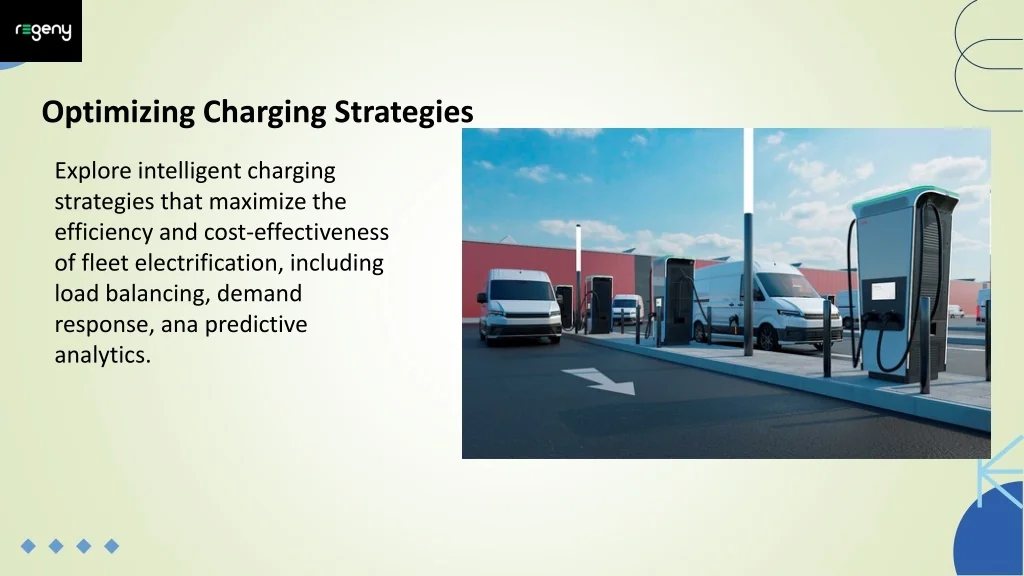
Load management systems sequence golf buggy charger activation to distribute electrical demand across nighttime hours. Smart controllers activate chargers in groups of 10-15, starting new groups as earlier groups complete charging. This approach limits peak demand to manageable levels while ensuring all carts charge completely before morning tee times. Advanced systems integrate with building management platforms, coordinating cart charging with other facility systems to optimize total electricity consumption.
Preventive Maintenance Programs
Professional fleet operations implement systematic golf buggy charger maintenance preventing unexpected failures during peak seasons. Monthly inspection checklists include cleaning cooling vents, testing emergency shutoff functions, verifying proper grounding, and documenting charging completion times. Gradually increasing charging times indicate developing charger or battery problems requiring attention before complete failures occur.
Annual professional servicing includes electrical safety testing, voltage calibration verification, and connector replacement. Preventive connector replacement every 2-3 years prevents worn connectors from creating electrical resistance that generates heat and triggers false error codes. Documentation systems tracking charger service history, failure rates, and replacement dates enable data-driven decisions about equipment lifecycle management and optimal replacement timing.
Golf Buggy Charger Accessories and Add-Ons
Extension Cords and Power Distribution
Quality extension cords rated for outdoor use and appropriate amperage prove essential for flexible charging arrangements. A 15A golf buggy charger requires minimum 12 AWG extension cord to prevent excessive voltage drop—using 16 AWG cords causes chargers to underperform and potentially overheat. Cord length matters significantly: 50-foot 12 AWG cords introduce 5-7% voltage drop, while 100-foot cords at the same gauge create 10-14% drop affecting charging performance.
Power distribution panels consolidate multiple charging circuits in centralized locations, eliminating tangled cords and improving safety. These panels include individual circuit breakers for each outlet, allowing isolation of faulted circuits without affecting other chargers. Marine-grade outdoor panels with NEMA 3R or 4X enclosure ratings provide weather protection while maintaining required ventilation. Professional installations position panels 4-5 feet above ground level preventing water intrusion during flooding or snow accumulation.
Battery Monitoring Systems
Standalone battery monitors provide detailed information beyond what golf buggy chargers display, including individual cell voltages, internal resistance measurements, and historical capacity tracking. These devices typically cost $150-$400 and connect to battery terminals, transmitting data to smartphones via Bluetooth. Battery monitors enable early problem detection—identifying weak cells months before they fail completely and damage remaining pack.
Advanced monitoring systems log charging and discharging cycles, generating reports showing battery health trends over time. This data supports warranty claims by documenting proper maintenance and identifying manufacturing defects. Fleet managers use aggregated battery monitoring data to optimize replacement schedules, purchasing batteries before failure rates spike during peak season when cart availability matters most.
Surge Protection and Power Conditioning
Lightning strikes and grid disturbances generate voltage spikes that damage sensitive electronics in modern golf buggy chargers. Whole-facility surge protectors installed at electrical service panels provide first-line defense against major surges from lightning and utility switching. These devices cost $300-$600 installed but protect all connected equipment including chargers, computers, and facility systems.
Point-of-use surge protectors positioned between chargers and wall outlets offer additional protection against smaller surges that penetrate facility-level defenses. Look for surge protectors with joule ratings exceeding 2,000 and clamping voltages below 400V to ensure adequate protection. Replace surge protectors every 3-5 years or immediately after major surge events as protection components degrade with each surge absorption.
Suggested read: Flux Raider Charging Handle: Everything You Need to Know Before You Buy
Troubleshooting Advanced Golf Buggy Charger Issues
Diagnosing Intermittent Charging Problems
Intermittent failures frustrate troubleshooting efforts as problems disappear during testing then reappear during regular use. Temperature-related issues commonly cause intermittent behavior—connections expanding and contracting with temperature changes create resistance when hot that disappears when cool. Use infrared thermometers to identify connection points running significantly hotter than surroundings, indicating high resistance from corrosion or looseness.
Vibration-induced intermittent failures affect golf buggy chargers mounted on carts experiencing rough terrain. Internal component leads crack from repeated flexing, creating marginal connections that fail randomly. Gentle tapping or vibrating chargers while monitoring output voltage sometimes reveals these faults. Document exactly when failures occur—noting weather conditions, charging duration before failure, and any patterns helps identify root causes even when direct testing shows no problems.
Addressing Voltage Regulation Issues
Voltage regulation problems cause golf buggy chargers to deliver incorrect voltage to batteries, resulting in overcharging (voltage too high) or undercharging (voltage too low). Test regulation accuracy by measuring output voltage at charger terminals using quality multimeters—readings should match manufacturer specifications within 1-2%. Deviations exceeding 5% indicate component failures requiring professional repair or replacement.
Poor voltage regulation accelerates battery deterioration dramatically. Overcharging by just 10% (e.g., 46V instead of 42V on 36V systems) doubles the rate of positive plate corrosion and electrolyte loss. Undercharging by 10% prevents complete battery charging, allowing sulfation to accumulate and reducing usable capacity. Verify charger output voltage annually or whenever batteries show premature degradation symptoms.
Resolving Communication Errors with Smart Batteries
Modern lithium batteries and some advanced lead-acid systems communicate with chargers using CANbus or similar protocols. Communication failures prevent charging entirely as chargers refuse to energize without battery management system authorization. These errors often result from corroded data pin connections in charging connectors—clean connector contacts with electronic contact cleaner and verify pins show no mechanical damage.
Software incompatibility between golf buggy chargers and battery management systems causes persistent communication errors. Manufacturers occasionally release firmware updates addressing compatibility issues with specific battery brands. Contact both charger and battery manufacturers when communication errors occur, providing complete model information for both devices. Some incompatibilities require hardware modifications or alternative charger selection if devices simply cannot communicate successfully.
Where to Find Reliable Golf Buggy Charger Support
Manufacturer Technical Support Resources
Major golf buggy charger manufacturers provide technical support through multiple channels including phone hotlines, email ticket systems, and online knowledge bases. Club Car, Lester Electrical, and Delta-Q maintain comprehensive troubleshooting guides and video tutorials addressing common problems. Many manufacturers offer live chat support during business hours, providing immediate assistance for urgent charging issues threatening operational continuity.
Manufacturer websites host downloadable resources including user manuals, service bulletins, wiring diagrams, and specification sheets. Register products after purchase to receive email notifications about firmware updates, safety recalls, and product announcements. Some manufacturers provide extended support programs for commercial customers including dedicated account representatives and priority service response guaranteeing 24-hour callback times.
Local Golf Cart Service Centers
Authorized service centers staffed with factory-trained technicians offer professional golf buggy charger repair and installation services. These facilities maintain inventories of common replacement parts enabling same-day or next-day repairs for many failures. Labor rates typically range $75-$125 per hour depending on geographic location and facility overhead costs. Many centers offer pickup and delivery services for inoperable equipment, charging $50-$100 depending on distance.
Independent golf cart repair shops provide alternative service options often at lower rates than authorized dealers. While these businesses may lack factory training and official parts access, experienced technicians often troubleshoot and repair equipment effectively. Request references and verify business licensing and insurance before trusting valuable equipment to independent shops. Good independent shops maintain relationships with parts suppliers ensuring component availability despite lacking official dealer status.
Online Communities and Forums
Golf cart enthusiast forums like Buggies Gone Wild and Golf Cart Forum host thousands of members sharing technical knowledge and troubleshooting advice. Search archives before posting questions—most common golf buggy charger problems have been discussed extensively with multiple solution approaches documented. When posting new questions, include complete information: charger make/model, battery specifications, symptoms observed, and troubleshooting steps already attempted.
Suggested read: EV Fast Charging in Edmond, OK: Everything You Need to Know Before You Plug In
YouTube channels dedicated to golf cart maintenance demonstrate repair procedures including charger component replacement, connector repair, and diagnostic techniques. Visual demonstrations often clarify complex procedures that written instructions struggle to convey. However, verify information accuracy by cross-referencing multiple sources—not all online content comes from qualified sources, and following incorrect advice can worsen problems or create safety hazards.
Frequently Asked Questions About Golf Buggy Chargers
How long should a golf buggy charger last?
Quality golf buggy chargers typically provide 6-8 years of reliable service when properly maintained and operated within specifications. Premium commercial-grade chargers often exceed 10 years lifespan, while budget models may fail after 3-5 years. Factors affecting longevity include operating environment (outdoor chargers deteriorate faster than climate-controlled installations), usage frequency, and maintenance quality. Chargers operating at sustained high temperatures, in corrosive environments, or experiencing frequent voltage surges exhibit significantly shorter lifespans regardless of initial quality.
Can I use any golf buggy charger with my cart?
No, golf buggy chargers must match three critical specifications: voltage (36V, 48V, or 72V systems require corresponding chargers), connector type (plugs must physically and electrically match cart receptacles), and battery chemistry (lead-acid, AGM, gel, or lithium batteries require different charging profiles). Using mismatched chargers damages batteries within days or hours and poses fire risks. Always verify complete compatibility before connecting any charger to golf cart batteries, consulting manufacturer specifications or professional technicians when uncertain.
Why is my golf buggy charger getting hot?
Some heat generation during charging is normal as electrical resistance and inefficiency convert 10-25% of input power to heat. However, excessive heat indicating potential problems includes charger housings too hot to touch comfortably (above 130°F), burning smells, or discolored plastics. Common causes include inadequate ventilation (blocked cooling vents reduce airflow), high ambient temperatures combined with insufficient clearance, internal cooling fan failure, or component deterioration. Overheating triggers protective shutdowns and accelerates internal component aging. Address overheating immediately by improving ventilation, cleaning cooling passages, or seeking professional service for internal problems.
How often should I charge my golf cart?
Charge golf carts after each use regardless of discharge depth to prevent sulfation and maintain optimal battery health. Lead-acid batteries suffer cumulative damage from remaining in partial charge states, with sulfation beginning within 24-48 hours of discharge. Modern automatic golf buggy chargers prevent overcharging concerns that historically made constant charging problematic. The only exception involves lithium batteries, which tolerate extended partial charge states better than lead-acid types. However, most manufacturers still recommend charging lithium carts after every use to ensure availability and maximize convenience.
What amperage charger do I need for my golf cart?
Select charger amperage providing 10-15% of total battery capacity measured in amp-hours. A typical golf cart with 220Ah battery capacity requires 22-33A charging current for optimal battery health. Lower amperage chargers (10-15A) work but extend charging time to 10-14 hours, while higher amperage chargers (30-40A) complete charging faster but may reduce battery lifespan by 15-25% due to excessive heat generation. Verify your battery capacity by checking labels on individual batteries, then calculate recommended charger amperage. When in doubt, consult battery or golf cart manufacturers for official amperage recommendations.
Can I repair my golf buggy charger myself?
Simple repairs like replacing power cords, cooling fans, or external connectors fall within typical DIY capabilities for individuals with basic electrical knowledge and tools. However, internal repairs involving circuit boards, transformers, or high-voltage components require specialized knowledge and equipment for safe execution. Golf buggy chargers contain capacitors storing lethal voltages even when unplugged—working inside chargers without proper discharge procedures risks fatal electrical shock. Unless you possess electrical engineering training or extensive electronics repair experience, internal charger repairs should be delegated to qualified technicians to prevent injury and additional equipment damage.
Do I need a different charger for lithium batteries?
Yes, lithium batteries absolutely require dedicated golf buggy chargers designed specifically for lithium chemistry. Lead-acid chargers deliver incorrect voltage profiles and lack the communication capabilities that lithium battery management systems require. Attempting to charge lithium batteries with lead-acid chargers risks thermal runaway, fires, and permanent battery damage. Lithium chargers cost $600-$1,400 but represent mandatory investments for lithium battery safety and longevity. Never compromise on this requirement—the fire risks and battery damage costs from using incorrect chargers far exceed charger purchase prices.
Why won’t my golf buggy charger turn on?
Golf buggy chargers failing to activate require systematic troubleshooting starting with power source verification. Test wall outlets with other devices confirming power availability, inspect charger power cord for damage, and check internal fuses or breakers often located near power cord entry points. If power reaches the charger but it still won’t activate, verify cart batteries aren’t completely dead (below 20V on 36V systems or 30V on 48V systems)—some chargers refuse to start when sensing extremely low battery voltage. Other common causes include tripped thermal protections requiring cooling time before reset, failed internal power supplies, or control circuit malfunctions requiring professional repair.
Ready to upgrade your golf cart charging system? Browse our selection of premium golf buggy chargers designed for reliability and performance. Whether you need a replacement charger or want to upgrade to smart charging technology, we offer expert guidance and competitive pricing. Don’t forget to check out our police charger for sale options for high-performance charging solutions.
Sources: Battery University, Battery Council International, National Electrical Code Article 625, manufacturer specifications from Club Car, EZ-GO, Yamaha, Lester Electrical, Delta-Q Technologies, and DPI Gen IV
Suggested read: RockBros Subscription Service Type: Everything You Need to Know Before You Subscribe