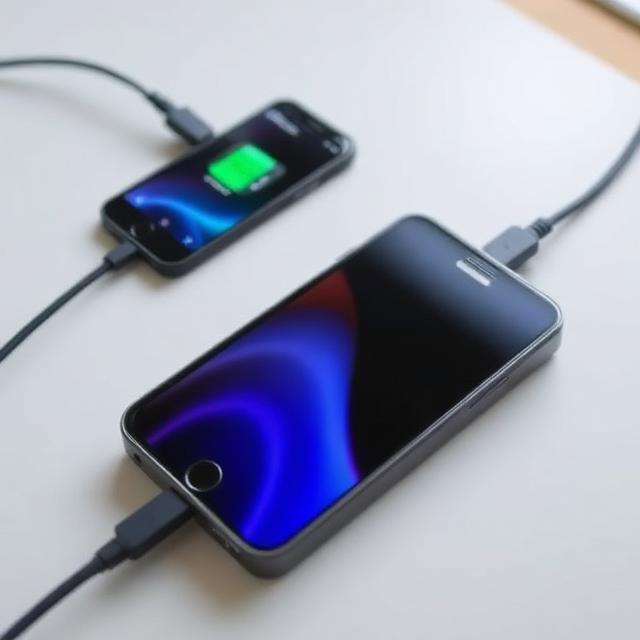
Demystifying Wireless Charging: An In-Depth Look at Automated Systems
As a technology enthusiast and professional, I have always been fascinated by the seamless convenience that wireless charging technology offers. The ability to power devices without plugging in cables represents a significant leap forward in how we interact with our electronics. In this comprehensive guide, I will explore the intricacies of automated systems that enable wire-free power transfer, from their underlying principles to their real-world applications and future potential. Whether you are a consumer curious about how your smartphone charges on a pad or an engineer designing next-generation systems, this article provides valuable insights into the evolving landscape of wireless power.
How Does Wireless Charging Work?
Wireless charging technology operates on the principle of electromagnetic induction, which allows energy to be transferred between two objects through an electromagnetic field. When you place a compatible device on a charging pad, an alternating current passes through a transmitter coil in the pad, creating a magnetic field. This field induces a current in a receiver coil located inside the device, which is then converted into direct current to charge the battery. The entire process is managed by sophisticated control systems that regulate power flow to ensure efficiency and safety.
Suggested read: The Leading Figures Driving the Evolution of Automated Charging Systems
One of the most common standards for this technology is Qi, developed by the Wireless Power Consortium, which is used in millions of smartphones and accessories worldwide. Unlike traditional wired charging, which requires physical connectors, wireless power transfer eliminates wear and tear on ports and reduces clutter. However, it is essential to note that efficiency can vary based on alignment and distance; most systems require close proximity, typically a few millimeters, for optimal performance. Advanced systems are incorporating resonance-based techniques to allow for greater spatial freedom.
In automatic charging systems, sensors and microcontrollers play a crucial role by detecting the presence of a device, initiating the charge cycle, and monitoring parameters such as temperature and battery level to prevent overcharging. For example, many modern electric vehicle chargers use these automated features to provide hands-free operation, enhancing user convenience. As this technology continues to evolve, we are seeing integration with IoT devices, enabling smart homes and offices where charging happens seamlessly in the background without user intervention.
Electromagnetic Induction vs. Magnetic Resonance
While electromagnetic induction is the most widely adopted method, magnetic resonance offers distinct advantages for certain applications. Induction requires precise alignment between coils and is highly efficient over very short distances, making it ideal for consumer electronics like phones and wearables. Magnetic resonance, on the other hand, can transfer power over several centimeters and through obstacles like tables or countertops, though at a slightly reduced efficiency. This makes it suitable for applications such as charging electric vehicles or medical implants, where flexibility in placement is critical.
Research institutions and companies are continuously refining these techniques to improve efficiency and range. For instance, the use of higher frequencies and optimized coil designs can enhance energy transfer rates. In my analysis, the choice between induction and resonance depends on the specific use case: induction for high efficiency in close proximity, resonance for greater spatial freedom. Both methods are integral to the broader ecosystem of wireless charging technology, each serving different needs within automated systems.
History and Evolution of Wireless Power Transfer
The concept of wireless power transfer is not new; it dates back to the late 19th century when Nikola Tesla demonstrated the possibility of transmitting electricity through the air using his Tesla coils. Tesla’s visionary experiments laid the groundwork for modern wireless charging technology, though practical applications were limited by technological constraints of the time. It wasn’t until the early 21st century that advancements in electronics and materials science made commercial wireless charging feasible, leading to the development of standards like Qi.
Suggested read: A Step-by-Step Guide to Creating Your Own Automated Charging Point
In the 2000s, companies began integrating wireless charging into consumer products, starting with electric toothbrushes and later expanding to smartphones with the introduction of the Palm Pre in 2009. The formation of the Wireless Power Consortium in 2008 standardized Qi charging, which accelerated adoption across the industry. Over the past decade, we have seen rapid evolution in automatic charging systems, with improvements in efficiency, power output, and integration into diverse environments, from furniture to vehicles.
Today, wireless power transfer is expanding beyond consumer electronics into industrial and automotive sectors. For example, the development of dynamic charging for electric vehicles, where power is transferred while the vehicle is in motion, represents a significant milestone. This evolution is driven by ongoing research in areas like beamforming and radio frequency energy harvesting, which promise to enable truly cord-free environments in the future. The history of this technology illustrates a century-long journey from theoretical concept to practical, everyday utility.
Key Components of Automatic Charging Systems
Automatic charging systems consist of several integral components that work together to enable efficient and safe wireless power transfer. The transmitter unit, often embedded in a charging pad or station, includes a power converter, transmitter coil, and control circuitry. The power converter takes AC input from a wall outlet and converts it to high-frequency AC, which drives the transmitter coil to generate the electromagnetic field. The control circuitry monitors the system, adjusting parameters in real-time to optimize performance.
The receiver, integrated into the device being charged, comprises a receiver coil, rectifier, and regulation circuit. The coil captures the electromagnetic energy, the rectifier converts AC to DC, and the regulation circuit manages the power delivered to the battery. In advanced automatic charging systems, communication modules enable bidirectional data exchange between transmitter and receiver, allowing for features like foreign object detection, which halts charging if a non-compatible item is placed on the pad, preventing energy waste and potential hazards.
Additional components such as thermal sensors, alignment aids like magnets or guides, and software algorithms further enhance functionality. For instance, many systems use feedback mechanisms to maintain optimal charging efficiency even as battery levels change. In high-power applications, such as electric vehicle chargers, cooling systems may be incorporated to dissipate heat generated during operation. These components collectively ensure that wireless charging technology is not only convenient but also reliable and adaptable to various use cases.
Role of Software and Control Systems
Software plays a pivotal role in modern automatic charging systems, enabling intelligence and automation that go beyond basic power transfer. Control algorithms manage the charging process by continuously adjusting voltage, current, and frequency based on real-time feedback from the receiver. This ensures maximum efficiency and protects the battery from issues like overcharging or overheating, which can degrade its lifespan. In systems supporting multiple devices, software coordinates power distribution to prioritize charging based on battery levels or user preferences.
Suggested read: Key Hurdles in Implementing Automated Charging Solutions
Integration with broader ecosystems, such as smart home platforms, allows for automated scheduling and energy management. For example, a wireless charger might be programmed to operate during off-peak electricity hours to reduce costs, or to pause charging when the device reaches full capacity. These features highlight how wireless charging technology is evolving into a seamless, user-centric experience, driven by sophisticated software that makes automated systems both efficient and intuitive.
Benefits of Wireless Charging Technology
Wireless charging technology offers numerous advantages that make it an attractive alternative to traditional wired methods. Convenience is perhaps the most apparent benefit; users can simply place their device on a charging surface without fumbling with cables, reducing wear on physical connectors and minimizing clutter associated with multiple cords. This is particularly valuable in public spaces, offices, and homes where multiple devices need charging, as it simplifies the user experience and enhances accessibility.
Durability and safety are also significant benefits. By eliminating physical ports, wireless charging reduces the risk of damage from repeated plugging and unplugging, which can lead to connector failure over time. Additionally, modern systems incorporate safety features such as foreign object detection and thermal monitoring, which prevent accidents and ensure safe operation. From an environmental perspective, the longevity of devices may be extended, reducing electronic waste, and the efficiency of newer systems helps conserve energy.
In industrial and automotive applications, automatic charging systems enable new possibilities, such as autonomous robots that can recharge without human intervention, or electric vehicles that charge while parked over a pad. This automation not only improves efficiency but also supports the adoption of sustainable technologies by making them more user-friendly. As wireless power transfer becomes more integrated into daily life, these benefits will continue to drive innovation and adoption across various sectors.
Challenges and Solutions in Implementing Automated Charging
Despite its advantages, implementing wireless charging technology presents several challenges that must be addressed for widespread adoption. Efficiency remains a primary concern; energy loss during transfer can be higher than with wired methods, especially over longer distances or with misaligned coils. This can lead to slower charging times and increased energy consumption. To mitigate this, researchers are developing more efficient coil designs, higher frequency operation, and adaptive tuning systems that optimize performance in real-time.
Suggested read: Discover the Key Advantages of Automated Charging Solutions
Interoperability is another hurdle, as different standards and proprietary systems emerge, ensuring that devices and chargers from various manufacturers work together seamlessly is crucial. Organizations like the Wireless Power Consortium and AirFuel Alliance are working to establish universal standards, but fragmentation still exists. Solutions include multi-standard receivers and adaptive transmitters that can detect and adjust to different protocols, providing a consistent user experience across devices.
Cost and infrastructure deployment also pose challenges, particularly for high-power applications like electric vehicle charging. Installing wireless charging infrastructure requires significant investment and integration with existing power grids. However, advancements in manufacturing are reducing costs, and pilot projects demonstrate the feasibility of large-scale deployment. For example, cities are experimenting with wireless charging lanes for public transportation, showcasing how these challenges are being overcome through innovation and collaboration.
Addressing Thermal Management and Safety
Thermal management is a critical aspect of wireless charging technology, as energy loss during transfer can generate heat, potentially damaging components or reducing efficiency. In automatic charging systems, thermal sensors and cooling mechanisms, such as heat sinks or fans, are used to dissipate excess heat. Software algorithms can also reduce power output if temperatures rise beyond safe limits, ensuring operational safety. These measures are essential for maintaining reliability, especially in high-power applications like electric vehicle chargers.
Safety concerns, such as exposure to electromagnetic fields, are addressed through compliance with international standards and regulations. Systems are designed to operate within safe limits for human exposure, and shielding techniques minimize leakage. Continuous monitoring and failsafe mechanisms further enhance safety, making wireless charging technology a secure option for everyday use. As the technology evolves, ongoing research focuses on improving these aspects to support broader adoption.
Comparing Different Wireless Charging Systems
Various wireless charging systems are available today, each with distinct characteristics suited to different applications. The Qi standard, based on inductive charging, is the most prevalent in consumer electronics, offering efficiencies of around 70-80% at close range. It is widely supported by smartphones, wearables, and accessories, making it a versatile choice for everyday use. In contrast, resonance-based systems, such as those promoted by the AirFuel Alliance, allow for greater spatial freedom, enabling charging through surfaces and over distances of up to several centimeters, though with slightly lower efficiency.
Suggested read: The Ultimate Manual for Advancing Automatic Charging Systems
For high-power applications, such as electric vehicles, systems like SAE J2954 define standards for wireless power transfer at power levels up to 11 kW, with efficiencies exceeding 90% when properly aligned. These systems often incorporate automated alignment features and bidirectional communication to optimize performance. In industrial settings, customized solutions may be used for specific needs, such as charging autonomous equipment in harsh environments. Comparing these systems highlights the trade-offs between efficiency, range, and cost, guiding users to choose the right technology for their requirements.
Emer