Industry Leaders Automated Charging: The Visionaries Reshaping Our Power Future
As a technology analyst with over a decade of experience in energy and automation sectors, I have witnessed firsthand the transformative automated charging systems have become. The evolution from manual plug-in methods to intelligent, hands-free power solutions represents one of the most significant advancements in modern technology. This progress is not accidental; it is driven by a cadre of innovative industry leaders in automated charging who combine engineering excellence with visionary market strategies. In this article, I explore the key figures and companies at the forefront, the technologies they champion, and the market dynamics they influence. Their work is setting new standards for efficiency, convenience, and sustainability in how we power our devices and vehicles.
Key Innovations in Automated Charging Systems
The landscape of automated charging has been revolutionized by several groundbreaking innovations introduced by top-tier companies and research institutions. One of the most impactful has been the development of dynamic wireless charging, which allows electric vehicles to charge while in motion through embedded road infrastructure. This technology eliminates range anxiety and could fundamentally change long-distance travel for EVs. Companies like Plugless Power have been pioneers in static wireless charging pads, but the real game-changer is the move toward dynamic systems being tested on highways in Sweden and Israel.
Another critical innovation is the integration of artificial intelligence and machine learning into charging management systems. AI algorithms optimize charging schedules based on user behavior, grid demand, and renewable energy availability, reducing electricity costs and minimizing carbon footprints. For instance, systems can now predict when a user will need a fully charged device or vehicle and execute charging during off-peak hours automatically. This not only saves money but also supports grid stability, a crucial factor as renewable sources like solar and wind become more prevalent.
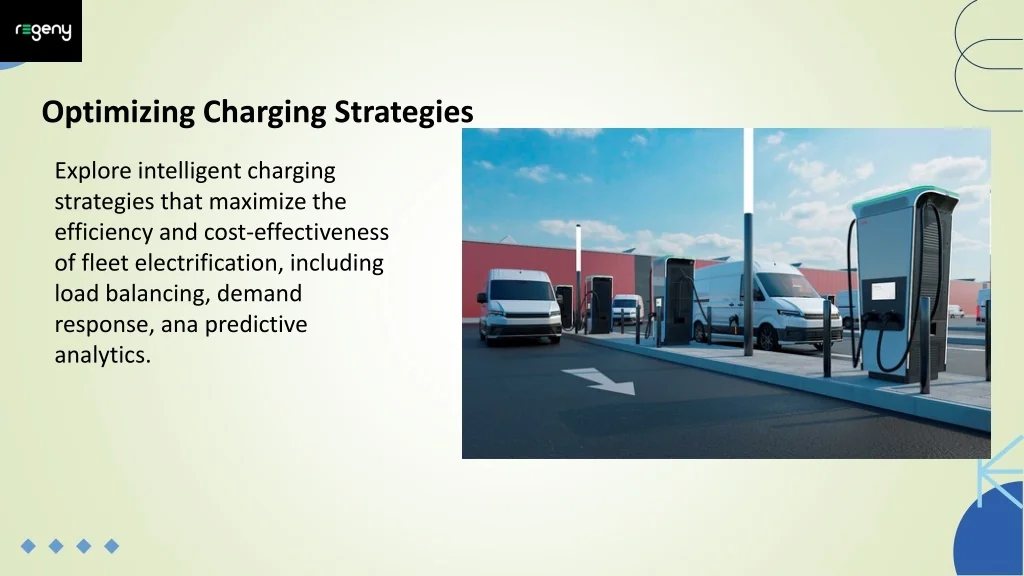
Furthermore, robotic charging solutions represent a leap forward in automation. These systems use computer vision and precision robotics to locate charging ports and connect plugs without human intervention. Companies such as Tesla with their Snake Charger prototype and startups like Rocsys are developing robotic arms that can service multiple vehicle models. This technology is particularly valuable in commercial settings like fleet depots and public charging stations, where speed and reliability are paramount. The reduction in human error and increase in efficiency make robotic charging a cornerstone of future infrastructure.
Breakthroughs in Energy Transfer Efficiency
Efficiency in energy transfer has always been a challenge for wireless and automated systems, but recent advancements have made significant strides. Resonant inductive coupling technologies have improved to achieve efficiencies above 90%, rivaling traditional wired methods. Research institutions and industry leaders are continuously refining coil designs, materials, and control systems to minimize energy loss. For example, the use of gallium nitride (GaN) semiconductors in chargers reduces heat generation and allows for higher power transfer rates in smaller form factors.
Additionally, bidirectional charging capabilities are emerging as a key innovation, enabling vehicles to not only draw power but also supply it back to the grid or a home. This vehicle-to-grid (V2G) technology turns EVs into mobile energy storage units, providing backup power during outages and helping balance grid loads. Companies like Nissan with their Leaf model and technology partners are at the forefront of implementing V2G systems, which enhance the value proposition of automated charging by integrating it into broader energy ecosystems.
Market Trends and Forecasts for Automatic Charging Technology
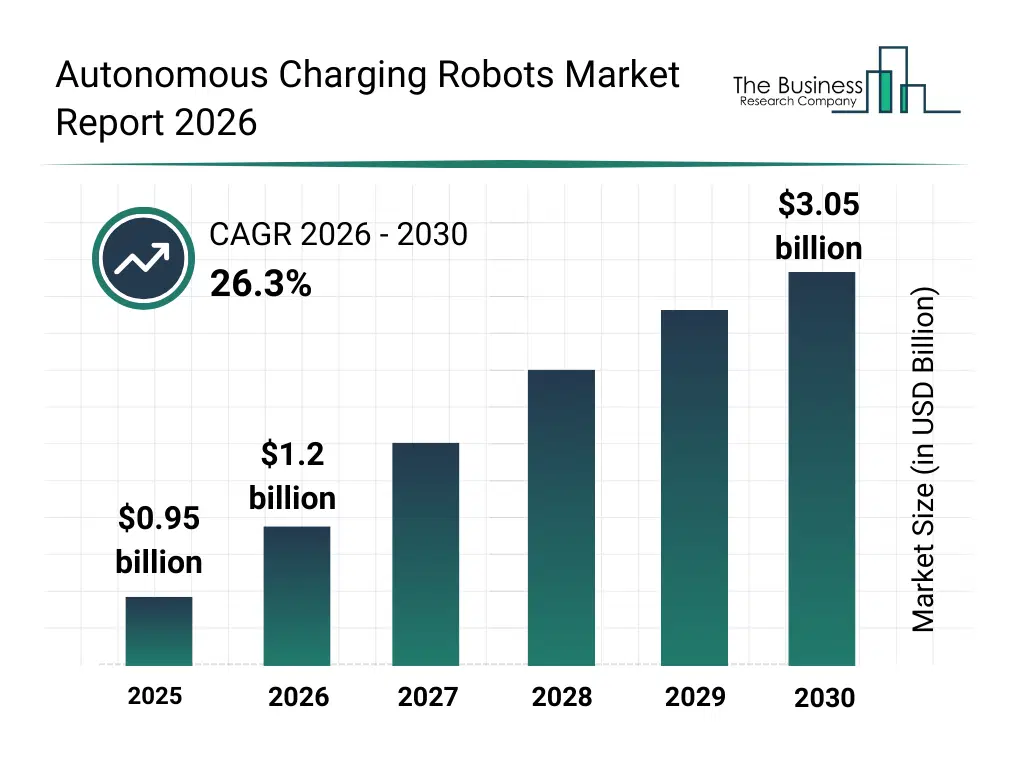
The market for automatic charging technology is experiencing exponential growth, driven by the rapid adoption of electric vehicles, smart devices, and IoT applications. According to recent market analyses, the global wireless charging market is projected to reach over $40 billion by 2030, with a compound annual growth rate (CAGR) of approximately 22%. This growth is fueled by increasing consumer demand for convenience and the push toward sustainable energy solutions. The automotive sector, in particular, is a major contributor, as nearly all new EV models now offer or plan to offer some form of automated charging capability.
Another significant market trend is the expansion into industrial and public infrastructure applications. Airports, shopping malls, and smart cities are integrating wireless charging pads into their facilities to enhance user experience and promote sustainability. For example, some airports have installed charging spots in waiting areas and parking lots, allowing travelers to power their devices effortlessly. In the industrial realm, automated charging is being used for autonomous robots and drones, enabling continuous operation without manual intervention, which boosts productivity and reduces downtime.
Consumer electronics continue to be a strong driver of adoption, with smartphones, wearables, and laptops increasingly featuring wireless charging as a standard option. The Qi standard, maintained by the Wireless Power Consortium, has become ubiquitous, ensuring compatibility across a wide range of devices. Market forecasts indicate that by 2025, over 70% of premium smartphones will support some form of wireless charging, up from around 40% in 2023. This proliferation in consumer goods normalizes the technology and creates a foundation for more advanced applications in other sectors.
Regional Market Dynamics
Market trends vary significantly by region, influenced by government policies, infrastructure development, and consumer adoption rates. North America and Europe are leading in the deployment of automated charging for electric vehicles, thanks to supportive regulations and high EV penetration. Asia-Pacific, particularly China and South Korea, dominates in consumer electronics charging due to their strong tech manufacturing bases. However, emerging economies are catching up rapidly, with investments in smart city projects that include automated charging infrastructure as a core component.
Suggested read: Discover the Key Advantages of Automated Charging Solutions
The competitive landscape is also evolving, with both established corporations and agile startups vying for market share. Companies like Qualcomm, Bosch, and Siemens are leveraging their expertise in electronics and automation to develop integrated solutions, while newcomers focus on niche applications such as underwater charging or extreme environment compatibility. Partnerships between automakers, tech firms, and energy providers are becoming common, accelerating innovation and market expansion through collaborative efforts.
Analysis of Industry Influencers Driving Innovation
Innovation in automatic charging technology is propelled by a diverse group of industry influencers, including corporate leaders, researchers, and visionary entrepreneurs. Elon Musk and Tesla have been instrumental in popularizing automated solutions through their Supercharger network and advancements in autonomous docking. Their work has set a high bar for convenience and speed, pushing competitors to accelerate their own development cycles. Similarly, companies like WiTricity, founded based on research from MIT, have pioneered highly efficient wireless power transfer systems that are now being licensed to automakers worldwide.
Academic and research institutions play a crucial role as well, with universities such as Stanford and the University of Tokyo conducting cutting-edge studies on energy efficiency and new materials. Their findings often trickle down into commercial products through partnerships and spin-off companies. For instance, research on metamaterials has led to breakthroughs in extending the range and efficiency of wireless charging, making it viable for more applications. These collaborations between academia and industry ensure that theoretical advancements are quickly translated into practical solutions.
Moreover, industry consortia and standards bodies are key influencers in shaping the direction of automatic charging technology. Organizations like the Wireless Power Consortium (WPC) and the CharIN (Charging Interface Initiative) work to establish universal standards that ensure interoperability and safety. Their efforts prevent market fragmentation and encourage widespread adoption by providing clear guidelines for manufacturers. By bringing together stakeholders from across the ecosystem, these groups facilitate the consensus needed to drive the industry forward cohesively.
Profiles of Leading Innovators
Several individuals stand out for their contributions to the field. Dr. Meredith Perry, founder of uBeam, has championed the concept of over-the-air ultrasound charging, which could eventually enable charging without any physical contact or proximity to a pad. Although still in development, her work challenges conventional limits and inspires new thinking. Another notable figure is Dr. John Boys, a professor whose research on inductive power transfer laid the groundwork for modern wireless charging systems. His patents and publications have been foundational for many commercial products available today.
On the corporate side, executives like Christina Lampe-Onnerud of Cadenza Innovation are driving advancements in battery technology that complement automated charging systems. Her work on high-performance, safe batteries ensures that the power storage side keeps pace with charging innovations, enabling faster and more reliable energy delivery. These influencers, among others, create a synergistic effect where progress in one area catalyzes improvements across