Exploring the Latest Market Trends in Automatic Charging Technologies for 2026
As we approach 2026, the landscape of automatic charging technologies is evolving at an unprecedented pace, driven by innovation and growing consumer demand. I have closely monitored these developments and am excited to share insights into the key trends shaping this dynamic market. From wireless power transfer advancements to AI-driven optimization, automatic charging solutions are becoming more efficient, sustainable, and user-centric. This article delves into the core innovations, market projections, and strategic implications for businesses and consumers alike, offering a comprehensive overview of what to expect in the near future.
Key Innovations Driving Market Trends
Innovation serves as the backbone of progress in automatic charging technologies, with several breakthroughs setting the stage for 2026. One of the most significant advancements is in wireless charging efficiency, where companies are achieving higher power transfer rates with minimal energy loss. For instance, recent developments in resonant inductive coupling have enabled charging over greater distances, reducing the need for precise alignment between devices and charging pads. This not only enhances user convenience but also opens up new applications in public spaces and automotive sectors.
Another pivotal innovation is the integration of artificial intelligence and machine learning into charging systems. AI algorithms can now predict usage patterns, optimize charging cycles to extend battery lifespan, and even manage energy distribution across multiple devices dynamically. In smart homes, this means your charging station can prioritize devices based on your schedule, reducing energy waste and costs. These intelligent systems are becoming more accessible, with companies like Tesla and Samsung leading the charge in consumer electronics and electric vehicles.
Furthermore, the miniaturization of components has allowed for more compact and powerful charging solutions. Advances in semiconductor technology, particularly gallium nitride (GaN) transistors, have enabled smaller, faster chargers that support higher wattages without overheating. This trend is crucial for portable electronics and IoT devices, where space and efficiency are paramount. As these innovations converge, they create a robust foundation for the expanding market trends in automatic charging, pushing boundaries beyond traditional plug-in methods.
Enhanced Connectivity and IoT Integration
The Internet of Things (IoT) is revolutionizing automatic charging systems by enabling seamless communication between devices and infrastructure. Smart charging networks can now coordinate energy demands across entire ecosystems, from electric vehicle fleets to home appliances. For example, a connected charging station can receive real-time data on grid load and adjust its operation to avoid peak hours, contributing to overall energy stability. This level of integration not only efficient but also paves the way for smarter cities and sustainable living.
Emerging Technologies in Automatic Charging
Looking ahead to 2026, several emerging technologies are poised to redefine automatic charging solutions. Ultrafast wireless charging, capable of delivering full power in minutes rather than hours, is gaining traction through research in technologies like microwave and laser-based charging. These methods, though still in experimental stages, promise to eliminate one of the biggest pain points for users: long wait times. Companies such as Energous are developing systems that can charge devices over the air within a room, offering unparalleled convenience.
Another exciting development is the advent of energy harvesting integrated into charging systems. Technologies that capture ambient energy from sources like solar, thermal differences, or even radio frequencies are being combined with automatic charging to create self-sustaining devices. For instance, smartwatches that recharge using body heat or light exposure reduce dependency on external power sources. This not only aligns with sustainability goals but also enhances usability in remote or off-grid scenarios, broadening the market appeal.
Additionally, bidirectional charging is emerging as a game-changer, particularly in the electric vehicle sector. This technology allows EVs to not only draw power but also feed it back into the grid or power homes during outages. With vehicle-to-grid (V2G) systems, automatic charging becomes a two-way street, supporting energy resilience and smart grid management. As standards evolve and infrastructure expands, this technology will play a critical role in the 2026 market trends, offering both economic and environmental benefits.
Advancements in Material Science
Material science innovations are crucial for next-generation automatic charging technologies. The development of new nanomaterials, such as graphene-based batteries and supercapacitors, enables faster charging times and higher energy densities. These materials also improve heat dissipation, addressing safety concerns associated with high-power charging. Research institutions and companies are investing heavily in this area, anticipating that these advancements will lower costs and improve performance across various applications.
Suggested read: The Ultimate Manual for Advancing Automatic Charging Systems
Impact of Consumer Preferences on Charging Solutions
Consumer preferences are increasingly shaping the direction of automatic charging solutions, with demands for convenience, speed, and eco-friendliness driving innovation. Today’s users expect seamless experiences, where charging is automatic and requires minimal intervention. This has led to the proliferation of wireless charging pads in homes, offices, and public venues, reducing the clutter of cables and adapters. As we move toward 2026, this preference for hassle-free solutions will continue to influence product designs and market offerings.
Environmental consciousness is another major factor impacting consumer choices. More people are prioritizing sustainability, opting for charging technologies that minimize energy waste and utilize renewable sources. This shift is evident in the growing adoption of solar-powered chargers and energy-efficient systems that align with green lifestyles. Manufacturers are incorporating recyclable materials and designing for longevity to meet these expectations, thereby fostering a market where eco-friendly automatic charging solutions are not just niche but mainstream.
Moreover, the desire for interoperability and universal standards is pushing the industry toward greater compatibility. Consumers want charging systems that work across multiple devices and brands, avoiding the frustration of proprietary connectors. Initiatives like the Qi wireless standard have made strides, but further unification is needed. As feedback from users highlights these pain points, companies are responding with more adaptable and user-centric designs, ensuring that market trends in automatic charging reflect real-world needs and preferences.
Demand for Personalized Experiences
Personalization is becoming a key differentiator in automatic charging technologies. Users seek systems that learn their habits and preferences, offering tailored charging schedules and notifications. Smart algorithms can adjust charging based on individual usage patterns, such as prioritizing a phone charge before a morning alarm. This level of customization enhances user satisfaction and loyalty, driving adoption of advanced solutions that go beyond basic functionality.
Market Analysis: 2026 Projections
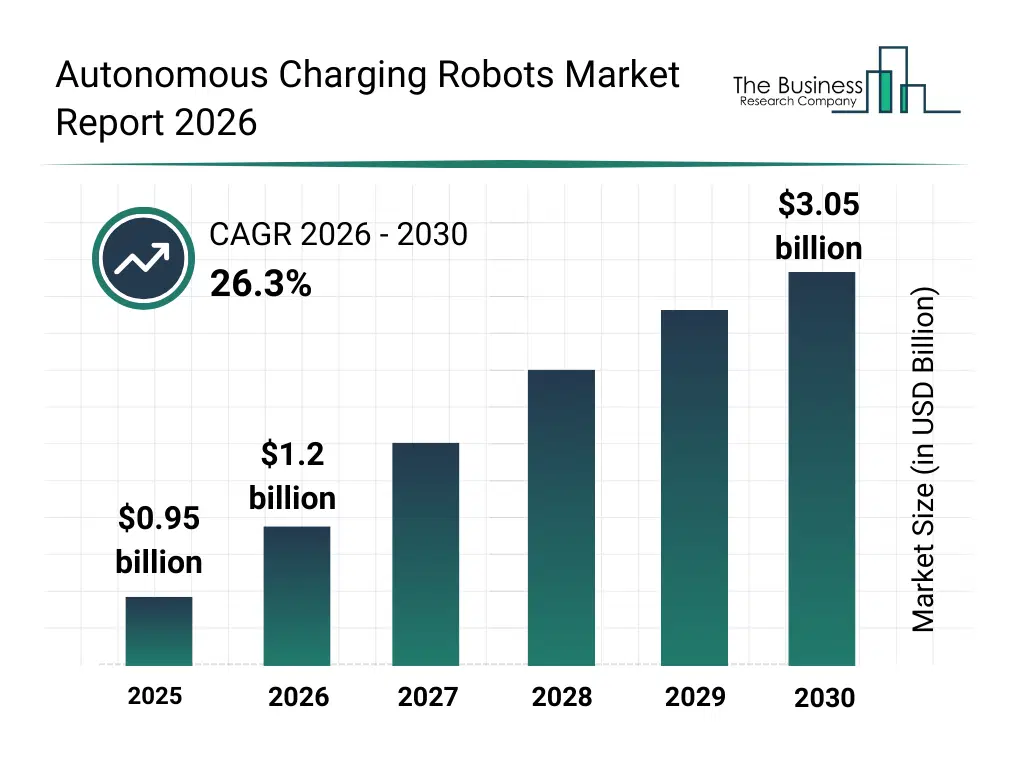
The market for automatic charging technologies is projected to experience robust growth by 2026, with estimates indicating a compound annual growth rate (CAGR) of over 15% from 2023 onwards. This expansion is fueled by increasing adoption across sectors such as consumer electronics, automotive, and healthcare. In consumer electronics, the proliferation of devices like smartphones, wearables, and laptops necessitates efficient charging solutions, driving demand for innovative products that offer speed and convenience.
In the automotive industry, the shift toward electric vehicles (EVs) is a major catalyst for market trends in automatic charging. Wireless EV pads and automated robotic chargers are expected to become more prevalent, reducing the need for human interaction and enhancing the user experience. Projections suggest that by 2026, over 30% of new public charging stations will incorporate automatic features, supported by investments from companies like ChargePoint and Tesla. This growth is not limited to developed markets; emerging economies are also adopting these technologies as infrastructure improves.
Furthermore, the healthcare sector presents significant opportunities, with automatic charging enabling continuous operation of medical devices such as portable monitors and implantable gadgets. Reliability and safety are paramount here, leading to stringent standards that drive innovation. Overall, the 2026 market landscape will be characterized by diversification and integration, with automatic charging solutions becoming embedded in everyday life across multiple industries.
Regional Growth Variations
Growth will vary by region, with North America and Asia-Pacific leading in adoption due to technological advancements and supportive policies. Europe is also a key player, driven by strong environmental regulations and high EV penetration. In contrast, regions with developing infrastructure may see slower uptake but offer long-term potential as investments increase.
Role of Sustainability in Automatic Charging
Sustainability is increasingly central to the development and adoption of automatic charging technologies. As global attention focuses on reducing carbon footprints, charging solutions that prioritize energy efficiency and renewable integration are gaining prominence. For example, solar-assisted charging stations harness sunlight to power devices, reducing reliance on fossil fuels and lowering operational costs. This not only benefits the environment but also appeals to eco-conscious consumers and businesses aiming for green certifications.
Moreover, the design of automatic charging systems is evolving to minimize electronic waste. Modular designs allow for easy repairs and upgrades, extending product lifecycles and reducing landfill contributions. Companies are also adopting circular economy principles, using recycled materials in manufacturing and offering take-back programs for old devices. These practices align with broader sustainability goals and enhance brand reputation, making them a key aspect of market trends in automatic charging for 2026.
Energy management is another critical area where sustainability plays a role. Smart charging systems can optimize power usage by charging during off-peak hours or when renewable energy is abundant, thus reducing strain on the grid and lowering emissions. In large-scale applications, such as fleet charging for electric vehicles, this can lead to significant environmental benefits. As regulations tighten and consumer awareness grows, sustainability will remain a driving force behind innovation and adoption in this market.
Suggested read: Anticipating the Evolution of SP+Aff Charge: Trends for 2026
Lifecycle Assessment and Carbon Neutrality
Lifecycle assessments are becoming standard practice for evaluating the environmental impact of automatic charging products. Companies are striving for carbon neutrality by offsetting emissions through reforestation or renewable energy investments. This comprehensive approach ensures that sustainability is embedded from production to disposal, meeting the expectations of a increasingly informed market.
Regulatory Influences on Charging Technology
Regulatory frameworks are shaping the trajectory of automatic charging technologies, with governments worldwide implementing policies to promote adoption and ensure safety. In many regions, standards for interoperability and efficiency are being mandated to prevent market fragmentation and protect consumers. For instance, the European Union’s directives on common chargers aim to reduce e-waste by requiring USB-C ports for certain devices, influencing how automatic charging solutions are designed and deployed.
Safety regulations are also critical, particularly for high-power applications like electric vehicle charging. Organizations such as Underwriters Laboratories (UL) and the International Electrotechnical Commission (IEC) set guidelines to prevent hazards like overheating or electrical faults. Compliance with these standards is essential for market entry, driving manufacturers to invest in robust testing and quality assurance. As technologies advance, regulators are updating rules to address new risks, ensuring that innovation does not compromise user safety.
Furthermore, incentives and subsidies play a significant role in accelerating adoption. Tax credits for installing automatic charging stations, especially those using renewable energy, encourage businesses and consumers to invest in these solutions. Policies supporting infrastructure development, such as grants for public charging networks, help create an enabling environment for growth. By 2026, we can expect more cohesive regulatory landscapes that facilitate the seamless integration of automatic charging into daily life.
Global Harmonization Efforts
Efforts to harmonize regulations across borders are gaining momentum, reducing barriers for manufacturers and promoting global trade. Initiatives like the Worldwide Harmonized Light Vehicles Test Procedure (WLTP) for EVs include charging efficiency standards, fostering consistency and trust in automatic charging solutions worldwide.
Future Prospects and Industry Growth
The future prospects for automatic charging technologies are exceedingly bright, with industry growth expected to accelerate through 2026 and beyond. As