Charge Air Cooler System: Enhancing Engine Performance and Efficiency
The charge air cooler system plays a pivotal role in optimizing internal combustion engine performance and fuel efficiency. By cooling the compressed air before it enters the engine’s combustion chamber, this system allows for denser air intake, leading to improved power output and reduced emissions. For automotive engineers, mechanics, and enthusiasts alike, understanding how this system operates, choosing the best materials, and following proper installation and maintenance procedures can significantly extend engine life and maximize performance. This article delves into the intricate workings of charge air cooler systems, highlighting technological advancements, practical guidelines, and real-world benefits for modern engines.
Understanding the Charge Air Cooler System and Its Components
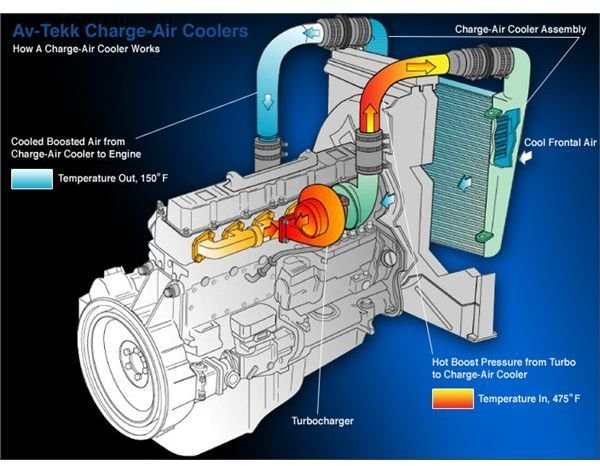
The charge air cooler system, often referred to as an intercooler in turbocharged or supercharged engines, is designed to lower the temperature of compressed air before it enters the combustion chamber. When air is compressed by a turbocharger or supercharger, its temperature rises, reducing its density. This decrease in density limits the amount of oxygen available for combustion, which directly impacts engine efficiency and power output.
The core components of a charge air cooler system include:
- Compressor Outlet: The point where compressed air exits the turbocharger or supercharger and enters the cooler.
- Cooling Core: The main body of the cooler where heat exchange occurs. This is typically a heat exchanger with fins and tubes designed to maximize surface area.
- Air Inlet and Outlet Pipes: These direct air flow through the system, ensuring cooled air reaches the intake manifold.
- Cooling Medium: Most charge air coolers use ambient air (air-to-air), while some utilize coolant fluids (air-to-water) to absorb heat.
Air-to-air intercoolers are the most common due to their simplicity and reliability. They use the vehicle’s forward motion to force ambient air through the cooler’s fins, dissipating heat from the compressed air. Conversely, air-to-water systems circulate coolant through the core, offering faster cooling but at a higher complexity and cost.
Understanding these components helps in appreciating how the charge air cooler system integrates with the engine’s forced induction setup, contributing to overall performance enhancements.
How Charge Air Cooler System Improves Engine Performance
The primary function of a charge air cooler system is to increase the density of air entering the engine, which significantly affects combustion efficiency. Cooler air molecules are denser, allowing more oxygen to enter the combustion chamber. This results in several performance benefits:
- Increased Power Output: Denser air allows for a larger fuel injection, generating higher combustion pressure and more power.
- Reduced Engine Knock: Lower intake air temperatures decrease the likelihood of premature detonation, protecting engine components.
- Improved Throttle Response: Cooler air supports more efficient combustion cycles, enabling quicker acceleration.
- Enhanced Turbocharger Efficiency: By reducing the temperature of the compressed air, the turbocharger operates under less thermal stress, improving its longevity.
Empirical data from performance tests show that engines equipped with high-efficiency charge air cooler systems can experience power gains of up to 10-15% compared to non-cooled setups. For instance, a turbocharged diesel engine with a charge air cooler can maintain optimal boost pressures without risking heat-related damage, translating into sustained performance during prolonged high-load conditions.
Furthermore, the system optimizes combustion by ensuring the air-fuel mixture remains within ideal temperature ranges, which is crucial for meeting stringent emissions regulations. This balance between performance and environmental compliance underscores the value of the charge air cooler system in modern engine design.
Best Materials for Charge Air Cooler System Construction
Material selection is critical for charge air coolers to withstand high temperatures, pressure variations, and corrosive environments while maintaining optimal thermal conductivity. The following materials are widely considered the best for manufacturing charge air cooler systems:
- Aluminum: Known for its excellent thermal conductivity, lightweight nature, and resistance to corrosion, aluminum is the most common material used in charge air cooler cores and end tanks. It facilitates rapid heat dissipation, which is crucial for efficiency.
- Copper: Copper offers superior thermal conductivity compared to aluminum but is heavier and more expensive. It is sometimes used in specialized or high-performance applications where maximum heat transfer is required.
- Stainless Steel: Primarily used for piping and brackets due to its strength and corrosion resistance. However, its lower thermal conductivity compared to aluminum limits its use in heat exchange surfaces.
- Plastic Composites: Some end tanks and housings incorporate high-temperature resistant plastics to reduce weight and cost while maintaining durability.
The table below compares these materials based on key attributes relevant to charge air cooler applications:
Suggested read: LiFePO4 Battery Charger: Expert Buying Insights and Performance Optimization
| Material | Thermal Conductivity (W/m·K) | Weight | Corrosion Resistance | Cost |
|---|---|---|---|---|
| Aluminum | 205 | Lightweight | High | Moderate |
| Copper | 385 | Heavy | Moderate | High |
| Stainless Steel | 16 | Heavy | Very High | Moderate |
| Plastic Composites | Varies (Low) | Very Lightweight | High | Low |
Aluminum remains the preferred choice for most charge air cooler systems due to its balance of performance, durability, and cost-effectiveness. Its ability to form intricate fin designs enhances airflow and heat dissipation, making it ideal for both air-to-air and air-to-water coolers.
Charge Air Cooler System Installation Guide
Proper installation of the charge air cooler system is essential to maximize its benefits and prevent issues such as leaks, pressure drops, or inefficient cooling. The following steps outline a professional approach for installing a charge air cooler system:
- Preparation and Inspection: Verify compatibility of the cooler with the engine setup, inspect all components for damage, and ensure the mounting area is clean.
- Mounting the Cooler: Position the cooler in a location with optimal airflow, typically at the front of the vehicle, and secure it using appropriate brackets and vibration isolators to prevent stress on the piping.
- Connecting Inlet and Outlet Pipes: Use high-quality silicone hoses or metal piping rated for high pressure and temperature. Ensure all clamps are tightened securely to prevent leaks.
- Routing and Securing Hoses: Avoid sharp bends, kinks, or contact with hot engine parts. Use clamps and brackets to secure hoses and prevent movement during engine operation.
- Pressure Testing: Conduct a pressure test to verify there are no leaks in the system. This step is critical to maintain boost pressure and engine performance.
- Final Checks: Inspect all connections, verify airflow around the cooler, and ensure no obstructions reduce cooling efficiency.
Special Considerations for Air-to-Water Systems
When installing air-to-water charge air coolers, additional steps include connecting the coolant lines to the engine’s cooling system and ensuring proper coolant flow and temperature regulation. It is crucial to use high-quality coolant fluids and monitor for potential leaks or blockages in the water circuit.
Following these guidelines minimizes installation errors that could compromise the system’s effectiveness and longevity.
Charge Air Cooler System Maintenance Tips
Maintaining a charge air cooler system ensures consistent engine performance and prolongs component lifespan. Routine care includes the following key practices:
- Regular Cleaning: Remove debris, dirt, and oil residue from the cooler fins using compressed air or gentle water sprays to maintain optimal airflow and heat exchange.
- Inspect for Leaks: Periodically check hoses, clamps, and the cooler body for signs of leaks or cracks, particularly at connection points.
- Monitor Temperature Differential: Track the temperature difference between compressed air inlet and outlet. A significant decrease in differential may indicate clogging or reduced cooling performance.
- Check Mounting Hardware: Ensure brackets and fasteners remain secure and free from corrosion or damage.
- Replace Worn Components: Replace hoses, seals, or clamps showing wear or brittleness to prevent air pressure loss and contamination.
For air-to-water systems, it is also essential to:
- Flush and replace coolant fluid according to manufacturer recommendations.
- Inspect coolant pumps and thermostats for proper operation.
Adhering to these maintenance tips can prevent common failures such as reduced cooling capacity, boost leaks, or overheating, thereby maintaining engine efficiency.
Impact of Charge Air Cooler System on Fuel Efficiency
The charge air cooler system contributes directly to fuel efficiency by optimizing combustion conditions. Cooler, denser air allows the engine to burn fuel more completely, reducing unburned hydrocarbons and improving thermal efficiency. This process results in several notable effects on fuel consumption:
- Better Air-Fuel Mixture: Enhanced oxygen availability enables precise fuel injection adjustments, leading to leaner mixtures without sacrificing power.
- Lower Combustion Temperatures: Reduced intake air temperature decreases the likelihood of knock, permitting advanced ignition timing and improved combustion efficiency.
- Reduced Throttle Losses: With cooler air, the engine requires less throttle to achieve the desired power output, cutting unnecessary fuel usage.
Studies demonstrate that vehicles equipped with efficient charge air cooler systems can improve fuel economy by 3-7%, depending on driving conditions and engine configurations. For commercial diesel engines, this efficiency gain translates into substantial cost savings over the lifetime of the vehicle.
Furthermore, by enabling cleaner combustion, charge air coolers help engines meet increasingly stringent emissions standards, indirectly reducing fuel wastage associated with incomplete combustion.
Technological Innovations in Charge Air Cooler Systems
Recent advancements in materials science and design have propelled charge air cooler systems into new levels of efficiency and durability. Key innovations include:
Suggested read: Simple Assault Charge: What You Need to Know About Penalties, Defenses, and Legal Options
Advanced Fin Designs
Modern charge air coolers employ optimized fin geometries that increase the surface area exposed to cooling air while reducing airflow resistance. Computational fluid dynamics (CFD) simulations guide these designs to balance heat transfer and pressure drop effectively.
Composite Materials
The integration of carbon fiber reinforced polymers and other composites in cooler housings reduces weight and enhances corrosion resistance without compromising strength. These materials also improve thermal insulation, preventing unwanted heat transfer.
Phase Change Materials (PCMs)
Emerging research explores embedding PCMs within the cooler core to absorb and release heat dynamically, smoothing temperature fluctuations during variable engine loads. This technology promises improved transient cooling performance.
Smart Monitoring Systems
Incorporating temperature and pressure sensors within the charge air cooler system enables real-time monitoring and diagnostics. These smart systems alert operators to performance degradation or maintenance needs, improving reliability and reducing downtime.
These innovations collectively enhance the charge air cooler system’s contribution to engine performance, durability, and adaptability to modern powertrain demands.
Common Issues and Solutions with Charge Air Cooler Systems
Despite their benefits, charge air cooler systems can encounter several issues that compromise engine performance. Identifying and addressing these problems promptly is crucial.
Pressure Loss and Boost Leakages
Leaks in hoses, clamps, or cooler cores reduce boost pressure, leading to diminished power output. Solution: Regularly inspect and replace damaged components, and perform pressure testing after installation or maintenance.
Clogging and Fouling
Dirt, oil, and debris accumulation on cooler fins restrict airflow and reduce cooling efficiency. Solution: Clean the cooler fins periodically using compressed air or specialized cleaning agents designed for intercoolers.
Corrosion and Material Degradation
Exposure to moisture and road salts can cause corrosion, particularly in metal coolers. Solution: Use corrosion-resistant materials, apply protective coatings, and inspect for rust during maintenance.
Cracking due to Thermal Stress
Rapid temperature changes or manufacturing defects can cause cracks in the cooler core or end tanks. Solution: Employ high-quality materials with good thermal expansion properties and avoid extreme thermal cycling.
Addressing these common issues prevents costly repairs and ensures the charge air cooler system continues to enhance engine performance effectively.
Suggested read: AGM Battery Charging: Essential Techniques for Maximum Performance and Longevity
Optimizing Engine Performance with a Charge Air Cooler System
Maximizing the benefits of a charge air cooler system requires a holistic approach that considers engine tuning, system sizing, and integration. Key strategies include:
- Matching Cooler Size to Engine Requirements: Oversized coolers may cause unnecessary pressure drops, while undersized units will not provide adequate cooling. Selecting the correct size based on engine displacement and boost pressure is essential.
- Engine Management System (EMS) Calibration: Adjusting fuel injection timing and quantity in response to cooler air temperatures allows for optimized combustion and power delivery.
- Boost Pressure Control: Utilizing wastegates or blow-off valves to regulate boost levels ensures the cooler operates within design parameters, preventing overheating or stress.
- Integration with Exhaust Gas Recirculation (EGR): Coordinating the charge air cooler with EGR systems can reduce nitrogen oxide (NOx) emissions while maintaining performance.
- Use of Variable Geometry Turbochargers (VGT): Combining VGTs with efficient charge air coolers enhances transient response and sustained boost pressure across varied engine speeds.
By aligning the charge air cooler system with overall engine tuning and forced induction components, users can achieve significant improvements in responsiveness, durability, and fuel economy.
Environmental Benefits of Using a Charge Air Cooler System
The environmental impact of combustion engines remains a critical concern, and charge air cooler systems contribute positively by enabling cleaner and more efficient operation. Specific environmental benefits include:
- Reduced Emissions: Cooler intake air supports more complete combustion, lowering carbon monoxide (CO), hydrocarbons (HC), and particulate matter emissions.
- Lower Nitrogen Oxides (NOx): By reducing combustion temperatures, charge air coolers help minimize NOx formation, a major pollutant from diesel engines.
- Improved Fuel Economy: Enhanced fuel efficiency means fewer fossil fuels are consumed, leading to a reduction in overall greenhouse gas emissions.
- Extended Engine Life: By protecting engine components from heat stress, charge air coolers reduce the frequency of replacements and waste generation.
These environmental advantages align with global efforts to meet regulatory standards such as Euro 6 and Tier 4 emissions regulations, reinforcing the charge air cooler system’s role in sustainable automotive technology.
For further reading on environmental impacts, EPA’s transportation air pollution overview provides comprehensive insights.
Conclusion
The charge air cooler system is a fundamental component in modern forced induction engines, significantly enhancing both performance and efficiency. Through effective cooling of compressed air, it enables denser air intake, improved combustion, and reduced emissions. Selecting the right materials, adhering to precise installation and maintenance protocols, and leveraging technological innovations ensure the system’s long-term reliability and effectiveness. Additionally, optimizing the charge air cooler within the engine management framework maximizes power output and fuel economy. As emission standards tighten and performance demands grow, the charge air cooler system remains an indispensable technology for sustainable and powerful engine operation.
For further technical resources, consider exploring the SAE International publications and Turbo and Intercooler technology guides.
Frequently Asked Questions
What is the difference between air-to-air and air-to-water charge air cooler systems?
Air-to-air systems use ambient air to cool the compressed intake air and are simpler and more reliable. Air-to-water systems circulate coolant to absorb heat, offering faster cooling but requiring a more complex setup and additional maintenance.
Can a charge air cooler system be retrofitted to naturally aspirated engines?
Charge air coolers are typically designed for forced induction engines. Retrofitting one on a naturally aspirated engine is generally unnecessary and ineffective, as there is no compressed air to cool.
How does ambient temperature affect charge air cooler performance?
Higher ambient temperatures reduce the cooler’s ability to dissipate heat, decreasing its efficiency. In hot climates, larger or more advanced coolers may be necessary to maintain optimal intake air temperatures.
Are there risks associated with an oversized charge air cooler?
Yes, oversized coolers can cause excessive pressure drop, reducing turbocharger efficiency and throttle response. Proper sizing is crucial to balance cooling capacity and airflow resistance.
Suggested read: USA Technologies Charge: Understanding Payment Processing Fees and Solutions for Modern Businesses
How often should the charge air cooler be inspected or cleaned?
Inspection and cleaning should occur every 12,000 to 15,000 miles or annually, depending on driving conditions. Dusty or oily environments may require more frequent maintenance to prevent clogging and efficiency loss.
What are signs that a charge air cooler system is malfunctioning?
Symptoms include reduced engine power, increased exhaust smoke, higher intake air temperatures, boost pressure loss, and unusual noises. These indicate leaks, clogging, or damage requiring immediate attention.