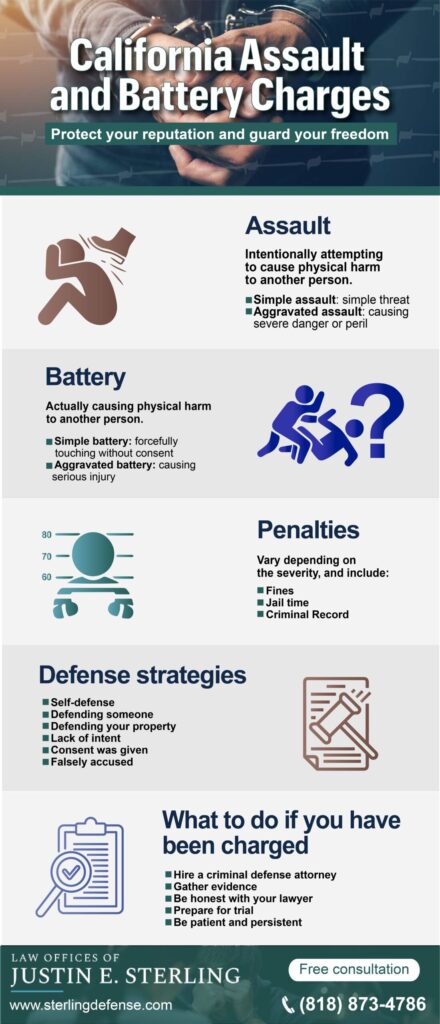
When facing criminal accusations, understanding the legal landscape becomes critical to protecting your rights and future. A simple assault charge represents one of the most common criminal allegations in the United States, yet many people don’t fully understand what it means, how it differs from other assault classifications, or what consequences they might face. This comprehensive resource breaks down everything you need to know about simple assault charges, from legal definitions to defense strategies and potential outcomes.
What Is a Simple Assault Charge?
A simple assault charge is a criminal accusation that alleges you intentionally, knowingly, or recklessly caused bodily injury to another person, attempted to cause such injury, or placed someone in reasonable fear of imminent bodily harm. Unlike aggravated assault, which involves serious injury or the use of a deadly weapon, simple assault typically involves minor injuries or threats without weapons. The legal framework surrounding simple assault varies significantly across different jurisdictions, but the core elements remain relatively consistent throughout most states.
The key distinction between simple and aggravated assault lies in the severity of the harm caused or intended. Simple assault generally involves situations where no weapon was used, no serious physical injury occurred, and there was no intent to commit a more serious crime. For example, pushing someone during an argument, slapping another person, or threatening immediate violence while raising your fist could all potentially result in a simple assault charge. According to the Bureau of Justice Statistics, assault offenses account for approximately 60% of all violent crime arrests in the United States, with simple assault comprising the vast majority of these cases.
Understanding the precise legal definition in your jurisdiction matters tremendously because what constitutes simple assault in one state might be classified differently in another. Some states use different terminology entirely, referring to similar offenses as “assault and battery,” “misdemeanor assault,” or “assault in the third degree.” The common thread across all these classifications is that they represent the lowest tier of assault offenses in terms of severity and potential punishment.
Legal Elements Required for a Simple Assault Charge
Prosecutors must prove specific elements beyond a reasonable doubt to secure a conviction for a simple assault charge. These elements typically include intent, action, and result, though the exact requirements vary by jurisdiction. Understanding these components helps clarify why certain behaviors result in charges while others don’t, even when physical contact occurs.
Intent Element
The prosecution must demonstrate that you acted with criminal intent, which legal systems define in several ways. Intentional conduct means you purposefully engaged in the behavior that caused harm or fear. Knowing conduct means you were substantially certain your actions would cause the prohibited result. Reckless conduct means you consciously disregarded a substantial and unjustifiable risk that your actions would harm another person. Importantly, you don’t need to intend the specific level of harm that occurred—only that you intended the action that led to the harm or threat.
Action Element
The physical act component of a simple assault charge can take multiple forms. Physical contact involves actually touching another person in an offensive or harmful manner, even if no injury results. Attempted physical contact encompasses situations where you tried to make harmful contact but failed to do so. Threatening behavior includes conduct that places another person in reasonable fear of imminent physical harm, such as drawing back your fist while standing close to someone or making credible verbal threats combined with physical gestures.
Harm or Fear Element
Finally, the prosecution must prove that your actions either caused actual bodily injury or created reasonable apprehension of imminent bodily harm in the victim. Bodily injury for simple assault purposes typically means physical pain, illness, or impairment of physical condition, but not necessarily visible marks or serious injury. The fear must be reasonable under the circumstances, meaning an ordinary person in the victim’s position would have felt threatened by your conduct.
Simple Assault vs. Aggravated Assault: Key Differences
The distinction between simple and aggravated assault charges carries enormous implications for potential penalties and long-term consequences. While a simple assault charge is typically classified as a misdemeanor, aggravated assault usually constitutes a felony offense with substantially harsher punishments. Understanding these differences helps contextualize the seriousness of the charges you face.
Aggravated assault generally involves one or more aggravating factors that elevate the offense’s severity. These factors commonly include the use of a deadly weapon (such as a gun, knife, or even a vehicle in some circumstances), causing serious bodily injury (which often means substantial risk of death, permanent disfigurement, or loss of bodily function), assaulting certain protected classes of victims (like police officers, teachers, healthcare workers, or elderly individuals), or committing the assault during the commission of another felony.
Suggested read: Understanding Shoplifting Charges: What You Need to Know About Theft Penalties and Legal Consequences
| Factor | Simple Assault | Aggravated Assault |
|---|---|---|
| Weapon Use | No weapon involved | Deadly weapon used or displayed |
| Injury Severity | Minor or no injury | Serious bodily injury or harm |
| Victim Status | General population | Protected class (officers, elderly, etc.) |
| Criminal Classification | Typically misdemeanor | Usually felony |
| Potential Jail Time | Up to 1 year | Multiple years to decades |
| Typical Fines | $1,000 – $2,500 | $5,000 – $10,000+ |
The practical difference in outcomes can be dramatic. While a simple assault conviction might result in probation, community service, and a misdemeanor record, an aggravated assault conviction could mean years in state prison and a permanent felony record that significantly impacts employment, housing, and civil rights. Defense attorneys often focus significant effort on preventing prosecutors from enhancing simple assault charges to aggravated assault by challenging claims about weapon use, injury severity, or other aggravating factors.
Potential Penalties and Consequences for Simple Assault Charges
The consequences of a simple assault charge extend far beyond the courtroom, affecting various aspects of your personal and professional life. While penalties vary considerably based on jurisdiction, criminal history, and specific case circumstances, understanding the range of possible outcomes helps you prepare for what lies ahead.
Criminal Penalties
Most jurisdictions classify simple assault as a Class A misdemeanor or equivalent, though some states have multiple degrees of misdemeanor assault. Typical criminal penalties include incarceration ranging from no jail time (for first-time offenders with mitigating circumstances) to up to one year in county jail (for repeat offenders or cases with aggravating factors). Monetary fines generally range from $500 to $2,500, though some jurisdictions impose fines as high as $5,000. Probation periods typically last one to three years and often include conditions such as anger management classes, substance abuse treatment, community service, and restraining orders prohibiting contact with the victim.
Research from the National Center for State Courts indicates that approximately 40% of first-time simple assault defendants receive probation without jail time, 35% receive short jail sentences (typically 30-90 days), and 25% face longer sentences or have their charges enhanced based on aggravating circumstances. These statistics underscore the importance of effective legal representation, as outcomes vary dramatically based on how cases are presented and negotiated.
Collateral Consequences
Beyond direct criminal penalties, a simple assault charge and conviction create numerous collateral consequences that can impact your life for years. Employment implications include difficulty passing background checks, automatic disqualification from certain professions (particularly those involving vulnerable populations, such as teaching, healthcare, or childcare), and potential termination from current employment, especially for positions requiring security clearances or professional licenses. Housing challenges emerge as many landlords conduct criminal background checks and may deny applications based on assault convictions, while public housing authorities often have strict policies excluding individuals with violent crime convictions.
Educational impacts can include suspension or expulsion from educational institutions, loss of financial aid or scholarships, and ineligibility for certain graduate programs or professional schools. Immigration consequences prove particularly severe for non-citizens, as assault convictions can be classified as crimes involving moral turpitude, potentially leading to deportation, denial of naturalization, or inadmissibility for future visa applications. Gun rights restrictions apply in many jurisdictions, where even misdemeanor assault convictions can result in loss of firearms ownership rights, particularly in cases involving domestic violence.
Social and Personal Impact
The stigma associated with a criminal record for violence extends into personal relationships and community standing. Family relationships may suffer strain, particularly if the assault involved a family member or occurred in a domestic context. Professional networking becomes more difficult when colleagues or business associates learn about the conviction. Social media and online background check services make criminal records increasingly accessible to the general public, potentially affecting dating relationships, volunteer opportunities, and community involvement.
Common Defenses Against Simple Assault Charges
Fighting a simple assault charge requires understanding the available legal defenses and how they apply to your specific situation. Experienced criminal defense attorneys employ various strategies depending on the facts of the case, the evidence available, and the jurisdiction’s legal standards. These defenses can result in charges being dismissed, reduced, or acquitted at trial.
Self-Defense and Defense of Others
Self-defense represents one of the most commonly asserted defenses to assault charges and is often successful when properly documented and presented. To establish self-defense, you must typically show that you reasonably believed you faced imminent unlawful force, you used only the amount of force necessary to protect yourself, and you did not instigate the confrontation or escalate it unnecessarily. The reasonableness standard is objective, meaning your belief must be one that a reasonable person in your circumstances would hold.
Defense of others operates similarly, allowing you to use reasonable force to protect third parties from imminent harm. This defense commonly arises in situations where someone intervenes to stop an assault on a stranger, family member, or friend. However, you generally cannot claim defense of others if you misperceive the situation and the person you’re “defending” was actually the aggressor, unless your mistake was reasonable under the circumstances.
Lack of Intent
Because a simple assault charge requires criminal intent (whether purposeful, knowing, or reckless), demonstrating lack of intent can defeat the prosecution’s case. Accidental contact defenses argue that any physical contact was purely unintentional and occurred without criminal mental state. For example, bumping into someone while turning around quickly, accidentally elbowing someone in a crowded space, or other truly accidental contact doesn’t constitute assault. Mutual combat situations where both parties voluntarily agreed to fight may result in charges against both parties, but can sometimes be used to argue for reduced charges or dismissed cases, particularly in jurisdictions that don’t recognize mutual combat as a valid defense but do consider it a mitigating factor.
Suggested read: Instant Power Battery Charger: Everything You Need to Know About Portable Jump Starters and Emergency Charging Solutions
Constitutional and Procedural Defenses
Unlawful arrest or search issues can lead to evidence suppression or case dismissal if law enforcement violated your Fourth Amendment rights against unreasonable searches and seizures. Violation of Miranda rights may result in the exclusion of incriminating statements if police interrogated you while in custody without providing required warnings. Insufficient evidence challenges argue that the prosecution cannot prove each element of the offense beyond a reasonable doubt based on the available evidence.
Witness Credibility Issues
Challenging the credibility of prosecution witnesses forms a critical component of many assault defenses. Inconsistent statements between what witnesses told police initially and what they testify to at trial can undermine their reliability. Bias or motive to lie might exist when the alleged victim has a contentious relationship with you, stands to gain financially from a conviction, or faces their own criminal exposure. Physical evidence contradictions occur when medical records, photographs, or forensic evidence contradict witness testimony about how the incident occurred or the severity of injuries.
The Criminal Justice Process for Simple Assault Cases
Understanding how a simple assault charge progresses through the criminal justice system helps you know what to expect and when critical decisions must be made. While specific procedures vary by jurisdiction, most cases follow a similar trajectory from initial arrest through final disposition.
Arrest and Initial Appearance
The process typically begins with an arrest, which can occur on-scene if police respond to the incident, or later if the alleged victim reports the incident and police investigate. Upon arrest, you’re taken into custody, booked (fingerprinted, photographed, and entered into the system), and held until an initial appearance before a judge. The initial appearance usually occurs within 24-48 hours of arrest, where the judge informs you of the charges, determines bail conditions, and appoints counsel if you cannot afford an attorney.
Bail decisions for simple assault cases vary widely based on factors including your criminal history, ties to the community, flight risk assessment, and the specific circumstances of the alleged assault. First-time offenders with stable employment and community ties often receive release on their own recognizance or minimal bail, while repeat offenders or those with prior failures to appear may face higher bail amounts or additional release conditions.
Preliminary Proceedings
Following the initial appearance, arraignment occurs where you formally enter a plea (guilty, not guilty, or no contest). Most defendants enter not guilty pleas at this stage to preserve all legal options. The court sets a schedule for pretrial proceedings, discovery exchange, and potential trial dates. Discovery is the process where both prosecution and defense exchange evidence, witness lists, police reports, medical records, and other relevant materials. This phase proves crucial for defense preparation as it reveals the strength of the prosecution’s case.
Pretrial motions may address various legal issues including motions to suppress evidence obtained through illegal searches, motions to dismiss based on insufficient evidence or procedural defects, and motions to exclude certain evidence or testimony. Successfully resolving these motions can sometimes result in case dismissal or significantly weaken the prosecution’s position, leading to favorable plea negotiations.
Plea Negotiations and Trial
The vast majority of simple assault charge cases resolve through plea negotiations rather than trial. According to court statistics, approximately 90-95% of criminal cases end in plea agreements. Plea bargaining might involve reducing charges (such as from simple assault to disorderly conduct or harassment), reducing penalties (agreeing to probation instead of jail time), or dismissing related charges in exchange for pleading guilty to the assault charge.
Factors influencing plea negotiations include the strength of the prosecution’s evidence, your criminal history, the victim’s willingness to cooperate with prosecution, availability of witnesses, and the jurisdiction’s general approach to assault cases. Defense attorneys often negotiate from positions of strength when credible defenses exist, witnesses prove unreliable, or constitutional issues cloud the prosecution’s case.
If negotiations fail or you elect to proceed to trial, the case goes before either a judge (bench trial) or jury. The prosecution bears the burden of proving every element of the assault charge beyond a reasonable doubt. The defense presents its case, challenges prosecution witnesses through cross-examination, and argues for acquittal. Trial outcomes remain inherently uncertain, which is why many defendants opt for negotiated plea agreements that provide certainty and often result in reduced charges or penalties.
State-Specific Variations in Simple Assault Laws
While the fundamental concept of a simple assault charge remains consistent across the United States, specific definitions, classifications, and penalties vary significantly from state to state. Understanding your jurisdiction’s particular approach to assault offenses proves essential for accurately assessing potential consequences and available defenses.
Suggested read: 48 Volt Charger: Everything You Need to Know About Selecting and Using High-Performance Battery Charging Solutions
Classification Systems
Some states use degree systems where assault offenses are classified as first-degree, second-degree, or third-degree assault, with simple assault typically falling into the third-degree category. Other jurisdictions use class systems labeling offenses as Class A, B, or C misdemeanors, with simple assault usually constituting a Class A misdemeanor (the most serious misdemeanor classification). Still other states employ unique terminology such as “assault and battery,” “simple battery,” or “assault by contact” to describe what other jurisdictions call simple assault.
Penalty Ranges by State
Texas classifies simple assault as Class A misdemeanor assault, punishable by up to one year in jail and fines up to $4,000, with enhanced penalties if the assault involves family members or occurs in specific circumstances. California treats simple assault as a misdemeanor under Penal Code Section 240, with penalties of up to six months in county jail and fines up to $1,000, though battery (the actual use of force) is charged separately under Section 242. New York charges assault in the third degree as a Class A misdemeanor under Penal Law Section 120.00, carrying up to one year in jail, with specific provisions for assaults against various protected classes.
Florida prosecutes simple assault under Florida Statutes Section 784.011 as a second-degree misdemeanor (up to 60 days in jail and $500 fine) or first-degree misdemeanor if aggravated by certain factors (up to one year in jail and $1,000 fine). Pennsylvania handles simple assault under Title 18 Section 2701, classified as a second-degree misdemeanor for most cases (up to two years imprisonment) or first-degree misdemeanor in cases involving mutual combat or specific victim categories.
Special Provisions and Enhancements
Many states have enacted domestic violence enhancements that increase penalties or add special conditions when simple assault occurs between family members, household members, or romantic partners. These enhancements often include mandatory protective orders, required domestic violence counseling, and enhanced penalties for repeat offenses. Protected class statutes impose heightened penalties for assaults against police officers, firefighters, emergency medical personnel, teachers, elderly individuals, or other specifically designated groups.
Some jurisdictions recognize hate crime enhancements that elevate simple assault charges when motivated by bias based on race, religion, national origin, sexual orientation, gender identity, or disability. These provisions can transform what would otherwise be a simple misdemeanor assault into a more serious offense with substantially greater penalties. Understanding whether any enhancement provisions apply to your case significantly impacts defense strategy and plea negotiations.
How to Find the Right Defense Attorney for Your Simple Assault Case
Selecting appropriate legal representation often determines the difference between conviction and acquittal, between jail time and probation, or between a permanent criminal record and a dismissed charge. When facing a simple assault charge, investing time in finding an experienced criminal defense attorney pays enormous dividends.
Qualifications to Consider
Look for attorneys with specific experience in assault cases, as criminal law encompasses numerous specialties and you want someone intimately familiar with assault law, defenses, and local prosecution practices. Trial experience matters even if your case likely settles through plea bargaining, because prosecutors negotiate more favorably with attorneys they know can effectively try cases. Local knowledge of your specific jurisdiction’s courts, judges, prosecutors, and common practices provides valuable advantages in navigating your case efficiently.
Verify the attorney’s professional standing by checking state bar association records for disciplinary actions, malpractice claims, or ethical violations. Review client testimonials and case results, though remember that past results don’t guarantee future outcomes and attorney advertising rules restrict what lawyers can say about their track records. Consider communication style and availability, as you need an attorney who explains legal concepts clearly, responds to your questions promptly, and keeps you informed throughout the process.
Questions to Ask During Consultations
Most criminal defense attorneys offer free initial consultations, providing opportunities to evaluate whether they’re the right fit for your case. Ask about their experience with simple assault cases, including approximately how many they’ve handled, what percentage went to trial versus plea agreements, and typical outcomes. Inquire about their assessment of your case, including potential defenses, weaknesses in the prosecution’s evidence, and realistic outcome predictions.
Discuss legal fees and payment structures, as criminal defense attorneys typically charge either flat fees for handling the entire case or hourly rates. Understand exactly what services the quoted fee covers and what additional costs might arise. Ask about their approach to your case, including investigation plans, expert witness needs, motion practice, and overall strategy. Finally, discuss communication expectations, including how often you’ll receive updates, who will actually handle your case (the attorney you’re meeting with or an associate), and how quickly they typically respond to client inquiries.
The Role of Evidence in Simple Assault Cases
Evidence forms the foundation of both prosecution and defense in simple assault charge cases. Understanding what types of evidence commonly appear in these cases and how courts evaluate it helps you work effectively with your attorney and make informed decisions about your case.
Suggested read: The Bully in Charge Chapter 97: Everything You Need to Know About This Game-Changing Manhwa Arc
Physical Evidence
Medical records documenting injuries sustained by the alleged victim carry significant weight in assault prosecutions, though their absence doesn’t necessarily defeat the prosecution’s case since simple assault doesn’t require proof of injury. Photographs of injuries, the scene, or relevant physical conditions help establish what occurred and can either support or contradict witness testimony. Surveillance video or security camera footage provides powerful objective evidence when available, though quality issues and limited angles sometimes make interpretation disputed.
Physical objects such as torn clothing, damaged property, or items allegedly used in the assault may be collected and preserved as evidence. Forensic evidence including DNA, fingerprints, or blood analysis might be relevant in some cases, though these sophisticated analyses are less common in simple assault cases than in more serious felonies. Defense attorneys carefully scrutinize chain of custody for all physical evidence to ensure proper collection, preservation, and handling procedures were followed.
Testimonial Evidence
Victim statements to police and testimony at trial form the core of many assault prosecutions, making victim credibility a central battleground in contested cases. Defendant statements to police following arrest can prove problematic for the defense, which is why exercising your right to remain silent and requesting an attorney immediately upon arrest proves so important. Eyewitness testimony from people who observed the incident can either corroborate or contradict the alleged victim’s account.
Expert witnesses occasionally testify in simple assault cases, particularly when injury patterns, psychological issues, or technical matters require specialized knowledge to interpret. Character witnesses may testify about the defendant’s peaceful nature or the alleged victim’s reputation for violence or dishonesty, depending on what evidence rules the jurisdiction follows. Defense attorneys must carefully weigh whether to put the defendant on the stand, as testifying opens you to cross-examination and can sometimes hurt more than help.
Digital and Documentary Evidence
Modern simple assault charge cases increasingly involve digital evidence including text messages, social media posts, emails, and call records that might show threats, planning, or aftermath communications. 911 calls made during or immediately after the incident capture real-time statements and can reveal important details about who contacted authorities and what they reported. Police body camera and dashboard camera footage documents officer observations, defendant statements at the scene, and visible injuries or evidence.
Work records, time cards, or GPS data might establish alibis or contradict prosecution timelines. Medical records showing defendant injuries can support self-defense claims. Defense attorneys conduct thorough investigations to identify and preserve all potentially helpful evidence, as electronic evidence can be quickly deleted or disappear if not promptly secured.
Domestic Violence and Simple Assault Charges
When a simple assault charge arises from an incident involving family members, household members, or romantic partners, additional legal complications and consequences emerge that don’t apply to assaults between strangers. Understanding domestic violence law’s intersection with assault charges proves essential if your case falls into this category.
Enhanced Penalties and Conditions
Most jurisdictions impose mandatory protective orders in domestic violence assault cases, prohibiting contact with the alleged victim and sometimes requiring you to vacate shared residences. These orders can create significant hardship, particularly when children are involved or when you share financial obligations. Mandatory arrest policies in many states require police to arrest at least one party when responding to domestic disturbance calls, even when evidence of assault is minimal or unclear.
Firearm restrictions prove particularly severe in domestic violence contexts, as federal law prohibits anyone convicted of a misdemeanor crime of domestic violence from possessing firearms or ammunition, a prohibition that lasts permanently unless the conviction is expunged or set aside. Mandatory treatment programs including batterer intervention programs, anger management courses, or substance abuse treatment often constitute required conditions of probation in domestic violence assault cases.
Special Procedural Considerations
Non-cooperation by alleged victims occurs frequently in domestic violence assault cases, as victims sometimes wish to drop charges after emotions cool or reconciliation occurs. However, prosecutors can proceed without victim cooperation using other evidence, and many jurisdictions have adopted “evidence-based prosecution” strategies that don’t rely primarily on victim testimony. Dual arrests where both parties face assault charges sometimes result from domestic disturbances where police cannot determine the primary aggressor.
Child custody and visitation implications arise when domestic violence assault convictions become part of family court proceedings, as judges must consider domestic violence history when making custody determinations. Even when children weren’t present during the incident, assault convictions between parents often impact custody arrangements and visitation schedules.
Suggested read: How to Charge a 12V Battery: Everything You Need to Know About 12V Battery Charging
Expungement and Record Sealing Options
A simple assault charge or conviction doesn’t necessarily mean a permanent criminal record. Many jurisdictions offer mechanisms for clearing records through expungement or sealing, though eligibility requirements and available relief vary substantially across states.
Expungement Eligibility
Dismissed or acquitted charges can typically be expunged relatively easily in most jurisdictions, as you were never convicted and maintaining a record of unfounded charges serves no legitimate purpose. First-time offender programs or deferred adjudication arrangements often result in automatic expungement upon successful completion of program requirements, which typically include probation, community service, counseling, and avoiding new arrests during a specified period.
Waiting periods after conviction range from immediately eligible in some states to 5-10 years or longer in others, depending on the jurisdiction and specific offense. Some states require that you have no subsequent criminal convictions during the waiting period, while others simply require completion of all sentence terms including probation. Severity limitations exist in some jurisdictions that allow expungement only for certain low-level misdemeanors, potentially excluding simple assault convictions classified as more serious misdemeanors.
The Expungement Process
Filing for expungement typically requires preparing and filing a petition with the court that handled your case, including detailed information about the conviction, evidence that you’ve met eligibility requirements, and explanation of why expungement serves the interests of justice. Prosecutorial opposition is possible, particularly in cases involving violence, so be prepared to respond to objections and present arguments supporting your petition.
Court hearings may be required where a judge evaluates whether to grant expungement based on factors including your behavior since conviction, rehabilitation efforts, the nature of the offense, and potential public safety concerns. Costs and fees for expungement petitions vary but typically range from several hundred to over a thousand dollars when including filing fees and attorney costs. Successfully expunging a simple assault charge allows you to legally state you were never convicted in most contexts, though some exceptions exist for law enforcement, firearms purchases, and certain professional licensing applications.
Impact on Employment and Professional Licensing
Understanding how a simple assault charge affects your career trajectory and professional credentials helps you make informed decisions about fighting charges versus accepting plea agreements and guides your long-term planning.
Background Check Considerations
Criminal background checks conducted by most employers will reveal pending assault charges and any resulting convictions, making transparency during job applications often advisable since discovered omissions frequently result in automatic disqualification or termination. Timing of disclosure presents strategic considerations—some attorneys recommend addressing criminal records proactively in cover letters or interviews, while others suggest waiting until specifically asked.
Ban-the-box laws in many jurisdictions prohibit employers from asking about criminal history on initial applications, requiring that you reach the interview stage before criminal records can be considered. However, these protections typically don’t apply to jobs involving vulnerable populations, law enforcement, or positions requiring security clearances. Bonding issues arise in some industries where employees must be bonded, as assault convictions can make obtaining bonds difficult or impossible.
Professional License Implications
Many licensed professions require disclosure of criminal charges and convictions including simple assault, with failure to disclose potentially resulting in license denial or revocation even when the underlying conviction might not have been disqualifying. Healthcare licenses for doctors, nurses, pharmacists, and other medical professionals face significant scrutiny when applicants have violence-related convictions, as licensing boards prioritize patient safety.
Legal licenses for attorneys often face discipline or denial based on assault convictions, as character and fitness evaluations weigh violence particularly heavily in assessing fitness to practice law. Teaching credentials and education-related licenses typically face severe consequences from assault convictions given the responsibility for student safety. Financial services licenses including securities, insurance, and banking certifications consider assault convictions as potential indicators of trustworthiness issues.
Trade licenses for contractors, electricians, plumbers, and similar occupations vary widely in how they treat assault convictions, with some boards imposing minimal restrictions while others conduct thorough reviews of circumstances. Working with your criminal defense attorney to minimize charges and avoid conviction when possible proves crucial if you hold or seek professional licenses.
Suggested read: AK Charging Handle: Everything You Need to Know About Upgrading and Maintaining Your Rifle's Critical Component
Juvenile Simple Assault Charges
When minors face a simple assault charge, the juvenile justice system typically handles the case differently than adult criminal court, with different goals, procedures, and outcomes. Understanding these distinctions proves important for parents and young people facing assault allegations.
Juvenile Court Philosophy and Process
Rehabilitation focus rather than punishment guides juvenile justice systems, with courts emphasizing treatment, education, and family services over incarceration. Confidentiality protections seal juvenile records from public access in most jurisdictions, preventing the long-term stigma associated with adult criminal records. Parental involvement is mandatory in juvenile proceedings, with parents required to attend hearings and often held financially responsible for restitution and fines.
Informal proceedings through teen courts, peer juries, or diversion programs handle many first-time juvenile assault cases, avoiding formal adjudication entirely when young people accept responsibility and complete required programs. Adjudication (the juvenile equivalent of conviction) can result in various dispositions including probation, community service, counseling, placement in juvenile facilities, or commitment to state youth authorities for serious or repeat offenses.
Long-Term Implications for Juveniles
Automatic sealing or expungement of juvenile records occurs in many states once the young person reaches adulthood and avoids subsequent criminal involvement, though some serious offenses may remain accessible. Transfer to adult court is possible for serious assaults or when juveniles have extensive prior records, resulting in adult prosecution with much harsher potential consequences. Educational impacts including school suspension or expulsion may result from assault adjudications, particularly when the assault occurred on school property or against school personnel.
College applications and financial aid can be affected by juvenile assault adjudications, though sealed records typically don’t require disclosure. Military enlistment applications require disclosure of juvenile adjudications, which may result in disqualification depending on the circumstances and the branch of service.
Financial Costs Associated with Simple Assault Cases
Beyond potential fines imposed as criminal penalties, a simple assault charge generates substantial financial burdens that defendants must anticipate and plan for throughout the legal process.
Direct Legal Costs
Attorney fees represent the most significant expense for most defendants, ranging from $2,500 to $10,000+ depending on case complexity, local legal market rates, attorney experience, and whether the case proceeds to trial. Flat fee arrangements typically cover representation through plea negotiations, while trial preparation and courtroom time usually require additional payment. Court costs and fees including filing fees, service of process charges, and administrative costs can add several hundred to over a thousand dollars to case expenses.
Bail bond fees typically amount to 10% of the bail amount set by the court, representing nonrefundable payment to bail bondsmen who post your full bail. Expert witness fees for medical experts, psychologists, forensic specialists, or other professional witnesses can range from several hundred to several thousand dollars per expert when defense strategy requires technical testimony to counter prosecution evidence.
Indirect Financial Impacts
Lost wages from missing work for court appearances, jail time if convicted, or job loss resulting from the charges can dwarf direct legal costs for many defendants. Increased insurance premiums for auto, health, or professional liability insurance may result from assault convictions that insurers view as increasing risk profiles. Civil liability exposure exists when alleged victims file separate civil lawsuits seeking monetary damages for medical expenses, lost wages, pain and suffering, and punitive damages.
Treatment program costs including anger management classes, substance abuse counseling, or domestic violence intervention programs required as conditions of probation typically must be paid by defendants. Restitution to victims ordered by courts to compensate for medical bills, damaged property, or other quantifiable losses adds to financial burdens. Planning for these expenses and discussing payment options with your attorney helps avoid additional legal problems from inability to meet financial obligations.
The Connection Between Mental Health and Assault Charges
Mental health issues frequently play significant roles in simple assault charge cases, both as underlying factors contributing to the alleged assault and as considerations during criminal proceedings and sentencing.
Suggested read: Finding the Right Lawyers for Assault Charges: What You Need to Know Before Hiring
Mental Health as a Factor in Assault Incidents
Untreated mental illness including conditions such as bipolar disorder, schizophrenia, severe depression, or personality disorders can contribute to aggressive behavior and conflict escalation during manic episodes, psychotic breaks, or periods of severe symptoms. Substance abuse disorders involving alcohol, methamphetamine, cocaine, or other intoxicating substances commonly co-occur with assault charges, as impaired judgment and reduced impulse control increase conflict likelihood.
Trauma and PTSD particularly among veterans, abuse survivors, or individuals who’ve experienced significant trauma can manifest in hypervigilance, aggressive responses to perceived threats, and difficulty managing emotional reactions. Medication issues including failure to take prescribed psychiatric medications, incorrect dosages, or adverse reactions to medications can trigger behavioral changes leading to assaultive conduct.
Mental Health in Legal Proceedings
Competency to stand trial evaluations assess whether defendants understand the charges against them and can assist in their defense, with courts suspending proceedings and ordering treatment when defendants are found incompetent. Mental state at the time of offense can form the basis for defenses when severe mental illness prevented formation of required criminal intent, though traditional insanity defenses succeed rarely and only in cases involving severe impairment.
Mitigation during sentencing frequently incorporates mental health evidence, with judges often willing to emphasize treatment over punishment when defendants demonstrate genuine mental health issues and commit to ongoing treatment. Mental health courts operate in many jurisdictions as specialized dockets that divert mentally ill defendants into treatment programs rather than traditional prosecution, though eligibility requirements typically exclude cases involving significant victim injury.
Treatment as Alternative to Incarceration
Many jurisdictions offer mental health diversion programs that dismiss charges upon successful completion of mental health treatment, medication compliance monitoring, and regular court review hearings. Probation conditions frequently require ongoing psychiatric care, medication adherence, substance abuse treatment, and participation in therapy or support groups. Therapeutic approaches incorporated into criminal justice responses recognize that addressing underlying mental health issues proves more effective at preventing future offenses than punishment alone.
Defendants should work with attorneys to gather mental health records, obtain current evaluations from qualified professionals, and develop comprehensive treatment plans that courts may view favorably. Successfully connecting mental health issues to the charged conduct and demonstrating commitment to treatment can significantly improve case outcomes.
How Alcohol and Substance Abuse Relates to Simple Assault
Substance use plays a role in a substantial percentage of simple assault charge cases, with research indicating that alcohol involvement occurs in approximately 40-50% of violent crime incidents, creating both legal challenges and potential defense considerations.
Intoxication and Criminal Liability
Voluntary intoxication generally does not excuse criminal conduct or negate criminal responsibility in assault cases, as legal systems operate on the principle that people who choose to consume intoxicating substances remain responsible for their actions while impaired. However, extreme intoxication might negate specific intent requirements for certain crimes, though simple assault’s lower intent threshold (recklessness) remains provable even when defendants were highly intoxicated.
Involuntary intoxication through drugging without knowledge or consent may provide a complete defense to assault charges if it prevented formation of the required mental state, though proving involuntary intoxication requires convincing evidence that someone surreptitiously administered intoxicating substances. Prescription medication interactions or unexpected reactions to lawfully prescribed medications might constitute involuntary intoxication in rare circumstances.
Substance Abuse Treatment Programs
Drug court and similar specialty court programs offer intensive supervision and treatment for defendants with substance abuse issues, typically resulting in charge dismissal or reduced sentences upon successful completion of comprehensive treatment programs lasting 12-18 months or longer. **Deferred prosecution agreements** sometimes condition charge dismissal on completion of substance abuse treatment, regular drug testing, and avoiding new arrests during the deferral period.
Residential treatment programs may be ordered as alternatives to incarceration for defendants with serious substance dependencies, particularly when assault charges relate directly to addiction issues. Outpatient treatment including individual counseling, group therapy, and 12-step program participation often constitutes probation conditions in cases involving alcohol or drug use at the time of the alleged assault.
Suggested read: Tyler Technologies Charge on Credit Card: What You Need to Know
Courts view substance abuse treatment favorably when defendants demonstrate genuine commitment to recovery, making early enrollment in treatment programs before sentencing a strategic consideration that defense attorneys often recommend. Successfully completing treatment and maintaining sobriety provides powerful mitigation evidence during sentencing hearings.
Protecting Yourself If Falsely Accused
False accusations of assault, while less common than genuine charges, do occur and can devastate lives even when ultimately disproven. Understanding how to protect yourself when facing a simple assault charge based on false allegations requires specific strategies and careful attention to evidence preservation.
Immediate Steps After False Accusation
Exercise your right to remain silent immediately and consistently, as your natural impulse to explain, defend, or proclaim innocence can inadvertently create inconsistencies or statements that prosecutors twist out of context. Request an attorney before answering any questions from law enforcement, as even seemingly innocent explanations can be used against you. Document everything related to your whereabouts, activities, and interactions during the relevant time period, including receipts, GPS data, security footage, witness information, and electronic communications.
Preserve electronic evidence including text messages, emails, social media posts, and call records that might establish your innocence or demonstrate the accuser’s motives for making false allegations. Identify alibi witnesses who can testify about your location during the alleged assault or who have relevant information about your relationship with the accuser. Avoid contact with your accuser even to proclaim innocence or demand they recant, as such contact often violates protective orders and can be portrayed as intimidation or harassment.
Common False Accusation Scenarios
Custody battles sometimes involve false assault allegations as tactical weapons to gain advantage in child custody proceedings, particularly when one parent seeks to exclude the other from children’s lives. Relationship revenge following breakups, affairs, or other relationship conflicts can motivate false accusations intended to punish the accused or gain leverage in divorce proceedings. Cover-up for infidelity occurs when people caught in compromising situations fabricate assault claims to explain injuries, torn clothing, or suspicious circumstances to partners.
Mental illness or attention-seeking behavior occasionally drives false accusations from individuals with certain psychological disorders or those seeking sympathy and attention from family, friends, or authorities. Mistaken identity can lead to genuine good-faith but incorrect accusations when alleged victims misidentify their actual assailants, particularly in chaotic situations or when limited lighting or other factors impair observation.
Building Your Defense Against False Allegations
Working with your attorney to develop a comprehensive defense strategy should include timeline reconstruction establishing minute-by-minute accounting of your activities during the alleged assault timeframe. Character evidence demonstrating your peaceful nature, good reputation, and lack of violent history can counter false allegations, though admissibility rules vary by jurisdiction. Accuser credibility attacks examining inconsistencies in their statements, bias or motive to fabricate allegations, and history of making false accusations can undermine prosecution cases built primarily on victim testimony.
Physical evidence contradictions should be highlighted when medical evidence, photographs, or forensic analysis contradicts the accuser’s version of events. Digital forensics can establish the accused’s location through phone GPS data, cell tower records, or digital device usage patterns that prove you weren’t present when the alleged assault occurred. Investing in thorough investigation and evidence gathering proves essential when defending against false accusations.
The Role of Witness Testimony in Simple Assault Cases
Witness testimony often determines outcomes in simple assault charge prosecutions, as these cases frequently involve conflicting accounts of what occurred and lack conclusive physical evidence. Understanding how courts evaluate witness credibility helps defendants and attorneys prepare effective trial strategies.
Types of Witnesses
Eyewitnesses who directly observed the alleged assault provide the most powerful testimony when credible and consistent, though research consistently demonstrates that eyewitness accounts are frequently unreliable due to memory limitations, stress effects, and suggestibility. Ear witnesses who heard but didn’t see the incident can testify to shouting, threats, sounds of struggle, or other auditory elements, though their testimony carries less weight than direct visual observation.
First responders including police officers, paramedics, or firefighters who arrived shortly after the alleged assault can describe victim injuries, defendant demeanor, crime scene conditions, and spontaneous statements made by parties involved. Expert witnesses such as medical professionals, psychologists, or use-of-force experts might testify about injury patterns, mental states, or whether physical evidence aligns with claimed events.
Suggested read: Understanding Lyriq Max Charge Rate Under 90kW: Everything You Need to Know About Home Charging
Evaluating Witness Credibility
Courts and juries assess credibility based on multiple factors including consistency between witness statements to police, testimony at preliminary hearings, and trial testimony, with significant inconsistencies undermining reliability. Demeanor while testifying including body language, eye contact, tone of voice, and responsiveness to questions influences credibility assessments, though research questions the reliability of demeanor-based credibility judgments.
Bias or interest in the case outcome, such as close relationships with parties, financial stakes, or personal animosity, affects how much weight factfinders give to testimony. Corroboration with physical evidence, other witness testimony, or documentary proof strengthens credibility, while testimony contradicted by objective evidence suffers severe credibility damage. Prior inconsistent statements discovered through investigation or cross-examination can devastate witness credibility when contradictions involve material facts rather than minor details.
Cross-Examination Strategies
Skilled defense attorneys use various cross-examination techniques to challenge prosecution witnesses including highlighting inconsistencies, exposing bias or motive to lie, demonstrating lack of personal knowledge about key facts, and impeaching witnesses with prior criminal convictions or false statements. Prior bad acts can sometimes be raised to attack witness character for truthfulness, though rules governing such evidence vary by jurisdiction and are subject to judicial discretion.
Expert witness challenges might include questioning the expert’s qualifications, exposing methodological flaws in their analysis, presenting competing expert opinions, or demonstrating that the expert’s conclusions rest on faulty factual assumptions. Effective cross-examination can transform prosecution strengths into defense advantages, making trial advocacy skills a crucial consideration when selecting defense counsel.
Understanding Plea Bargains in Simple Assault Cases
The vast majority of simple assault charge cases resolve through negotiated plea agreements rather than trials, making understanding the plea bargaining process essential for defendants navigating the criminal justice system.
Types of Plea Agreements
Charge bargaining involves pleading guilty to a reduced charge, such as disorderly conduct, harassment, or a lesser degree of assault in exchange for dismissal of the original simple assault charge. This approach offers the advantage of avoiding a conviction for a crime of violence on your record. Sentence bargaining maintains the original charge but negotiates specific sentencing recommendations or caps, such as agreeing to probation instead of jail time or limiting incarceration to a specific number of days.
Fact bargaining modifies the factual basis for the plea to minimize collateral consequences, such as ensuring the conviction doesn’t qualify as a domestic violence offense or crime involving moral turpitude. Package deals address multiple charges together, perhaps dismissing some charges entirely while pleading guilty to others, or resolving both criminal charges and related civil matters simultaneously.
Advantages and Disadvantages of Plea Agreements
Certainty represents the primary advantage of plea bargaining, as you know exactly what sentence you’ll receive rather than risking the uncertainty of trial verdicts and judicial sentencing discretion. Reduced charges or sentences typically result from negotiations, with plea deals almost always offering better outcomes than conviction after trial. Cost savings can be substantial since avoiding trial reduces attorney fees, expert witness expenses, and time away from work.
Quick resolution allows you to move forward with your life rather than enduring months or years of pending charges and court appearances. However, permanent criminal record results from pleading guilty even to reduced charges, creating lasting consequences for employment, housing, and other opportunities. Waiver of rights including your right to trial, to confront witnesses, and to appeal most issues occurs when accepting plea agreements.
Immigration consequences can be severe even for misdemeanor convictions, making it crucial that non-citizens consult with immigration attorneys before accepting any plea agreement. Collateral consequences may not be fully apparent when agreeing to pleas, with problems only emerging later when seeking professional licenses, gun rights, or other privileges.
Negotiating Effective Plea Agreements
Strong plea negotiations rest on thorough case analysis identifying prosecution weaknesses, evidentiary problems, witness credibility issues, and viable defenses that give your attorney leverage in discussions with prosecutors. Prosecutorial policies vary widely across jurisdictions and individual prosecutors, with some offices maintaining rigid charging policies while others exercise broad discretion in plea negotiations.
Suggested read: Is It Worth Pressing Charges for Assault? What Victims Need to Know Before Deciding
Victim input increasingly influences plea offers in assault cases, as many jurisdictions have adopted victim rights laws requiring prosecutors to consult victims before extending plea offers. Timing considerations affect negotiating leverage, with prosecutors often more willing to offer favorable deals early in cases before investing substantial resources, though defense attorneys sometimes gain leverage closer to trial as weaknesses in prosecution cases become apparent.
Working closely with your attorney to understand all implications of proposed plea agreements, thoroughly researching collateral consequences, and making informed decisions based on realistic trial outcome assessments helps ensure plea negotiations serve your best interests. Never accept plea agreements without fully understanding what you’re agreeing to and what consequences will follow.
Resources and Support Systems for Those Facing Assault Charges
Navigating a simple assault charge requires more than just legal representation—connecting with appropriate resources and support systems can significantly improve outcomes and help you manage the stress and challenges of criminal proceedings.
Legal Resources
Public defenders provide representation for defendants who cannot afford private attorneys, and while often overworked, public defenders generally possess substantial criminal law expertise and trial experience. Legal aid organizations sometimes assist with assault cases, particularly in jurisdictions with specialized criminal defense legal aid programs. Law school clinics operated by university law schools offer free or low-cost representation by law students supervised by experienced faculty attorneys.
Bar association referral services can connect you with qualified private criminal defense attorneys who often offer reduced-fee initial consultations through these programs. Online legal information from reputable sources like state bar associations, court websites, and legal education organizations helps you understand basic legal concepts, though should never substitute for personalized advice from licensed attorneys. For related criminal charges, you might also want to understand stress test charges and how they differ from assault allegations.
Mental Health and Counseling Services
Crisis counseling through community mental health centers, hospital emergency departments, or crisis hotlines provides immediate support for those experiencing acute stress from arrest and criminal charges. Individual therapy with licensed counselors, psychologists, or psychiatrists helps process emotions, develop coping strategies, and address underlying issues that may have contributed to the charged conduct.
Support groups for people facing criminal charges or dealing with specific issues like anger management, substance abuse, or domestic violence provide peer support and practical advice from others with similar experiences. Family counseling can help repair relationships damaged by assault charges and arrest, particularly important in domestic violence cases where family dynamics contribute to conflict.
Financial Assistance
Payment plans offered by many criminal defense attorneys allow spreading legal fees over several months rather than requiring large upfront payments. Personal loans from banks, credit unions, or family members might provide funds for legal representation, though should be approached cautiously given uncertain case outcomes. Crowdfunding through platforms designed for legal defense funds has helped some defendants raise money for attorney fees, though publicly discussing your case carries risks that should be discussed with your attorney.
Fee waivers for court costs and fees may be available for indigent defendants who can demonstrate financial hardship. Pro bono representation through organized pro bono programs, attorney volunteer panels, or individual attorney volunteering provides free legal services to qualifying defendants.
Educational Resources
Court watching programs allow you to observe actual criminal proceedings in your local courthouse, helping you understand courtroom procedures and judicial temperaments. Legal workshops offered by community organizations, law schools, or legal aid programs provide education about criminal justice system navigation and defendants’ rights. Online courses covering criminal law basics, courtroom procedures, and legal terminology help you understand your case and communicate more effectively with your attorney.
Building a comprehensive support network that addresses legal, emotional, financial, and practical needs significantly improves your ability to navigate the criminal justice process effectively while maintaining mental health and preparing for whatever outcomes your case produces.
Suggested read: Can You Press Charges on a Minor? What Every Parent and Victim Needs to Know
Statistics and Data on Simple Assault Charges in America
Understanding the broader statistical context surrounding simple assault charge prosecutions helps put your individual case in perspective and provides insight into trends, outcomes, and demographic patterns in assault enforcement.
Prevalence and Trends
According to FBI Uniform Crime Reporting data, approximately 800,000 to 1 million aggravated assault arrests occur annually in the United States, with simple assault arrests numbering roughly 3 times higher, totaling around 2.4 to 3 million arrests each year. However, reported assaults represent only a fraction of actual incidents, as Bureau of Justice Statistics victimization surveys indicate that approximately 60-70% of assault incidents go unreported to law enforcement.
Assault arrest rates have generally declined over the past two decades, dropping approximately 30% from peak rates in the mid-1990s, though rates vary significantly across states and metropolitan areas. Domestic violence assaults constitute approximately 15-20% of all assault arrests, representing hundreds of thousands of cases annually where special domestic violence procedures and enhanced penalties apply.
Demographic Patterns
Statistical analysis of assault arrests reveals significant demographic disparities that raise important questions about enforcement patterns and social factors contributing to violence. Age distributions show that individuals aged 18-24 account for approximately 22% of assault arrests despite representing only about 9% of the population, while arrest rates decline significantly for those over age 40.
Gender patterns indicate that approximately 75-80% of assault arrests involve male defendants, though domestic violence assault arrests show more balanced gender distributions with females representing 25-35% of arrestees. Racial disparities in assault arrest rates significantly exceed population proportions, with Black Americans arrested for assault at roughly 2.5-3 times their population percentage, raising concerns about both differential offending rates and potential enforcement bias.
Socioeconomic factors correlate strongly with assault arrest rates, as economically disadvantaged communities experience substantially higher assault rates than affluent areas, though whether this reflects actual violence differences or enforcement patterns remains debated.
Case Outcomes
Research on simple assault charge dispositions reveals that approximately 65-70% of cases result in conviction through either guilty pleas or trial verdicts, with the remaining cases dismissed due to insufficient evidence, witness problems, or prosecutorial discretion. Of convicted defendants, roughly 60% receive probation as their sentence, 25% receive incarceration ranging from a few days to the maximum one year, and 15% receive suspended sentences, fines only, or other dispositions.
Recidivism rates for assault offenders hover around 40-45% within three years, meaning nearly half of people convicted of assault are arrested again within three years, though not necessarily for additional assaults. Domestic violence assault cases show higher recidivism rates (approaching 50-55%) compared to stranger assaults (around 35-40%), reflecting the ongoing nature of domestic relationships and conflict patterns.
Trial conviction rates for assault cases prosecuted to verdict reach approximately 75-80%, significantly higher than guilty plea rates, reflecting prosecutors’ tendency to take only their strongest cases to trial while offering plea agreements in weaker cases. This data underscores the importance of careful risk assessment when deciding whether to accept plea offers or proceed to trial.
Frequently Asked Questions About Simple Assault Charges
What exactly constitutes a simple assault charge?
A simple assault charge typically involves intentionally, knowingly, or recklessly causing bodily injury to another person, attempting to cause such injury, or placing someone in reasonable fear of imminent bodily harm. The specific definition varies by state, but generally refers to the lowest level of assault offenses that don’t involve serious injury, weapons, or other aggravating factors. Simple assault is usually classified as a misdemeanor rather than a felony.
Can simple assault charges be dropped?
Yes, simple assault charges can be dropped or dismissed in various circumstances including when the alleged victim doesn’t want to pursue charges (though prosecutors can sometimes proceed anyway), when insufficient evidence exists to prove the case, when constitutional violations occurred during arrest or investigation, or when the defendant completes a diversion program. However, the decision to dismiss charges rests with the prosecutor and judge, not the alleged victim.
Suggested read: Drug Charges Lawyer: What You Need to Know Before Your Case Goes Too Far
How long does a simple assault charge stay on your record?
A simple assault charge remains on your criminal record permanently unless you successfully expunge or seal it through legal proceedings. Arrest records persist even if charges are dismissed or you’re acquitted. Conviction records last indefinitely in most states. However, many jurisdictions allow expungement after a waiting period (typically 3-10 years) if you meet eligibility requirements including having no subsequent criminal convictions. Each state has different expungement laws and procedures.
What is the difference between simple assault and battery?
The distinction between assault and battery varies by jurisdiction. Traditionally, assault meant placing someone in fear of imminent harmful contact, while battery meant the actual harmful or offensive physical contact. Some states maintain this distinction, charging assault for threats and battery for physical contact. Other states have merged these offenses into a single assault crime that covers both threatening behavior and actual contact. Understanding your specific state’s definitions is important.
Can you go to jail for a simple assault charge?
Yes, you can face jail time for a simple assault charge conviction, though whether you actually serve time depends on numerous factors. Maximum sentences typically range up to one year in county jail since simple assault is usually classified as a misdemeanor. First-time offenders with mitigating circumstances often receive probation without jail time, while repeat offenders or cases with aggravating factors more commonly result in incarceration. The specific sentence depends on your criminal history, case facts, and jurisdiction.
How much does a lawyer cost for a simple assault charge?
Attorney fees for a simple assault charge typically range from $2,500 to $10,000 depending on your geographic location, the attorney’s experience level, case complexity, and whether the case goes to trial. Many attorneys offer flat fee arrangements for handling the case through plea negotiations, with additional fees if trial becomes necessary. Some lawyers charge hourly rates (typically $150-$500 per hour). Payment plans are often available, and public defenders provide free representation if you qualify financially.
Will a simple assault charge affect my job?
A simple assault charge can significantly impact employment in several ways. Pending charges may appear on background checks, potentially affecting hiring decisions. Convictions create permanent criminal records that most employers discover during background screening. Jobs involving vulnerable populations (children, elderly, disabled individuals), positions requiring professional licenses, roles needing security clearances, and law enforcement or education careers face particular risk. Many employers can legally decline to hire based on assault convictions, though some jurisdictions have “ban-the-box” laws limiting when employers can inquire about criminal history.
What should I do immediately after being charged with simple assault?
After facing a simple assault charge, you should exercise your right to remain silent and not discuss the case with police or anyone else besides your attorney. Secure legal representation as quickly as possible, preferably before making any statements. Document everything you remember about the incident while details are fresh. Preserve any evidence that might support your defense including photos, videos, text messages, emails, or witness contact information. Avoid any contact with the alleged victim. Comply with all bail conditions and court appearances. Do not post about the case on social media.
Can I get a simple assault charge expunged?
Expungement eligibility for a simple assault charge depends on your state’s laws and your specific circumstances. Generally, dismissed or acquitted charges can be expunged relatively easily. Conviction expungement typically requires waiting periods ranging from immediately eligible to 5-10 years or more, completing all sentence terms including probation, and avoiding subsequent criminal convictions. Some states don’t allow expungement of any conviction, while others permit it for first-time misdemeanor offenses. Consulting with a criminal defense attorney in your jurisdiction determines your specific expungement options and procedures.
What happens if the victim doesn’t want to press charges?
When an alleged victim doesn’t want to pursue a simple assault charge, prosecutors can still proceed with the case using other evidence including police observations, 911 recordings, witness statements, medical records, and physical evidence. Many jurisdictions have adopted “evidence-based prosecution” policies that don’t rely primarily on victim cooperation, particularly in domestic violence cases. However, victim non-cooperation often weakens cases significantly, and prosecutors sometimes dismiss charges when victims refuse to testify, though this isn’t guaranteed. The victim doesn’t control whether charges proceed—that decision rests with the prosecutor.
Take Action on Your Simple Assault Charge Today
Facing a simple assault charge requires immediate action to protect your rights and future. Don’t navigate the complex criminal justice system alone—contact an experienced criminal defense attorney in your area today for a confidential consultation. The decisions you make in the coming days and weeks can dramatically impact the outcome of your case, your criminal record, and your future opportunities. Whether you’re seeking to have charges dismissed, negotiate a favorable plea agreement, or mount a vigorous trial defense, qualified legal representation makes all the difference.
Sources and Citations:
Suggested read: Compleo Charging Station: Everything You Need to Know About Smart EV Charging Solutions
- Bureau of Justice Statistics – Criminal Victimization Statistical Data: https://bjs.ojp.gov/data-collection/ncvs
- FBI Uniform Crime Reporting Program – Crime in the United States: https://ucr.fbi.gov/crime-in-the-u.s
- National Center for State Courts – Criminal Caseload Statistics: https://www.ncsc.org/newsroom/public-health-emergency/criminal-court
- American Bar Association – Criminal Justice Standards: https://www.americanbar.org/groups/criminal_justice/standards/
- National District Attorneys Association – Prosecution Standards: https://ndaa.org/
- National Association of Criminal Defense Lawyers – Defense Resources: https://www.nacdl.org/
This article provides general information about simple assault charges and should not be considered legal advice. Laws vary significantly by jurisdiction, and outcomes depend on specific case facts. Always consult with a qualified criminal defense attorney licensed in your state for advice about your particular situation.