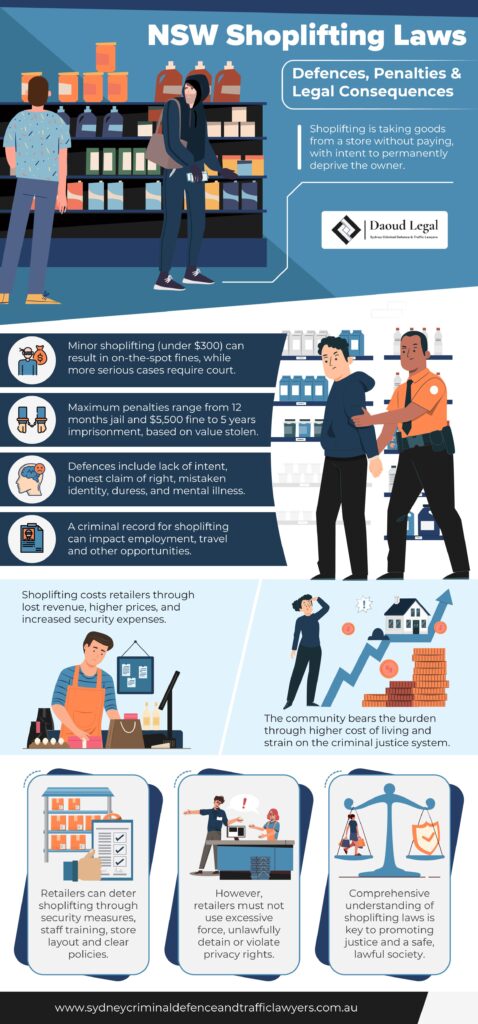
Shoplifting charges represent one of the most common criminal offenses prosecuted in retail environments across the United States, affecting millions of individuals annually and costing businesses an estimated $50 billion in losses each year. Whether you’re facing accusations yourself, concerned about a loved one, or simply seeking to understand the legal landscape surrounding retail theft, comprehending the complexities of shoplifting charges is essential for navigating the criminal justice system effectively.
These charges can range from minor misdemeanors to serious felonies, depending on factors such as the value of merchandise stolen, prior criminal history, and specific state laws that govern theft-related offenses. The consequences extend far beyond immediate legal penalties, potentially impacting employment opportunities, educational prospects, housing applications, and personal reputation for years to come.
What Are Shoplifting Charges and How Are They Defined?
Shoplifting charges are criminal accusations filed against individuals who unlawfully take merchandise from retail establishments without paying for the items or by paying less than the full retail price through deceptive means. The legal definition varies by jurisdiction, but generally encompasses several specific behaviors that constitute retail theft. Understanding these definitions is critical because the specific charge you face determines the severity of potential penalties and available defense strategies.
Most state statutes define shoplifting as the intentional taking of store merchandise with the purpose of depriving the retailer of the full purchase price. This includes traditional concealment of items, such as hiding products in bags, pockets, or clothing, but also extends to more sophisticated methods like price tag switching, where someone replaces expensive item tags with cheaper ones, or fraudulent returns involving stolen merchandise. Some jurisdictions also prosecute individuals who consume food or beverages within a store without paying, use counterfeit coupons or payment methods, or manipulate self-checkout systems to avoid paying full price.
The criminal intent element is crucial in shoplifting prosecutions. Prosecutors must typically prove that the accused person acted with specific intent to permanently deprive the store of merchandise or payment. This distinguishes shoplifting from accidental situations where someone might genuinely forget to pay for an item. However, certain actions create legal presumptions of intent—for example, concealing merchandise in unusual places, removing security tags, or leaving the store without paying after passing all points of sale typically satisfies the intent requirement without requiring direct evidence of the person’s thoughts.
Common Elements Required to Prove Shoplifting
- Willful concealment of merchandise while still on store premises
- Alteration or removal of price tags, security devices, or packaging with intent to pay less
- Transfer of merchandise from one container to another to avoid detection
- Under-ringing items at checkout by cashiers assisting in the theft
- Exiting the store without paying after passing all designated payment areas
- Fraudulent returns of stolen or used merchandise for cash or credit
Classifications of Shoplifting Charges by Severity
Shoplifting charges exist on a spectrum from petty theft to grand larceny, with classifications primarily determined by the monetary value of stolen merchandise. These classifications carry dramatically different penalties, making the dollar amount of the alleged theft critically important to your case outcome. States employ varying thresholds for these classifications, creating a complex patchwork of laws across the country that can confuse defendants and their families.
Petty theft or petit larceny represents the lowest classification and typically applies when merchandise value falls below a state-specific threshold, commonly ranging from $500 to $1,000 depending on jurisdiction. These offenses are usually charged as misdemeanors, carrying maximum penalties of up to one year in county jail, probation, fines, and community service. First-time offenders charged with petty theft often qualify for diversion programs that can result in charge dismissal upon successful completion of requirements like theft awareness classes, community service hours, and restitution payments to affected retailers.
Grand theft or grand larceny charges apply when stolen merchandise exceeds the jurisdictional threshold value, transforming the offense into a felony with substantially harsher consequences. The specific classification—third-degree, second-degree, or first-degree grand theft—depends on the total value involved. For example, in many states, theft of merchandise valued between $1,000 and $5,000 constitutes third-degree grand theft, while amounts exceeding $20,000 may trigger first-degree charges. Felony shoplifting convictions can result in multi-year prison sentences, substantial fines reaching tens of thousands of dollars, lengthy probation periods, and permanent criminal records that create lifelong obstacles.
State-Specific Threshold Values
| State | Felony Threshold | Maximum Misdemeanor Penalty | Felony Penalty Range |
|---|---|---|---|
| California | $950 | 6 months jail | 16 months – 3 years |
| Texas | $2,500 | 1 year jail | 180 days – 10 years |
| New York | $1,000 | 1 year jail | 1-25 years |
| Florida | $750 | 1 year jail | Up to 5 years |
| Illinois | $500 | 1 year jail | 1-3 years |
Aggravating factors can elevate shoplifting charges regardless of merchandise value. Using weapons or threats during the theft, working as part of an organized retail crime ring, employing devices designed to defeat security systems, stealing from vulnerable victims like elderly store owners, or committing theft while on probation or parole for previous offenses all constitute aggravating circumstances that prosecutors use to justify enhanced charges and harsher sentencing recommendations. Some states have enacted specific statutes targeting organized retail theft, recognizing that professional shoplifting operations cause disproportionate harm to businesses and communities.
Legal Penalties and Consequences of Shoplifting Convictions
The penalties associated with shoplifting charges extend far beyond courtroom sentences, creating ripple effects throughout convicted individuals’ personal and professional lives. Understanding the full scope of potential consequences helps defendants make informed decisions about plea negotiations, trial strategies, and post-conviction options. Courts consider numerous factors when determining appropriate sentences, including criminal history, the specific circumstances of the offense, defendant’s cooperation with authorities, expressions of remorse, and prospects for rehabilitation.
Suggested read: Simple Assault Charge: What You Need to Know About Penalties, Defenses, and Legal Options
Immediate criminal penalties vary based on charge classification but typically include incarceration, probation, fines, and restitution. Misdemeanor convictions might result in sentences ranging from no jail time for first offenders to the maximum one-year term for repeat offenders or cases involving significant aggravating factors. Judges often suspend jail sentences in favor of probation, which allows defendants to remain in the community while complying with court-ordered conditions like regular check-ins with probation officers, drug testing, employment or educational requirements, and restrictions on contact with certain locations or individuals. Violations of probation terms can result in immediate incarceration for the remainder of the original sentence.
Felony shoplifting convictions carry prison sentences measured in years rather than months, with actual time served depending on state sentencing guidelines, aggravating or mitigating circumstances, and judicial discretion. Many states employ determinate sentencing schemes that specify exact sentence ranges for particular theft amounts, while others use indeterminate sentencing allowing parole boards to determine actual release dates. First-time felony offenders might receive more lenient sentences or opportunities for suspended sentences with intensive probation supervision, but repeat felony offenders face enhanced penalties under habitual offender statutes that can multiply standard sentences.
Financial penalties compound the burden of shoplifting convictions. Courts routinely order defendants to pay full restitution for stolen merchandise, even if items were recovered, along with court fines, prosecution costs, and fees for probation supervision or mandatory programs. Some states allow retailers to pursue civil penalties separate from criminal cases, demanding payments up to several times the merchandise value plus attorney fees. These civil demands arrive through threatening letters from law firms representing retailers, and while payment doesn’t prevent criminal prosecution, failure to pay can result in separate civil lawsuits and judgments that damage credit and enable wage garnishment.
Long-Term Collateral Consequences
- Employment barriers as most employers conduct background checks and many refuse to hire candidates with theft convictions
- Professional license denials affecting careers in healthcare, education, finance, and other regulated industries
- Housing difficulties since landlords frequently reject applicants with criminal records
- Educational impacts including scholarship disqualifications and admission denials to competitive programs
- Immigration consequences for non-citizens facing potential deportation for crimes of moral turpitude
- Loss of voting rights in states that disenfranchise convicted felons
- Firearm possession restrictions under federal and state laws prohibiting gun ownership for certain convictions
Common Defenses Against Shoplifting Charges
Experienced criminal defense attorneys employ numerous strategies when fighting shoplifting charges, tailored to the specific facts and evidence in each case. The prosecution bears the burden of proving guilt beyond reasonable doubt, meaning defendants need not prove innocence but rather must create sufficient doubt about one or more elements of the charged offense. Understanding available defenses helps individuals make strategic decisions about whether to accept plea offers or proceed to trial, recognizing that each option carries distinct risks and potential benefits.
Lack of intent represents the most common and often most effective defense strategy. Since shoplifting requires specific criminal intent to permanently deprive the store of merchandise, demonstrating absence of such intent can result in acquittal or charge dismissal. Defense attorneys present evidence showing the defendant genuinely forgot to pay due to distraction, confusion, medical conditions affecting memory or cognition, or simply made an honest mistake. Supporting evidence might include the defendant’s immediate cooperation when confronted, attempts to return and pay when the error was discovered, or expert testimony regarding medical or psychological conditions that impair memory or attention.
False accusations and mistaken identity occur more frequently than many realize, particularly in busy retail environments where security personnel monitor numerous customers simultaneously. Witnesses make mistakes, surveillance footage can be unclear or ambiguous, and individuals are sometimes wrongly identified based on similar appearance to actual perpetrators. Defense attorneys obtain and analyze all available video evidence, interview witnesses to expose inconsistencies or uncertainties in identifications, and present alibi evidence placing defendants elsewhere when thefts occurred. Electronic records like cell phone location data, credit card transactions, or vehicle GPS tracking can provide powerful alibi evidence.
Insufficient evidence challenges form another crucial defense category. Prosecutors must prove every element of shoplifting beyond reasonable doubt, and experienced defense attorneys identify weaknesses in the prosecution’s case that prevent meeting this high standard. Perhaps surveillance video doesn’t clearly show the defendant concealing merchandise, witness statements contain contradictions or gaps, or the chain of custody for physical evidence was improperly maintained. Even if some evidence points toward guilt, creating reasonable doubt about any essential element requires acquittal under criminal law standards.
Additional Defense Strategies
- Procedural violations including illegal searches, improper detention, or failure to read Miranda rights
- Entrapment when law enforcement or store employees induced the defendant to commit crimes they wouldn’t have otherwise committed
- Mental incapacity showing the defendant lacked the mental state required for criminal liability due to psychiatric conditions or intellectual disabilities
- Duress or coercion demonstrating the defendant acted under threats or force from others
- Authorization or consent proving the defendant had permission to take items or reasonably believed they had such permission
For individuals also facing related charges, understanding how theft offenses compare to other criminal accusations can be valuable. If you’re dealing with multiple charges, you might also want to learn about simple assault charge penalties and defenses, as assault charges sometimes accompany shoplifting incidents when confrontations with security personnel occur.
What Happens During the Shoplifting Charges Process?
The criminal justice process for shoplifting charges follows predictable stages from initial detection through final resolution, though specific procedures vary by jurisdiction and case complexity. Understanding what to expect at each stage helps defendants and their families prepare psychologically and strategically for the challenging journey ahead. The process typically spans several months, even for relatively straightforward cases, and can extend years for complex matters involving multiple defendants or serious charges.
Detention and arrest initiate the formal process when store security or loss prevention personnel detain suspected shoplifters. Most retailers have policies requiring observed concealment, continuous surveillance ensuring the suspect didn’t abandon merchandise, and waiting until the person exits the store before initiating detention. Security personnel may detain suspects in back offices while police are summoned, a practice that raises legal questions about the permissible scope and duration of such detentions. Anything you say during this detention can be used against you in court, making it critical to politely decline answering questions beyond providing identification until you’ve consulted with legal counsel.
Police officers responding to shoplifting calls make arrest decisions based on evidence presented by store personnel, witness statements, surveillance footage, and recovered merchandise. Officers may issue citations releasing defendants with promises to appear in court for minor first-time offenses, or may arrest and transport defendants to jail for booking on more serious charges or when suspects have outstanding warrants. The booking process involves photographing, fingerprinting, collecting personal information, and placing defendants in holding cells pending bail hearings or release on personal recognizance.
Suggested read: Can You Press Charges on a Minor? What Every Parent and Victim Needs to Know
Initial court appearances occur within 24-72 hours for arrested defendants still in custody, or according to scheduled dates for cited defendants released from the scene. During arraignment, judges formally notify defendants of charges filed, explain constitutional rights including the right to counsel, and address bail or release conditions. Defendants enter initial pleas—typically “not guilty” to preserve all options while defense attorneys review evidence and negotiate with prosecutors. Public defenders are appointed for indigent defendants who cannot afford private attorneys, though public defender offices face overwhelming caseloads that sometimes limit the individual attention each case receives.
The Pre-Trial and Trial Stages
Discovery and investigation follow arraignment as defense attorneys obtain evidence from prosecutors, interview witnesses, retain experts when needed, and develop defense strategies. Prosecutors must provide exculpatory evidence favorable to defendants under constitutional discovery obligations, but defense attorneys actively investigate rather than passively waiting for prosecutors to share information. This stage might involve filing motions to suppress illegally obtained evidence, dismiss charges based on legal insufficiencies, or compel prosecution disclosure of additional materials.
Plea negotiations occur in the vast majority of shoplifting cases, with studies showing approximately 95% of criminal cases resolve through guilty pleas rather than trials. Prosecutors offer plea bargains reducing charges, recommending lenient sentences, or agreeing to diversion programs in exchange for guilty pleas that guarantee convictions while conserving judicial resources. Defendants must carefully weigh plea offers against trial prospects, considering the strength of evidence, potential trial penalties if convicted, and personal circumstances affecting their tolerance for uncertainty and stress.
Trial proceedings become necessary when plea negotiations fail or defendants insist on their innocence despite prosecution pressure. Shoplifting trials typically last one to three days for straightforward cases, though complex matters involving organized retail crime or significant dollar amounts may extend longer. Prosecutors present evidence through witness testimony, surveillance footage, recovered merchandise, and expert analysis, while defense attorneys cross-examine prosecution witnesses and present defense evidence and witnesses. Juries in criminal cases must find guilt beyond reasonable doubt, a standard significantly higher than the preponderance of evidence used in civil litigation.
How Shoplifting Charges Affect Different Demographics
Shoplifting charges impact various demographic groups differently, with consequences varying based on age, immigration status, employment, and other personal circumstances. Recognizing these differential impacts helps defendants anticipate challenges and develop strategies to minimize long-term harm. Courts sometimes consider these factors during sentencing, though the degree of consideration varies widely between jurisdictions and individual judges.
Juvenile offenders face shoplifting charges through separate juvenile justice systems designed to emphasize rehabilitation over punishment. Most states handle shoplifters under 18 through juvenile courts that seal records, employ alternative sentencing focused on counseling and community service, and provide opportunities for record expungement upon reaching adulthood. However, serious or repeat juvenile shoplifting can result in transfer to adult court where defendants face identical penalties as adult offenders. Parents or guardians often bear civil liability for juvenile shoplifting through parental responsibility statutes that hold families financially accountable for children’s theft.
College students convicted of shoplifting charges face unique consequences beyond standard criminal penalties. Federal financial aid regulations require students to report criminal convictions on aid applications, potentially resulting in scholarship loss or aid reduction. Universities increasingly conduct disciplinary proceedings separate from criminal cases, potentially resulting in academic probation, suspension, or expulsion that derails educational plans. Professional graduate programs in law, medicine, and other fields require character and fitness evaluations where shoplifting convictions raise serious concerns about honesty and trustworthiness.
Immigrants and non-citizens face potentially devastating immigration consequences from shoplifting convictions. Theft offenses involving fraud or intent to permanently deprive can constitute crimes involving moral turpitude (CIMT) under immigration law, triggering inadmissibility, deportation proceedings, or bars to naturalization depending on conviction timing and sentence length. Even lawful permanent residents with decades of U.S. residence face potential removal for certain shoplifting convictions, while non-immigrants on temporary visas may lose status and face immediate deportation. Immigration attorneys should be consulted alongside criminal defense counsel to analyze immigration consequences before accepting any plea agreement.
Professional and Employment Impacts
- Healthcare workers risk license suspension or revocation since state medical boards view theft as evidence of moral unfitness
- Teachers and educators face certification denials or revocations in states that prohibit educators with theft convictions
- Financial industry employees become ineligible for positions requiring bonding or handling money
- Security clearance holders risk clearance revocation affecting government and defense contractor employment
- CDL holders may face license suspension affecting commercial driving careers
Shoplifting Prevention and Retailer Responses
Understanding how retailers detect, prevent, and respond to shoplifting provides valuable context for both potential defendants and concerned consumers. Modern loss prevention combines sophisticated technology with trained personnel, creating multi-layered security systems that catch many but not all shoplifters. Retailers balance aggressive prevention with customer service concerns, recognizing that excessive security measures can alienate legitimate shoppers and damage sales.
Electronic article surveillance (EAS) systems represent the most visible shoplifting prevention technology, using tags attached to merchandise that trigger alarms when passing through detection gates without proper deactivation. These systems vary in sophistication from simple magnetic tags that cashiers remove or deactivate at checkout to advanced radio frequency identification (RFID) tags that track individual items throughout stores. However, EAS systems produce false alarms from improperly deactivated tags or items purchased elsewhere, creating situations where innocent customers experience embarrassing public accusations and detention.
Video surveillance has expanded dramatically with improved camera technology and reduced costs, with many retailers now employing comprehensive coverage including parking lots, entrances, sales floors, stockrooms, and checkout areas. Modern systems use high-definition cameras, facial recognition software, and artificial intelligence that flags suspicious behaviors like lingering near high-theft items, repeatedly entering fitting rooms, or unusual movement patterns. Recorded footage serves multiple purposes beyond catching shoplifters, including training loss prevention staff, defending against false arrest lawsuits, and providing evidence for prosecution.
Suggested read: Drug Charges Lawyer: What You Need to Know Before Your Case Goes Too Far
Loss prevention personnel conduct covert surveillance of suspected shoplifters, watching for behaviors indicating theft intent such as selection of multiple high-value items, frequent looks toward security cameras or employees, concealment of merchandise in bags or clothing, or tag removal attempts. These trained investigators must balance aggressive shoplifting prevention against legal risks from false arrests, excessive force, or improper detention of innocent customers. Large retailers employ dedicated loss prevention teams while smaller stores rely on regular employees receiving basic anti-theft training.
Organized Retail Crime Initiatives
Law enforcement partnerships between retailers and police have intensified to combat organized retail theft rings that conduct systematic shoplifting operations for resale. These criminal enterprises employ professional boosters who steal merchandise according to shopping lists, using sophisticated techniques to defeat security systems and steal large quantities of goods. Retailers share information through industry databases, work with prosecutors on retail theft task forces, and support legislation increasing penalties for organized theft. Some jurisdictions now charge organized retail theft as separate offenses carrying enhanced penalties compared to individual shoplifting incidents.
Statistical Data on Shoplifting Charges and Trends
Examining shoplifting statistics provides important context about the prevalence, patterns, and evolution of retail theft across the United States. These numbers reveal significant trends in who commits shoplifting, what gets stolen, and how the criminal justice system responds to these offenses. Understanding data-driven realities helps separate facts from misconceptions about shoplifting and its impacts on society.
The National Association for Shoplifting Prevention estimates that approximately 27 million Americans have shoplifted at some point, representing roughly 8% of the population. However, only about one in 48 shoplifters gets caught, meaning the vast majority of theft incidents go undetected and unprosecuted. When apprehended, approximately half of all shoplifters are turned over to police rather than simply banned from stores or handled through civil recovery processes. This discretionary enforcement creates disparities based on factors like theft value, suspect demographics, and individual store policies.
Annual retail theft losses total approximately $50-60 billion according to industry estimates, though these figures include both shoplifting and employee theft which together account for the majority of retail “shrinkage.” Individual shoplifting incidents average between $50 and $200 in merchandise value, though organized retail crime operations steal thousands of dollars in single incidents. High-theft items include small, valuable, easily concealed products like cosmetics, electronics, jewelry, infant formula, razor blades, and certain over-the-counter medications.
Shoplifting Demographics and Patterns
- Age distribution: 25% of shoplifters are juveniles under 18, while 75% are adults, with peak offending ages between 15-24 years
- Gender breakdown: Approximately 55% of apprehended shoplifters are male, 45% female, with women slightly more likely to commit first-time offenses
- Economic status: Contrary to stereotypes, roughly 73% of shoplifters can afford the items they steal, suggesting motivations beyond economic necessity
- Addiction correlations: Studies indicate 50-70% of shoplifters struggle with substance abuse or mental health issues including depression and anxiety
- Recidivism rates: Approximately 50% of shoplifters have shoplifted before, with 87% of juveniles who shoplift saying they know other kids who shoplift
Diversion Programs and Alternative Sentencing Options
Many jurisdictions offer diversion programs and alternative sentencing options that allow first-time shoplifters to avoid criminal convictions through completion of rehabilitation-focused requirements. These programs recognize that traditional criminal prosecution may not serve society’s interests for minor, first-time offenses, particularly when defendants demonstrate remorse and commitment to behavioral change. Understanding eligibility requirements and program structures helps defendants and attorneys determine whether pursuing diversion makes sense strategically.
Pre-trial diversion programs allow eligible defendants to complete requirements before formal prosecution, with charges dismissed upon successful completion. Typical requirements include theft awareness or anti-shoplifting classes that explore motivations for theft and consequences of criminal behavior, community service hours ranging from 20 to 100 hours depending on offense severity, restitution payments to affected retailers, and supervised probation periods lasting 6-12 months. Participants must avoid new arrests during the probation period and comply with all program requirements, with any violations resulting in immediate termination and resumption of criminal prosecution.
Deferred adjudication differs from pre-trial diversion by requiring guilty pleas, but defers conviction entry pending successful completion of probation terms. Defendants admitted guilt and accepted responsibility, but avoid formal conviction if they successfully complete all requirements. This option benefits defendants by avoiding criminal records while providing prosecutors with leverage through the guilty plea mechanism. However, guilty pleas entered during deferred adjudication can sometimes be used against defendants for immigration purposes or if they face subsequent charges, making careful legal review essential before accepting such agreements.
Restorative justice programs bring offenders, victims (retailers), and community members together for facilitated dialogues about crime impacts and appropriate responses. These programs emphasize accountability and repair over punishment, requiring shoplifters to understand how their actions harmed businesses, employees, and communities. Participants develop agreements addressing restitution, community service, and behavioral changes, with successful completion leading to charge dismissal or reduction. Research suggests restorative justice reduces recidivism more effectively than traditional prosecution for certain offender populations, though programs remain limited in availability.
Eligibility Requirements for Diversion
- First-time offenders with no prior criminal history or limited prior misdemeanors
- Low-value theft typically under $500-1,000 depending on jurisdiction
- Admission of responsibility and willingness to participate in program requirements
- No weapon involvement or violence during the shoplifting incident
- Prosecutor approval based on case circumstances and defendant cooperation
Expert Insights and Case Studies
Real-world examples and expert perspectives illuminate how shoplifting charges play out in practice, revealing the human dimensions behind legal abstractions. Defense attorneys, prosecutors, judges, and defendants themselves provide valuable insights about challenges, strategies, and outcomes that help others facing similar situations make informed decisions. These case studies demonstrate how small factual differences can lead to dramatically different results.
Criminal defense attorney Sarah Martinez explains common patterns she observes: “Many first-time shoplifters are dealing with underlying issues—mental health struggles, addiction, financial desperation, or momentary lapses in judgment during stressful periods. Courts increasingly recognize that purely punitive approaches don’t address root causes. I always investigate whether undiagnosed or untreated conditions contributed to the offense, because judges often show leniency when defendants demonstrate commitment to addressing those issues through counseling or treatment programs.”
Suggested read: Instant Power Battery Charger: Everything You Need to Know About Portable Jump Starters and Emergency Charging Solutions
Prosecutor James Chen offers the government perspective: “We exercise discretion in shoplifting cases based on factors beyond just the dollar amount stolen. Someone who cooperates immediately, shows genuine remorse, and has no criminal history often receives diversion or lenient plea offers. But we prosecute aggressively when defendants lie to police, have extensive criminal histories, or are part of organized theft rings. Those cases deserve serious consequences because they represent calculated criminal enterprise rather than isolated mistakes.”
Notable Shoplifting Cases
Case Study 1: College Student Misdemeanor – A 19-year-old college sophomore attempted to steal $200 in clothing from a department store by concealing items in her purse. Store security detained her and called police, who arrested and charged her with misdemeanor theft. She had no prior criminal record and expressed immediate remorse. Her attorney negotiated pre-trial diversion requiring 40 hours community service, a theft awareness class, and six months of informal probation. She completed all requirements, charges were dismissed, and she successfully petitioned for record sealing, allowing her to honestly answer “no” when employers ask about criminal convictions.
Case Study 2: Repeat Offender Felony – A 34-year-old man with three prior shoplifting convictions stole approximately $1,500 in electronics from a big-box retailer. Because the merchandise value exceeded the felony threshold and he had prior theft convictions, prosecutors charged him with felony grand theft with sentence enhancement for habitual offending. Despite his attorney’s arguments for leniency based on his addiction struggles, the judge sentenced him to two years in state prison followed by three years of supervised probation, recognizing both his need for accountability and the pattern of repeated criminal behavior.
Case Study 3: False Accusation Acquittal – A 42-year-old woman was accused of shoplifting $300 in cosmetics after a loss prevention officer claimed to observe her concealing items. However, surveillance footage was inconclusive due to poor camera angles, and the recovered items included makeup she had purchased days earlier with credit card receipts proving ownership. Her defense attorney obtained the receipts, demonstrated gaps in the surveillance coverage, and highlighted inconsistencies in the loss prevention officer’s testimony. The jury returned a not guilty verdict after deliberating for less than an hour, and she later filed a civil lawsuit against the retailer for false arrest.
Resources and Support for Those Facing Shoplifting Charges
Individuals accused of shoplifting need access to reliable legal information, qualified defense attorneys, and support services addressing underlying issues that may have contributed to their alleged offenses. Navigating the criminal justice system without proper guidance often leads to worse outcomes than necessary, as pro se defendants rarely understand procedural requirements, evidence rules, or negotiation strategies that experienced attorneys employ routinely. These resources provide starting points for building effective defense strategies and addressing personal challenges.
Legal representation should be the first priority for anyone facing shoplifting charges. Public defenders provide constitutionally required representation for indigent defendants who cannot afford private attorneys, and contrary to popular stereotypes, many public defenders are highly experienced criminal attorneys committed to zealous advocacy despite overwhelming caseloads. Private defense attorneys offer advantages including more time for individual cases, resources for investigations and expert witnesses, and flexibility in communication and strategy development. Initial consultations are frequently free, allowing defendants to evaluate multiple attorneys before making hiring decisions.
Support organizations address underlying issues that contribute to shoplifting behavior. The National Association for Shoplifting Prevention operates programs focusing on theft prevention education, while organizations like Shoplifters Anonymous provide peer support similar to 12-step programs for addiction. Mental health professionals specializing in impulse control disorders, kleptomania, and addiction offer therapeutic interventions that address root causes of theft behavior. Courts view engagement with such services favorably during sentencing, recognizing that defendants taking proactive steps to change behavior deserve credit for their efforts.
Online Resources and Information
- State bar associations provide attorney referral services connecting defendants with qualified local criminal defense lawyers
- Legal aid societies offer free representation for low-income defendants in many jurisdictions
- Court websites publish procedure guides, forms, and information about diversion programs and alternative sentencing
- Consumer protection agencies provide information about civil demand letters and retailer recovery programs
- Academic legal clinics at law schools sometimes offer free representation under supervised faculty oversight
For authoritative information about shoplifting laws and penalties in your jurisdiction, the National Conference of State Legislatures provides comprehensive resources comparing theft statutes across all 50 states.
Taking Action: What to Do If You’re Facing Shoplifting Charges
Immediate, strategic action significantly improves outcomes for individuals facing shoplifting charges. The decisions made in the hours and days following arrest often determine whether cases result in dismissals, diversion, lenient plea agreements, or harsh convictions with lasting consequences. Understanding proper steps to take—and critical mistakes to avoid—empowers defendants to protect their rights and interests throughout the legal process.
Remain silent and request an attorney immediately upon detention or arrest. Anything you say to store security, police officers, or anyone else can be used against you in court, and spontaneous statements made during the stress of arrest frequently harm defense efforts. Politely but firmly invoke your Fifth Amendment right to remain silent by saying “I want to speak with an attorney before answering questions.” This constitutional protection cannot be used against you in court, and police must stop questioning once you invoke it, though they may continue questioning if you voluntarily waive rights after receiving Miranda warnings.
Document everything related to your arrest and charges as soon as possible while memories remain fresh. Write detailed notes about what happened including times, locations, involved persons, exact statements made, and any witnesses present during relevant events. Preserve all physical evidence like receipts for items you allegedly stole but actually purchased, credit card statements showing legitimate purchases, or medical records documenting conditions affecting memory or behavior. Take photographs of injuries if excessive force was used during detention, and gather contact information for any witnesses who might provide testimony supporting your defense.
Suggested read: 48 Volt Charger: Everything You Need to Know About Selecting and Using High-Performance Battery Charging Solutions
Avoid discussing your case with anyone except your attorney, as statements to friends, family members, cellmates, or social media followers can be discovered and used against you. Prosecutors routinely subpoena social media accounts, text messages, and emails looking for incriminating statements or contradictions to undermine defense claims. Even seemingly harmless statements can be twisted and used out of context, making silence the safest approach until your attorney advises otherwise.
Critical Next Steps
If you’re facing shoplifting charges, don’t wait—contact a qualified criminal defense attorney immediately to discuss your case, explore defense options, and protect your future. Early intervention by experienced counsel often leads to better outcomes through prompt negotiations, evidence preservation, and strategic planning before cases become more complicated.
Frequently Asked Questions About Shoplifting Charges
What is the difference between shoplifting and theft?
Shoplifting is a specific type of theft occurring in retail environments where individuals take merchandise from stores without paying or by paying less than full price through deceptive means. General theft encompasses any unlawful taking of another person’s property with intent to permanently deprive them of it, including burglary, robbery, embezzlement, and auto theft. While all shoplifting constitutes theft, not all theft constitutes shoplifting—the distinguishing factor is the retail setting and merchandise targeted.
Can shoplifting charges be dropped?
Yes, shoplifting charges can be dropped through various mechanisms including insufficient evidence, successful motion to suppress illegally obtained evidence, prosecutor discretion, victim unwillingness to cooperate, or successful completion of diversion programs. Defense attorneys negotiate with prosecutors to dismiss charges when evidence weaknesses exist or when alternative resolutions better serve justice. First-time offenders demonstrating remorse and making restitution often receive charge dismissals through pre-trial diversion programs.
How long do shoplifting charges stay on your record?
Shoplifting convictions remain on criminal records indefinitely unless actively sealed or expunged through court petitions. Many states allow first-time misdemeanor offenders to petition for record sealing after completing sentences and waiting specified periods, often 1-5 years. Felony convictions are more difficult to expunge, with some states prohibiting felony record sealing entirely. Arrest records may appear on background checks even without convictions, though some jurisdictions automatically seal arrest records when charges are dismissed.
What happens if you get caught shoplifting but not arrested?
When store security detains suspected shoplifters but police are not called, consequences may still include civil demand letters seeking penalty payments, permanent bans from the retailer, and notation in retail theft databases shared among stores. Some retailers prefer handling minor first-time offenses internally through civil recovery rather than criminal prosecution, saving time and resources while still deterring theft. However, stores can file criminal complaints later even after initially releasing suspects, so absence of immediate arrest doesn’t guarantee no prosecution.
Do shoplifting charges affect employment?
Yes, shoplifting convictions can significantly impact employment prospects because most employers conduct criminal background checks and many have policies against hiring candidates with theft convictions. Positions involving money handling, security clearances, or positions of trust are particularly difficult to obtain with theft records. Some states limit how employers can use criminal history in hiring decisions, prohibiting blanket bans and requiring individualized assessments of conviction relevance to specific positions. Professional licenses in healthcare, education, and finance may be denied or revoked based on theft convictions.
Can minors be charged with shoplifting?
Yes, minors can face shoplifting charges through juvenile justice systems designed to emphasize rehabilitation over punishment. Juvenile courts typically seal records, employ alternative sentencing focused on counseling and education, and provide expungement opportunities upon reaching adulthood. However, serious or repeated juvenile shoplifting can result in transfer to adult court where defendants face identical penalties as adults. Parents or guardians often bear civil liability for juvenile shoplifting under parental responsibility statutes.
What should I do if I receive a civil demand letter for shoplifting?
Civil demand letters threaten legal action if you don’t pay specified amounts, typically 2-10 times the merchandise value plus retailer costs. Consult with an attorney before paying, as payment doesn’t prevent criminal prosecution and may constitute admission of guilt usable in court. Some attorneys advise ignoring civil demands since many retailers don’t follow through with lawsuits, though others recommend paying modest amounts to resolve matters. Never sign documents admitting theft when responding to civil demands, as such admissions can be used against you criminally.
How can I get shoplifting charges expunged?
Expungement requires filing court petitions demonstrating eligibility under state law, typically requiring completion of sentences, waiting periods, no subsequent offenses, and showing expungement serves justice. Procedures vary by jurisdiction but generally involve preparing petitions, serving prosecutors, attending hearings, and obtaining court orders directing record sealing. Some states automatically expunge certain first-time offenses after specified periods, while others require affirmative petitions.