If you own a car, RV, boat, solar power system, or any off-grid setup, 12V battery charging is one of the most important skills you should master. A properly charged 12V battery is the backbone of your vehicle’s electrical system or your energy storage setup. Get it wrong, and you risk damaging your battery, shortening its life, or even creating a safety hazard. Get it right, and your battery will last for years, saving you money and headaches.
This article breaks down everything you need to know about charging a 12V battery — the types, the methods, the voltages, the timelines, and the mistakes that most people make. Whether you are a complete beginner or someone who just wants to refresh their knowledge, this post will give you the clear, practical information you need.
What Is a 12V Battery and Why Is It So Common?
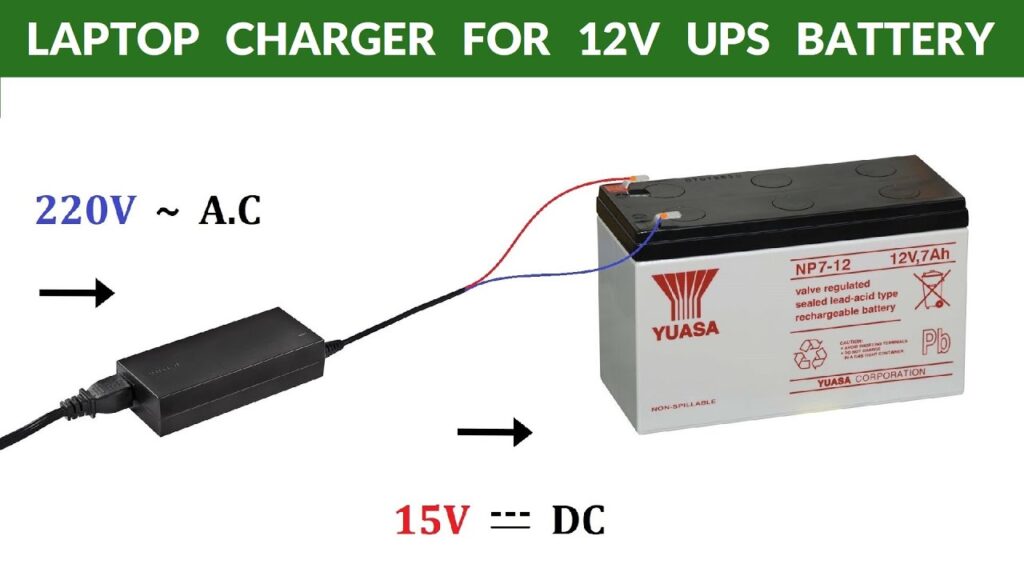
A 12V battery is a rechargeable battery that delivers 12 volts of electrical power. It is the standard voltage used in cars, trucks, motorcycles, RVs, boats, and solar energy storage systems. A 12V battery is a type of rechargeable battery that provides 12 volts of electrical power, and this voltage is the standard for many applications, especially in vehicles like cars, trucks, and motorcycles, as well as solar power systems and backup batteries.
The reason 12V batteries are so popular comes down to one simple fact: they work everywhere. Automobiles use them to power lights, radios, ignition systems, and onboard computers. Solar setups use them to store energy for later use. RVs and boats rely on them for all electrical needs while off the grid.
A typical 12V battery is actually made up of six 2V cells connected in series. Each cell produces roughly 2 volts, and when you add them all together, you get the 12V output you see on the label. Understanding this internal structure helps you grasp why charging voltage needs to be higher than 12V — you are essentially pushing energy back into each of those six cells at the same time.
The Main Types of 12V Batteries
Before you even think about 12V battery charging, you need to know which type of battery you are working with. Each type has different charging requirements, and using the wrong method can cause serious damage.
There are several types of 12V batteries, including lead-acid, AGM (Absorbent Glass Mat), gel, and lithium-ion. The charging methods can vary depending on the type of battery, so it’s important to know what type of 12V battery you are working with to ensure safe charging.
Here is a quick breakdown of each type:
| Battery Type | Charging Voltage (Bulk) | Float Voltage | Efficiency | Maintenance Level | Typical Lifespan |
|---|---|---|---|---|---|
| Flooded Lead-Acid | 14.4V – 14.7V | 13.2V – 13.5V | ~80% | High (water checks needed) | 3–5 years |
| AGM | 14.4V – 14.7V | 13.2V – 13.8V | ~90% | Low (sealed) | 5–7 years |
| Gel | 13.8V – 14.0V | 13.8V | ~95% | Very Low (sealed) | 5–7 years |
| LiFePO4 (Lithium) | 14.2V – 14.6V | 13.5V – 13.6V | ~98% | Minimal | 10+ years |
Flooded Lead-Acid Batteries
These are the most traditional and affordable type of 12V battery. They require regular maintenance, including checking and topping off the electrolyte (a mixture of sulfuric acid and water). The plates of flooded batteries must always be fully submerged in electrolyte. Fill the battery with distilled or de-ionized water to cover the plates if low. Never add electrolyte. They are commonly found in standard cars and trucks.
AGM (Absorbent Glass Mat) Batteries
AGM batteries are sealed and do not require water maintenance. The unique design of AGM batteries allows them to deliver faster start-ups and an increased cold cranking power compared to your conventional lead acid batteries. Their absorbent glass mat cell offers rugged durability and improved vibration resistance, as well as being spill and leak-proof. They are a popular upgrade for RVs, boats, and solar systems.
Suggested read: Instant Power Battery Charger: Everything You Need to Know About Portable Jump Starters and Emergency Charging Solutions
Gel Batteries
Gel batteries use a silica gel to suspend the electrolyte, making them completely sealed and spill-proof. They are very sensitive to overcharging, which is why they require a lower charging voltage than other lead-acid types. Gel batteries require lower voltages, usually around 13.8 to 14.0 volts, to prevent damage from excessive bubbling.
LiFePO4 (Lithium Iron Phosphate) Batteries
LiFePO4 batteries are the newest and most efficient option on the market. They are lightweight, have a very long cycle life, and require almost no maintenance. A high-quality 12V LiFePO4 battery can last between 3,000 to 5,000 cycles and potentially up to 10 years or more with proper care. They are becoming the go-to choice for RVs, solar systems, and off-grid applications.
Equipment You Need for 12V Battery Charging
Having the right gear before you start the charging process is not optional — it is essential for both safety and effectiveness.
Battery Charger: Choose a charger specifically designed for 12V batteries. Ensure it matches your battery type (lead-acid or lithium-ion) and has appropriate amperage settings. Safety Gear: Always wear protective gloves and safety glasses to protect yourself from potential spills or accidents during the charging process. Multimeter (Optional): A multimeter can help you monitor the voltage of your battery during charging.
Here is a full list of what you should have ready:
- A compatible 12V battery charger (matched to your battery type)
- Safety gloves (rubber or nitrile)
- Safety glasses or goggles
- A multimeter or voltmeter (to check voltage before and after charging)
- A wire brush or terminal cleaner (to remove corrosion)
- A clean, dry rag or cloth
- A well-ventilated area (outdoors or in a garage with the door open)
How to Charge a 12V Battery: Step-by-Step
Now that you know your battery type and have your equipment ready, here is how to properly perform 12V battery charging from start to finish.
Step 1: Prepare Your Workspace
Choose a well-ventilated area away from flames or sparks, and wear safety gear like gloves and goggles. Charging a lead-acid battery produces small amounts of hydrogen gas, so good airflow is critical. Never charge a battery near open flames, cigarettes, or sparks.
Step 2: Inspect the Battery
Before connecting anything, take a close look at your battery. Inspect the 12V battery for any visible damage, such as cracks, leaks, or bulging. If the battery appears damaged, do not attempt to charge it as it could pose a safety hazard. If you see any of these signs, stop immediately and replace the battery.
Step 3: Clean the Terminals
Corrosion on battery terminals is one of the most common issues people overlook. Use a wire brush or terminal cleaner to remove any white, green, or crusty buildup from both the positive (+) and negative (–) terminals. Clean terminals ensure a strong, safe electrical connection.
Step 4: Connect the Charger
Begin with the charger unplugged and turned off. Attach the red clamp to the positive terminal first, then the black clamp to the negative terminal. Ensure clamps are snug to prevent sparks. This order matters — always connect positive first and disconnect negative first. It is a basic safety rule that protects both you and the battery.
Step 5: Set the Correct Voltage and Mode
For a 12V battery, set the charger voltage around 14.2 to 14.7 volts depending on battery type — gel batteries require slightly lower voltage. If you are using a smart charger, it may detect the battery type and set the correct voltage automatically. If not, refer to the table above or check the label on your battery for the recommended charging voltage.
Suggested read: 48 Volt Charger: Everything You Need to Know About Selecting and Using High-Performance Battery Charging Solutions
Step 6: Turn On the Charger and Monitor
Once everything is connected and set correctly, plug in the charger and turn it on. Most modern chargers will display a charging indicator light or a percentage on a screen. When you go to recharge your battery, keep in mind that you should stop the process immediately if the battery begins to grow too hot as a result of the charging process. The temperature should not rise over 125°F.
Step 7: Wait for the Charge to Complete
Patience is key here. The time it takes depends on the size of your battery and the amperage of your charger. We will cover charging time calculations in detail in the next section.
Step 8: Disconnect the Charger
When charging is complete, turn off the charger first. Then disconnect the negative (black) clamp first, followed by the positive (red) clamp. This is the reverse of the connection order, and it is important for safety.
How Long Does It Take to Charge a 12V Battery?
Charging time is one of the most common questions people have about 12V battery charging. The answer depends on two main factors: the battery’s capacity (measured in amp-hours or Ah) and the charger’s output current (measured in amps or A).
The Basic Formula
The simplest way to estimate charging time is:
Charging Time (hours) = Battery Capacity (Ah) ÷ Charging Current (A)
For example, if you have a 100Ah battery and a 10A charger, the estimated charging time is 10 hours.
However, this formula assumes 100% efficiency, which is never the case in the real world. A more accurate formula factors in the battery’s efficiency:
Charging Time = Battery Capacity ÷ (Charging Current × Efficiency)
Different types of batteries have different efficiency factors, which affect how quickly they can be charged: Lead-Acid has 85% efficiency, AGM has 90% efficiency, Gel has 95% efficiency, and Lithium has 98% efficiency.
Charging Time Reference Table
| Battery Capacity | Charger Amperage | Battery Type | Estimated Charge Time |
|---|---|---|---|
| 50Ah | 10A | Lead-Acid | ~5.9 hours |
| 100Ah | 10A | Lead-Acid | ~11.8 hours |
| 100Ah | 20A | AGM | ~5.6 hours |
| 100Ah | 10A | LiFePO4 | ~10.2 hours |
| 200Ah | 20A | LiFePO4 | ~10.2 hours |
| 60Ah | 2A | Lead-Acid | ~35 hours |
Key Fact: The last 20% of the charging process (from 80 to 100%) takes around four hours with wet, gel and AGM batteries. This does not apply to Lithium Ion batteries, which are charged much faster.
Suggested read: Understanding Lyriq Max Charge Rate Under 90kW: Everything You Need to Know About Home Charging
Tips to Speed Up Charging
- Use a charger with a higher amperage rating (within your battery’s safe limits).
- Make sure your battery is not deeply discharged before you start — the more discharged it is, the longer the charge takes.
- Charge in a moderate temperature environment (between 60°F and 80°F / 15°C to 27°C).
- Use a smart charger with multi-stage charging capability.
Understanding the Three Stages of 12V Battery Charging
Most quality chargers use a three-stage charging process for lead-acid, AGM, and gel batteries. Understanding these stages helps you know what is happening during the charge and why it matters.
Stage 1: Bulk Charge
During bulk charging, the charger delivers a constant current at a rising voltage until the battery reaches about 80% state of charge. This is the fastest stage. The voltage during this phase typically sits between 14.4V and 14.7V for most lead-acid battery types.
Stage 2: Absorption Charge
Once the battery hits around 80%, the charger switches to a constant voltage and begins to reduce the current. This slower phase finishes filling the remaining 20% of the battery’s capacity without overcharging it. Manufacturers recommend a charge C-rate of 0.3C, but lead acid can be charged at a higher rate up to 80% state-of-charge without creating oxygen and water depletion.
Stage 3: Float Charge
The final stage is the float or maintenance charge. The charger drops the voltage down to a lower level — typically around 13.2V to 13.8V — and keeps the battery topped off without overcharging it. This stage is ideal for batteries that will sit idle for a while. Trickle chargers provide a low amp (1-2 amps), constant charge, ideal for maintaining a battery’s charge during storage. They are designed to prevent self-discharge and battery depletion over time.
| Charging Stage | Voltage Range (12V System) | Current Behavior | Purpose |
|---|---|---|---|
| Bulk | 14.4V – 14.7V | Constant, high | Rapid initial charge to ~80% |
| Absorption | 14.4V – 14.7V | Tapering down | Fills remaining 20% safely |
| Float | 13.2V – 13.8V | Very low (maintenance) | Keeps battery full without overcharging |
Note: LiFePO4 batteries do not follow this exact three-stage pattern. They use a constant current / constant voltage (CC/CV) method and charge much faster in the final stages.
How to Know When Your 12V Battery Is Fully Charged
Knowing when to stop charging is just as important as knowing how to start. Overcharging is one of the biggest threats to battery health. Here are the most reliable ways to tell if your battery is full:
- Charger indicator light: Most smart chargers have a light or display that changes color or shows a message when charging is complete.
- Voltage reading: A fully charged car battery will have 12.88 volts when the engine’s off. For flooded lead-acid batteries, a resting voltage of 12.6V to 12.8V indicates a full charge.
- Hydrometer reading (flooded batteries only): For flooded batteries, using a hydrometer can measure specific gravity; values around 1.265 or higher indicate full charge.
- Current tapering: On a smart charger, you will notice the charging current drop to a very low level (usually below 2–3% of battery capacity) when the battery is nearly or fully charged.
Charging a 12V Battery Without a Charger
Sometimes you find yourself in a situation where you do not have a dedicated battery charger handy. There are a few alternative methods that can work in a pinch, but none of them are as safe or effective as using a proper charger.
Jump-Starting with Another Vehicle
This is the most common emergency method. You use jumper cables to borrow power from another car’s battery to get your engine started. Once running, your vehicle’s alternator will begin recharging your battery.
Using Your Vehicle’s Alternator
While driving, you can use the vehicle’s alternator to charge a 12V lithium battery. However, monitor the voltage closely, as the alternator may not provide a precise charge. Simply driving your car for 20–30 minutes can help restore a weak battery. Keep in mind that this method is not recommended for LiFePO4 batteries without a dedicated DC-to-DC charger.
Solar Charging
Solar panel will be a good choice when you have no idea about how to charge 12v battery without a charger. This sustainable technique uses the sun’s energy to refuel your batteries and is commonly used with RVs. You will need a solar panel and a charge controller to regulate the voltage and protect your battery from overcharging.
Common Mistakes to Avoid When Charging a 12V Battery
Many people accidentally damage their batteries by making simple mistakes during the charging process. Here are the most common errors and how to avoid them:
Suggested read: Compleo Charging Station: Everything You Need to Know About Smart EV Charging Solutions
Mistake 1: Using the Wrong Charger
It is essential to avoid using chargers designed for other battery types, such as lead-acid, as they can damage lithium batteries. Always match your charger to your battery chemistry. A lead-acid charger on a lithium battery — or vice versa — can cause serious damage or even a fire.
Mistake 2: Reversing the Cable Connections
Reversing clamps can cause sparks, battery damage, or even explosion. Always double-check terminal polarity. The positive terminal is always marked with a + sign, and the negative terminal is marked with a – sign. Take your time and get it right.
Mistake 3: Overcharging
This is one of the most damaging mistakes you can make. Overcharging leads to the production of hydrogen and oxygen gases, which can cause the battery to swell or even explode. Continuous overcharging generates heat, accelerating internal chemical reactions and potentially damaging the battery’s internal components.
Signs of overcharging include:
- Battery feels very hot to the touch
- Swelling or bulging of the battery case
- Sulfur or rotten egg smell
- Electrolyte leaking from the battery
- Hissing or gurgling sounds
Mistake 4: Charging in Poor Conditions
Monitoring temperature during charging helps detect overheating early; charging should ideally occur between 15°C to 27°C (60°F to 80°F). Avoid charging when the battery is too cold or hot, as this can accelerate overcharging damage.
Mistake 5: Leaving the Charger Connected Too Long
Unless your charger has an automatic shut-off or float mode, leaving it connected after the battery is full will cause overcharging. Always unplug or turn off a manual charger once charging is complete.
Mistake 6: Ignoring Corroded Terminals
Dirty or corroded terminals create resistance in the circuit. This means the charger has to work harder, charging takes longer, and heat builds up in the connection — all of which can damage your battery or charger over time.
Choosing the Right 12V Battery Charger
Not all chargers are created equal. Here is a breakdown of the main types available and when to use each one:
| Charger Type | How It Works | Best For | Pros | Cons |
|---|---|---|---|---|
| Manual Charger | User must monitor and disconnect | Budget buyers | Affordable | Risk of overcharging |
| Smart Charger | Auto-adjusts voltage and current | Most users | Safe, efficient, versatile | More expensive |
| Trickle Charger | Low-amp constant charge | Long-term storage | Great for maintenance | Very slow charging |
| Solar Charger | Uses solar panels + charge controller | Off-grid / RV users | Eco-friendly, portable | Weather-dependent |
Automatic chargers, also known as “smart” chargers, are designed to monitor the battery’s condition and adjust the charging rate accordingly. They typically feature microprocessor technology that can detect the battery’s state of charge and adjust the voltage and current accordingly.
How to Pick the Right Charger Amperage
A general rule of thumb is to charge your battery at 10% to 20% of its total capacity. The charging output for a lead acid battery (i.e., Amp output) should generally be 10% – 20% of the battery’s maximum capacity. For example, a 100Ah Lead acid battery would require a charger rated at between 10amp – 20amp.
| Battery Capacity | Recommended Charger Amperage |
|---|---|
| 50Ah | 5A – 10A |
| 100Ah | 10A – 20A |
| 150Ah | 15A – 30A |
| 200Ah | 20A – 40A |
Charging 12V Batteries in Series vs. Parallel
If you have multiple 12V batteries in your system, you need to understand the difference between series and parallel connections — because they charge very differently.
Suggested read: DC DC Charging: Everything You Need to Know About Fast Electric Vehicle Power Solutions
Series Connection
A series connection links the positive terminal of one battery to the negative terminal of another, forming a higher-voltage system. Two 12V batteries in series create a 24V system. The amp-hour capacity stays the same, but the voltage doubles. This setup is used when you need higher voltage output.
Parallel Connection
A parallel connection joins all positive terminals together and all negative terminals together, keeping voltage constant but increasing total capacity. When you connect two 12V batteries in parallel, the output stays at 12V, but the amp-hour capacity doubles. So two 12V 100Ah batteries become a 12V 200Ah system. This is ideal for RVs and solar setups where you need longer run times at 12V.
Important: For safe and effective charging batteries in parallel, always use batteries with matching age, capacity, and chemistry to avoid imbalance or reduced lifespan.
How Temperature Affects 12V Battery Charging
Temperature plays a bigger role in battery charging than most people realize. Both extreme heat and extreme cold can hurt your battery’s performance and shorten its life.
In cold temperatures: Chemical reactions inside the battery slow down. This means the battery accepts charge more slowly and may appear to not be charging at all. In colder conditions, higher voltages may be required to ensure adequate charging as chemical reactions slow down.
In hot temperatures: The battery charges faster, but the risk of overcharging increases dramatically. Temperature compensation is critical: reduce approximately 0.03V per cell (about 0.18V for a 12V battery) for every 10°C (50°F) above 25°C (77°F).
Best practice: Charge your 12V battery in an environment between 60°F and 80°F (15°C to 27°C) whenever possible. If you must charge in extreme temperatures, use a charger with temperature compensation built in.
How to Maintain Your 12V Battery for a Longer Life
Good 12V battery charging habits are only half the battle. Proper maintenance keeps your battery healthy between charges.
- Charge after every use. At the earliest opportunity, lead-acid batteries should be charged to their maximum capacity. Never run a battery that is only partly charged for an extended period. Their lifespan and productivity will both suffer as a result of this.
- Keep terminals clean. Remove corrosion regularly with a wire brush or baking soda solution.
- Store batteries properly. Lead acid batteries must always be stored in a charged state. A topping charge should be applied every 6 months to prevent the voltage from dropping below 2.05V/cell and causing the battery to sulfate.
- Avoid deep discharges. Try to keep your battery above 20% state of charge at all times.
- Check electrolyte levels (flooded batteries only). Top off with distilled water as needed — never add acid.
- Use the right charger every time. Mismatched chargers are one of the fastest ways to destroy a battery.
Case Study: Solar-Powered RV with 12V Battery Bank
A popular real-world application of 12V battery charging is in solar-powered RVs. Here is a simplified example of how it all comes together:
| Component | Specification |
|---|---|
| Battery Type | LiFePO4 |
| Battery Bank | 4 × 12V 100Ah (400Ah total, parallel) |
| Solar Panel Array | 800W |
| Charge Controller | MPPT, 60A |
| Charging Voltage | 14.4V |
| Estimated Full Charge Time (from 50%) | ~4–5 hours (sunny day) |
| Expected Battery Lifespan | 10+ years / 4,000+ cycles |
In this setup, the solar panels generate power during the day, the MPPT charge controller regulates the voltage to protect the LiFePO4 batteries, and the battery bank stores energy for use at night or on cloudy days. The parallel connection keeps the system at 12V while maximizing capacity to 400Ah — enough to run an RV’s electrical system for extended periods without access to shore power.
🔋 Ready to Start Your 12V Battery Charging Journey?
Now that you understand the ins and outs of 12V battery charging, it is time to put this knowledge into action. Whether you are charging a simple car battery, maintaining an RV power system, or building an off-grid solar setup, the principles are the same: use the right charger, follow the correct voltage, monitor the process, and maintain your battery regularly.
Suggested read: CCS1 Charger: Everything You Need to Know About America's EV Charging Standard
👉 Take the first step today — inspect your 12V battery, grab a compatible smart charger, and perform a proper charge using the steps outlined above. A little effort now means years of reliable power later. Start your 12V battery charging routine today!
📌 Quick Reference: 12V Battery Charging at a Glance
| What You Need to Know | The Answer |
|---|---|
| Fully charged voltage (lead-acid, resting) | 12.6V – 12.8V |
| Bulk charging voltage | 14.4V – 14.7V |
| Float charging voltage | 13.2V – 13.8V |
| Safe charging temperature range | 60°F – 80°F (15°C – 27°C) |
| Max battery temperature during charge | 125°F (52°C) |
| Recommended charger amperage | 10% – 20% of battery capacity |
| Basic charge time formula | Capacity (Ah) ÷ Current (A) = Hours |
Also check out: The Bully in Charge – Chapter 97 — an exciting story that keeps readers coming back for more.
Sources and Citations
- Ufine Battery — How to Safely Charge a 12V Battery: Tips and Techniques — ufinebattery.com
- Redway Power — A Step-by-Step Guide on How to Charge 12V Battery — redwaypower.com
- MANLY Battery — How to Charge 12V Lithium Battery — manlybattery.com
- TYCORUN — A Step by Step Guide on How to Charge 12V Battery — tycorun.com
- 12VMonster Lighting — Best Practices For Charging and Maintaining Your 12 Volt Battery — 12vmonster.com
- Wistek — How to Charge a 12V Battery Step by Step Guide — wis-tek.com
- Interstate Batteries — How To Charge Your Car Battery — interstatebatteries.com
- MANLY Battery — Charging 12V Batteries: Series vs Parallel — manlybattery.com
❓ Frequently Asked Questions About 12V Battery Charging
How long does it take to fully charge a 12V battery? Charging time depends on the battery’s capacity and the charger’s amperage. A 100Ah battery with a 10A charger takes roughly 10–12 hours for lead-acid or about 10 hours for lithium. Use the formula: Capacity (Ah) ÷ Current (A) = Estimated Hours, then adjust for your battery’s efficiency rating.
What voltage should I use to charge a 12V battery? For most lead-acid and AGM batteries, the bulk charging voltage should be set between 14.4V and 14.7V. Gel batteries need a lower voltage of about 13.8V to 14.0V. LiFePO4 batteries typically charge at 14.2V to 14.6V. Always check your battery’s label or manual for the exact recommendation.
Can I charge a 12V battery with a solar panel? Yes, solar panels are a great way to charge a 12V battery, especially for RVs and off-grid systems. However, you must use a charge controller (PWM or MPPT) between the solar panels and the battery to regulate voltage and prevent overcharging.
What happens if I overcharge a 12V battery? Overcharging causes excessive gas production inside the battery, heat buildup, electrolyte loss, and plate corrosion. In severe cases, it can cause the battery to swell, leak, or even explode. Always use a smart charger with automatic shut-off or float mode to prevent this.
Is it safe to charge a 12V battery indoors? It is generally not recommended to charge a flooded lead-acid battery indoors because it produces hydrogen gas during charging. If you must charge indoors, make sure the space is very well ventilated. AGM, gel, and lithium batteries produce little to no gas and are safer for indoor charging.
Can I use a car charger on a deep cycle 12V battery? Not all car chargers are suitable for deep cycle batteries. Deep cycle batteries have thicker plates and different charging needs. Using a charger that is too high in amperage or lacks multi-stage charging can damage a deep cycle battery. Always use a charger that is specifically rated for deep cycle use.
How do I know if my 12V battery is fully charged without a charger? Use a multimeter set to DC voltage and measure the voltage across the battery terminals while it is at rest (not connected to any load or charger for at least two hours). A reading of 12.6V to 12.8V indicates a fully charged lead-acid battery. For LiFePO4, look for a resting voltage of about 13.2V to 13.4V.
What is the best charger amperage for a 12V battery? The general rule is to use a charger rated at 10% to 20% of your battery’s Ah capacity. For a 100Ah battery, that means a charger between 10A and 20A. Higher amperage charges faster but can stress the battery if used consistently. Lower amperage is gentler on the battery but takes longer.