Choosing the right LiFePO4 battery charger can make the difference between years of reliable battery performance and premature battery failure that costs hundreds or thousands of dollars in replacements. LiFePO4 (Lithium Iron Phosphate) batteries have revolutionized energy storage for RVs, solar systems, marine applications, and electric vehicles, but these advanced batteries require specialized charging technology that differs fundamentally from traditional lead-acid chargers.
A proper LiFePO4 battery charger uses a specific charging algorithm designed to maximize battery lifespan, prevent damage from overcharging or undercharging, and deliver optimal performance across thousands of charge cycles. This article explores everything you need to know about selecting, using, and optimizing LiFePO4 battery chargers for your specific application, whether you’re powering an off-grid solar installation, maintaining marine batteries, or managing fleet vehicle charging systems.
Understanding LiFePO4 Battery Technology and Charging Requirements
LiFePO4 batteries represent a significant technological advancement over traditional battery chemistries, offering superior safety characteristics, longer cycle life, and better performance across a wider temperature range than conventional lithium-ion or lead-acid batteries. The chemistry of Lithium Iron Phosphate creates a stable crystalline structure that resists thermal runaway, making these batteries substantially safer than other lithium chemistries. According to research published by the International Journal of Electrochemical Science, LiFePO4 batteries can achieve 2,000 to 5,000 charge cycles at 80% depth of discharge, compared to just 300-500 cycles for traditional lead-acid batteries.
The unique charging requirements of LiFePO4 batteries stem from their flat discharge curve and specific voltage parameters. Unlike lead-acid batteries that can tolerate some charging abuse, LiFePO4 cells are damaged by overcharging beyond 3.65 volts per cell or deep discharging below 2.5 volts per cell. A quality lifep04 battery charger incorporates precise voltage regulation and temperature monitoring to prevent these damaging conditions. The charging process follows a Constant Current/Constant Voltage (CC/CV) profile, but the voltage setpoints and current limits differ significantly from other battery types.
Temperature compensation is another critical feature that distinguishes professional-grade LiFePO4 chargers from basic models. Battery charging efficiency and safe voltage limits vary with temperature, and premium chargers include temperature sensors that adjust charging parameters automatically. Research from Battery University demonstrates that charging efficiency drops by approximately 20% at temperatures below 32°F (0°C), and attempting to charge frozen LiFePO4 batteries can cause permanent damage through lithium plating on the anode.
Key Features to Look for in a LiFePO4 Battery Charger
When evaluating LiFePO4 battery chargers, several critical features separate premium products from budget alternatives that may compromise battery health and longevity. The charging algorithm represents the most important specification, as it must precisely match LiFePO4 chemistry requirements. Professional-grade chargers offer selectable battery profiles or dedicated LiFePO4 modes that set the bulk charge voltage to 14.4-14.6V for 12V systems (3.6-3.65V per cell), significantly lower than the 14.8V+ used for lead-acid absorption charging.
Multi-stage charging capability ensures optimal battery health through distinct charging phases. The bulk stage delivers maximum current until the battery reaches approximately 90% capacity. The absorption stage maintains constant voltage while current gradually decreases, fully saturating the battery. The float or storage stage maintains the battery at a lower voltage (typically 13.6V for 12V LiFePO4) to prevent self-discharge without overcharging. Some advanced chargers include an equalization stage specifically designed for LiFePO4 cell balancing.
Current capacity matching is essential for efficient charging without battery stress. As a general rule, your LiFePO4 battery charger should deliver current equal to 10-30% of your battery bank’s amp-hour capacity. A 200Ah battery bank performs optimally with a 20-60 amp charger. Larger current capacity reduces charging time but requires more robust wiring and connections. Industrial applications often use chargers rated at 50% or more of battery capacity for rapid turnaround.
Built-in safety protections distinguish professional equipment from consumer-grade products. Essential protections include reverse polarity protection (prevents damage from incorrect connections), over-temperature shutdown (protects both charger and battery), short circuit protection, and over-current limiting. Premium chargers add spark suppression, electromagnetic interference filtering, and conformal coating on circuit boards for harsh environment operation.
Communication and monitoring capabilities enable sophisticated battery management in modern installations. CAN bus connectivity allows the charger to communicate directly with LiFePO4 batteries that have integrated Battery Management Systems (BMS), receiving real-time information about cell voltages, temperature, and state of charge. Bluetooth and WiFi connectivity enables remote monitoring and parameter adjustment through smartphone apps. Data logging features track charging history, helping diagnose issues and optimize performance.
Suggested read: AGM Battery Charging: Essential Techniques for Maximum Performance and Longevity
Types of LiFePO4 Battery Chargers for Different Applications
The market offers several distinct categories of LiFePO4 battery chargers, each optimized for specific use cases and installation requirements. Understanding these categories helps you select equipment that matches your technical requirements and budget constraints. Portable chargers designed for occasional use typically range from 10-30 amps and include carrying handles, compact designs, and simple operation. These units suit RV owners, boat operators, and occasional users who need reliable charging without permanent installation complexity.
Onboard chargers permanently mount in vehicles, boats, or equipment and connect directly to battery banks with heavy-gauge wiring. Marine-grade onboard chargers feature waterproof enclosures rated to IP67 or higher, corrosion-resistant materials, and vibration-resistant mounting. These chargers often include multiple banks, allowing simultaneous charging of house batteries, starter batteries, and auxiliary systems. Premium marine chargers from manufacturers like Victron Energy and Sterling Power incorporate three-stage charging profiles specifically calibrated for LiFePO4 chemistry.
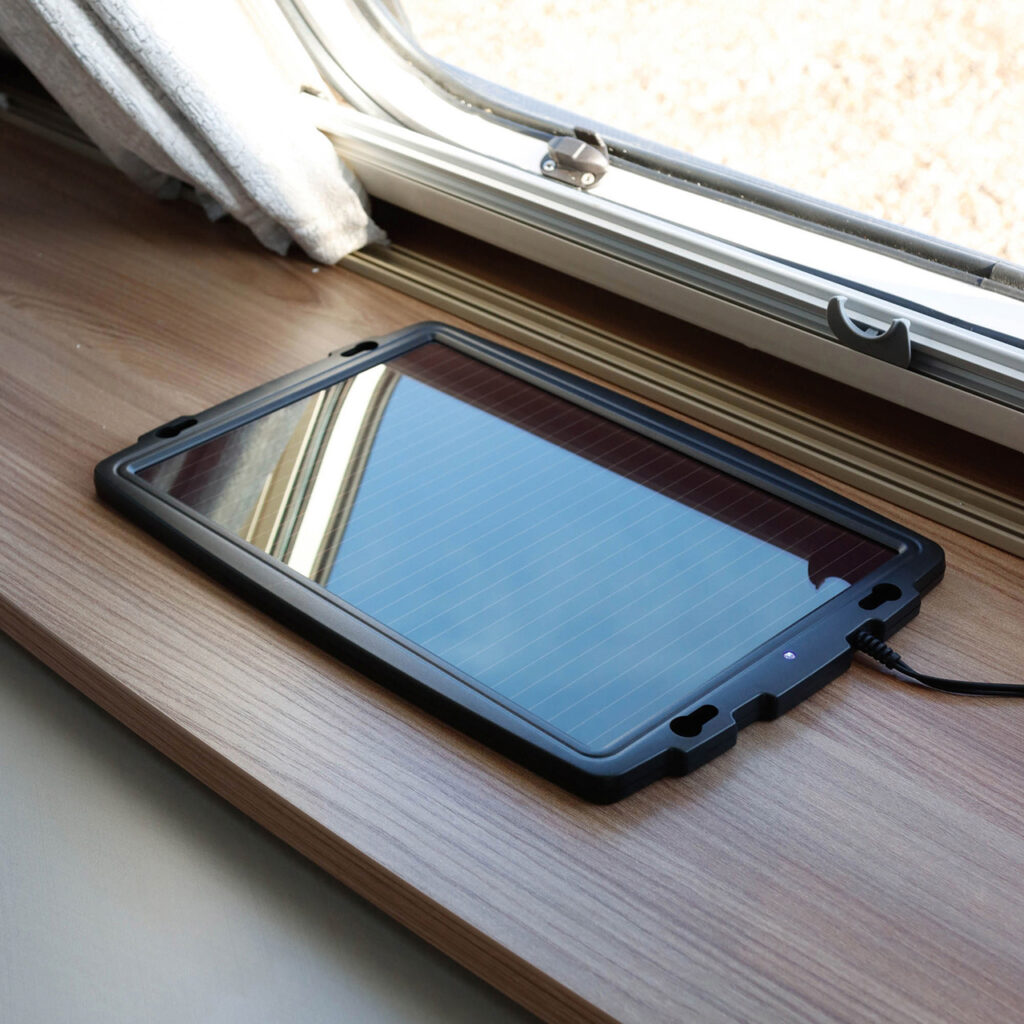
Solar charge controllers represent a specialized category of LiFePO4 battery chargers designed for photovoltaic system integration. MPPT (Maximum Power Point Tracking) controllers deliver 20-30% more charging efficiency than PWM (Pulse Width Modulation) controllers by continuously optimizing the voltage-current relationship. Leading MPPT controllers like those from Victron, Morningstar, and Outback Power offer programmable LiFePO4 profiles, temperature compensation, and network communication. Solar installations benefit from controllers with higher voltage input capability, allowing series connection of more panels for reduced wire losses.
DC-DC chargers solve the unique challenge of charging auxiliary battery banks from vehicle alternators. Modern “smart” alternators in vehicles pose problems for traditional battery charging, as they vary output voltage and may enter low-voltage mode to reduce engine load. Quality DC-DC chargers like the Renogy or quiq battery charger systems isolate the auxiliary battery and provide proper LiFePO4 charging regardless of alternator behavior. These units typically handle 12V-12V or 24V-24V conversion with current ratings from 20-60 amps.
Sizing Your LiFePO4 Battery Charger Correctly
Proper sizing of your LiFePO4 battery charger balances charging speed, electrical system capacity, and budget considerations to deliver optimal performance without overstressing components. The fundamental calculation starts with your battery bank’s amp-hour (Ah) capacity and desired charging time. A commonly recommended charging current equals 0.2C to 0.5C, where C represents the battery capacity. For a 200Ah battery bank, this translates to 40-100 amps of charging current (0.2 x 200 = 40A, 0.5 x 200 = 100A).
Charging time calculations must account for charger efficiency and the charging curve’s characteristics. LiFePO4 batteries accept high current rates through most of their charging cycle but taper current in the final 10-20% as voltage reaches the absorption setpoint. A 200Ah battery depleted to 50% (100Ah deficit) charged at 50 amps will require approximately 2.5-3 hours to reach full charge, accounting for the tapering current in absorption mode. This contrasts sharply with lead-acid batteries, which require 6-8 hours for the same capacity recovery due to lower charge acceptance rates.
Electrical system limitations often constrain charger sizing more than battery specifications. Shore power connections typically provide 30 or 50 amps at 120V for RVs and boats. A 30-amp shore connection delivers approximately 3,600 watts maximum. After accounting for 90% charger efficiency and other onboard loads, you might have 2,500-3,000 watts available for battery charging. For a 12V system, this allows a maximum charger current of about 200-250 amps (3,000W ÷ 12V = 250A), though practical installations rarely exceed 150 amps to maintain safety margins.
Generator-based charging requires additional considerations including generator capacity, surge ratings, and power factor. Two-stage generators common in RVs may struggle with the continuous high current draw of large chargers. A 3,000-watt generator might specify 25 amps continuous output at 120V, limiting you to approximately 2,000 watts of charging power after efficiency losses. Inverter generators typically handle battery charger loads better than conventional generators due to their cleaner power output and better voltage regulation.
Multiple charger installations provide redundancy and increased charging capacity for large battery banks. Solar systems frequently combine MPPT charge controllers with shore power chargers, allowing simultaneous charging from multiple sources. The battery’s BMS coordinates these inputs, accepting charge current from all sources up to its maximum charge rate limit. Premium BMS systems communicate with compatible chargers to dynamically allocate available charging current and prevent exceeding safe limits.
Installation Best Practices for LiFePO4 Battery Chargers
Professional installation of your LiFePO4 battery charger ensures safety, maximizes performance, and protects your investment in batteries and electrical systems. Wire sizing represents the critical first consideration, as undersized conductors create voltage drop that reduces charging efficiency and generates dangerous heat. The American Boat and Yacht Council (ABYC) standards recommend wire sizing that limits voltage drop to 3% for charging circuits. For a 50-amp charger on a 12V system with 10 feet of total wire run, this requires minimum 6 AWG wire, though 4 AWG provides better performance and future capacity.
Proper fusing and circuit protection prevents catastrophic failures from short circuits or equipment malfunctions. Install a fuse or circuit breaker rated slightly above the charger’s maximum output current (typically 125% of continuous rating) as close to the battery as practical. Use ANL fuses or Class T fuses for high-current applications, as these provide faster response than traditional automotive fuses. Never rely on the charger’s internal protection alone, as external faults in wiring can bypass these protections.
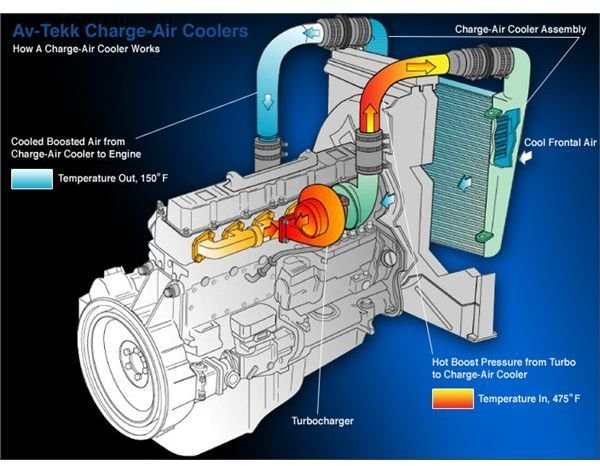
Suggested read: Charge Air Cooler System: Enhancing Engine Performance and Efficiency
Ventilation requirements vary by charger technology but remain important for reliability and longevity. Switch-mode chargers generate significant heat despite their efficiency, with 10-15% of input power dissipated as heat. A 1,000-watt charger produces 100-150 watts of heat that must dissipate through the enclosure. Install chargers in locations with good air circulation, maintaining minimum clearances specified by manufacturers (typically 2-4 inches on all sides). Forced air cooling through fans extends charger life and enables operation at higher ambient temperatures.
Temperature sensor placement critically affects charging performance and battery health. Most quality LiFePO4 battery chargers include remote temperature sensors that should mount directly on the battery case or terminal, secured with adhesive or mechanical fasteners. Never place temperature sensors on metal surfaces not part of the battery, as these may not accurately reflect battery temperature. In multi-battery installations, mount the sensor on the battery most likely to run warmest, typically the one closest to heat sources or with poorest ventilation.
Grounding and bonding requirements differ for marine, RV, and stationary installations. Marine installations require galvanic isolation between shore power and DC systems to prevent stray current corrosion. Use an isolation transformer or select a charger with built-in galvanic isolation. RV installations typically bond the chassis to the DC negative, creating a single-point ground. Stationary installations should follow National Electrical Code (NEC) requirements for grounding and bonding. Improper grounding creates shock hazards and equipment damage from ground loops and stray currents.
Comparison: LiFePO4 vs. Traditional Battery Chargers
| Feature | LiFePO4 Battery Charger | Lead-Acid Charger | AGM Charger |
|---|---|---|---|
| Bulk Voltage (12V) | 14.4-14.6V | 14.4-14.8V | 14.6-14.8V |
| Float Voltage (12V) | 13.6V | 13.2-13.8V | 13.4-13.8V |
| Temperature Compensation | Essential | Recommended | Recommended |
| Charge Acceptance Rate | Very High (1C+) | Low (0.2C) | Medium (0.3C) |
| Equalization Mode | Cell Balancing | Desulfation | Not Used |
| Price Range | $200-$1,500 | $50-$300 | $100-$500 |
| Typical Efficiency | 92-95% | 75-85% | 80-90% |
| Communication Protocols | CAN, Bluetooth, WiFi | Basic/None | Some Models |
Maintenance and Troubleshooting Your LiFePO4 Battery Charger
Regular maintenance of your LiFePO4 battery charger prevents problems and extends equipment life while ensuring optimal battery charging performance. Visual inspections should occur monthly for permanently installed chargers and before each use for portable units. Check all connections for tightness, corrosion, or discoloration indicating overheating. Loose connections create high resistance that generates heat and reduces charging efficiency. Marine installations require particular attention as salt air accelerates corrosion.
Dust and debris accumulation on cooling fins and ventilation openings reduces heat dissipation and forces chargers to operate at elevated temperatures. Clean ventilation areas quarterly using compressed air or soft brushes, taking care not to introduce moisture into electrical components. For marine applications, spray electrical contacts with corrosion inhibitor specifically formulated for electronics, avoiding oil-based products that attract dirt.
Performance testing verifies your charger delivers correct voltage and current throughout the charging cycle. Using a quality multimeter, measure output voltage during bulk charging (should match your LiFePO4 profile settings, typically 14.4-14.6V for 12V batteries), absorption mode (voltage should hold steady while current decreases), and float mode (typically 13.6V). Significant deviation from specified values indicates charger malfunction requiring professional service or replacement.
Common troubleshooting scenarios include chargers that won’t initiate charging, typically caused by reverse polarity lockout, low battery voltage below the charger’s minimum threshold, or BMS disconnect. Check battery voltage with a multimeter; if below 10V for a 12V battery, the BMS may have disconnected due to over-discharge. Some chargers include a “force charge” or “recovery” mode for deeply discharged batteries, though this should be used cautiously following manufacturer guidance.
Chargers that cycle on and off repeatedly often indicate problems with the battery BMS or charger voltage sensing. The BMS might be temporarily disconnecting during charging if it detects overvoltage on any cell, causing the charger to stop, then restart when voltage drops. This scenario requires cell voltage balancing or BMS adjustment. Alternatively, poor connections create voltage spikes that trip the charger’s protection circuits. Verify all connections are clean, tight, and properly sized for current loads.
Overheating protection activation suggests inadequate ventilation, excessive ambient temperature, or charger component degradation. Ensure minimum clearances around the charger meet manufacturer specifications. If the charger operates in high-temperature environments (engine rooms, direct sunlight), consider relocating or adding forced-air cooling. Persistent overheating despite proper installation indicates internal component failure requiring professional repair or replacement.
Advanced Features in Modern LiFePO4 Battery Chargers
The latest generation of LiFePO4 battery chargers incorporates sophisticated technologies that optimize performance, extend battery life, and integrate seamlessly with modern energy management systems. Adaptive charging algorithms monitor battery response in real-time and adjust charging parameters dynamically based on battery condition, temperature, and age. These algorithms prevent the one-size-fits-all approach of fixed charging profiles, potentially extending battery life by 20-30% according to research from leading battery manufacturers.
Network-enabled chargers transform battery charging from a standalone function to an integrated component of comprehensive energy management. Victron’s VE.Direct and VE.Can protocols allow chargers to share data with solar charge controllers, inverters, and battery monitors, creating a coordinated system that optimizes energy flow. In solar-plus-storage systems, the charger can reduce AC charging when solar production increases, minimizing grid dependence and utility costs.
Suggested read: Silver Charger Plates: Frequently Asked Questions — Your Complete Guide to Buying, Using, and Caring for Them
Power factor correction (PFC) represents an increasingly important feature for grid-connected applications, particularly in commercial and industrial settings where utilities impose power factor penalties. Quality chargers with active PFC maintain power factors above 0.95, reducing apparent power consumption and potentially lowering electricity costs. PFC also reduces harmonic distortion on electrical circuits, benefiting other connected equipment.
Programmable charging profiles enable customization for specific battery brands and applications. Different LiFePO4 battery manufacturers recommend slightly different voltage setpoints and charging procedures. Programmable chargers store multiple profiles, allowing users to switch between settings when using different battery types or update parameters as manufacturers refine recommendations. This flexibility protects your investment by ensuring charging always matches current best practices.
Battery desulfation and reconditioning modes, while primarily beneficial for lead-acid batteries, have LiFePO4 equivalents focused on cell balancing. Top-balancing functions apply controlled overcharge to bring all cells to equal voltage, compensating for capacity variations between cells. Bottom-balancing instead equalizes cells at their minimum voltage. Your battery manufacturer’s recommendations determine which approach suits your application best.
Case Studies: Real-World LiFePO4 Charger Performance
Case Study 1: Off-Grid Solar Installation
A rural homeowner in Arizona installed a 10kWh LiFePO4 battery system with a 3,000-watt solar array and 80-amp LiFePO4 battery charger connected to a backup generator. Initial installation used a modified lead-acid charger set to “AGM” mode, resulting in chronic undercharging and poor battery performance. Voltage logs showed the charger never exceeded 14.0V, leaving batteries consistently at 85-90% capacity. After upgrading to a dedicated LiFePO4 charger with proper 14.6V bulk voltage and temperature compensation, battery capacity utilization increased to 98-99%, virtually eliminating generator runtime. Annual generator fuel costs dropped from approximately $800 to under $200, and battery cycle life projections increased by an estimated 40%.
Case Study 2: Marine Liveaboard Application
A sailboat with 600Ah of LiFePO4 house batteries experienced premature battery degradation after 18 months, despite the batteries’ rated 3,000+ cycle life. Investigation revealed the 60-amp shore power charger lacked proper LiFePO4 programming and regularly exceeded 14.8V during charging, causing excessive gassing and cell damage. The boat’s solar charge controller, while LiFePO4-compatible, was improperly programmed with lead-acid settings. After replacing the shore charger with a Victron MultiPlus inverter/charger configured for LiFePO4 and reprogramming the solar controller, cell voltage imbalance disappeared and battery capacity returned to 95% of nominal. The investment of $1,800 in proper charging equipment prevented a $4,500 battery replacement.
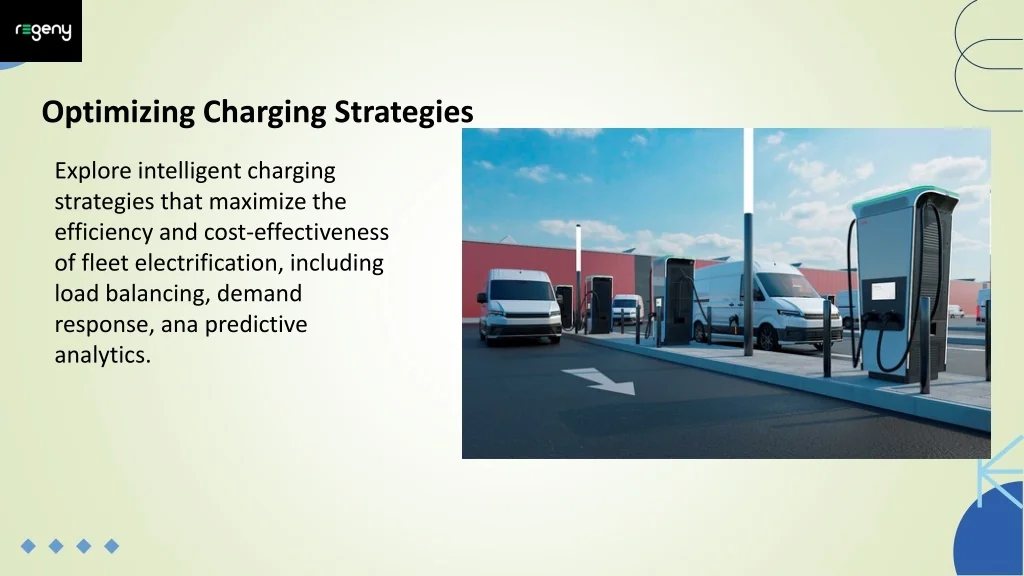
Case Study 3: Commercial Delivery Fleet
A delivery company operating 25 electric utility vehicles experienced inconsistent vehicle range and frequent battery failures in their LiFePO4-powered fleet. The existing lifep04 battery chargers, while rated for lithium batteries, lacked communication with the vehicles’ BMS systems and used simple timer-based charging. Implementation of networked chargers with CAN bus communication and adaptive charging algorithms reduced average charging time by 35% while increasing battery longevity. After 12 months, battery capacity retention improved from 78% to 94% across the fleet, and unscheduled maintenance events decreased by 62%. The data-logging capability identified three vehicles with BMS failures before battery damage occurred, preventing $15,000 in replacement costs.
Integrating Your LiFePO4 Battery Charger with Solar Systems
Solar-powered LiFePO4 installations require careful integration of LiFePO4 battery chargers with photovoltaic systems to maximize energy harvest while protecting battery health. The solar charge controller serves as the primary charger during daylight hours, while shore power or generator chargers supplement during periods of insufficient solar production. Proper integration prevents conflicts between charging sources and ensures batteries receive optimal charging regardless of which source provides power.
MPPT charge controllers designed for LiFePO4 applications include specific programming for lithium chemistry, setting bulk voltage to 14.4-14.6V and float voltage to 13.6V. Premium controllers from manufacturers like Victron Energy, Morningstar, and Outback Power allow detailed parameter adjustment including absorption time, tail current (the current threshold that ends absorption), and temperature compensation coefficients. These adjustments fine-tune charging for your specific battery brand and installation environment.
Suggested read: Alternator Not Charging Battery? Here's Exactly Why It Happens and How to Fix It
Multi-source charging scenarios require coordination to prevent exceeding battery maximum charge current limits. If your LiFePO4 battery specifies a 100-amp maximum charge rate, and you have a 60-amp solar controller plus a 50-amp shore charger, both sources together could exceed this limit. Quality BMS systems manage this by disconnecting charge sources when limits are approached. Alternatively, select chargers with external control inputs that reduce output when total current exceeds safe limits.
Load prioritization strategies optimize energy use in solar systems with limited battery capacity. During sunny periods with excess solar production, route surplus energy directly to loads rather than batteries to minimize cycling. Sophisticated energy management systems from Victron, Magnum, and Schneider Electric automatically prioritize loads, reducing battery cycles and extending battery life. Research indicates that minimizing shallow cycling increases LiFePO4 battery calendar life significantly.
Temperature management in solar installations presents unique challenges, particularly in hot climates where battery temperatures may exceed 100°F (38°C). High temperatures reduce safe charging voltage and accelerate battery degradation. Quality solar charge controllers reduce charging voltage automatically as temperature increases, typically decreasing voltage by 0.03V per degree Celsius above 25°C. Ensure temperature sensors mount directly on batteries and consider active battery cooling for extreme environments.
Cost Analysis: Investment in Quality LiFePO4 Battery Chargers
Understanding the true cost of LiFePO4 battery chargers requires analysis beyond initial purchase price to include installation costs, operational efficiency, and impact on battery longevity. Entry-level chargers suitable for small LiFePO4 batteries (10-30 amps) range from $150-$400, offering basic lithium charging profiles without advanced features like temperature compensation or network connectivity. These units suit occasional users with single batteries who need simple, reliable charging.
Mid-range chargers priced $400-$900 typically offer 30-60 amp capacity, multiple programmable profiles, temperature compensation, and basic monitoring features. These represent the sweet spot for serious RV and marine users with 200-400Ah battery banks. Premium features in this category include waterproof construction, multi-bank charging, and smartphone app connectivity. Brands like Renogy, NOCO, and Progressive Dynamics dominate this segment.
High-end professional chargers exceeding $900 serve large battery systems and demanding applications requiring maximum reliability and features. Industrial-grade chargers from Victron Energy, Mastervolt, and Magnum Energy include comprehensive communication protocols, active PFC, wide input voltage ranges, and military-spec construction. A Victron MultiPlus 3000W inverter/charger costs approximately $1,500-$2,000 but combines inverter and charger functions while providing unmatched flexibility and integration capability.
Total cost of ownership calculations reveal that premium chargers often deliver better value than budget alternatives. Consider a scenario with a $3,000 LiFePO4 battery bank rated for 3,000 cycles. A $300 basic charger without proper LiFePO4 programming might reduce usable cycles to 2,000 through chronic undercharging or overcharging, effectively costing $1.50 per cycle ($3,000 ÷ 2,000). A $800 premium charger delivering the full 3,000 cycles reduces cost per cycle to $1.27 ([$3,000 + $800] ÷ 3,000), providing better value despite higher initial cost.
Installation costs vary dramatically based on application complexity and professional labor rates. DIY installation of portable chargers requires only plug-and-play connection, while permanent installations demand proper wiring, circuit protection, and ventilation. Professional installation typically ranges $200-$800 depending on wire runs, charging capacity, and accessibility. Marine installations command premium pricing due to waterproofing requirements and specialized labor.
Operational costs include electricity consumption and maintenance expenses. High-efficiency chargers (92-95% efficiency) waste less energy as heat, reducing electricity costs and cooling requirements. A 50-amp charger operating 3 hours daily at 90% efficiency consumes approximately 700 watt-hours per day, costing roughly $2.50 monthly at $0.12/kWh electricity rates. Lower-efficiency chargers (80-85% efficiency) increase these costs by 10-15% while generating more heat and requiring better ventilation.
Environmental and Regulatory Considerations
LiFePO4 battery chargers must comply with various environmental and safety regulations depending on installation location and application. In the United States, the Federal Communications Commission (FCC) regulates electromagnetic interference, requiring chargers to meet Part 15 standards for conducted and radiated emissions. Quality chargers include appropriate filtering and shielding to prevent interference with radio communications, GPS systems, and other sensitive electronics common in RV and marine environments.
UL (Underwriters Laboratories) certification provides assurance of electrical safety through rigorous testing of charger construction, thermal management, and failure modes. UL 1564 specifically covers marine battery chargers, while UL 1236 addresses portable battery chargers. European installations require CE marking indicating compliance with applicable EU directives including the Low Voltage Directive and EMC Directive. These certifications aren’t merely bureaucratic requirements—they indicate chargers underwent extensive testing for fire safety, electrical shock protection, and reliable operation.
Suggested read: Best 48V Battery Charger: Smart Buying Guide 2025
Environmental conditions significantly impact charger selection and performance. Marine environments’ salt air and moisture require chargers with conformal-coated circuit boards and sealed enclosures rated IP65 or higher. The American Boat and Yacht Council (ABYC) publishes standards E-11 for AC electrical systems and E-13 for battery chargers, specifying ignition protection requirements and installation practices that prevent fires and electrical hazards.
Energy efficiency regulations increasingly affect battery charger design globally. California’s Title 20 Appliance Efficiency Regulations mandate minimum efficiency standards for battery chargers, requiring specific efficiency levels at different load points. The European Union’s Ecodesign Directive establishes similar requirements. These regulations drive charger manufacturers toward switch-mode topologies and active power factor correction, benefiting consumers through reduced electricity consumption and cooler operation.
Recycling and end-of-life disposal considerations apply to both chargers and batteries. Many components in quality LiFePO4 battery chargers contain valuable materials including copper, aluminum, and electronic components that should be recycled rather than landfilled. Check local regulations for e-waste disposal and consider manufacturers offering take-back programs. Some premium chargers carry extended warranties (5-10 years) and field-repairable designs that reduce environmental impact through longer service life.
Product Comparison: Leading LiFePO4 Battery Charger Brands
Victron Energy Blue Smart Chargers
Victron Energy’s Blue Smart LiFePO4 battery charger line represents the premium segment with exceptional build quality, comprehensive features, and proven reliability. Models range from 15 to 120 amps with prices from $350-$1,200. Bluetooth connectivity enables smartphone monitoring and configuration through the VictronConnect app. Adaptive charging algorithms adjust parameters based on battery response, temperature, and age. The 5-year warranty and global support network provide confidence for critical applications. According to independent testing, Victron chargers maintain ±0.1V voltage accuracy and 94-95% efficiency across their operating range.
Renogy DC-DC Chargers
Renogy specializes in solar and DC-DC LiFePO4 battery chargers optimized for mobile applications. Their 20-60 amp models ($200-$450) excel in vehicle-based installations, combining alternator charging with solar input. Multi-stage charging profiles specifically address LiFePO4 requirements while maintaining compatibility with AGM and flooded batteries. Temperature compensation and programmable parameters via LCD display provide flexibility without requiring smartphone apps or network connectivity. Customer reviews consistently praise reliability and value, though some users note limited technical support compared to premium brands.
NOCO Genius Series
NOCO’s Genius series offers versatile LiFePO4 battery chargers suitable for multiple battery chemistries through selectable modes. Models from 10-40 amps ($150-$500) feature compact designs, intuitive operation, and spark-proof connections. The repair mode attempts to recover deeply discharged batteries that conventional chargers reject. NOCO’s widespread retail availability and competitive pricing make these chargers popular for RV and automotive applications. However, the multi-chemistry design means LiFePO4 optimization isn’t as refined as dedicated lithium chargers.
Progressive Dynamics Inteli-Power 9100 Series
Progressive Dynamics’ 9100 series converter/chargers dominate the RV market through OEM partnerships and retrofit installations. Prices range $250-$600 for 45-90 amp models. The Charge Wizard module adds lithium charging capability to standard units, though programming requires purchasing model-specific modules. Three-stage charging with adjustable setpoints suits LiFePO4 applications. The widespread adoption in RVs means extensive dealer support and replacement parts availability. Critics note that the Charge Wizard approach adds complexity compared to integrated lithium chargers.
Optimizing Charge Settings for Maximum Battery Life
Fine-tuning your LiFePO4 battery charger settings beyond factory defaults can significantly extend battery life and improve system performance. Bulk voltage represents the most critical parameter, with most LiFePO4 batteries specifying 14.4-14.6V for 12V systems. Conservative charging using 14.4V reduces stress on cells and extends cycle life, while 14.6V provides fuller charges and may benefit batteries with weaker cells requiring balancing. Consult your battery manufacturer’s specifications, as some premium cells tolerate 14.8V while budget cells may suffer degradation above 14.4V.
Absorption time determines how long the charger maintains constant voltage after reaching bulk voltage setpoint. LiFePO4 batteries require minimal absorption compared to lead-acid—typically 15-30 minutes versus 2-4 hours. Excessive absorption time wastes energy and generates unnecessary heat. Configure absorption to end when current drops to 2-4% of battery capacity (tail current). For a 200Ah battery, set tail current to 4-8 amps. This ensures full charge without unnecessary stress.
Float voltage settings prevent self-discharge during storage while avoiding trickle charge that can damage LiFePO4 cells. Set float voltage to 13.5-13.6V for 12V batteries. Some experts argue LiFePO4 batteries don’t require float charging at all, advocating instead for periodic bulk charges when voltage drops to 13.2V. This approach works well for regularly used systems but may allow excessive discharge in long-term storage scenarios. Consider your usage pattern when deciding between continuous float and periodic charging strategies.
Temperature compensation coefficients should match your battery specifications, typically -0.02 to -0.03V per degree Celsius above 25°C. This reduces charging voltage in hot weather, preventing thermal runaway and cell damage. Cold temperature charging requires different considerations—many LiFePO4 batteries prohibit charging below 32°F (0°C) due to lithium plating risks. Quality chargers suspend charging when temperature sensors detect freezing conditions, protecting batteries from permanent damage.
Suggested read: Instant Power Battery Charger: Everything You Need to Know About Portable Jump Starters and Emergency Charging Solutions
Equalization or cell balancing procedures vary by battery design. Batteries with external BMS systems often handle balancing automatically without charger intervention. Batteries with passive balancing may benefit from periodic “top balancing” where the charger maintains absorption voltage for extended periods (2-4 hours) to allow balancing resistors to equalize cell voltages. Active balancing systems transfer energy between cells electronically, requiring no special charger cooperation. Understand your battery’s balancing method before implementing equalization procedures.
Safety Protocols and Best Practices
Operating LiFePO4 battery chargers safely requires understanding potential hazards and implementing appropriate precautions to protect personnel and equipment. While LiFePO4 chemistry is inherently safer than other lithium types, charging generates heat, electrical hazards, and potential for battery damage if mismanaged. Personal protective equipment including safety glasses and insulated gloves should be worn when connecting or servicing chargers, particularly in professional or industrial settings where higher currents and voltages create increased risk.
Ventilation requirements extend beyond charger cooling to include battery gas management. Although LiFePO4 batteries don’t outgas hydrogen like lead-acid batteries, malfunctioning cells can vent electrolyte and produce hazardous fumes. Install batteries and chargers in areas with adequate ventilation, avoiding completely sealed enclosures. For RV and marine applications, battery compartments should include vents to exterior areas, preventing accumulation of gases that might indicate battery failure.
Connection sequence matters when attaching chargers to batteries. Always connect positive first, then negative, and reverse this sequence when disconnecting (negative first, then positive). This minimizes spark risk and prevents accidental short circuits through tools or jewelry. Use insulated tools and remove jewelry before working on battery systems. In high-current installations exceeding 100 amps, consider installing remote-controlled battery disconnects that enable de-energizing the system before physical connections are made.
Ground fault protection prevents electrical shock hazards in wet environments common to marine and RV applications. Use GFCI-protected outlets for chargers operating in potentially wet areas. Never bypass ground prongs or use ungrounded adapters. In marine installations, galvanic isolation between shore power and DC systems prevents stray current corrosion—select chargers with built-in isolation transformers or add standalone isolation transformers to non-isolated chargers.
Fire prevention requires proper wire sizing, circuit protection, and thermal management. Undersized wiring generates dangerous heat and represents the primary fire risk in DIY installations. Use wire sizing charts from ABYC, NEC, or manufacturer recommendations, selecting wire gauge based on current and run length. Install appropriate fusing or circuit breakers as close to battery positive terminals as practical—within 7 inches in ABYC standards. Mount chargers on non-flammable surfaces with adequate clearance from combustible materials.
Frequently Asked Questions About LiFePO4 Battery Chargers
Can I use a regular battery charger for LiFePO4 batteries?
Using standard lead-acid chargers on LiFePO4 batteries is not recommended and can damage batteries or reduce their lifespan significantly. Lead-acid chargers typically use higher voltage setpoints (14.8-15V) that exceed LiFePO4 safe limits, and they lack the precise voltage control required for lithium chemistry. Some AGM chargers might work temporarily if voltage can be limited to 14.6V maximum, but dedicated LiFePO4 battery chargers provide optimal performance and longevity. The investment in a proper lithium charger ($200-$500) protects a much larger investment in LiFePO4 batteries ($500-$5,000+), making it economically sensible.
How long does it take to charge a LiFePO4 battery?
Charging time for LiFePO4 batteries depends on charger current capacity, battery amp-hour rating, and depth of discharge. A 100Ah battery discharged to 50% requires replacing 50Ah of capacity. Using a 25-amp LiFePO4 battery charger, bulk charging takes approximately 2 hours (50Ah ÷ 25A = 2 hours), plus 15-30 minutes for absorption phase. Total charge time runs 2.5-3 hours. Higher current chargers reduce time proportionally—a 50-amp charger would complete the same charge in 1.5-2 hours. LiFePO4’s high charge acceptance rate enables much faster charging than lead-acid batteries, which might require 6-8 hours for the same scenario.
What voltage should I charge my 12V LiFePO4 battery?
Suggested read: 48 Volt Charger: Everything You Need to Know About Selecting and Using High-Performance Battery Charging Solutions
The optimal charging voltage for 12V LiFePO4 batteries is typically 14.4-14.6V for bulk/absorption phase and 13.5-13.6V for float/storage. These values represent industry consensus, though individual manufacturers may specify slightly different parameters. Always consult your battery manufacturer’s specifications, as premium cells might tolerate 14.8V while conservative specifications recommend 14.2V maximum. Temperature affects safe voltage limits—reduce voltage by approximately 0.03V per degree Celsius above 25°C (77°F). A quality lifep04 battery charger with temperature compensation automatically adjusts voltage based on battery temperature.
Do LiFePO4 batteries need a special charger?
Yes, LiFePO4 batteries require chargers specifically designed for lithium iron phosphate chemistry or configurable chargers with dedicated LiFePO4 modes. The charging algorithm, voltage setpoints, and current control differ substantially from lead-acid or other battery types. Attempting to use inappropriate chargers risks overcharging (reducing cycle life or causing thermal runaway), undercharging (leaving capacity unused and allowing cell imbalance), or triggering BMS disconnects that interrupt charging unexpectedly. Specialized LiFePO4 battery chargers incorporate proper voltage limits, temperature compensation, and charging profiles that maximize battery performance and longevity.
Can I leave my LiFePO4 battery on the charger?
Modern LiFePO4 battery chargers with proper float/storage modes can safely maintain batteries indefinitely without overcharging damage. Set float voltage to 13.5-13.6V for long-term maintenance charging. However, some battery experts recommend against continuous charging, instead suggesting periodic charging when voltage drops to 13.2-13.3V. This approach may extend battery calendar life by reducing time at elevated voltage. For seasonal equipment stored several months, disconnect chargers and store batteries at 50-60% state of charge in cool environments. Batteries in daily use benefit from float charging to maintain full charge availability.
What size LiFePO4 battery charger do I need?
Charger sizing depends on battery capacity and desired charging time. A general recommendation is 0.2-0.5C charging current, where C equals battery amp-hour capacity. For a 200Ah battery bank, this suggests 40-100 amp charging capacity. Faster charging (approaching 1C) is possible with quality LiFePO4 batteries but requires heavier wiring and may reduce battery longevity slightly. Consider electrical system limitations—30-amp shore power restricts you to approximately 25 amps of DC charging at 12V after efficiency losses. Balance charging speed against system capabilities and budget to select an appropriate LiFePO4 battery charger size.
Why does my LiFePO4 charger shut off before the battery is full?
Premature charger shutdown typically indicates BMS intervention, connection problems, or charger protection activation. The battery’s BMS may disconnect charging if it detects overvoltage on any cell, often caused by cell imbalance requiring balancing. Loose connections create voltage spikes that trigger charger overcurrent or overvoltage protection. Temperature extremes activate thermal protection. Check all connections for tightness and corrosion. Verify battery temperature remains within charging limits (typically 32-113°F). If problems persist after addressing connections and temperature, the battery may require professional service to address cell imbalance or BMS calibration.
Is it worth upgrading to a smart LiFePO4 battery charger?
Smart LiFePO4 battery chargers with Bluetooth, WiFi, or network connectivity offer substantial benefits for users who want to monitor charging performance, track battery health, or integrate with comprehensive energy management systems. Remote monitoring identifies charging problems immediately, prevents damage from malfunctions, and provides data for optimizing system performance. For casual users with simple installations, these features may represent unnecessary complexity and cost. However, for RV full-timers, liveaboard boaters, or off-grid homeowners dependent on battery systems, smart chargers’ $100-$300 premium over basic models provides valuable peace of mind and system optimization capability.
Suggested read: Silver Charger Plates in Action: 5 Real-World Case Studies That Prove Their Impact on Events and Hospitality
Resources and Further Reading
To learn more about LiFePO4 battery chargers and optimize your charging systems, consult these authoritative resources. Battery University provides comprehensive technical information about battery chemistry, charging algorithms, and best practices. The American Boat and Yacht Council publishes standards for marine electrical systems including charger installation requirements. Victron Energy’s website offers detailed white papers on LiFePO4 charging and system integration. The Renewable Energy World forum provides community discussion of real-world experiences with various charger brands and applications.
For specific product recommendations and current pricing, visit manufacturer websites including Victron Energy, Renogy, Progressive Dynamics, and NOCO. Independent review sites like Marine How To and RV Repair Club provide unbiased comparisons and user experiences. YouTube channels dedicated to RV, marine, and solar topics frequently feature detailed charger installations and troubleshooting videos from experienced technicians.
Ready to upgrade to a proper LiFePO4 battery charger and protect your battery investment? Compare leading models from Victron, Renogy, and NOCO to find the perfect charger for your application. Whether you need a portable 20-amp charger for weekend RV trips or a 100-amp permanent installation for off-grid living, selecting the right LiFePO4 battery charger ensures years of reliable battery performance and maximizes your return on investment. Don’t compromise your expensive battery bank with inadequate charging equipment—invest in quality charging technology today.