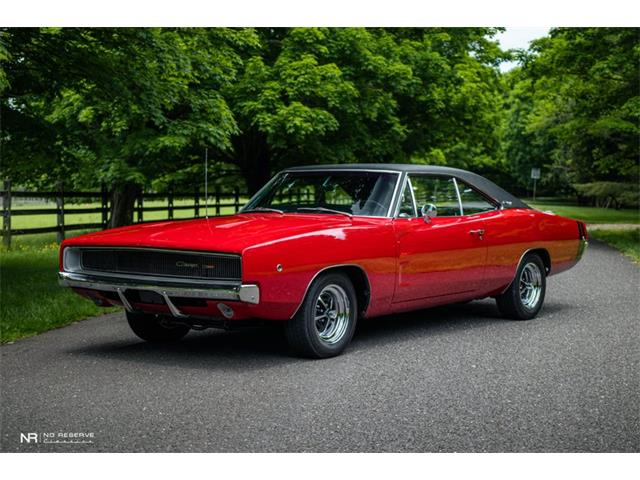
The 1968 Dodge Charger represents one of the most iconic muscle cars ever produced by American automakers, and finding a quality body for sale can be the foundation of an incredible restoration project. Whether you’re a seasoned collector or a first-time restorer, understanding what to look for when purchasing a 1968 Dodge Charger body for sale will save you thousands of dollars and countless headaches down the road. This American muscle car legend, made famous by its appearance in movies like “Bullitt” and later “The Dukes of Hazzard” television series, continues to captivate automotive enthusiasts more than five decades after its initial production run.
Understanding the 1968 Dodge Charger Body Construction
The 1968 Dodge Charger body was built on Chrysler’s B-body platform, featuring unibody construction that integrated the frame and body into a single structural unit. This design approach, while innovative for its time, presents specific challenges for restoration enthusiasts today. The unibody construction means that rust and structural damage can compromise the entire vehicle’s integrity, making a thorough inspection absolutely critical before purchasing any Charger body for sale.
The body itself consisted of several key panels and sections that commonly require attention during restoration projects. The front fenders were bolt-on components, making them relatively easy to replace, while the quarter panels were welded directly to the body structure. The distinctive fastback roofline that defined the 1968 model year’s aggressive styling was a single-piece stamping that extended from the C-pillar to the rear deck lid area. This iconic design element is one reason why the ’68 Charger body commands premium prices in today’s collector car market.
Common Rust Areas in 1968 Charger Bodies
When evaluating a 1968 Dodge Charger body for sale, rust inspection should be your top priority. These vehicles are now over 55 years old, and even well-preserved examples typically show some degree of corrosion. The most common rust-prone areas include the lower quarter panels behind the rear wheels, the trunk floor pan, the front floor pans under the driver and passenger seats, and the forward sections of the frame rails where they meet the front suspension mounting points.
The rear window area presents another critical inspection point, as water intrusion around the rear glass can cause extensive hidden damage to the package tray and rear seat support structure. Door bottoms and rocker panels are virtually guaranteed to have some rust issues unless the vehicle has undergone previous restoration work or spent its entire life in an exceptionally dry climate. The cowl area beneath the windshield wipers also traps moisture and debris, leading to rust that can spread into the firewall and front inner fender structures if left unchecked for decades.
Key rust inspection areas include:
- Lower quarter panels and wheel well openings
- Floor pans and transmission tunnel
- Trunk floor and spare tire well
- Frame rail ends and torque box areas
- Rocker panels and door sill plates
- Cowl plenum and windshield base
- Inner fender wells and shock towers
- Door bottoms and window channels
Types of 1968 Charger Bodies Available
The market for 1968 Dodge Charger bodies for sale offers several different options depending on your budget, skill level, and restoration goals. Complete roller bodies, which include the full body shell with doors, hood, trunk lid, and glass still installed, typically command the highest prices but offer the most complete starting point for restoration. These bodies usually retain their original VIN stampings and documentation, which can be valuable for establishing provenance and potentially increasing the finished vehicle’s value.
Partial body shells represent another option, where significant rust repair or collision damage has led to the removal of major components. These incomplete bodies sell at substantial discounts compared to complete examples, but buyers must carefully assess what’s missing and whether replacement panels are available and affordable. Some sellers offer bare body shells that have been stripped to bare metal, which can actually be advantageous if the stripping work was done properly, as it reveals the true condition of the underlying metal and eliminates the need for labor-intensive paint and trim removal.
Suggested read: Find Your Dream Dodge Charger Hellcat Redeye For Sale: Buyer's Guide
Reproduction body shells have recently entered the market, with several manufacturers now offering brand-new stamped body shells for 1968-1970 Chargers. These reproduction bodies eliminate all rust concerns and provide a guaranteed foundation for restoration projects, though they command premium prices starting around $20,000 to $30,000 for just the shell. For purists concerned about originality and numbers-matching documentation, reproduction shells may be less desirable despite their excellent condition, as they lack the historical significance and potential investment value of original bodies.
Pricing Guide for 1968 Charger Bodies
Understanding current market values for 1968 Dodge Charger body for sale listings helps buyers negotiate fair prices and avoid overpaying for project vehicles. Pricing varies dramatically based on body condition, completeness, originality, and geographic location. A severely rusted body suitable only as a parts donor might sell for $1,000 to $3,000, while a solid, relatively rust-free complete roller can easily command $15,000 to $25,000 or more depending on specific circumstances.
Bodies with documented history, original broadcast sheets, fender tags, and VIN documentation typically bring premium prices because these items help establish the vehicle’s original specifications and production details. Rare option combinations like the R/T package, 440 Magnum or Hemi engines, four-speed manual transmissions, or unusual color combinations can significantly increase a body’s value even if the original drivetrain components are no longer present. Location also impacts pricing substantially, with rust-free Western and Southwestern bodies typically selling for 30-50% more than comparable Midwestern or Northeastern examples that have been exposed to road salt and humid climates for decades.
| Body Condition | Typical Price Range | Best For |
|---|---|---|
| Parts Donor (Heavy Rust) | $1,000 – $3,000 | VIN plate, trim parts |
| Project Body (Moderate Rust) | $3,000 – $8,000 | Experienced restorers |
| Solid Body (Minor Rust) | $8,000 – $15,000 | Intermediate builders |
| Excellent Original Body | $15,000 – $25,000+ | Serious restorations |
| Reproduction Shell | $20,000 – $30,000 | High-end builds |
Where to Find 1968 Dodge Charger Bodies for Sale
Locating quality 1968 Charger bodies for sale requires persistence and utilizing multiple search strategies. Traditional classified advertising venues like Craigslist, Facebook Marketplace, and regional automotive publications still yield results, particularly for locally-available project cars where sellers prefer dealing with buyers who can inspect and transport vehicles personally. These local sources often provide opportunities to negotiate better prices than national marketplace listings where competition from distant buyers drives up asking prices.
Specialized classic car websites including Hemmings Motor News, ClassicCars.com, and Bring a Trailer regularly feature 1968 Dodge Charger listings ranging from complete restored vehicles to bare body shells suitable for restoration projects. These platforms attract serious enthusiasts and collectors, which can mean higher asking prices but also typically better quality offerings with more detailed descriptions and documentation. Automotive auction houses like Mecum, Barrett-Jackson, and regional estate auctions occasionally offer unrestored Charger bodies, though competition can be intense for desirable examples.
Online Mopar-specific forums and clubs represent valuable resources for finding Charger bodies before they reach public marketplace listings. Websites like MOPARTS.com, DodgeCharger.com, and regional Mopar club forums frequently have classified sections where members list project vehicles and parts. Building relationships within these communities can provide early access to upcoming sales and valuable advice about specific vehicles’ histories and reputations. Some of the most desirable barn find discoveries still come through word-of-mouth networking within the collector car community rather than public advertising.
Salvage yards and automotive recyclers specializing in classic American muscle cars maintain inventories that sometimes include 1968 Charger bodies, though finding complete salvageable examples has become increasingly rare as the collector market has matured. Calling yards in states with dry climates like Arizona, New Mexico, Nevada, and parts of California and Texas can uncover remarkably preserved bodies that escaped the rust belt’s destructive effects. Estate sales and farm auction listings occasionally yield unexpected discoveries when families liquidate collections of vintage vehicles that have been stored for decades.
Essential Documentation and VIN Information
Every legitimate 1968 Dodge Charger body for sale should include proper documentation proving ownership and establishing the vehicle’s identity. The Vehicle Identification Number, stamped on the driver’s side cowl and visible through the windshield, along with a matching VIN stamping on the radiator support, confirms the body’s authenticity and original specifications. Documentation should include a valid certificate of title in the seller’s name, allowing for legal transfer of ownership without complications from missing or problematic title situations.
The fender tag, a small aluminum plate attached to the driver’s side inner fender, contains coded information about the vehicle’s original factory specifications including paint colors, interior trim, options, and production details. This tag is invaluable for correctly restoring the vehicle to its original configuration or documenting rare option combinations that affect collector value. The broadcast sheet, a paper document sometimes found hidden under carpeting, seats, or inside door panels during disassembly, provides even more detailed build information including the specific production date, shift, and sequential build number.
Buyers should verify that all VIN stampings match and haven’t been altered or tampered with, as VIN fraud occasionally occurs when sellers attempt to misrepresent a base model as a more valuable R/T or Hemi car. Checking the VIN against online decoder resources confirms the body’s original engine, transmission, and major options. Legitimate sellers of valuable Charger bodies readily provide access to all documentation and welcome buyer verification of VIN authenticity before completing transactions.
Evaluating Structural Integrity
Beyond surface rust assessment, evaluating a 1968 Dodge Charger body’s structural integrity requires examining critical load-bearing areas that ensure the vehicle remains safe and properly aligned during restoration and subsequent use. The frame rails, running along each side of the vehicle underneath the floor pans, must be solid and straight without severe rust perforation, crushing, or evidence of previous collision damage. These rails carry the vehicle’s weight and provide mounting points for suspension, engine, and transmission components.
The torque boxes, located where the rear leaf spring mounts connect to the frame rails, experience tremendous stress during acceleration and require special attention during inspection. These box-section structures commonly rust from the inside out, and failure of torque boxes compromises the vehicle’s ability to handle the power and torque of period-correct big-block engines. Professional restoration shops can fabricate and weld in replacement torque box sections, but this represents a significant expense that should factor into purchase negotiations.
The front suspension mounting areas, including the shock tower structures and upper control arm pivot points, must retain sufficient metal thickness and structural integrity to safely support the front suspension components. Rust or damage in these areas affects steering geometry, handling characteristics, and safety. The radiator support structure provides critical front-end rigidity and mounting locations for the grille, headlights, and cooling system components. Severely rusted or damaged radiator supports require complete replacement, which demands significant fabrication skill and expense.
Replacement Panel Availability and Costs
The aftermarket reproduction parts industry has dramatically improved the feasibility of restoring 1968 Dodge Charger bodies by manufacturing virtually every major body panel and structural component. Companies like AMD (Auto Metal Direct), Goodmark, and Dynacorn produce high-quality stamped steel replacement panels that closely replicate original factory specifications. This parts availability means that even severely damaged or rusted bodies can potentially be saved through panel replacement, though the cumulative cost of purchasing multiple large panels can quickly exceed the value of finding a better original body.
Front fenders, available as left and right side reproductions, typically cost $300 to $500 each depending on manufacturer and quality level. Quarter panels, being larger and more complex stampings, range from $600 to $1,200 per side for quality reproductions. Complete floor pan assemblies, including transmission tunnel sections and rocker panel reinforcements, cost approximately $800 to $1,500 for a complete front and rear floor replacement kit. Door shells, trunk lids, hoods, and bumpers are all available as reproductions, with pricing varying based on whether the parts are prime steel requiring paint, or coated products ready for final finishing.
While reproduction panel availability is excellent, buyers should understand that proper installation requires skilled metalworking abilities and specialized welding equipment. Many panels require extensive fitting, adjustment, and finish work to achieve results matching original factory appearance and quality. Labor costs for professional body shops to install and align major panels often exceed the parts costs by two to three times, meaning that a complete body restoration involving multiple panel replacements can easily require $20,000 to $40,000 in combined parts and labor expenses.
Suggested read: 1966 Dodge Charger For Sale: Your Ultimate Buyer's Resource for This Iconic Muscle Car
Transportation and Logistics Considerations
Successfully acquiring a 1968 Charger body for sale requires planning for safe transportation from the seller’s location to your restoration facility or storage location. Non-running body shells without drivetrains, suspensions, or wheels present unique transport challenges compared to rolling chassis or complete vehicles. Professional auto transport companies specializing in collector car shipping provide enclosed transport services that protect valuable body shells from weather exposure and road debris during transit, with costs typically ranging from $1.00 to $2.00 per mile depending on distance and services required.
Open car carrier transport offers more economical shipping for project bodies where cosmetic protection is less critical, with costs approximately 30-40% lower than enclosed transport. However, body shells being transported on open carriers require proper preparation including covering all openings to prevent water intrusion, securing loose components, and protecting exposed edges from wind damage. For local purchases within a few hundred miles, renting an appropriate trailer and towing the body shell yourself can save substantial money while allowing you to personally oversee the loading, securing, and transport process.
Before scheduling transport, buyers must verify that the body includes adequate rolling components or that the transport service can accommodate a non-rolling shell that requires winching or special equipment for loading. Body shells stripped of suspension components may require fabricating temporary wheel mounts or using specialized dollies to support the structure during transport. Insurance coverage during transport should be clearly established with the shipping company, with agreed-upon declared values protecting your investment if damage occurs during transit.
Legal Considerations and Title Issues
Purchasing a 1968 Dodge Charger body for sale involves navigating various legal requirements and potential title complications that vary significantly by state. In many jurisdictions, a body shell without a drivetrain still requires a certificate of title for legal ownership transfer, particularly if the body retains its original VIN stampings. Sellers should provide a clear title in their name, allowing straightforward transfer to the buyer through standard DMV procedures.
Situations where the title is lost, held by a lienholder, or clouded by previous ownership disputes create serious complications that buyers should approach with extreme caution. Some states offer bonded title processes allowing ownership establishment for vehicles with missing documentation, but these procedures involve additional time, expense, and uncertainty. Vermont and other select states have historically offered more lenient titling procedures for older vehicles, though regulations continuously evolve and buyers should verify current requirements before purchasing bodies with problematic documentation.
Bills of sale, while useful as proof of transaction, don’t substitute for proper titles in most states and won’t allow vehicle registration or legal road use after restoration is complete. Before finalizing any purchase of a Charger body without proper title documentation, consult with your state’s motor vehicle department about specific requirements and procedures for establishing legal ownership. Some restored vehicles with title issues have significantly reduced resale values because potential buyers recognize the complications and legal risks involved.
Restoration vs. Pro-Touring Modifications
Buyers of 1968 Dodge Charger bodies for sale must decide early in their planning process whether to pursue a numbers-matching original restoration or create a modified pro-touring build with modern performance upgrades. This fundamental decision affects every subsequent choice about parts procurement, assembly techniques, and overall project budget. Period-correct restorations aim to return the vehicle to factory-original specifications using correct date-coded parts, original-style finishes, and authentic assembly methods that replicate how the car was originally built at Chrysler’s assembly plants.
The pro-touring approach instead focuses on creating a vintage-styled muscle car with thoroughly modern performance, handling, braking, and convenience features. Pro-touring builds might install coilover suspension systems, modern fuel-injected engines, overdrive transmissions, power steering and brakes, air conditioning, and contemporary audio systems. These modifications significantly improve drivability and performance but eliminate any possibility of the vehicle being considered an authentic restoration and may reduce value in the eyes of purist collectors.
Budget considerations strongly influence this decision, as proper numbers-matching restorations require sourcing expensive date-coded parts, correct fasteners, and rare original components that command premium prices. Pro-touring builds can utilize more affordable modern components while potentially achieving superior performance results. Many enthusiasts split the difference by maintaining original external appearance while incorporating selective modern improvements in areas like cooling systems, electrical systems, and braking performance that enhance reliability without obviously compromising authenticity.
Finding Reputable Restoration Services
Most buyers purchasing a 1968 Charger body for sale will require professional assistance at some stage of the restoration process, even if they plan to complete much of the work themselves. Finding qualified restoration shops with specific experience working on 1968-1970 Chargers ensures that the work meets appropriate quality standards and that the shop understands the unique challenges these vehicles present. Shops specializing in Mopar restoration generally provide better results than general classic car restoration facilities that may lack specific knowledge about Chrysler-specific construction methods, part sources, and correct assembly techniques.
Evaluating potential restoration shops should include reviewing their portfolio of completed projects, checking references from previous customers, and discussing their approach to metalwork, painting, and assembly processes. Quality shops provide detailed written estimates breaking down labor and parts costs by specific tasks, allowing customers to make informed decisions about which work to authorize. Shops with strong reputations typically have waiting lists extending months or even years for major projects, requiring advance planning and scheduling flexibility.
Some enthusiasts prefer working with multiple specialized vendors rather than a single full-service restoration shop, utilizing separate facilities for bodywork, painting, engine building, interior restoration, and final assembly. This approach potentially saves money and allows selection of the absolute best provider for each specialized area, but requires the vehicle owner to coordinate logistics, manage multiple contractors, and ensure that components from different sources properly integrate during final assembly. Project management complexity increases significantly when using this multi-vendor approach.
Maximizing Your Investment Value
The market for restored 1968 Dodge Chargers has shown consistent strength over the past decade, with high-quality examples commanding six-figure prices at major auctions when they feature desirable specifications and professional restoration quality. Understanding which factors maximize investment returns helps buyers make smart decisions when selecting and restoring Charger bodies. Original R/T models, particularly those with original 440 Magnum or rare 426 Hemi engines, represent the most valuable variants and offer the strongest appreciation potential.
Documentation proving originality, including original broadcast sheets, fender tags, and build records, significantly increases a restored vehicle’s value by confirming authenticity and original specifications. Professional-quality restoration work using correct parts and proper assembly techniques yields far better returns than amateur restorations showing obvious shortcuts or incorrect components. Paint and finish quality especially impacts value, as expert judges at concours events and sophisticated collectors immediately recognize inferior workmanship that detracts from a vehicle’s investment merit.
Market timing also affects values, with certain color combinations, option packages, and configurations experiencing cyclical popularity changes over time. Staying informed about market trends through auction result monitoring, classic car price guides, and collector publications helps owners make strategic decisions about when to buy project bodies and when to sell completed restorations for maximum returns. Some collectors view 1968 Chargers primarily as investment vehicles and make restoration decisions solely based on maximizing future sale prices, while enthusiasts focused on personal enjoyment may prioritize different factors like drivability, comfort, and personal preferences over pure investment considerations.
Electrical System Upgrades and Considerations
The original electrical system in a 1968 Dodge Charger utilized a simple 12-volt layout with a mechanical voltage regulator, breaker point ignition system, and minimal electrical accessories compared to modern vehicles. When restoring a Charger body, deciding whether to retain the original electrical architecture or upgrade to modern components affects reliability, ease of maintenance, and functionality. Original points-style ignition systems require regular maintenance and adjustment, while electronic ignition conversions provide more consistent spark, better starting reliability, and reduced maintenance requirements.
Many restorers choose to install complete modern wiring harnesses manufactured by companies like Painless Performance, American Autowire, or Ron Francis Wiring. These reproduction harnesses use modern wire insulation materials resistant to heat and chemical degradation, include properly-sized circuits for handling increased electrical loads from modern accessories, and eliminate the frustration of tracing problems through 50-year-old original wiring with degraded insulation and corroded connections. Complete wiring harness replacements typically cost $800 to $1,500 depending on complexity and whether the kit includes sub-harnesses for the engine compartment, dash, and rear lighting circuits.
Suggested read: Understanding Dodge Charger Trim Levels: Your Essential Buyer's Resource
Upgrading to an alternator from the original generator provides increased charging capacity necessary for modern electrical accessories like powerful sound systems, electric cooling fans, or fuel injection systems. Higher-output alternators producing 80 to 120 amps handle these increased electrical demands while maintaining proper battery charging even at idle speeds. Installing modern fuse boxes or circuit breaker panels improves reliability and simplifies troubleshooting compared to the original fuse block design that often develops corrosion and connection problems after decades of service.
Interior Restoration Planning
Although purchasing a 1968 Charger body for sale focuses primarily on the structural shell, planning for eventual interior restoration ensures that body modifications don’t create complications during later assembly stages. The 1968 Charger interior featured distinctive round gauge clusters, bucket seats or bench seat options, full-length console designs on equipped models, and door panels with chrome trim and courtesy lights. Reproduction interior components have become increasingly available, with complete seat covers, door panel kits, carpet sets, and headliners manufactured to replicate original appearance.
Interior restoration typically costs $5,000 to $15,000 depending on the scope of work and whether original components can be refurbished or require complete replacement. Original seat frames can usually be rebuilt with new foam padding and reproduction upholstery, providing more authentic appearance than aftermarket reproduction seats. Dashboard restoration requires careful attention because the woodgrain appliques and gauge bezels are fragile and replacements vary significantly in quality. Many restorers find that refurbishing original interior components yields better results than using reproduction parts that may not precisely match original fit and finish standards.
Modern convenience upgrades like air conditioning, upgraded audio systems, and sound deadening materials can substantially improve driving enjoyment without obviously compromising authentic appearance. Vintage Air and Classic Auto Air manufacture complete air conditioning systems designed to integrate with classic Mopar interiors while providing modern cooling performance. Sound deadening materials like Dynamat, installed during body restoration before interior installation, dramatically reduce road noise and improve audio system performance without visible alterations to the vehicle’s appearance.
Paint and Body Preparation Standards
Achieving show-quality finish on a restored 1968 Dodge Charger body requires extensive preparation work that far exceeds the actual painting process in both time and skill requirements. Professional body shops typically spend four to five times as many hours preparing surfaces as they do applying paint, with thorough metal straightening, filler application, blocking, and priming being essential for achieving mirror-smooth surfaces. The quality of bodywork underneath the paint determines the final result far more than the choice of paint products or application techniques.
Original 1968 Chargers received single-stage acrylic enamel paint directly from the factory, creating a finish that was durable for its time but lacked the depth and gloss of modern two-stage basecoat/clearcoat systems. Most restoration projects today utilize modern urethane basecoat/clearcoat paint systems that provide superior durability, UV resistance, and visual depth while allowing for color-sanded and buffed finishes that exceed original factory standards. Total paint and body costs for professional show-quality work typically range from $15,000 to $30,000 or more depending on the body’s condition and desired finish level.
Original Chrysler paint codes included iconic colors like B5 Blue, Hemi Orange, and Sublime Green that have become synonymous with the muscle car era. Paint manufacturers like PPG, BASF, and Sherwin-Williams maintain formulas for these classic Mopar colors, though exact color matching of original finishes can be challenging due to variations in factory mixing, fading over decades, and differences between modern paint technologies and original formulations. Some purist restorers prefer single-stage paints that more closely replicate original appearance, accepting slightly lower durability and gloss in exchange for greater authenticity.
Suspension and Chassis Considerations
When purchasing a 1968 Dodge Charger body for sale, understanding the suspension and chassis components that will eventually need installation or replacement helps buyers budget appropriately for complete vehicle assembly. The original front suspension utilized torsion bars for spring action, upper and lower control arms, and conventional shock absorbers mounted to the frame rails. Original steering systems used recirculating ball steering boxes known for somewhat vague on-center feel and slower steering ratios compared to modern rack-and-pinion designs.
Modern suspension upgrade packages from companies like Hotchkis, Firm Feel, and XV Motorsports dramatically improve handling performance while retaining the basic architecture of the original suspension geometry. These systems typically include stiffer torsion bars, upgraded sway bars, tubular control arms, adjustable shock absorbers, and polyurethane bushings that eliminate the deflection inherent in original rubber components. Complete front and rear suspension upgrade packages cost $3,000 to $8,000 depending on component selection and whether the system retains original-style parts or incorporates more obvious modern components.
The rear suspension utilized leaf springs and conventional shock absorbers, with performance-oriented R/T models receiving heavier-duty springs and larger diameter sway bars. Reproduction leaf springs are readily available in various spring rates to accommodate different intended uses from comfortable street cruising to aggressive handling-focused setups. Installing a modern rear sway bar, which wasn’t included on most original 1968 Chargers, significantly improves cornering balance and reduces body roll. Many pro-touring builds incorporate complete rear suspension redesigns using coilover shocks and four-link suspension geometry that vastly improves handling capabilities compared to the original leaf spring setup.
Connecting with Modern Charging Solutions
While restoring a vintage 1968 Dodge Charger focuses on preserving automotive history, modern shop equipment requires appropriate electrical support. Professional restoration facilities need reliable charging solutions for various battery-powered tools and equipment used throughout the restoration process. A quality 48 volt charger system can power industrial equipment, forklifts used for moving body shells, and electric welding carts that facilitate metalwork and panel replacement during restoration projects. These modern charging systems ensure that restoration shops maintain productivity and can efficiently complete complex projects like Charger body restoration.
Insurance and Vehicle Valuation
Insuring a restoration project or completed 1968 Dodge Charger requires specialized collector car insurance policies that recognize these vehicles’ unique value and usage patterns. Standard automotive insurance policies typically don’t provide adequate coverage for classic vehicles and may include restrictions incompatible with restoration activities or collector car ownership. Companies specializing in collector car insurance like Hagerty, Grundy, American Collectors Insurance, and J.C. Taylor offer agreed-value policies that guarantee specific payout amounts in total loss situations without depreciation.
Establishing appropriate agreed values requires professional appraisals documenting the vehicle’s condition, originality, restoration quality, and market comparability. Appraisers specializing in muscle cars provide detailed written reports with photographs supporting their value conclusions, which insurance companies require for establishing coverage limits. Policy premiums for collector car insurance are generally very affordable compared to standard auto insurance, often costing just a few hundred dollars annually for vehicles valued at $50,000 to $100,000, because collector vehicles typically experience far fewer accidents and claims than daily-driver vehicles.
Usage restrictions in collector car policies commonly limit annual mileage to 2,500 to 5,000 miles and require that the vehicle be stored in a secure garage when not in use. These policies typically prohibit using the vehicle for regular commuting, commercial purposes, or allowing unlicensed drivers to operate the vehicle. Understanding and complying with policy restrictions ensures that coverage remains valid and that claims will be honored if accidents or other covered losses occur.
Common Restoration Pitfalls to Avoid
Buyers of 1968 Dodge Charger bodies for sale should understand common mistakes that can derail restoration projects or result in disappointing outcomes. The most fundamental error involves purchasing a body with more extensive damage than initially apparent, often because buyers failed to conduct thorough inspections or had inspections performed by individuals lacking specific Mopar expertise. Rust damage hidden beneath undercoating, body filler, or interior carpeting frequently surprises buyers who didn’t have the body thoroughly examined before purchase.
Underestimating total restoration costs represents another common problem, with many projects stalling when owners run out of funding before completion. Realistic restoration budgets for achieving show-quality results typically total $80,000 to $150,000 or more when accounting for all body work, mechanical restoration, interior work, paint, chrome restoration, and assembly labor. Projects started with insufficient financial resources often sit incomplete for years or get sold as partial restorations at substantial losses.
Suggested read: Silver Charger Plates: Frequently Asked Questions — Your Complete Guide to Buying, Using, and Caring for Them
Starting restorations without clear planning about originality versus modifications leads to inconsistent results where the vehicle ends up being neither a correct restoration nor a well-executed modified build. Making these fundamental decisions before beginning disassembly and metalwork prevents wasted effort on components that ultimately won’t be used in the final configuration. Many experienced restorers recommend creating detailed project plans documenting every component, establishing realistic budgets with contingency funds, and setting reasonable timelines before purchasing bodies or beginning restoration work.
Community Resources and Expert Networks
Successfully restoring a 1968 Charger body requires accessing extensive technical knowledge, parts sources, and troubleshooting expertise that individual restorers rarely possess comprehensively. The Mopar enthusiast community includes numerous online forums, regional car clubs, and national organizations that provide invaluable support for restoration projects. Websites like MOPARTS.com, DodgeCharger.com, and ForMoparOnly.com host active communities where experienced restorers answer technical questions, share parts sources, and provide guidance for common restoration challenges.
National organizations like the Dodge Charger Registry and the Winged Warriors preserve documentation of original vehicle specifications and production records that help restorers verify authenticity and correct details. These organizations maintain databases of original broadcast sheets, fender tag decodings, and production statistics that provide definitive answers about original configurations. Regional Mopar clubs organize technical seminars, shop tours, and informal gatherings where members share knowledge and build relationships with fellow enthusiasts who may later provide assistance with specific restoration questions or component sourcing.
Professional restoration businesses often welcome inquiries from DIY restorers facing specific technical challenges, with many shops willing to provide brief consultations or advice even if not performing the actual work. Building relationships with knowledgeable parts suppliers, machine shops, and restoration specialists creates valuable networks that dramatically improve restoration outcomes. The collective knowledge within the Mopar community represents an irreplaceable resource that can mean the difference between successful project completion and frustrating dead-ends.
Taking Action: Your Next Steps
If you’re serious about acquiring a 1968 Dodge Charger body for sale and beginning your restoration journey, the time to act is now. The market for these iconic muscle cars continues tightening as remaining quality examples get restored and removed from the project car market. Values for quality bodies have appreciated significantly over the past decade, and this trend shows no signs of reversing as the muscle car generation continues actively collecting and restoring these vehicles.
Start by thoroughly researching current market prices across multiple online marketplaces to develop realistic expectations about what quality bodies cost in today’s market. Create a detailed budget accounting for not just the initial body purchase but all subsequent restoration expenses including parts, labor, paint, and assembly costs. Consider whether your skills, facilities, and time availability align with completing the project independently or whether you’ll need professional assistance for major components of the restoration.
Join online forums and local Mopar clubs immediately to begin building relationships and absorbing knowledge from experienced restorers. These connections often lead to discovering available 1968 Charger bodies for sale before they reach public marketplaces, potentially allowing you to secure better deals on quality projects. Don’t rush into purchasing the first body you find; instead, inspect multiple examples to develop realistic understanding of what different condition levels look like and what restoration costs each would require.
Ready to find your perfect 1968 Dodge Charger body for sale? Start searching today on specialized classic car marketplaces, join Mopar forums to access private sales, and connect with the community that can help you achieve your restoration dreams. The iconic ’68 Charger you’ve always wanted is out there waiting for the right enthusiast to bring it back to life.
Frequently Asked Questions About 1968 Dodge Charger Bodies
What should I look for when buying a 1968 Dodge Charger body for sale?
When evaluating a 1968 Dodge Charger body for sale, prioritize inspecting critical rust areas including floor pans, frame rails, quarter panels, and trunk floors. Verify that the VIN stampings are legitimate and match the title documentation, check for previous collision damage that might have compromised structural integrity, and assess whether the body retains important original components like the fender tag and broadcast sheet. A thorough inspection using magnets to detect body filler and examining the underside on a lift or over a pit provides the most accurate assessment of a body’s true condition.
How much does a 1968 Dodge Charger body typically cost?
Pricing for 1968 Dodge Charger bodies for sale varies dramatically based on condition, completeness, and documentation. Heavily rusted parts donor bodies might sell for $1,000 to $3,000, while solid rust-free examples with complete documentation can command $15,000 to $25,000 or more. Project bodies with moderate rust typically range from $5,000 to $12,000 depending on specific condition and geographic location. Original R/T bodies or those with rare options command premium prices even in rough condition due to their greater value potential after restoration.
Are reproduction body panels available for 1968 Chargers?
Yes, the aftermarket reproduction parts industry offers virtually every major body panel for 1968 Dodge Chargers, including fenders, quarter panels, floor pans, door skins, trunk floors, and complete reproduction body shells. Companies like AMD, Goodmark, and Dynacorn manufacture these components using modern stamping processes that closely replicate original specifications. While this parts availability makes restoring even severely damaged bodies feasible, the cumulative cost of purchasing multiple major panels plus professional installation labor can exceed the price of simply finding a better original body in many cases.
What documentation should come with a Charger body?
Legitimate 1968 Dodge Charger bodies for sale should include a clear certificate of title in the seller’s name, allowing proper ownership transfer. The body should retain its original VIN stampings on the cowl and radiator support, and ideally include the original fender tag showing factory specifications. If available, the original broadcast sheet provides comprehensive build details, though many vehicles have lost these documents over decades of ownership changes. Any maintenance records, ownership history, or documentation establishing the vehicle’s provenance adds value and helps verify authenticity.
Suggested read: Effective Strategies for Utilizing Tyler Tech Modules in Resource Management
Can a rusted Charger body be saved?
Whether a rusted 1968 Charger body can be economically saved depends on the extent and location of the rust damage. Surface rust on easily-accessible panels represents minor issues that straightforward metalwork addresses, while structural rust affecting frame rails, torque boxes, or critical suspension mounting points requires extensive repair work. With reproduction panels available for virtually every body section, even severely damaged bodies can technically be restored, but the cost often exceeds $30,000 to $50,000 in metalwork and parts when rust is extensive. Buyers should honestly assess whether restoration costs justify the investment compared to finding a better starting point.
How long does a typical Charger restoration take?
Complete frame-off restorations of 1968 Dodge Charger bodies typically require 1,000 to 2,000 hours of work depending on the body’s initial condition and the desired finish quality. Professional shops working full-time might complete a restoration in 12 to 24 months, while hobbyists working evenings and weekends often need three to five years or more. Projects frequently take longer than initially expected due to discovering hidden damage during disassembly, waiting for parts availability, or budget constraints that pause work periodically. Setting realistic timeline expectations and maintaining steady progress prevents projects from stalling indefinitely.
What is the difference between a base Charger and an R/T model?
The 1968 Dodge Charger R/T represented the performance-oriented version of the standard Charger, featuring a standard 440 Magnum engine producing 375 horsepower, with the legendary 426 Hemi available as an upgrade option. R/T models included heavy-duty suspension components, larger brakes, dual exhaust with R/T-specific tips, unique badging, and bumblebee stripes around the tail panel. Original R/T bodies command significantly higher prices than base model Chargers even when they lack original drivetrains, because R/T-specific VIN codes and documentation establish their desirability for period-correct restoration. The R/T’s performance pedigree and rarity makes these bodies particularly valuable to collectors and serious restorers.
Where can I find a 1968 Dodge Charger body for sale?
Quality 1968 Dodge Charger bodies for sale appear on specialized classic car websites including Hemmings Motor News, ClassicCars.com, and Bring a Trailer, as well as general marketplaces like Craigslist, Facebook Marketplace, and eBay Motors. Mopar-specific forums such as MOPARTS.com and DodgeCharger.com frequently have classified sections where members list project vehicles before advertising publicly. Estate sales, automotive auction houses like Mecum and Barrett-Jackson, and salvage yards specializing in classic American muscle cars occasionally offer Charger bodies. Building connections within the Mopar enthusiast community often provides early access to available bodies through word-of-mouth networking before they reach broader markets.