When searching for a 1966 Dodge Charger for sale, you’re not just looking for a classic car—you’re pursuing a piece of American automotive history that represents the golden era of muscle cars. The first-generation Charger, introduced in 1966, was Dodge’s bold answer to the fastback craze that dominated the mid-1960s, and today these vehicles command serious attention from collectors and enthusiasts worldwide. This comprehensive resource will guide you through everything you need to know about finding, evaluating, and purchasing a 1966 Dodge Charger, from understanding the various models and trim levels to navigating pricing structures and avoiding common pitfalls in the classic car marketplace.
Understanding the 1966 Dodge Charger: What Makes This Model Special?
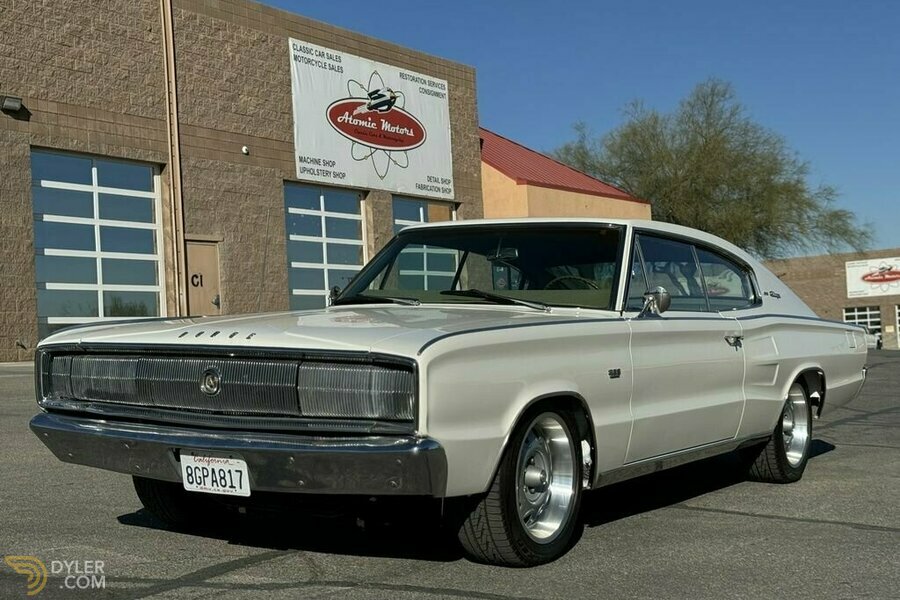
The 1966 Dodge Charger debuted at the 1966 Rose Bowl parade and immediately captured attention with its distinctive fastback design, which was revolutionary for Dodge at the time. Unlike the more commonly seen 1968-1970 Chargers that would follow, the first-generation model featured a unique roofline with a fastback rear window and hidden headlights that gave it an aggressive, sleek appearance. Understanding what makes this particular model year special is crucial when you’re looking at 1966 Chargers for sale because it helps you appreciate the vehicle’s historical significance and market value.
The 1966 model year was characterized by several distinctive features that set it apart from later generations. The interior boasted full-width bucket seats with a fold-down center armrest, creating a four-bucket-seat configuration that was virtually unheard of in American cars at the time. The dashboard featured four round gauges positioned in individual pods, giving the cockpit a race-inspired appearance that appealed to performance enthusiasts. The fastback roofline wasn’t just for aesthetics—it was designed to improve aerodynamics, though ironically, the design created more drag than Dodge had anticipated, which was later addressed in subsequent model years.
Key Specifications of the 1966 Dodge Charger
| Specification | Details |
|---|---|
| Production Numbers | Approximately 37,300 units |
| Body Style | 2-door fastback hardtop |
| Wheelbase | 117 inches |
| Length | 203.6 inches |
| Width | 75.0 inches |
| Weight | 3,500-3,800 lbs (depending on engine) |
| Base Engine | 318 cubic inch V8 (230 hp) |
| Available Engines | 361, 383, 426 Hemi, 440 V8s |
| Transmission Options | 3-speed manual, 4-speed manual, 3-speed automatic |
| Price When New | $3,122 (base model) |
Where to Find Authentic 1966 Dodge Chargers For Sale
Finding an authentic 1966 Dodge Charger for sale requires knowing where to look and understanding the various marketplaces available to classic car buyers. The classic car market has evolved significantly over the past decade, with both traditional and digital platforms offering opportunities to connect buyers with sellers. Each marketplace has its advantages and disadvantages, and serious buyers should explore multiple channels to increase their chances of finding the right vehicle at the right price.
Traditional auction houses like Barrett-Jackson, Mecum Auctions, and RM Sotheby’s regularly feature first-generation Chargers in their lineups. These auctions provide a level of vetting and authentication that can give buyers confidence, though the competitive bidding environment can drive prices above market value. Additionally, auction houses typically charge buyer’s premiums that can add 10% or more to the final purchase price. However, the opportunity to physically inspect the vehicle and often review detailed documentation makes auctions an attractive option for serious collectors.
Online marketplaces have revolutionized how people search for classic cars, with platforms like Hemmings Motor News (https://www.hemmings.com), ClassicCars.com, and Bring a Trailer offering extensive listings of vintage Dodge Chargers for sale. These platforms allow you to search nationally or even internationally, significantly expanding your options beyond local dealerships and private sellers. Hemmings, in particular, has been the gold standard for classic car classified ads since 1954 and maintains an extensive database of available vehicles. When browsing these sites, you can filter by price range, condition, location, and specific features, making it easier to find a 1966 Charger that meets your exact specifications.
Classic car dealerships specializing in muscle cars often have 1966 Chargers for sale and can provide additional services like shipping, financing, and warranties that aren’t typically available through private sales. Dealerships such as Gateway Classic Cars, Vanguard Motor Sales, and Classic Car Liquidators maintain rotating inventories that include first-generation Chargers. While dealership prices tend to be higher than private party sales, you’re paying for convenience, expertise, and often some form of guarantee or return policy that provides peace of mind.
Private Sellers and Enthusiast Networks
Don’t overlook private sellers who often offer the best prices on 1966 Dodge Chargers for sale. Enthusiast forums like Mopar Forum, For B Bodies Only, and the Dodge Charger Registry connect passionate owners who may be looking to sell their vehicles to fellow enthusiasts rather than dealers. These communities can also provide invaluable information about specific vehicles, their history, and whether they’re worth pursuing. Social media groups dedicated to classic Mopars on Facebook and Instagram have also become popular venues for buying and selling these iconic vehicles.
Evaluating Engine Options: From the 318 to the Legendary 426 Hemi
When examining 1966 Dodge Chargers for sale, understanding the engine options is critical because the powerplant significantly impacts both value and driving experience. Dodge offered five different engines for the 1966 Charger, ranging from the economical 318 cubic inch V8 to the legendary 426 Hemi that has become one of the most sought-after engines in automotive history. Each engine option came with its own performance characteristics, rarity, and collectibility factor that directly influences market value today.
The 318 cubic inch V8 was the base engine, producing 230 horsepower and designed more for daily driving than performance. These engines are relatively common and less desirable among collectors specifically seeking high-performance examples. However, 318-powered Chargers can represent excellent value for buyers who want the classic Charger styling without the premium prices commanded by Hemi or 440-powered examples. These vehicles are also generally more affordable to maintain and restore, as parts are readily available and the engines are less complex than their high-performance siblings.
Suggested read: Finding Your Dream 1968 Dodge Charger Body for Sale: Complete Buyer's Resource
The 361 and 383 cubic inch engines represented the mid-range options, with the 383 being particularly popular among buyers who wanted strong performance without the cost and complexity of the Hemi. The 383 produced 325 horsepower and provided excellent torque for street driving, making it a versatile choice that balanced performance with reliability. Today, 383-powered 1966 Chargers for sale often represent the sweet spot for enthusiasts who want genuine muscle car performance at a more accessible price point than Hemi cars command.
The 426 Hemi: The Crown Jewel of 1966 Chargers
The 426 Hemi engine option elevates any 1966 Charger into the stratosphere of collectibility and value. With 425 horsepower in street trim (though many estimate actual output was closer to 500 horsepower), the Hemi-powered Charger was a formidable performance machine that could compete with anything on the street or drag strip. Only a small fraction of 1966 Chargers were equipped with the Hemi, making these vehicles extremely rare and valuable. When you encounter a Hemi Charger for sale from 1966, expect to pay premium prices that can easily exceed $200,000 for well-documented, numbers-matching examples in excellent condition.
| Engine Option | Displacement | Horsepower | Torque | Approximate Production % | Current Market Value Impact |
|---|---|---|---|---|---|
| 318 V8 | 318 cu in | 230 hp | 340 lb-ft | ~40% | Baseline |
| 361 V8 | 361 cu in | 265 hp | 380 lb-ft | ~15% | +15-25% |
| 383 V8 | 383 cu in | 325 hp | 425 lb-ft | ~35% | +30-50% |
| 440 V8 | 440 cu in | 365 hp | 480 lb-ft | ~8% | +100-150% |
| 426 Hemi | 426 cu in | 425 hp | 490 lb-ft | ~2% | +300-500% |
Pricing Guide: What to Expect When Shopping for 1966 Dodge Chargers
Understanding current market values is essential when searching for a 1966 Dodge Charger for sale because prices can vary dramatically based on condition, originality, engine configuration, and documentation. The classic car market fluctuates based on economic conditions, generational preferences, and supply and demand dynamics, but first-generation Chargers have shown strong value appreciation over the past two decades. Educating yourself on realistic price ranges helps you identify good deals and avoid overpaying for vehicles that may need extensive restoration work.
Condition is the primary driver of value in the classic car market, typically categorized using a numerical scale where #1 represents concours or showroom condition, #2 indicates excellent condition, #3 represents good driver-quality condition, and #4 denotes fair condition requiring restoration work. A 1966 Charger for sale in #1 condition with correct matching numbers, documentation, and professional restoration can command prices ranging from $60,000 to over $200,000 for Hemi-equipped examples. These vehicles are essentially museum-quality pieces that often have been restored with no expense spared and feature every correct detail from factory specifications.
Driver-quality examples in #3 condition represent the largest segment of the market and offer the best value for enthusiasts who want to enjoy their vehicles rather than simply collect them. These 1966 Dodge Chargers for sale typically range from $25,000 to $55,000 depending on engine configuration and overall condition. They may have some cosmetic imperfections, non-original parts, or minor mechanical issues, but they’re fully functional vehicles that can be driven and enjoyed. Many buyers prefer these cars because they don’t have to worry about putting miles on a pristine investment-grade vehicle.
Recent Market Data and Trends
According to Hagerty’s valuation tools, the classic car insurance and marketplace authority, average values for 1966 Dodge Chargers have appreciated approximately 75% over the past decade. Hemi-powered examples have seen even more dramatic increases, with some cars tripling in value during the same period. This appreciation reflects growing interest in first-generation muscle cars among collectors who remember these vehicles from their youth and now have the financial means to acquire them.
Project cars requiring significant restoration work can still be found in the $10,000 to $20,000 range, though buyers should carefully evaluate whether the final investment will make financial sense. A full ground-up restoration of a 1966 Charger can easily cost $80,000 to $150,000 or more when done properly, meaning you could potentially invest $130,000 into a vehicle that might only be worth $70,000 upon completion unless it’s a rare Hemi car. However, for enthusiasts who enjoy the restoration process or have the skills to do much of the work themselves, project cars can provide a rewarding journey and still result in a valuable asset.
Authentication and Documentation: Verifying Originality
When evaluating any 1966 Dodge Charger for sale, proper authentication and documentation are crucial to ensuring you’re getting what you’re paying for and protecting your investment. The classic car market unfortunately includes vehicles with misrepresented specifications, cloned VIN numbers, or undisclosed modifications that can significantly impact value. Learning to verify a Charger’s authenticity through various methods helps you avoid expensive mistakes and ensures you’re making an informed purchasing decision.
The VIN (Vehicle Identification Number) serves as the vehicle’s fingerprint and contains valuable information about its original configuration. For 1966 Dodge Chargers, the VIN is located on a plate attached to the driver’s side door jamb and should match the numbers stamped on the body and frame rails. The VIN follows a specific format that identifies the model year, assembly plant, body style, engine, and sequential production number. Understanding how to decode the VIN allows you to verify that the vehicle is indeed a 1966 Charger and wasn’t originally a different model that has been re-bodied or modified.
Broadcast sheets are original factory documents that were placed in various locations throughout the vehicle during assembly and contain detailed information about the car’s original specifications, including engine, transmission, paint color, interior trim, and optional equipment. Finding original broadcast sheets in a 1966 Charger for sale is like discovering gold because they provide indisputable proof of the vehicle’s original configuration. These sheets are sometimes found under the rear seat, behind door panels, or under the carpet, though many have been lost over the decades as vehicles were disassembled for restoration.
Fender Tags and Stamped Numbers
The fender tag, attached to the inner fender or core support, contains coded information about the vehicle’s factory specifications. Learning to decode fender tags helps you verify engine options, transmission types, paint colors, and special equipment that was installed when the car left the factory. For high-value Hemi Chargers for sale, expert authentication services can verify fender tags, VIN stampings, and date codes on major components to confirm the vehicle’s originality and matching-numbers status.
Suggested read: Find Your Dream Dodge Charger Hellcat Redeye For Sale: Buyer's Guide
Inspection Checklist: Critical Areas to Examine
Conducting a thorough inspection of any 1966 Dodge Charger for sale is non-negotiable, regardless of how pristine the vehicle appears in photos or how confident the seller seems. These 60-year-old vehicles have been exposed to decades of use, weather, and varying levels of maintenance, making careful inspection essential to understanding the true condition and identifying potential issues that could require expensive repairs. Either perform the inspection yourself if you have the expertise, or hire a qualified classic car appraiser or mechanic who specializes in vintage Mopars to evaluate the vehicle before you commit to purchasing.
Rust and corrosion represent the most serious concerns when inspecting any classic car, particularly vehicles that have spent time in humid climates or regions where road salt is used during winter months. The 1966 Charger’s fastback design creates potential water intrusion points around the rear window and trunk seal areas, making these vehicles prone to rust in the trunk floor, rear window channels, and quarter panel lower sections. Examine these areas carefully with a flashlight and magnet, as body filler can hide significant rust damage that may not be immediately visible. Floor pans, frame rails, and torque boxes should also be inspected thoroughly, as structural rust in these areas can compromise safety and require extensive restoration work.
The fastback rear window is a unique feature of first-generation Chargers but also represents a potential problem area. The large rear glass can develop cracks or separation from the gasket, allowing water to enter the trunk and interior. Replacement rear window glass for 1966 Chargers can be difficult to source and expensive when found, so carefully inspect the condition of this component and its surrounding seals. Water damage in the trunk often manifests as rust, corrosion, or deteriorated carpet that indicates the seals have been compromised for some time.
Mechanical Systems and Drive train Evaluation
Engine and transmission condition significantly impact both value and your enjoyment of the vehicle, making mechanical inspection crucial when viewing 1966 Dodge Chargers for sale. Start the engine from cold and listen for unusual noises, knocking, or excessive smoke from the exhaust. Original engines should have correct casting numbers and date codes that match the vehicle’s production date, though many Chargers have had engines replaced over the decades. While a replacement engine doesn’t necessarily disqualify a vehicle, it does impact collectibility and value, particularly for high-performance models where matching numbers are highly prized.
Test drive the vehicle if possible to evaluate transmission shifting, brake performance, steering precision, and overall driveability. The power steering system common in these vehicles can develop leaks and wear in the steering box, while drum brakes on all four corners require adjustment and may not provide the stopping power modern drivers expect. Suspension components including ball joints, tie rod ends, and shock absorbers wear out over time and should be evaluated for excessive play or deterioration. Remember that replacement parts for classic Mopars are generally available, but labor costs for repair work can be substantial.
Restoration vs. Original: Understanding Value Implications
The debate between restored and original condition significantly impacts the value and desirability of any 1966 Dodge Charger for sale, with different collectors and enthusiasts having varying preferences based on their intended use of the vehicle. Understanding how restoration quality and originality affect value helps you make informed decisions aligned with your goals, whether you’re seeking an investment-grade collector piece or a driver-quality muscle car to enjoy on weekends.
Concours-quality restorations represent the pinnacle of classic car collecting, where vehicles are restored to better-than-new condition with obsessive attention to detail and accuracy. These 1966 Chargers feature correct date-coded components, proper factory finishes, and documentation of the restoration process. High-end restorations can cost $150,000 or more and result in vehicles that win awards at prestigious shows like the Muscle Car and Corvette Nationals. However, these investments may not provide financial returns unless the vehicle is particularly rare or historically significant, as restoration costs often exceed the vehicle’s market value except for Hemi-powered examples or other rare configurations.
Survivor cars with original paint, interior, and drivetrain components command premium prices among certain collectors who value authenticity and historical preservation over cosmetic perfection. An unrestored 1966 Charger for sale with documented low mileage and original condition might be worth more than a professionally restored example to collectors who appreciate the vehicle’s patina and originality. These vehicles offer a connection to history that restored cars cannot replicate, showing exactly how the vehicle looked when it left the factory nearly 60 years ago.
Modified and Restomod Chargers
Modified or restomod 1966 Chargers appeal to enthusiasts who want classic styling combined with modern performance, reliability, and comfort. These vehicles might feature upgraded suspension, modern fuel injection, improved braking systems, air conditioning, and contemporary audio systems while maintaining the classic exterior appearance. While purists may discount heavily modified vehicles, restomods can provide an excellent driving experience and are often priced lower than original or correctly restored examples. If your goal is to enjoy driving the car rather than showing or collecting it, a tastefully modified 1966 Charger for sale might provide the best balance of classic appeal and modern usability.
Financing Options for Classic Car Purchases
Securing financing for a 1966 Dodge Charger for sale differs significantly from obtaining a conventional auto loan, as traditional lenders typically don’t provide financing for vehicles over 10-15 years old. However, specialized classic car lenders and enthusiast-focused financial institutions offer loan products specifically designed for collector vehicles, making it possible to finance your purchase rather than paying cash upfront. Understanding your financing options helps you make the purchase more manageable while preserving capital for maintenance, restoration, or other investments.
Classic car lenders like J.J. Best Banc & Co., Woodside Credit, and Premier Financial Services specialize in collector vehicle financing and understand the unique aspects of classic car valuation and ownership. These lenders typically require a down payment of 10-20% and offer loan terms ranging from 3 to 10 years depending on the vehicle’s value and your creditworthiness. Interest rates for classic car loans are generally competitive with conventional auto loans, though they may be slightly higher due to the specialized nature of the collateral. Some lenders require the vehicle to be stored in a garage or covered storage facility and may have annual mileage restrictions as loan conditions.
Suggested read: 65 Dodge Charger: The Iconic American Muscle Car That Defined a Generation
Home equity loans or lines of credit represent another financing option for buyers who have sufficient equity in their homes and prefer lower interest rates than those typically available for classic car loans. Using home equity provides flexibility and often more favorable terms, though it does put your home at risk if you’re unable to repay the loan. This approach works well for buyers who plan to use the 1966 Charger as an investment and want to minimize interest costs while maintaining liquidity for restoration or upgrades.
Insurance Considerations and Agreed Value Policies
Classic car insurance is essential for protecting your investment in a 1966 Dodge Charger, and fortunately, specialty insurers like Hagerty, Grundy, and American Collectors Insurance offer agreed-value policies specifically designed for collector vehicles. Unlike standard auto insurance that pays depreciated actual cash value in case of total loss, agreed-value policies establish the vehicle’s value upfront and guarantee that amount will be paid if the car is totaled. These policies are typically much less expensive than regular auto insurance because they assume limited pleasure use rather than daily commuting, with annual premiums often ranging from $200 to $800 depending on the vehicle’s value and your driving record.
Regional Considerations: Where to Find the Best Examples
Geographic location significantly impacts the condition and availability of 1966 Dodge Chargers for sale, with regional climate and historical Mopar enthusiasm creating distinct markets across different areas. Understanding regional variations helps you focus your search on areas most likely to yield well-preserved examples while being aware of potential environmental damage that affects vehicles from certain locations.
Southwestern states including Arizona, New Mexico, Nevada, and Southern California represent prime hunting grounds for rust-free classic cars that have been preserved by dry desert climates. 1966 Chargers from these regions often feature solid, unrusted bodies and frames that provide excellent starting points for restoration or can be driven as-is with confidence in their structural integrity. However, desert cars can suffer from sun-damaged interiors, deteriorated rubber components, and faded paint that require attention. The trade-off between rust-free bodies and cosmetic sun damage is generally favorable, as structural integrity is more difficult and expensive to address than replacing sun-damaged trim and upholstery.
Midwestern and Northeastern states present more challenges due to road salt exposure and humidity that promote rust and corrosion. While plenty of well-preserved 1966 Chargers for sale exist in these regions, particularly those that have been garage-kept their entire lives, buyers must exercise extra caution when inspecting vehicles from these areas. Minnesota, Wisconsin, Michigan, and the Northeast corridor have strong classic car communities, but the harsh winters and road salt have claimed many vehicles or at minimum created rust issues that require repair. Always conduct thorough undercarriage and structural inspections on vehicles from these regions, regardless of how clean the exterior appears.
Michigan and Detroit: Mopar Country
Michigan and the greater Detroit area hold special significance for Mopar enthusiasts as the birthplace of Dodge and the location where many of these vehicles were originally produced. The region maintains strong enthusiasm for classic Mopars, with numerous clubs, shows, and specialized restoration shops dedicated to preserving these vehicles. This concentration of expertise and parts availability makes Michigan an attractive market for finding 1966 Dodge Chargers for sale and accessing the resources needed for restoration or maintenance, though the climate challenges mentioned above still apply.
Maintenance and Parts Availability
Ongoing maintenance and parts availability are critical considerations when purchasing a 1966 Dodge Charger for sale because these 60-year-old vehicles require regular attention and occasionally need replacement components that may or may not be readily available. Understanding the parts market and typical maintenance requirements helps you budget appropriately and ensures you can keep your Charger running properly for years to come.
Reproduction parts availability for first-generation Chargers has improved dramatically over the past two decades as the collector car market has grown and manufacturers have recognized demand for quality reproduction components. Major suppliers like Year One, Legendary Auto Interiors, and Classic Industries offer extensive catalogs of body panels, trim pieces, interior components, and mechanical parts specifically for 1966-67 Chargers. While some specialized items remain difficult to source, the vast majority of components needed for restoration or maintenance can be purchased new, making these vehicles much more practical to own than they were 20 years ago.
NOS (New Old Stock) and used original parts remain important for purists seeking absolute authenticity or restoring vehicles to concours standards. Specialized Mopar parts dealers, swap meets, and online marketplaces like eBay provide access to original components, though prices can be steep for rare items. The Mopar enthusiast community is generally helpful and active, with forums and social media groups where members buy, sell, and trade parts while offering advice on sourcing hard-to-find components.
Common Maintenance Needs and Costs
Routine maintenance for a 1966 Charger includes regular oil changes, tune-ups, brake adjustments, and carburetor servicing that differs from modern fuel-injected vehicles but isn’t particularly complex for anyone familiar with vintage American cars. Expect to spend $500-1,500 annually on basic maintenance if you drive the vehicle regularly, with additional costs for repairs or component replacements as needed. Finding a mechanic who specializes in classic cars or joining a Mopar club to connect with knowledgeable enthusiasts can help you maintain your investment properly while controlling costs.
Just as vintage car enthusiasts need to maintain their classic Chargers, modern electric vehicle owners require specialized equipment like a 48v battery charger to keep their vehicles powered and ready. Whether you’re maintaining a 1966 muscle car or a contemporary electric vehicle, having the right tools and equipment for your specific vehicle type ensures optimal performance and longevity.
Suggested read: The Dodge Charger Logo: Unveiling the Symbol Behind America's Iconic Muscle Car
Legal Considerations and Title Issues
Navigating the legal aspects of purchasing a 1966 Dodge Charger for sale requires attention to title documentation, registration requirements, and potential complications that can arise with vehicles this old. Ensuring clean title transfer and understanding your state’s regulations for classic vehicle registration helps avoid problems that could impact your ability to legally own and operate the vehicle.
Title verification should be your first priority when considering any classic car purchase. Ensure the seller has a clear title in their name with no liens or encumbrances, and be cautious of vehicles offered with bills of sale only, missing titles, or out-of-state title complications. Some states offer bonded titles or court-ordered titles for vehicles with missing documentation, but these processes can be time-consuming and expensive. Never purchase a vehicle without proper documentation unless you fully understand your state’s process for obtaining a title and are willing to invest the time and money required.
VIN verification services can help you avoid purchasing stolen vehicles or those with cloned identities. The National Insurance Crime Bureau (NICB) offers free VIN checks that reveal whether a vehicle has been reported stolen or has a salvage title, providing basic due diligence. For higher-value Hemi Chargers for sale or vehicles with significant investment potential, consider hiring a professional authentication service that can verify VIN stampings, date codes, and other identifying marks to confirm the vehicle’s authenticity and provenance.
Building Your Dream: Customization and Modification Options
While purists prefer bone-stock originality, many 1966 Dodge Charger owners enjoy customizing their vehicles to create unique expressions of personal style or improve performance and drivability. Understanding popular modification approaches and their impact on value helps you make informed decisions about personalizing your Charger while being aware of how changes might affect future resale value or collectibility.
Performance modifications represent the most common category of upgrades, with owners often swapping to more powerful engines, installing modern fuel injection systems, upgrading ignition systems, and improving exhaust flow. A common approach involves replacing a less desirable 318 or 361 engine with a 440 or modern Hemi powerplant, dramatically increasing performance while maintaining period-correct aesthetics under the hood. Modern electronic fuel injection systems from companies like FiTech and Holley offer reliability and improved drivability compared to carburetors while being reversible if you decide to return to stock configuration.
Suspension and brake upgrades significantly improve handling and safety without drastically altering the vehicle’s appearance. Modern disc brake conversions, upgraded front suspension with better shock absorbers and sway bars, and rear suspension improvements transform the driving experience while maintaining classic styling. These modifications make 1966 Chargers more enjoyable and safer to drive in modern traffic conditions while generally being accepted by the enthusiast community as practical improvements rather than sacrilege.
The Investment Potential of 1966 Dodge Chargers
Evaluating the investment potential of a 1966 Dodge Charger requires understanding market trends, recognizing which specifications command premium values, and having realistic expectations about appreciation rates and liquidity. While classic cars can appreciate significantly over time, they shouldn’t be viewed purely as financial investments but rather as passion purchases that might also provide financial returns.
Hemi-powered examples represent the blue-chip investments of the 1966 Charger market, with documented Hemi cars showing strong appreciation over the past two decades and likely to continue commanding premium prices as baby boomer collectors age and pass these vehicles to subsequent generations. The extreme rarity of Hemi Chargers—estimated at fewer than 800 produced in 1966—combined with their legendary performance capabilities and historical significance creates sustained demand that supports values. Well-documented, numbers-matching 1966 Hemi Chargers for sale should be considered serious investment-grade vehicles.
440-powered Chargers represent the next tier of investment potential, offering significant performance and relative rarity without the stratospheric prices of Hemi cars. These vehicles have shown steady appreciation and remain accessible to enthusiasts who want a genuine high-performance muscle car with investment potential. As Hemi prices have climbed beyond the reach of many collectors, 440 Chargers have attracted increased attention and experienced corresponding value appreciation.
Frequently Asked Questions About 1966 Dodge Chargers For Sale
How much does a 1966 Dodge Charger for sale typically cost?
Pricing for 1966 Dodge Chargers for sale varies dramatically based on condition, engine configuration, and documentation. Driver-quality examples with standard engines typically range from $25,000 to $45,000, while excellent-condition, numbers-matching vehicles with desirable engines can command $60,000 to $100,000. Rare Hemi-powered examples in top condition often exceed $200,000, with the most exceptional cars reaching $300,000 or more at major auctions. Project cars requiring complete restoration start around $10,000 to $15,000, though total investment including restoration work often exceeds the finished value for non-Hemi cars.
What should I look for when inspecting a 1966 Dodge Charger for sale?
When inspecting a 1966 Dodge Charger for sale, prioritize examining structural rust in floor pans, frame rails, quarter panels, and trunk areas, as these issues are expensive to repair properly. Verify the VIN matches documentation and check for original broadcast sheets or fender tags that authenticate the vehicle’s specifications. Test all mechanical systems including engine, transmission, brakes, and steering, listening for unusual noises or performance issues. Examine the unique fastback rear window and its seals for cracks or water damage, and verify originality of major components through casting numbers and date codes if authenticity matters for your purchase goals.
Suggested read: Hood Dodge Charger: Everything You Need to Know Before Upgrading Your Muscle Car's Look
Are 1966 Dodge Chargers reliable for regular driving?
1966 Dodge Chargers can be reliable for regular driving when properly maintained, though they require different care than modern vehicles and lack contemporary safety and convenience features. Well-sorted examples with healthy drivetrains, properly tuned carburetors, and good electrical systems can serve as enjoyable weekend drivers or occasional transportation. However, expect regular maintenance needs including carburetor adjustments, ignition tune-ups, and drum brake servicing that modern cars don’t require. These vehicles work best as hobby cars driven occasionally rather than daily transportation, as parts availability, fuel economy, and safety considerations favor limiting regular use while maximizing enjoyment.
How many 1966 Dodge Chargers were produced?
Dodge produced approximately 37,300 total 1966 Chargers during the model year, making the first-generation Charger relatively rare compared to other muscle cars from the era. Of this total production, only around 800 were equipped with the legendary 426 Hemi engine, making Hemi Chargers extraordinarily rare and valuable. The majority of production consisted of 318 and 383-powered models aimed at buyers seeking style and reasonable performance at accessible prices. Production numbers for 1966 were significantly lower than subsequent Charger generations, contributing to the first-generation models’ collectibility and investment potential among Mopar enthusiasts.
What is the difference between a 1966 and 1967 Dodge Charger?
The 1966 and 1967 Dodge Chargers share the same basic body style and design but differ in several detail areas including trim, interior features, and available options. The 1967 models received minor cosmetic updates including revised taillights and trim, while mechanically they remained very similar to 1966 versions. Both years represent the first-generation Charger design with the distinctive fastback roofline and hidden headlights that differentiate them dramatically from the second-generation 1968-70 models. From a collectibility standpoint, 1966 models as the inaugural year often command slight premiums over 1967 examples, though the differences are minimal compared to condition and engine configuration factors that primarily drive values.
Where can I find authentic 1966 Dodge Chargers for sale?
Authentic 1966 Dodge Chargers for sale can be found through multiple channels including classic car auctions like Mecum and Barrett-Jackson, online marketplaces such as Hemmings Motor News and ClassicCars.com (https://www.hemmings.com/classifieds/cars-for-sale/dodge/charger), specialty classic car dealerships, and private sellers connected through Mopar enthusiast forums and social media groups. Each marketplace offers different advantages, with auctions providing authentication and competitive bidding, online platforms offering national search capabilities, dealerships supplying convenience and guarantees, and private sales often yielding the best prices. Expanding your search nationally rather than limiting to local options significantly increases chances of finding the right vehicle at the right price.
What makes a 1966 Dodge Charger valuable?
Several factors determine a 1966 Dodge Charger’s value, with engine configuration being the primary driver—Hemi-powered examples command premiums of 300-500% over base models. Originality and documentation including matching numbers, broadcast sheets, and verifiable history significantly increase values, as do condition ratings with concours-quality restorations bringing top dollar. Rarity factors including unusual color combinations, limited-production options, or celebrity ownership can add value for specific vehicles. Overall production numbers being relatively low compared to other muscle cars, combined with the distinctive first-generation styling and historical significance as Dodge’s first Charger, create sustained collector demand that supports strong market values across all condition levels.
Can I finance a 1966 Dodge Charger purchase?
Yes, financing options exist for 1966 Dodge Charger purchases through specialized classic car lenders including J.J. Best Banc & Co., Woodside Credit, and Premier Financial Services that understand collector vehicle values and offer loans specifically designed for classic cars. These lenders typically require 10-20% down payments and offer terms from 3 to 10 years with competitive interest rates, though requirements may include garage storage and annual mileage limitations. Home equity loans provide alternative financing with potentially lower rates, while some high-end classic car dealerships offer in-house financing programs. Having good credit and providing detailed information about the vehicle’s condition and value facilitates approval for classic car financing.
Take Action: Find Your 1966 Dodge Charger For Sale Today
The market for 1966 Dodge Chargers for sale remains active with vehicles available across various price points, conditions, and configurations to match different budgets and preferences. Whether you’re seeking an investment-grade Hemi car, a driver-quality 383-powered example, or a project vehicle to restore over time, opportunities exist for determined buyers who conduct thorough research and remain patient in their search. Begin your journey by setting a realistic budget that accounts for purchase price, potential restoration costs, ongoing maintenance, insurance, and storage, ensuring you can properly care for your investment once acquired.
Start your search today by exploring the major online marketplaces, signing up for auction house mailing lists, joining Mopar enthusiast forums, and connecting with classic car communities in your area. Building relationships with other collectors and enthusiasts provides insider access to vehicles before they’re publicly listed and offers invaluable knowledge from people who have already navigated the purchase process. Don’t rush into a purchase without conducting proper due diligence—taking time to find the right vehicle and having it professionally inspected protects your investment and ensures you’ll enjoy your 1966 Dodge Charger for years to come.
For those ready to make a purchase, consider working with reputable dealers, securing pre-purchase inspections from qualified Mopar specialists, and arranging appropriate financing and insurance before committing to buy. The thrill of owning and driving a 1966 Dodge Charger represents a connection to automotive history and American muscle car heritage that transcends mere transportation, making the search and acquisition process an exciting journey in itself.
Ready to find your dream 1966 Dodge Charger for sale? Start browsing listings today on Hemmings Motor News, ClassicCars.com, and Bring a Trailer, attend upcoming collector car auctions in your region, and connect with the vibrant Mopar community to discover available vehicles and share your passion for these iconic American muscle cars. Your perfect first-generation Charger awaits—begin your search now and join the ranks of enthusiasts preserving these legendary vehicles for future generations.
Sources and Citations:
Suggested read: Silver Charger Plates: Frequently Asked Questions — Your Complete Guide to Buying, Using, and Caring for Them
- Hagerty Valuation Tools: Market data and pricing trends for 1966 Dodge Chargers
- Hemmings Motor News: Classic car marketplace and historical production information
- Mopar Collectors Guide: Specifications and authentication details for first-generation Chargers
- Classic Car Price Guide: Current market values and auction results