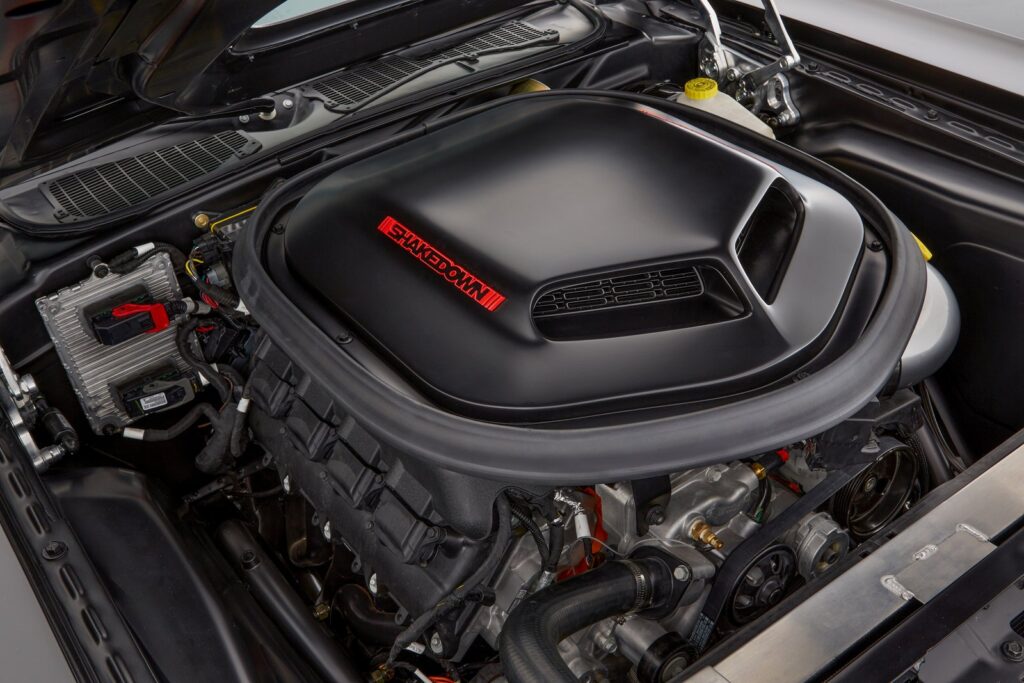
The 392 swap 5.7 Charger modification has become one of the most sought-after engine upgrades in the modern Mopar community, offering enthusiasts a significant power boost without completely overhauling their vehicle’s architecture. This transformation takes your standard 5.7L HEMI V8, producing 370 horsepower and 395 lb-ft of torque, and replaces it with the mighty 6.4L 392 cubic inch HEMI that churns out an impressive 485 horsepower and 475 lb-ft of torque. The allure of gaining over 100 horsepower while maintaining factory reliability has made this swap increasingly popular among Charger owners looking to bridge the gap between R/T and Scat Pack performance levels.
Understanding the 392 HEMI Engine Architecture
The 6.4L 392 HEMI represents a significant evolution in Chrysler’s third-generation HEMI design, featuring several key improvements over its 5.7L predecessor that make the 392 swap into 5.7 Charger particularly appealing. The larger displacement comes from an increased bore diameter of 103.9mm compared to the 5.7’s 99.5mm, while maintaining a similar stroke length, resulting in better breathing characteristics and improved volumetric efficiency. The 392 utilizes forged pistons and powder-forged connecting rods as standard equipment, providing exceptional durability under high-performance conditions that the cast components in the 5.7L simply cannot match.
The cylinder heads on the 392 HEMI feature larger intake and exhaust ports with improved flow characteristics, allowing for better air movement at higher RPMs. These heads incorporate dual spark plugs per cylinder, just like the 5.7L, but with optimized combustion chamber design that promotes more complete fuel burn and reduced emissions. The intake manifold design differs significantly between the two engines, with the 392 featuring an active runner length system that optimizes torque delivery across the entire RPM range, switching between long and short runners based on engine speed and load conditions.
Cost Analysis for 392 Swap 5.7 Charger Projects
When planning your 392 hemi swap 5.7 Charger project, understanding the complete cost breakdown is essential for proper budgeting and avoiding unexpected expenses during the build process. A 392 long block from MMX can be obtained for under $5,000 plus shipping and installation costs, making it one of the more affordable options for those looking to start with a fresh engine build. However, the engine itself represents only a portion of the total investment required for a successful swap.
Detailed Cost Breakdown Table
| Component | New/Crate | Used/Salvage | Notes |
|---|---|---|---|
| 392 Long Block | $4,500-$6,000 | $2,500-$4,000 | Condition varies for used |
| ECU/PCM Tuning | $800-$1,500 | N/A | Required for proper operation |
| Wiring Harness | $1,200-$2,000 | $400-$800 | Standalone or modified OEM |
| Fuel System Upgrade | $600-$1,200 | $300-$600 | Pump and injectors |
| Exhaust Modifications | $800-$2,000 | $400-$1,000 | Headers and cat-back |
| Labor (if not DIY) | $2,500-$4,000 | N/A | Shop rates vary |
| Miscellaneous Parts | $500-$1,000 | $300-$600 | Fluids, gaskets, hardware |
| Total Estimated Cost | $11,000-$18,000 | $6,400-$11,000 | Complete swap cost |
The pricing structure for a 392 engine swap 5.7 Charger can vary dramatically based on your location, chosen components, and whether you perform the work yourself or hire professionals. Many enthusiasts report spending between $8,000 and $15,000 for a complete swap when mixing new and used components strategically. Professional shops routinely perform 392 swaps into Ram 1500s for $12,900 plus applicable taxes, which includes a brand new crate motor, providing a benchmark for what you might expect to pay for professional installation with new components.
Essential Components and Parts List
Successfully completing a 392 swap on 5.7 Charger requires careful attention to component compatibility and ensuring you have all necessary parts before beginning the installation process. The beauty of this swap lies in the fact that many components from your existing 5.7L setup can be reused, significantly reducing costs and complexity. The NAG1 transmission is the same between models, and you can swap over all sensors, coil packs, valve covers, and accessories, even using your Eagle intake manifold and air intake to save money.
Critical Components Checklist:
- Engine Block Assembly: Complete 392 long block or short block with heads
- Fuel System Components: High-flow fuel pump (minimum 255 lph), upgraded fuel injectors (typically 36 lb/hr or higher)
- Engine Management: PCM reprogramming or standalone ECU system like Holley Terminator X
- Cooling System: Upgraded radiator recommended for increased heat dissipation
- Intake System: Can reuse 5.7L intake temporarily but 392 intake recommended for optimal performance
- Exhaust Manifolds: Stock 5.7L manifolds bolt up but headers recommended
- Engine Mounts: Stock mounts typically compatible
- Throttle Body: 392 throttle body (87mm) or larger aftermarket unit
- Drive Belt System: May need different belt lengths depending on accessory configuration
The wiring harness situation deserves special attention when planning your 6.4 392 swap 5.7 Charger project. While the factory harnesses share many similarities, there are critical differences in sensor configurations and connector types that must be addressed. Many builders opt for standalone harness solutions that simplify the integration process and eliminate potential compatibility issues. Standalone harnesses for Gen3 HEMIs (5.7, 6.1, 6.2, 6.4L) come pre-tested with simplified 3-wire hookup and weatherproof fuse/relay boxes including fan and fuel pump relay outputs.
PCM Programming and Tuning Requirements
The electronic control aspect of your 392 HEMI swap 5.7 Charger represents one of the most critical elements for achieving proper functionality and optimal performance from your new powerplant. Modern HEMI engines rely heavily on sophisticated engine management systems that control everything from fuel injection timing to variable valve timing (VVT) operation, making proper PCM configuration absolutely essential for successful operation. After installing the 392 engine and transmission, you will need a professional tune to ensure proper operation, and this tuning process goes far beyond simple plug-and-play solutions.
The factory PCM from your 5.7L Charger contains specific programming tailored to that engine’s characteristics, including fuel maps, ignition timing curves, and transmission shift points that won’t properly support the 392’s different requirements. Professional tuning shops specializing in Mopar vehicles can reprogram your existing PCM or provide a properly configured replacement unit that accounts for the larger displacement, different injector flow rates, and modified sensor inputs. The tuning process typically involves initial base mapping followed by dyno tuning sessions to optimize performance while maintaining safe operating parameters for engine longevity.
Tuning Options Comparison:
| Method | Cost | Pros | Cons |
|---|---|---|---|
| Factory PCM Reflash | $800-$1,200 | Retains OEM integration | Limited adjustability |
| HP Tuners | $650-$1,500 | Highly customizable | Requires expertise |
| DiabloSport | $500-$900 | User-friendly interface | Less granular control |
| Holley Terminator X | $1,200-$1,800 | Self-learning capability | Requires new harness |
| Professional Dyno Tune | $600-$1,000 | Optimized performance | Additional cost |
Installation Process and Technical Considerations
The physical installation of a 392 into 5.7 Charger involves multiple stages that require careful planning and execution to ensure everything fits properly and functions as intended. The process typically begins with complete removal of the existing 5.7L engine, transmission (if swapping both), and associated components like the radiator, air intake system, and exhaust manifolds. Documentation through photography during disassembly proves invaluable when reassembling components in their proper locations, especially for vacuum lines, electrical connections, and coolant hoses that must be routed correctly.
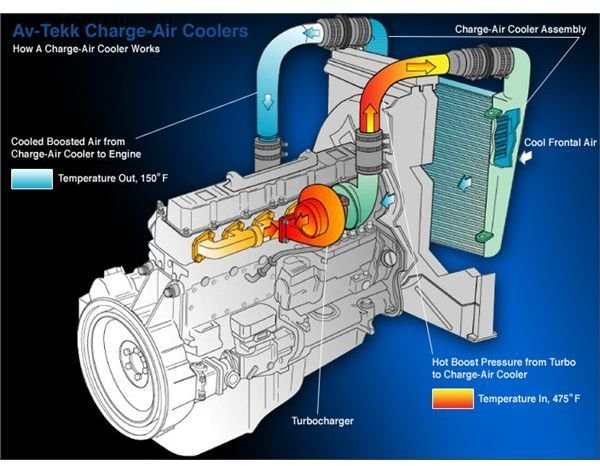
Suggested read: Charge Air Cooler System: Enhancing Engine Performance and Efficiency
Engine bay preparation includes thorough cleaning and inspection of all mounting points, checking motor mount condition, and ensuring the subframe and K-member are in good condition to support the slightly heavier 392 engine. While the 392 weighs approximately 50 pounds more than the 5.7L, this weight difference doesn’t require suspension modifications, though some owners choose to upgrade their suspension components during the swap for improved handling characteristics. The cooling system deserves special attention, as the increased power output generates more heat that must be effectively managed to prevent overheating issues during spirited driving or track use.
The fuel system modifications required for your 392 conversion 5.7 Charger extend beyond simply installing a higher-flow fuel pump, though that component is certainly critical for supporting the increased fuel demands. The 392’s larger displacement and higher power output require approximately 30% more fuel flow at wide-open throttle compared to the 5.7L, necessitating upgrades throughout the fuel delivery system. Stock fuel lines typically have adequate capacity, but the fuel pump, filter, and potentially the injectors must be upgraded to maintain proper fuel pressure under all operating conditions.
Performance Gains and Real-World Results
The transformation achieved through a 392 engine swap for 5.7 Charger delivers performance improvements that extend far beyond simple horsepower numbers, fundamentally changing the vehicle’s character and driving experience. Owners consistently report dramatic improvements in acceleration, with 0-60 mph times dropping from the mid-5-second range to low-4-second territory, while quarter-mile times improve by over a full second, typically achieving low-12-second passes at speeds exceeding 115 mph. The increased torque output, particularly in the mid-range between 2,500 and 5,000 RPM, provides effortless passing power and improved towing capability for those who use their Chargers for more than just performance driving.
Performance Metrics Comparison:
| Metric | 5.7L HEMI | 392 HEMI | Improvement |
|---|---|---|---|
| Horsepower | 370 hp @ 5,250 rpm | 485 hp @ 6,100 rpm | +115 hp (31%) |
| Torque | 395 lb-ft @ 4,200 rpm | 475 lb-ft @ 4,200 rpm | +80 lb-ft (20%) |
| 0-60 mph | 5.2-5.5 seconds | 4.1-4.3 seconds | -1.1 seconds |
| Quarter Mile | 13.7 @ 104 mph | 12.5 @ 114 mph | -1.2 seconds |
| Top Speed | 155 mph (limited) | 175 mph (limited) | +20 mph |
| Fuel Economy | 16/25 mpg | 14/23 mpg | -2 mpg average |
The throttle response improvement with the 392 swap creates a more engaging driving experience, with the larger displacement providing instant torque delivery that makes the car feel significantly more responsive in daily driving situations. The sound characteristics also change noticeably, with the 392 producing a deeper, more aggressive exhaust note that many enthusiasts find more satisfying than the 5.7L’s somewhat higher-pitched tone, especially when paired with aftermarket exhaust systems designed to complement the larger engine’s acoustic properties.
Common Challenges and Solutions
Every 392 Charger swap from 5.7 project encounters certain predictable challenges that builders should anticipate and prepare for to avoid project delays and budget overruns. The most frequently reported issue involves fitment of certain accessory components, particularly the alternator and power steering pump brackets, which may require modification or replacement depending on your specific model year combination. The alternator output may also need upgrading, as the 392’s higher compression ratio and additional electronics can place greater demands on the charging system, especially if you’re adding performance accessories like electric water pumps or cooling fans.
Wiring harness integration presents another common stumbling block, particularly when swapping between different model years where Chrysler made running changes to sensor types or connector configurations. The normal method involves getting a 2009-10 PCM with harness alterations, as you’ll need front accessories from an 09-10 5.7 because they changed in 2011. This generational divide in electronics requires careful research to ensure compatibility between your donor engine and recipient vehicle, with many builders finding that staying within similar model year ranges simplifies the integration process considerably.
The exhaust system often requires modification beyond simple bolt-on components, as the 392’s different exhaust port locations and angles may not align perfectly with existing exhaust manifolds or headers designed for the 5.7L engine. While stock 5.7L manifolds will physically bolt to the 392 heads, they create a significant flow restriction that limits the performance gains achievable from the swap. Long-tube headers designed specifically for the 392 provide optimal flow characteristics but may require modifications to the transmission crossmember or exhaust routing to achieve proper fitment without ground clearance issues.
Transmission Compatibility and Drivetrain Considerations
Understanding transmission compatibility is crucial for your 392 hemi conversion 5.7 Charger project, as the increased torque output can push older transmission designs beyond their reliable operating limits. Fortunately, most Chargers equipped with the 5.7L HEMI came with either the NAG1 (W5A580) five-speed automatic or the newer 8HP70/8HP75 eight-speed automatic, both of which have proven capable of handling the 392’s power output in stock form. The HP70 transmission found in Pursuit models is the same as used in 2021 Scat Pack models, allowing direct bolt-up compatibility, though transmission tuning remains essential for optimal shift quality and longevity.
Manual transmission equipped Chargers, though rare, benefit from the TR-6060 six-speed manual’s robust design that easily handles the 392’s torque output, though clutch upgrades are highly recommended to prevent slippage under aggressive driving conditions. The factory clutch designed for 5.7L applications typically lacks the clamping force necessary for reliable 392 operation, with most builders opting for twin-disc or heavy-duty single-disc clutch assemblies rated for at least 550 lb-ft of torque capacity. The driveshaft and rear differential components generally require no modifications for street-driven applications, though drag racing or road course use may benefit from upgraded axles and limited-slip differential options.
Supporting Modifications for Maximum Benefit
While the 392 swap on 5.7 hemi Charger provides substantial performance gains on its own, several supporting modifications can enhance the overall package and ensure long-term reliability under the increased stress levels. The cooling system represents the most critical area for improvement, as the additional heat generated by the larger displacement engine can overwhelm the stock radiator during extended high-performance driving sessions. Installing a high-capacity aluminum radiator with increased core thickness and adding an auxiliary transmission cooler helps maintain optimal operating temperatures even during track days or aggressive street driving in hot weather conditions.
Recommended Supporting Upgrades:
- Braking System: Larger rotors and high-performance pads to handle increased speeds
- Suspension: Upgraded springs and dampers to manage weight transfer
- Wheels and Tires: Wider, stickier tires to harness the additional power
- Intake System: Cold air intake for improved breathing
- Oil Cooling: External oil cooler for track use
- Fuel System: Return-style fuel system for consistent pressure
- Gauges: Wideband O2, oil pressure, and temperature monitoring
The brake system often gets overlooked during engine swaps, but the dramatic increase in acceleration capability demands corresponding improvements in stopping power for safety and performance balance. Many builders upgrade to Brembo brake packages from SRT models or install aftermarket big brake kits featuring six-piston front calipers and larger rotors that provide the thermal capacity necessary for repeated high-speed stops without fade. The investment in proper braking components not only improves safety but also enhances driver confidence when exploring the 392’s performance envelope.
Suggested read: Silver Charger Plates in Action: 5 Real-World Case Studies That Prove Their Impact on Events and Hospitality
Source: 392 Swap 5.7 Charger Information
Legal and Insurance Considerations
Before undertaking a 392 replacement for 5.7 Charger project, understanding the legal implications and insurance requirements in your jurisdiction prevents potential complications during vehicle inspection or claims processes. Many states require emissions testing for vehicles newer than a certain model year, and engine swaps can complicate the certification process if not properly documented and executed according to local regulations. California, with its strict CARB requirements, presents particular challenges for engine swaps, though the 392 being a factory Chrysler engine that meets modern emissions standards generally simplifies the approval process compared to aftermarket or older engine installations.
Insurance companies typically require notification of significant modifications like engine swaps to maintain coverage validity, and failure to disclose such changes could result in claim denial following an accident. Most insurers will adjust premiums based on the increased vehicle value and performance capability, though some specialty insurers catering to modified vehicles may offer more favorable rates for properly documented builds. Maintaining detailed records of all parts purchases, professional installation work, and dyno testing results helps establish the vehicle’s value and condition for insurance purposes while potentially increasing its resale value to knowledgeable buyers.
Case Study: Real-World 392 Swap Success Story
Mark Thompson’s 2015 Charger R/T transformation exemplifies the potential of a well-executed 392 swap project, taking a standard R/T model and elevating it to Scat Pack beating performance levels through careful planning and quality component selection. Starting with a low-mileage 2018 392 engine sourced from a totaled Challenger, Mark invested approximately $11,000 total including the engine, professional tuning, and supporting modifications over a four-month build period. The project utilized the factory NAG1 transmission with updated valve body and transmission cooler, maintaining reliability while handling the increased torque output effectively.
Dyno testing revealed 441 rear-wheel horsepower and 458 lb-ft of torque, representing approximately 91% drivetrain efficiency and confirming the swap’s success in delivering promised performance gains. Track testing at the local drag strip produced consistent 12.3-second quarter-mile passes at 113 mph, with 60-foot times in the 1.8-second range on street tires, demonstrating the practical performance improvements achievable through this modification. Mark reports fuel economy averaging 22 mpg during highway cruising when driven conservatively, only slightly lower than the original 5.7L’s efficiency, making the swap practical for daily driving despite the significant performance increase.
Maintenance and Longevity Considerations
Proper maintenance becomes even more critical following a 392 HEMI engine swap 5.7 Charger conversion, as the increased performance potential places greater demands on all vehicle systems during spirited driving. Oil change intervals should be shortened to 3,000-4,000 miles when using conventional oil or 5,000-6,000 miles with full synthetic, particularly if the engine sees regular high-RPM use or track time. The 392’s forged internals provide excellent durability, but they still require proper lubrication with high-quality oil meeting Chrysler MS-6395 specifications to prevent premature wear of bearings and valve train components.
Spark plug replacement intervals typically decrease with the 392 swap due to the higher cylinder pressures and temperatures, with most builders recommending inspection every 15,000 miles and replacement by 30,000 miles using OEM-specification iridium plugs. The ignition coils from the 5.7L generally transfer over without issue, but upgrading to higher-output coils can improve spark energy for better combustion efficiency, particularly when running aftermarket camshafts or increased boost pressure from forced induction additions. Regular inspection of engine mounts becomes important as the increased torque output can accelerate mount deterioration, potentially leading to drivetrain vibrations or component misalignment if not addressed promptly.
Future Modification Potential
The 392 swap for Dodge Charger 5.7 creates an excellent platform for future performance modifications, with the stronger bottom end providing a solid foundation for forced induction or aggressive naturally aspirated builds. The forged pistons and powder-forged connecting rods in the 392 can reliably handle 650-700 horsepower with proper supporting modifications, making supercharger or turbocharger additions viable options for those seeking even more performance. Popular supercharger kits from manufacturers like Whipple, ProCharger, and Magnuson can push properly built 392s beyond 700 wheel horsepower while maintaining street drivability and reasonable reliability when tuned conservatively.
Naturally aspirated builds focusing on high-RPM power production benefit from the 392’s larger bore diameter, which accommodates bigger valves and improved port designs for superior breathing at elevated engine speeds. Aftermarket camshafts specifically designed for the 392’s characteristics can shift the power band higher while maintaining good street manners, with some combinations achieving over 550 naturally aspirated horsepower with supporting head work and intake/exhaust modifications. The robust bottom end also tolerates increased RPM operation better than the 5.7L, with many builders safely running 6,800-7,000 RPM shift points with appropriate valve spring upgrades and careful attention to harmonic damper selection.
392 Swap 5.7 Charger Rear End Considerations
Frequently Asked Questions
How long does a 392 swap 5.7 Charger typically take?
A professional shop can complete a 392 swap in 3-5 days with all parts ready, while DIY installations typically require 2-4 weeks depending on experience level and available time. The most time-consuming aspects involve wiring integration and PCM tuning rather than the physical engine installation itself.
Can I use my existing 5.7 Charger transmission with a 392 swap?
Yes, both the NAG1 five-speed and 8HP70/75 eight-speed automatic transmissions used with 5.7L Chargers can handle the 392’s power output, though transmission tuning is essential for optimal performance and longevity.
What year 392 engines work best for swapping into a 5.7 Charger?
Generally, 2011-2021 392 engines provide the best compatibility, with 2015+ engines offering improved valve train components and slightly higher compression ratios. Matching generation years between donor and recipient vehicles simplifies electronics integration.
Suggested read: Silver Charger Plates: Frequently Asked Questions — Your Complete Guide to Buying, Using, and Caring for Them
Is a 392 swap 5.7 Charger street legal?
In most states, the swap is legal if the replacement engine is the same year or newer than the vehicle and meets emissions requirements. California and states following CARB standards have stricter requirements requiring executive order approval or referee inspection.
How much power can I expect from a 392 swapped Charger?
Stock 392 swaps typically produce 440-450 rear-wheel horsepower and 450-460 lb-ft of torque, representing 90-93% drivetrain efficiency. With basic bolt-ons like headers and tune optimization, 475+ rear-wheel horsepower is achievable.
Will my fuel economy significantly decrease with a 392 swap?
Expect a 2-3 mpg decrease in combined driving, with highway economy remaining surprisingly close to 5.7L levels when driven conservatively. City driving and aggressive acceleration show the largest efficiency penalties due to increased displacement.
Do I need to upgrade my rear axle for a 392 swap 5.7 Charger?
The stock 8.25″ or 9.25″ rear axles (depending on model year) handle 392 power adequately for street use, though drag racing applications benefit from upgraded axles and limited-slip differentials for improved traction and durability.
What’s the difference between a 392 crate engine and a used 392?
Crate engines offer warranties and known history but cost $4,500-6,000, while used engines from salvage vehicles cost $2,500-4,000 but carry unknown history risks. Professional inspection of used engines is highly recommended before purchase.
Ready to transform your Charger with a 392 swap 5.7 Charger upgrade? Start by researching reputable suppliers for your 392 engine and connecting with experienced Mopar tuning shops in your area who can ensure your swap is completed correctly. Join online forums and local Mopar clubs where fellow enthusiasts share their 392 swap experiences and can provide valuable guidance throughout your build process.