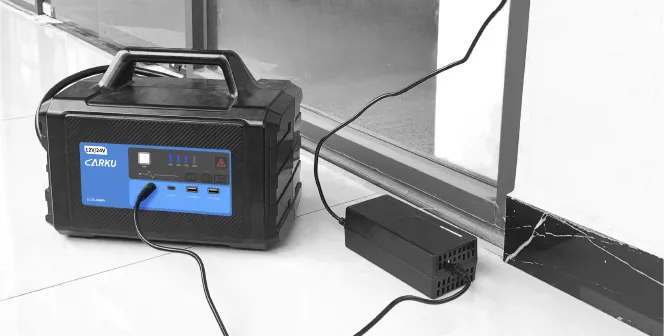
When your vehicle battery dies unexpectedly, an instant power battery charger becomes your most valuable roadside companion. These portable powerhouses have revolutionized how we handle dead batteries, eliminating the need for jumper cables and good Samaritan assistance. This comprehensive guide explores everything from selecting the right charger to understanding the technology that makes these devices indispensable for modern drivers.
What is an Instant Power Battery Charger?
An instant power battery charger is a portable, self-contained device designed to jump-start vehicles with dead batteries without requiring another vehicle. Unlike traditional battery chargers that slowly restore charge over several hours, these units deliver an immediate surge of power to crank your engine and get you back on the road within minutes. Modern instant power chargers combine jump-starting capabilities with additional features like USB charging ports, built-in flashlights, and air compressors, transforming them into multi-functional emergency tools that belong in every vehicle.
The technology behind instant power battery chargers has advanced significantly over the past decade. Early models were bulky, heavy units that required frequent recharging and offered limited power output. Today’s lithium-ion based instant power battery chargers pack tremendous cranking amperage into compact, lightweight packages that can fit in your glove compartment. These devices typically feature intelligent safety systems that prevent reverse polarity connections, protect against overcharging, and automatically shut off when the jump-start is complete, making them safe even for automotive novices.
Core Components of Battery Chargers
Understanding the internal components helps you appreciate how an instant power battery charger delivers such impressive performance. At the heart of every quality unit lies a high-capacity lithium-ion or lithium-polymer battery pack, similar to what powers your smartphone but significantly larger and more robust. These batteries can hold their charge for months, ensuring the charger is ready when emergencies strike. The power management circuitry regulates voltage output, monitors battery health, and coordinates the various functions including USB ports and LED displays that show remaining charge levels.
The jump-starting cables and clamps represent another critical component that separates premium instant power battery chargers from budget alternatives. Heavy-gauge copper cables minimize voltage drop during the high-current jump-start process, while industrial-strength clamps with teeth ensure solid connections to battery terminals even when corrosion is present. Quality manufacturers use heat-resistant materials for cable insulation because temperatures can spike during the cranking process. Some advanced models incorporate smart cables with built-in microprocessors that communicate with the charger to optimize power delivery based on battery condition.
Types of Instant Power Battery Chargers Available
The market offers several distinct categories of instant power battery chargers, each designed for specific applications and vehicle types. Understanding these variations helps you select the model that best matches your needs and vehicle requirements.
Compact Personal Jump Starters
Compact personal jump starters represent the smallest category of instant power battery chargers, typically measuring no larger than a thick smartphone. These units usually deliver 400-600 peak amps, sufficient for most four-cylinder and V6 passenger vehicles. Their ultra-portable design makes them ideal for daily commuters, ride-share drivers, and anyone who values convenience over maximum power. Despite their diminutive size, quality compact chargers can perform 20-30 jump-starts on a single charge and often include dual USB ports for charging phones and tablets.
The limitations of compact instant power battery chargers become apparent with larger engines or extremely cold weather conditions. A four-cylinder sedan that starts easily with 400 amps in summer might require 600-800 amps when temperatures drop below freezing. Additionally, diesel engines, which require higher cranking power due to their compression ratios, often exceed the capabilities of compact units. However, for the average driver with a gasoline-powered vehicle in moderate climates, these chargers provide an excellent balance of portability and performance.
Suggested read: 48 Volt Charger: Everything You Need to Know About Selecting and Using High-Performance Battery Charging Solutions
Heavy-Duty Professional Models
Professional-grade instant power battery chargers cater to mechanics, towing services, and owners of large vehicles like trucks, SUVs, and diesel-powered equipment. These robust units typically deliver 1000-2000 peak amps with sustained cranking capabilities that exceed compact models by significant margins. The increased power capacity comes with larger battery packs, often resulting in devices weighing 5-10 pounds compared to the 1-2 pounds of compact chargers. Professional models frequently include additional features like 12-volt DC outlets for powering accessories, higher-capacity air compressors, and rugged construction that withstands the harsh conditions of commercial use.
Investment in a heavy-duty instant power battery charger makes sense for anyone who regularly works with various vehicle types or operates in challenging environments. Fleet managers, for instance, keep these units in service vehicles to assist stranded customers or jump-start equipment at job sites. The higher initial cost, typically ranging from $150-400 compared to $50-100 for compact models, is offset by superior reliability, longer lifespan, and the ability to handle any jump-start situation regardless of vehicle size or battery condition.
Multi-Function Power Stations
Multi-function power stations represent the evolution of instant power battery chargers beyond simple jump-starting devices. These comprehensive units integrate jump-starting capabilities with significant energy storage that can power AC devices through built-in inverters, charge multiple devices simultaneously via numerous USB ports, and run small appliances for extended periods. Capacities range from 150 watt-hours in smaller models to over 1000 watt-hours in expedition-grade units designed for off-grid adventures and emergency preparedness.
While multi-function power stations cost significantly more than dedicated instant power battery chargers, starting around $200 and climbing above $1000 for premium models, they provide unmatched versatility. Campers and outdoor enthusiasts use them to power everything from portable refrigerators to CPAP machines in locations without electrical infrastructure. During power outages, these stations maintain critical communications equipment, medical devices, and lighting systems. The jump-starting capability, though often secondary to the overall power storage function, still matches or exceeds dedicated jump starters, making these units the ultimate all-in-one emergency power solution.
Key Features to Consider When Choosing
Selecting the right instant power battery charger requires evaluating several critical specifications and features that directly impact performance and usability.
Peak Amps vs. Cranking Amps
The amperage specifications on instant power battery chargers often confuse consumers because manufacturers list multiple numbers including peak amps, cranking amps, and cold cranking amps. Peak amps represent the absolute maximum current the device can deliver for a very brief moment, typically 2-3 seconds, which corresponds to the initial surge when you turn the ignition key. Cranking amps indicate sustained current delivery over 30 seconds at 32°F, providing a more realistic measure of the charger’s ability to crank an engine until it starts. Cold cranking amps measure performance at 0°F, critical for drivers in northern climates where batteries struggle most.
For practical purposes, focus primarily on cranking amps rather than peak amps when comparing instant power battery chargers. A unit advertising 2000 peak amps but only 400 cranking amps will perform similarly to a competitor claiming 1500 peak amps with 400 cranking amps—the peak number is largely marketing. As a general rule, gasoline engines require 200-400 cranking amps, V6 and V8 engines need 400-600 cranking amps, and diesel engines demand 600-1000 cranking amps or more. Always select a charger rated for at least 25% more capacity than your engine technically requires to account for battery degradation, cold weather, and multiple start attempts.
Battery Capacity and Charge Retention
The internal battery capacity of an instant power battery charger, measured in milliamp-hours (mAh) or watt-hours (Wh), determines how many jump-starts you can perform before recharging and how long the unit retains its charge when stored. Quality lithium-ion chargers typically range from 8,000 mAh for compact units to 20,000+ mAh for professional models, with each jump-start consuming approximately 500-1500 mAh depending on vehicle size and battery condition. This means a well-specified charger should handle 15-30 jump-starts per charge, providing substantial emergency capacity before requiring wall power.
Equally important is charge retention, particularly for occasional users who might store their instant power battery charger for months between uses. Premium lithium battery packs lose only 5-10% of their charge over six months, ensuring readiness when emergencies arise. Conversely, lower-quality batteries might self-discharge 20-30% monthly, leaving the unit depleted when you need it most. Look for models with battery management systems that minimize self-discharge and consider setting a calendar reminder to recharge your unit every 3-4 months regardless of use, maintaining optimal battery health and ensuring reliability.
Safety Features and Protections
Modern instant power battery chargers incorporate multiple safety systems that protect both the user and the vehicle’s electrical system. Reverse polarity protection prevents damage if you accidentally connect the positive clamp to the negative terminal and vice versa—a common mistake that could destroy electronic components in vehicles without this safeguard. The charger simply won’t activate until you correct the connection. Overcharge protection prevents battery damage by automatically stopping the charging process when the internal battery reaches full capacity, while over-discharge protection shuts down the device before the battery depletes to levels that would reduce its lifespan.
Additional safety features found in premium instant power battery chargers include spark-proof technology that eliminates the dangerous sparks that occur when connecting traditional jumper cables, short-circuit protection that immediately shuts down current flow if cables accidentally touch, and temperature monitoring that prevents operation if the unit becomes too hot or too cold. Some advanced models even include diagnostic capabilities that test the connected battery’s condition before attempting a jump-start, alerting you to batteries that may be damaged beyond simple jump-starting. These safety systems justify the higher cost of quality chargers by virtually eliminating the risks associated with jump-starting vehicles.
How Instant Power Battery Chargers Work
Understanding the operational principles behind an instant power battery charger helps users maximize performance and troubleshoot issues when they arise.
The Jump-Starting Process Explained
When you connect an instant power battery charger to a dead vehicle battery, you’re essentially creating a temporary parallel power source that supplements the depleted battery’s remaining capacity. The charger’s internal battery, fully charged and ready, supplies the high current necessary to crank the starter motor while the vehicle’s battery contributes whatever charge it retains. This combined power overcomes the starter’s resistance and turns the engine, which then drives the alternator to begin recharging the vehicle’s battery once combustion begins. The entire process typically takes 30-90 seconds from connection to engine ignition, though severely depleted batteries in cold conditions might require several attempts.
The intelligent electronics in modern instant power battery chargers monitor the entire jump-start sequence, adjusting current flow based on real-time conditions. When you first connect the clamps and activate the charger, the device performs quick diagnostics checking for proper polarity, adequate voltage in the vehicle’s battery, and safe temperature ranges. Once cleared, the charger pre-charges the vehicle’s battery for 10-15 seconds, restoring minimal capacity that increases the likelihood of successful cranking. When you turn the ignition, the charger unleashes its full current capacity, maintaining steady power delivery even as voltage temporarily drops under the heavy load of the starter motor.
Lithium-Ion vs. Lead-Acid Technology
The shift from lead-acid to lithium-ion batteries in instant power battery chargers represents one of the most significant technological advances in automotive emergency equipment. Traditional lead-acid jump starters weighed 15-30 pounds, required monthly recharging to combat self-discharge, and delivered inconsistent performance as they aged. Lithium-ion technology reduced weight by 80-90% while increasing energy density threefold, enabling pocket-sized chargers that outperform their bulky predecessors. Lithium batteries also tolerate thousands of charge cycles compared to hundreds for lead-acid, extending the useful life of instant power chargers to 5-10 years with proper care.
However, lithium-ion instant power battery chargers do have specific requirements and limitations users should understand. These units perform best within certain temperature ranges, typically 32°F to 140°F, with reduced capacity in extreme cold and potential damage risks in excessive heat. While the chargers themselves tolerate cold storage, allowing them to warm to room temperature before use ensures optimal performance. Lithium batteries also require specialized charging circuits that prevent overcharging and balance cell voltages, meaning you must use the supplied charger rather than generic alternatives. Despite these considerations, the advantages of lithium-ion technology so thoroughly outweigh the limitations that lead-acid jump starters have become virtually obsolete in the consumer market.
Charge Cycle Management
Proper charge cycle management maximizes the lifespan and reliability of your instant power battery charger. Lithium-ion batteries thrive on partial charge cycles rather than complete depletion and recharge, meaning you don’t need to fully drain the unit before plugging it in. In fact, frequently allowing the battery to drop below 20% capacity can reduce overall lifespan by stressing the cells. The ideal practice involves recharging your instant power charger when it reaches 30-40% capacity, maintaining charge levels between 40-80% for long-term storage, and performing a complete charge cycle every 30-40 partial cycles to recalibrate the battery management system.
Temperature significantly impacts charge cycle effectiveness and battery longevity. Charging your instant power battery charger in ambient temperatures between 50°F and 80°F optimizes charge acceptance and minimizes stress on battery cells. Attempting to charge a frozen unit can damage cells permanently, while charging in temperatures above 100°F accelerates degradation and reduces capacity. If you’ve stored your charger in a hot car or cold garage, allow it to reach room temperature before connecting the charger. Most quality units include temperature sensors that prevent charging outside safe ranges, though these safeguards work best when you understand and respect the underlying principles.
Suggested read: DC DC Charging: Everything You Need to Know About Fast Electric Vehicle Power Solutions
Top Applications and Use Cases
Instant power battery chargers serve diverse applications beyond the obvious roadside emergency scenario, providing value across numerous situations and user groups.
Emergency Roadside Assistance
The primary application for instant power battery chargers remains emergency jump-starting of vehicles with dead batteries, a situation affecting millions of drivers annually. Dead batteries rank among the top three causes of roadside breakdowns, alongside flat tires and running out of fuel. Unlike the latter two situations that might require professional assistance, a dead battery becomes a minor inconvenience rather than a major disruption when you carry an instant power battery charger. The autonomy these devices provide cannot be overstated—you’re no longer dependent on the kindness of strangers, the availability of roadside assistance, or the risk of accepting help from potentially unsafe individuals.
Real-world scenarios demonstrate the value of instant power battery chargers in preventing minor issues from escalating into serious problems. Consider a parent with young children whose battery dies in a parking lot on a scorching summer day or freezing winter night. Without a charger, they face potentially hours of waiting with increasingly uncomfortable or even unsafe conditions for the children. With an instant power battery charger, they’re back on the road within minutes. Similarly, remote workers who occasionally work from their vehicles, running laptops and phones off the 12V system, can confidently use these accessories knowing they have instant recovery capability if they inadvertently drain the starting battery.
Outdoor Recreation and Camping
Outdoor enthusiasts have embraced instant power battery chargers as essential equipment for remote adventures where traditional power sources don’t exist. Modern camping increasingly involves powered devices from smartphones and GPS units to portable refrigerators and drone batteries, all of which require regular charging. Multi-function instant power chargers with substantial capacity can power a campsite for a weekend, running lights, charging devices, and even operating small appliances through inverter outlets. The jump-starting capability provides insurance for vehicles accessing remote locations where a dead battery could transform an adventure into a survival situation.
Overlanding and off-road adventurers particularly value heavy-duty instant power battery chargers because their activities regularly stress vehicle electrical systems. Winching, running auxiliary lights, operating air compressors for tire inflation, and extended periods with the engine off while using electronics all drain batteries faster than normal driving conditions. Having an instant power charger capable of multiple jump-starts ensures recovery even after repeated deep discharges. Some adventurers carry multiple units, using smaller chargers for daily device charging while reserving heavy-duty models exclusively for vehicle jump-starting, guaranteeing they always have emergency starting capacity regardless of how much they’ve depleted their power banks.
Professional and Commercial Applications
Professional mechanics, mobile repair technicians, and fleet managers rely on commercial-grade instant power battery chargers as indispensable tools that save time and increase productivity. Traditional jump-starting methods require positioning another vehicle adjacent to the disabled one, a process that’s impossible in many shop configurations and highly inefficient for mobile services. An instant power battery charger eliminates this positioning requirement while delivering more consistent results than depending on potentially marginal batteries in service vehicles. High-end professional units often include diagnostic functions that test battery condition, alternator output, and electrical system health, adding value beyond simple jump-starting.
Towing companies and roadside assistance providers have largely standardized on heavy-duty instant power battery chargers because they dramatically reduce service times and improve safety. Technicians can jump-start vehicles in traffic lanes, on narrow shoulders, or in parking structures where positioning a tow truck would be difficult or dangerous. The speed of modern instant power chargers means assistance calls that might have taken 30-45 minutes with traditional methods now complete in 10-15 minutes, allowing providers to serve more customers daily. The reliability of quality chargers also reduces callback rates from unsuccessful jump-start attempts, improving customer satisfaction and operational efficiency.
Maintenance and Care Guidelines
Proper maintenance extends the life of your instant power battery charger and ensures reliability when emergencies occur.
Regular Testing and Charging Schedule
Establishing a regular testing and charging schedule prevents the disappointment of discovering your instant power battery charger is dead when you urgently need it. Most manufacturers recommend fully charging the unit every three to four months even if you haven’t used it, combating the natural self-discharge that occurs in all rechargeable batteries. During these maintenance charges, also test the unit’s functionality by checking the LED indicators, verifying the flashlight operates, and confirming the USB ports charge devices properly. Some users set quarterly calendar reminders synchronized with seasonal changes, making the maintenance routine easy to remember and execute.
Beyond calendar-based maintenance, recharge your instant power battery charger immediately after any use, regardless of how much capacity you consumed. Jump-starting a vehicle might only deplete 10-20% of the total capacity, but leaving the unit in this partially discharged state accelerates self-discharge and can lead to deep discharge if you forget about it. After recharging, verify the unit indicates full charge through the LED display before returning it to storage. If the charger won’t accept a charge or displays error indicators, consult the manual’s troubleshooting section or contact manufacturer support rather than assuming it’s simply old—many apparent failures result from correctable issues like dirty charging contacts or temporarily confused battery management systems.
Storage Best Practices
Proper storage significantly impacts instant power battery charger longevity and readiness. Store your unit in climate-controlled environments where temperatures remain between 40°F and 85°F, avoiding locations like garages or car trunks where temperature extremes occur. Excessive heat accelerates battery degradation and can damage electronic components, while extreme cold reduces capacity and may prevent proper operation. If you must store the charger in a vehicle for convenience, insulate it within a protective case or bag and consider bringing it indoors during temperature extremes, returning it to the vehicle when conditions moderate.
Maintain your instant power battery charger at approximately 50-60% charge for long-term storage rather than fully charged or depleted. Battery chemistry research demonstrates that lithium-ion cells age slowest when maintained at partial charge levels, with full charges actually accelerating degradation during extended storage periods. This recommendation applies primarily to chargers you won’t use for months, such as seasonal vehicle equipment or backup units. For daily-carry chargers, maintaining full charge makes more sense despite the slight longevity reduction because availability outweighs the minor lifespan impact. Keep the charging cables neatly wrapped or stored in the unit’s designated compartment to prevent damage to the conductors and maintain proper insulation integrity.
Cleaning and Inspection Protocols
Regular inspection of your instant power battery charger identifies potential problems before they cause failures. Every few months, carefully examine the jumper cable insulation for cracks, cuts, or exposed conductors that could cause dangerous shorts or shock hazards. Check the battery clamps for damage, ensuring the teeth remain sharp enough to penetrate minor corrosion and the spring mechanisms maintain adequate clamping pressure. Inspect the charging port for debris or corrosion that might prevent proper connection, using compressed air to clear any accumulated dust while avoiding liquid cleaners that could damage electronics.
When cleaning your instant power battery charger, use only slightly damp cloths with mild soap, avoiding solvents, harsh chemicals, or excessive moisture that might penetrate the casing and damage internal components. Clean the battery clamps particularly thoroughly because corrosion from previous jump-starts can accumulate on the contact surfaces, reducing conductivity and potentially preventing successful connections. Some users apply a thin layer of dielectric grease to the clamp teeth after cleaning, protecting against corrosion while maintaining electrical conductivity. If the unit’s exterior becomes significantly dirty from shop or outdoor use, clean it promptly rather than allowing grime to accumulate and potentially work into seams and ports where it could cause long-term damage.
Comparing Top Brands and Models
The instant power battery charger market includes numerous manufacturers with varying reputations for quality, reliability, and customer support.
Premium Tier Manufacturers
NOCO Genius leads the premium instant power battery charger segment with models renowned for exceptional build quality, innovative features, and industry-leading safety systems. Their Boost series ranges from ultra-compact GB20 units suitable for small engines to heavy-duty GB150 and GB250 models capable of jump-starting diesel trucks and commercial equipment. NOCO chargers typically command prices 20-40% above mid-tier competitors but justify the premium through superior components, more sophisticated battery management systems, and excellent warranty support. Professional users particularly appreciate NOCO’s spark-proof technology and reverse polarity protection that function flawlessly even in challenging conditions.
HULKMAN has emerged as another premium manufacturer, focusing on rugged construction and maximum power output in relatively compact packages. Their Alpha series instant power battery chargers deliver impressive cranking amps while incorporating heavy-duty clamps and cables that withstand the demands of professional use. HULKMAN units often include larger LED displays than competitors, making status information more readable in various lighting conditions. The company’s focus on the overlap between professional and enthusiast markets results in products that offer commercial-grade performance at prices more accessible than traditional professional equipment, typically positioned 10-20% below NOCO while exceeding budget brands significantly.
Mid-Tier Value Options
Beatit occupies the mid-tier market with instant power battery chargers that balance reasonable pricing against solid performance and decent build quality. Their units typically cost 40-60% of premium brands while delivering 70-80% of the performance, making them attractive to budget-conscious consumers who still want reliability. Beatit chargers include most essential safety features though they may use less sophisticated implementations than premium brands. The company’s customer service receives mixed reviews, with some users praising responsive support while others report difficulty obtaining warranty service, suggesting quality control or regional variations in service.
Suggested read: Compleo Charging Station: Everything You Need to Know About Smart EV Charging Solutions
DBPOWER represents another mid-tier manufacturer whose instant power battery chargers appear frequently in online marketplaces and big-box retailers. These units emphasize value pricing and adequate functionality for typical consumer applications rather than pushing performance boundaries. DBPOWER chargers work well for occasional use with standard passenger vehicles but may struggle with larger engines or frequent use patterns that would challenge their less robust construction. The brand offers good entry points for first-time buyers who want jump-starting capability without significant investment, though users often upgrade to premium brands after experiencing the limitations of budget construction during demanding situations.
Budget-Friendly Alternatives
The budget segment of instant power battery chargers includes numerous brands, many of which appear and disappear rapidly as importers rebrand generic products under various names. While some budget units deliver surprising value, others fail quickly or never work properly from the start. When considering budget chargers, focus on models with substantial user reviews from verified purchases rather than units with few reviews or suspiciously uniform positive feedback. Even among budget options, avoid the absolute cheapest alternatives because the small price differences between the lowest tier and slightly better budget brands often represent significant quality gaps.
Generic instant power battery chargers sold under house brands by major retailers sometimes offer better value than off-brand alternatives because the retailers’ quality control and return policies provide some protection against defective units. These chargers typically use the same manufacturing facilities as recognized budget brands but may receive slightly better component selection through the retailer’s purchasing power. Warranties on budget chargers generally provide minimal coverage, often just 90 days to one year compared to 2-3 years or more from premium manufacturers. Given that battery chargers can fail years into ownership, this warranty difference represents real value that partially justifies higher initial costs for premium products.
Troubleshooting Common Issues
Even quality instant power battery chargers occasionally experience problems that users can often resolve without requiring professional service or replacement.
Charger Won’t Power On
When your instant power battery charger won’t power on, first verify it actually has charge by connecting the wall charger for at least 30 minutes before attempting operation. Sometimes units that appear dead simply need initial charging to wake the battery management system from deep sleep mode, particularly if they’ve been stored for extended periods. If the unit still won’t power on after charging, try a different wall outlet and verify the wall charger itself works properly, as failed AC adapters cause many apparent battery charger failures. Some instant power chargers include reset procedures, typically involving pressing specific button combinations, that clear error states and restore functionality.
Persistent power failures despite adequate charging often indicate battery pack degradation or complete failure, particularly in units older than 3-5 years or those subjected to extreme temperature exposure. Lithium-ion batteries inevitably degrade with age and use cycles, eventually reaching a point where they can’t hold sufficient charge to power the device. Unfortunately, battery pack replacement usually isn’t economical because replacement batteries cost 60-80% of a new unit’s price and require technical skills beyond most users’ capabilities. If your instant power battery charger is within warranty, contact the manufacturer for replacement options. Outside warranty, replacement typically makes more sense than repair given the declining costs of new technology.
Insufficient Power to Jump-Start
Experiencing insufficient power to jump-start your vehicle frustrates users because the charger’s primary function fails. Before concluding the charger is defective, verify the vehicle’s battery is actually jumpable rather than damaged beyond recovery. A battery with completely shorted cells won’t respond to jump-starting regardless of how much power you apply. Also confirm you’re following proper procedure: connect the charger, wait 10-15 seconds for pre-charging, then attempt to start the engine while the charger remains connected. Some users disconnect the charger before cranking, eliminating its power contribution and ensuring failure.
If your instant power battery charger previously worked but now delivers insufficient power, check the charge level—a partially depleted charger might lack the capacity for successful jump-starts despite having enough power to illuminate indicators and operate USB ports. Cold temperatures dramatically reduce available power, sometimes by 30-50%, so a charger that easily starts your car in summer might struggle in winter. Inspect the jumper cable connections to both the charger and the vehicle battery, ensuring the clamps achieve solid contact with clean metal surfaces. Corrosion on either the clamps or battery terminals creates resistance that prevents proper current flow, leading to failures that mimic insufficient charger capacity.
Charging Problems and Error Indicators
Modern instant power battery chargers include sophisticated error detection systems that illuminate warning lights or display error codes when problems occur. Consult your unit’s manual to decode these indicators, as they provide specific information about the detected issue. Common error messages relate to overheating during charging or use, which triggers automatic shutdown to prevent damage. If your charger indicates overheating, disconnect it and allow complete cooling before attempting to resume operation. Repeated overheating suggests either defective thermal sensors or actual thermal problems from damaged components or blocked ventilation.
Chargers that won’t accept a charge or charge extremely slowly might have dirty or corroded charging contacts. Carefully clean both the charging port on the device and the pins on the wall charger using a cotton swab slightly moistened with isopropyl alcohol, allowing everything to dry completely before reconnecting. Some instant power battery chargers refuse to charge if internal batteries have fallen below minimum voltage thresholds, a protective measure that prevents charging damaged cells that could overheat or catch fire. These situations sometimes require special wake-up procedures described in the manual or support documents, though severely depleted batteries may be unrecoverable and necessitate replacement.
Integration with Emerging Technologies
The evolution of instant power battery chargers continues as manufacturers integrate emerging technologies that expand capabilities and improve user experience.
Smart Connectivity Features
Recent generations of instant power battery chargers increasingly incorporate Bluetooth connectivity and companion smartphone apps that enhance functionality and provide detailed information about device status and battery health. These apps typically display precise remaining charge percentages rather than simplified LED indicators, show complete usage history including number of jump-starts performed and device age, and send alerts when the charger requires recharging or has been stored too long without use. Some advanced implementations include GPS tracking that helps locate lost or stolen chargers and integrates with vehicle maintenance apps to track battery health and predict when replacement might become necessary.
The data logging capabilities of connected instant power battery chargers provide value for professional users who need to document service calls or track equipment utilization across fleets. Detailed usage logs show exactly when jump-starts occurred, how much power was consumed, and whether any error conditions were detected, information that supports better maintenance scheduling and equipment replacement decisions. For consumers, the primary value comes from peace of mind—the app confirms your charger is ready without requiring you to periodically check the physical device, and alerts ensure you don’t forget regular maintenance charging that maximizes longevity.
Solar Charging Capabilities
Some manufacturers have begun incorporating solar charging panels into instant power battery chargers, creating devices that can maintain or restore their charge using only sunlight. These hybrid units appeal particularly to outdoor enthusiasts and emergency preparedness advocates who want equipment that remains functional even when grid power isn’t available. Solar-equipped instant power chargers typically feature fold-out panels that deploy to capture sunlight, charging the internal battery over several hours of exposure. The charging rates remain relatively slow compared to AC charging—expect 8-12 hours of strong sunlight to fully recharge most solar units—but this renewable capability provides genuine off-grid independence.
The practical value of solar charging in instant power battery chargers varies significantly based on usage patterns and expectations. For casual campers or as emergency backup capability, the solar function adds minimal weight and cost while providing genuine utility during extended power outages or remote adventures. However, professional users or those requiring rapid recharge capability should view solar as supplemental rather than primary charging, because the slow charging rates make these units impractical for high-volume operations. Hybrid units that accept both solar and AC charging provide maximum flexibility, allowing users to leverage whichever power source best suits their current situation.
Integration with Pi Charging Systems
Emerging wireless power technologies like pi charging represent the future of how we might power instant power battery chargers and the devices they support. Pi charging uses magnetic resonance to transmit power over distances without physical connections, potentially enabling chargers to maintain power continuously when placed near compatible transmitters. While true wireless charging for high-power devices like instant power battery chargers remains years away from commercial viability, the technology’s trajectory suggests future models might incorporate receiving capabilities that eliminate cable-based charging entirely, automatically maintaining full charge whenever they’re within range of home or office charging fields.
The intersection of instant power battery chargers with distributed wireless charging infrastructure could transform these devices from emergency equipment requiring periodic maintenance to perpetually-ready systems that users never consciously charge. Imagine your instant power charger automatically maintaining full charge whenever it’s in your vehicle, which itself wirelessly charges in your garage, or at your office desk, or even in specially-equipped parking spots. This seamless charging paradigm would eliminate the primary limitation of current instant power chargers—the human tendency to forget maintenance charging until the device is needed. As pi charging and similar technologies mature, expect instant power manufacturers to quickly adopt these capabilities, dramatically improving user experience and reliability.
Suggested read: How to Charge a 12V Battery: Everything You Need to Know About 12V Battery Charging
Environmental and Safety Considerations
Responsible ownership of an instant power battery charger includes understanding environmental impacts and safety requirements throughout the device’s lifecycle.
Proper Disposal and Recycling
Instant power battery chargers contain lithium-ion batteries that require special disposal procedures because they contain materials hazardous to the environment and potentially dangerous if improperly handled. Never dispose of these devices in regular household trash where they might end up in landfills. Lithium batteries can ignite if crushed or punctured during waste processing, creating fires that endanger workers and release toxic fumes. Most electronics retailers, battery specialty stores, and municipal recycling centers accept lithium batteries and battery-powered devices for proper recycling, often at no charge to consumers.
Before recycling your instant power battery charger, fully discharge the internal battery to minimize fire risk during transportation and processing. Many recycling facilities request that you tape over the battery terminals or place the device in a sealed plastic bag to prevent accidental activation or short circuits. If your charger is still functional but you’re replacing it with a newer model, consider donating it to charitable organizations, vocational schools, or community programs rather than recycling. Many people could benefit from even older technology, and extending the useful life of electronic devices represents the most environmentally responsible approach, reducing the resources required to manufacture replacement products.
Safe Operating Procedures
Operating an instant power battery charger safely requires following established procedures and respecting the power these devices deliver. Always connect the positive (red) clamp to the positive battery terminal and negative (black) clamp to the negative terminal, verifying polarity before activating the charger. While modern units include reverse polarity protection, repeatedly testing these safety systems by making incorrect connections might eventually overwhelm the protection circuits. Ensure all clamps achieve solid metal-to-metal contact, clearing away corrosion or dirt that might create resistance. Loose connections can arc, creating sparks that might ignite hydrogen gas escaping from damaged batteries.
Never attempt to jump-start a visibly damaged, leaking, or frozen battery because these conditions indicate serious problems that jump-starting won’t resolve and might exacerbate. Damaged batteries can explode if you apply current, spraying acid and fragments that cause severe injuries. If you notice your vehicle’s battery has unusual bulging, liquid leaking from cracks, or ice within the cells, replace the battery rather than attempting emergency recovery. Keep your instant power battery charger away from open flames, sparks, and smoking materials during use because the charging process can release small amounts of flammable hydrogen gas, particularly from older or damaged batteries.
Understanding Electromagnetic Interference
High-powered instant power battery chargers generate electromagnetic fields during operation that might interfere with sensitive electronic devices or medical implants. If you have a pacemaker, implanted defibrillator, or other active medical device, consult your physician before using or being near operating battery chargers. While modern medical devices incorporate shielding against typical electromagnetic interference, the intense fields from large jump starters during cranking exceed normal environmental exposure levels. Maintain at least three feet of distance between the charger and any person with implanted medical devices during jump-start operations.
The electromagnetic fields from instant power battery chargers can also potentially affect vehicle electronics, though quality modern chargers include filtering that minimizes this risk. Sensitive systems like engine control units, airbag modules, and infotainment computers typically withstand the brief electromagnetic exposure during jump-starting without issues. However, if you experience unusual electronic behavior after jump-starting—check engine lights, airbag warnings, or system glitches—the electromagnetic pulse might have temporarily confused control modules. Many such issues resolve after disconnecting the main battery for several minutes, allowing vehicle computers to reset. If problems persist, consult a qualified technician to properly diagnose whether the issues relate to the original dead battery situation or potential electromagnetic interference.
Cost Analysis and Value Proposition
Evaluating the true cost and value of an instant power battery charger requires considering both initial purchase price and long-term ownership expenses.
Price Ranges and What They Mean
Instant power battery chargers span enormous price ranges from under $40 for basic compact units to over $400 for professional-grade equipment with extensive features. These price differences reflect real variations in quality, capability, and longevity rather than simply branding or marketing. Budget chargers under $60 typically use lower-grade lithium cells that degrade faster, less sophisticated battery management systems that reduce safety margins, and lighter-duty cables and clamps that might fail after limited use. These units work adequately for occasional emergency use in moderate conditions but struggle with larger engines, extreme temperatures, or frequent deployment.
Mid-range instant power battery chargers priced between $80-150 represent the sweet spot for most consumers, delivering reliable performance with good safety features and decent longevity. These models use quality lithium cells rated for hundreds of charge cycles, include robust cables and industrial-strength clamps, and incorporate safety systems that protect against common user errors. The step up from budget to mid-range often means the difference between a charger that works once when you desperately need it versus one that serves reliably for years across dozens of uses. Premium models above $200 justify their cost for professional applications or demanding personal use through superior components, longer warranties, and features like integrated diagnostics or extremely high output capacity.
Comparing Costs to Alternative Solutions
Comparing instant power battery charger costs to alternatives reveals their excellent value proposition. Traditional roadside assistance memberships typically cost $60-120 annually, meaning a quality portable charger pays for itself within 1-2 years even if you only use it occasionally. These memberships also come with restrictions—waiting periods for assistance, limited number of service calls, potential upcharges for nighttime or remote location service—while instant power chargers provide unlimited immediate access without callbacks or variable service quality. The autonomy factor alone justifies the purchase for many users who value control over their emergency situations.
Owning an instant power battery charger also eliminates the risks and inconvenience of traditional jumper cables that require another vehicle’s assistance. Beyond the safety concerns of accepting help from strangers or the awkwardness of asking neighbors for assistance, traditional jump-starting creates scheduling dependencies and often doesn’t work if the good Samaritan’s battery is marginal. Factor in the opportunity cost of waiting for assistance, whether from services or volunteers, and instant power chargers demonstrate clear financial advantages. An executive whose time bills at $200+ hourly saves money using a personal charger even if it only saves 30 minutes once, while parents avoid exposing children to extended uncomfortable or unsafe conditions during battery emergencies.
Total Cost of Ownership
The total cost of owning an instant power battery charger extends beyond purchase price to include electricity costs for charging, potential replacement of cables or accessories, and eventual replacement of the entire unit when battery degradation makes it unreliable. Electricity costs remain negligible—fully charging a typical 18,000 mAh instant power charger costs approximately $0.03-0.05 at average residential rates, meaning even monthly charging barely registers on utility bills. Replacement cables are rarely necessary with quality units unless damage occurs from abuse, though they’re available from manufacturers for $20-40 when needed.
The most significant long-term cost comes from eventual replacement of the entire unit after 5-10 years as battery capacity degrades below useful levels. However, this depreciation cost of $10-30 annually remains far lower than ongoing subscription costs for roadside services. To maximize value, maintain your instant power charger properly through regular charging and storage within recommended temperature ranges, easily doubling the lifespan compared to neglected units. Consider your charger a long-term investment in automotive self-sufficiency rather than a disposable tool, selecting quality initially and caring for it appropriately to achieve maximum return on your investment over many years of reliable service.
Frequently Asked Questions About Instant Power Battery Chargers
How long does an instant power battery charger hold its charge?
Quality instant power battery chargers using lithium-ion technology typically retain 80-90% of their charge for 3-4 months when properly stored at moderate temperatures. Premium units with advanced battery management systems might maintain useful charge for 6 months or longer, though manufacturers generally recommend recharging every 3 months regardless of use to ensure optimal readiness and battery health. Factors affecting charge retention include storage temperature, battery age, and the sophistication of the device’s battery management system.
Can an instant power battery charger damage my vehicle’s electronics?
Modern instant power battery chargers from reputable manufacturers include protection systems specifically designed to prevent damage to vehicle electronics through features like reverse polarity protection, spark-proof technology, and voltage regulation. When used according to manufacturer instructions, these devices are extremely safe for all vehicle types including those with sensitive computer systems. The brief electromagnetic fields generated during jump-starting fall well within tolerances for automotive electronics, and the charger’s output voltage matches standard battery voltage, eliminating risks of overvoltage damage.
What size instant power battery charger do I need for my vehicle?
For most four-cylinder gasoline engines, an instant power battery charger delivering 400-600 peak amps provides adequate capacity. V6 and V8 gasoline engines typically require 600-1000 peak amps, while diesel engines demand 1000-2000 peak amps due to their higher compression ratios. Consider your local climate when selecting capacity—cold weather can reduce effective power by 30-50%, so drivers in northern regions should choose chargers rated significantly above their engine’s minimum requirements. When in doubt, choosing a more powerful model ensures reliability across all conditions.
How many times can I jump-start my car with one charge?
The number of jump-starts possible on a single charge varies based on the instant power battery charger’s capacity, your vehicle’s battery condition, and engine size. A typical mid-range charger with 18,000 mAh capacity can perform 20-30 jump-starts on standard passenger vehicles under ideal conditions. Severely depleted batteries, large engines, and cold weather all reduce the number of possible starts. Most manufacturers provide estimates based on standardized testing, though real-world results often vary. Regardless of technical capacity, it’s wise to recharge your unit after each use to ensure maximum availability for the next emergency.
Suggested read: AK Charging Handle: Everything You Need to Know About Upgrading and Maintaining Your Rifle's Critical Component
Can I use an instant power battery charger to charge my phone?
Yes, virtually all modern instant power battery chargers include USB ports specifically designed for charging smartphones, tablets, and other USB-powered devices. Many models feature multiple USB ports with varying amperage outputs to accommodate different device charging requirements, with some offering fast-charging capabilities for compatible phones. The large battery capacity in jump starters means you can fully charge a smartphone many times over—a 18,000 mAh charger can charge a typical 3000 mAh phone battery approximately 5-6 times accounting for conversion losses.
How do I know if my instant power battery charger is defective?
Signs of a defective instant power battery charger include failure to power on after proper charging, inability to hold a charge for more than a few days, error indicators that persist after troubleshooting, insufficient power to jump-start appropriate vehicles despite full charge, unusual heat generation during charging or use, and physical damage like swelling, leaking, or cracked housing. If you experience these symptoms and the unit is within warranty, contact the manufacturer for replacement options. Many apparent defects actually result from user error or environmental factors, so carefully review the manual’s troubleshooting section before concluding the device is faulty.
Is it safe to leave an instant power battery charger in my car?
While convenient, leaving an instant power battery charger permanently in your vehicle exposes it to temperature extremes that significantly reduce lifespan and reliability. Summer interior temperatures can exceed 150°F in many climates, while winter temperatures might drop below 0°F, both well outside the optimal storage range for lithium batteries. If you choose to keep your charger in your vehicle despite these concerns, insulate it within a protective case, park in shaded or garage locations when possible, and consider bringing it indoors during extreme weather. For maximum longevity, store the unit in climate-controlled environments and transfer it to your vehicle as needed.
What’s the difference between peak amps and cranking amps?
Peak amps represent the maximum instantaneous current an instant power battery charger can deliver for 2-3 seconds, corresponding to the initial surge when starting an engine. Cranking amps measure sustained current delivery over 30 seconds at 32°F, providing a more realistic assessment of the charger’s ability to crank an engine until it starts. Marketing often emphasizes peak amps because they’re higher numbers, but cranking amps better indicate real-world performance. When comparing chargers, focus primarily on cranking amps specifications rather than peak amps to make informed decisions about adequate capacity for your needs.
Take Action: Protect Yourself with an Instant Power Battery Charger Today
Don’t wait until you’re stranded with a dead battery to discover the value of an instant power battery charger. These devices represent one of the most cost-effective investments in automotive self-sufficiency, typically costing less than a single roadside assistance call while providing years of reliable service. Whether you choose a compact model for daily commuting or a heavy-duty unit for professional applications, having jump-starting capability at your fingertips transforms battery emergencies from major disruptions into minor inconveniences resolved in minutes.
Begin your search by assessing your specific needs—vehicle type, typical driving conditions, and expected usage frequency—then select an instant power battery charger that matches or exceeds those requirements. Prioritize reputable manufacturers with proven track records and comprehensive safety features over unknown brands offering suspiciously low prices. Remember that your charger is emergency equipment you hope never to need but will desperately appreciate when crises occur, making reliability and quality paramount considerations that justify reasonable price premiums.
Source: According to the Battery Council International, battery-related issues account for approximately 27% of all roadside assistance calls in the United States, with dead batteries being the single most common vehicle problem requiring emergency assistance. Having an instant power battery charger available prevents you from becoming part of this statistic.
Shop for instant power battery chargers now and ensure you’re never stranded by a dead battery again. Invest in your automotive independence today and enjoy the peace of mind that comes from knowing you can handle battery emergencies whenever and wherever they occur, without depending on the uncertain availability of external assistance.