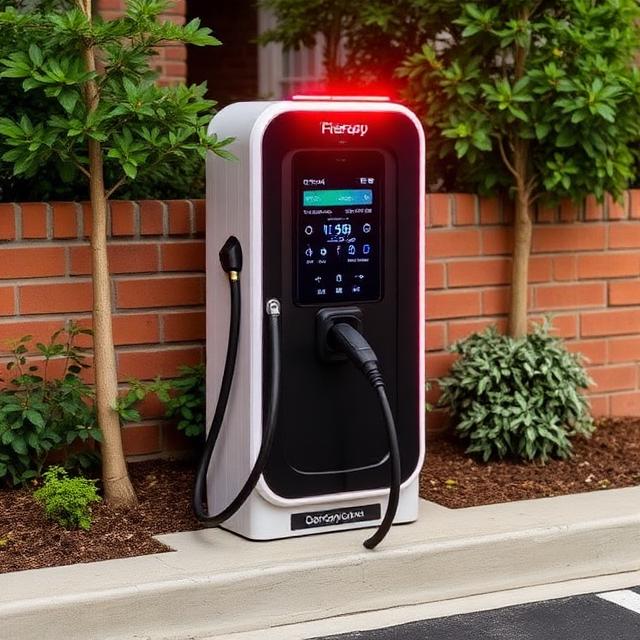
A Step-by-Step Guide to Setting Up Automatic Charging
As electric vehicles become more prevalent, the demand for accessible and efficient charging solutions continues to rise. I have spent years working with charging infrastructure, and I understand the complexities involved in creating a reliable automated system. This guide will walk you through every critical step of setting up automatic charging stations, from selecting the ideal location to configuring payment systems and ensuring long-term maintenance. Whether you are a business owner looking to offer charging as an amenity or an individual aiming to create a personal charging hub, this comprehensive resource provides actionable insights you need. By following these steps, you can build a charging point that is not only functional but also future-proof and user-friendly.
Choosing the Right Location for Your Charging Station
Selecting an optimal location is the foundation of a successful automated charging setup. I always emphasize that visibility, accessibility, and infrastructure readiness are the three pillars of this decision. Your charging station must be easy for users to find and reach, preferably in areas with high foot or vehicle traffic. Proximity to main roads, shopping centers, or office complexes can significantly increase usage rates. Additionally, consider the local electrical grid’s capacity; areas with existing high-power infrastructure reduce installation costs and delays.
Suggested read: EV Charging Adapters: Your Essential Buying Guide for Compatible Electric Vehicle Charging in 2025
Another critical factor is future expansion potential. I recommend choosing a site that allows for adding more charging points as demand grows. For example, a parking lot with unused space can accommodate additional stations without major renovations. You should also evaluate environmental conditions; sheltered locations protect equipment from extreme weather, extending its lifespan. Local regulations and zoning laws may impact where you can install charging stations, so consult with municipal authorities early in the planning process.
Suggested read: Silver Charger Plates: Frequently Asked Questions — Your Complete Guide to Buying, Using, and Caring for Them
Data from the U.S. Department of Energy shows that charging stations near retail areas have 30% higher utilization rates. This statistic underscores the importance of strategic placement. Finally, think about user convenience; amenities like restrooms or cafes can make the charging experience more pleasant, encouraging repeat visits. By carefully analyzing these elements, you lay a solid groundwork for your automated charging infrastructure.
Suggested read: The Leading Figures Driving the Evolution of Automated Charging Systems
Selecting the Ideal Charging Equipment
Choosing the right hardware is crucial for efficiency and user satisfaction. I always advise starting with the charging level: Level 2 chargers are ideal for most public or commercial settings due to their balance of speed and cost. For high-traffic locations, DC fast chargers might be necessary, though they require more power and investment. Look for equipment with certifications like UL listing or Energy Star ratings, ensuring safety and energy efficiency.
Compatibility is another key consideration. Your charging stations should support multiple connector types, such as CCS, CHAdeMO, or Tesla adapters, to accommodate a wide range of electric vehicles. Smart features like network connectivity, remote monitoring, and over-the-air updates
Suggested read: Key Hurdles in Implementing Automated Charging Solutions