Electric bicycles have revolutionized urban commuting and recreational cycling, but your e-bike is only as good as its charging system. A reliable charger electric bicycle setup ensures you’re never stranded with a dead battery, whether you’re commuting to work or exploring mountain trails. This comprehensive guide covers everything from selecting the right charger to maintaining it for maximum lifespan, helping you make informed decisions about this critical component of your e-bike system.
Understanding Electric Bicycle Chargers: The Basics
An electric bicycle charger converts AC power from your wall outlet into DC power that charges your e-bike’s battery pack. Most modern e-bike chargers are smart devices that communicate with your battery’s Battery Management System (BMS) to regulate charging voltage and current. The quality of your charger electric bicycle directly impacts battery health, charging speed, and overall safety.
The charging process typically occurs in three stages: bulk charging (where most energy transfer happens), absorption charging (topping off the battery), and float charging (maintaining full charge). Understanding these stages helps you choose a charger that matches your riding patterns and battery chemistry. Premium chargers include advanced features like temperature monitoring, automatic shutoff, and multi-stage charging algorithms that extend battery lifespan significantly.
Key components of an e-bike charger include:
- Power transformer (converts high voltage AC to lower voltage DC)
- Rectifier circuit (changes AC to DC current)
- Voltage regulator (maintains consistent output)
- Cooling system (prevents overheating during operation)
- LED indicators (display charging status)
- Safety circuitry (protects against overcharging and short circuits)
Types of Electric Bicycle Chargers Available
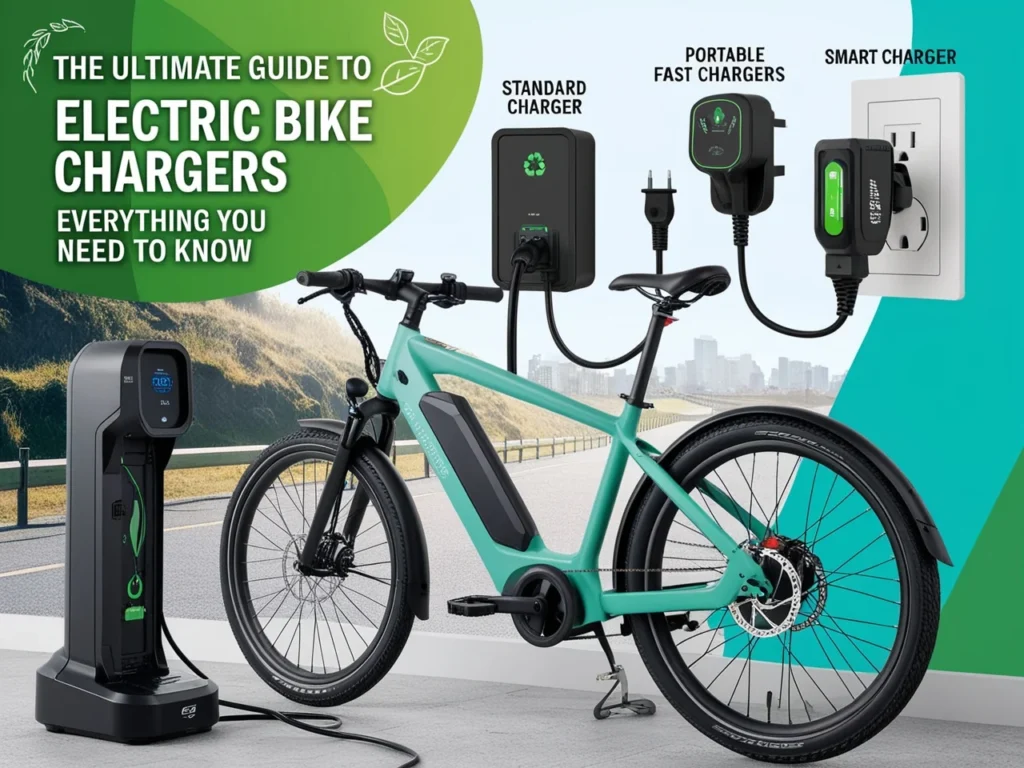
Standard Chargers
Standard chargers are the most common type included with e-bike purchases. They typically output 2-4 amps and take 4-6 hours to fully charge a depleted 500Wh battery. These chargers work well for overnight charging or situations where you’re not in a rush. The affordability and reliability of standard chargers make them ideal for casual riders who charge their bikes at home after each ride.
Standard charger electric bicycle models prioritize battery health over charging speed, using conservative charging rates that minimize heat generation and chemical stress on battery cells. Most manufacturers design these chargers to last 3-5 years with regular use, though proper care can extend their lifespan considerably. The main drawback is the lengthy charging time, which can be inconvenient for riders who need quick turnarounds between rides.
Fast Chargers
Fast chargers deliver 5-8 amps of current, reducing charging time by 40-60% compared to standard models. A fast charger can replenish an empty 500Wh battery in 2-3 hours, making them perfect for commuters who need mid-day top-ups or touring cyclists covering long distances. However, frequent fast charging generates more heat and can reduce overall battery lifespan by 10-20% according to battery research studies.
The trade-off between convenience and battery longevity is worth considering carefully. If you occasionally need quick charges but usually have time for standard charging, consider keeping both types on hand. Fast chargers cost $100-$300 depending on output capacity and brand, representing a significant investment that pays off in flexibility and convenience for active riders.
Smart Chargers with Advanced Features
Smart chargers represent the cutting edge of e-bike charging technology. These intelligent devices adjust charging parameters based on battery condition, temperature, and charge level. Features include Bluetooth connectivity, smartphone apps for monitoring, programmable charging schedules, and diagnostic capabilities that alert you to potential battery issues before they become serious problems.
Premium smart charger electric bicycle units cost $150-$400 but offer significant benefits for serious e-bike enthusiasts. They can extend battery life by 30-40% through optimized charging profiles and prevent common problems like overcharging or charging in extreme temperatures. Some models even allow you to set maximum charge levels (like 80%) for storage periods, which significantly reduces battery degradation.
Suggested read: Battery Charging Scooter Explained: Best Charging Practices for Electric Scooters
Voltage and Amperage: Getting the Specifications Right
Matching your charger’s voltage to your battery is absolutely critical for safety and performance. E-bike batteries typically come in 36V, 48V, 52V, or 72V configurations, and using the wrong voltage charger can damage your battery or create fire hazards. Always verify your battery’s voltage rating (usually printed on a label) before purchasing a replacement charger electric bicycle.
Amperage determines charging speed but must stay within your battery’s acceptable range. Most e-bike batteries can safely accept 2-5 amps, though some high-capacity packs support up to 10 amps. Higher amperage means faster charging, but exceeding your battery’s rated charge current damages cells and voids warranties. Check your battery manual or manufacturer specifications to determine the maximum safe charging current.
Voltage-specific considerations:
- 36V systems: Common on city bikes and entry-level models, typically use 42V chargers (fully charged voltage)
- 48V systems: Standard for mid-range and performance e-bikes, require 54.6V chargers
- 52V systems: Popular among enthusiasts for increased power, need 58.8V chargers
- 72V systems: High-performance and cargo bikes, use 84V chargers
The connector type also matters significantly. Common e-bike charging connectors include XLR, RCA, Anderson, and proprietary designs. Using adapters between incompatible connectors can create resistance, overheating, and potential fire hazards, so always use properly matched components or consult with manufacturers about safe adapter options.
Choosing the Right Charger for Your Electric Bicycle
Selecting an appropriate charger electric bicycle involves balancing multiple factors including battery chemistry, riding habits, budget, and safety features. Lithium-ion batteries (the most common type) require chargers with specific voltage cutoffs and charging profiles. Using a charger designed for different battery chemistry can cause permanent damage or dangerous conditions.
Brand compatibility is another crucial consideration. While universal chargers exist, original equipment manufacturer (OEM) chargers are specifically calibrated for your battery’s characteristics. OEM chargers typically cost $80-$200 and come with warranties and customer support. Third-party chargers might save you 30-50% but may lack proper safety certifications or precise voltage regulation.
Decision-making factors:
- Battery capacity: Larger batteries (750Wh+) benefit from higher amperage chargers
- Daily mileage: Heavy users should invest in faster charging options
- Storage location: Consider weatherproof models for outdoor charging stations
- Portability needs: Commuters may want compact, lightweight travel chargers
- Budget constraints: Balance initial cost against long-term battery health impacts
Certifications matter more than many riders realize. Look for chargers with UL, CE, or RoHS certifications indicating they’ve passed rigorous safety testing. Cheap, uncertified chargers from unknown manufacturers pose serious fire risks and rarely include adequate short-circuit or overcharge protection. The $30-$50 you save isn’t worth risking a $600+ battery replacement or potential fire damage.
Safety Features Every Quality Charger Should Have
Modern charger electric bicycle units incorporate multiple safety systems to protect both the battery and user. Overcharge protection is essential—quality chargers automatically stop current flow when the battery reaches full capacity, preventing the dangerous buildup of lithium plating on battery anodes. Without this feature, overcharging causes permanent capacity loss and increased fire risk.
Temperature monitoring prevents thermal runaway, a dangerous condition where batteries self-heat uncontrollably. Advanced chargers include thermistors that continuously measure battery temperature and reduce charging current or shut down entirely if temperatures exceed safe thresholds (typically 45-50°C). This feature is particularly important when charging in hot environments or immediately after strenuous rides.
Critical safety features to verify:
Suggested read: Best Battery Charger for RV Battery: Everything You Need to Know Before You Buy
- Reverse polarity protection: Prevents damage if connections are made incorrectly
- Short circuit protection: Automatically cuts power if circuit faults occur
- Overvoltage protection: Stops charging if voltage exceeds safe limits
- EMI filtering: Reduces electromagnetic interference with other devices
- Fire-resistant housing: Contains potential fires and prevents flame spread
- Ground fault protection: Detects dangerous current leakage to ground
Ventilation design affects both safety and charger longevity. Chargers generate significant heat during operation—good designs include adequate ventilation slots, heat sinks, and sometimes cooling fans. Poor ventilation causes internal components to degrade faster and increases fire risk. Always charge in well-ventilated areas and never cover your charger with fabric or place it in enclosed spaces.
Portable vs. Home Charging Solutions
Home charging stations offer convenience and dedicated setup for regular use. These stationary charger electric bicycle systems often include mounting brackets, cable management, and integrated power strips for charging multiple devices. Installing a home charging station in your garage or mudroom creates a designated space that encourages consistent charging habits and battery maintenance routines.
Portable chargers trade some features for mobility and compact size. Weighing 1-3 pounds, these units fit in backpacks or pannier bags for charging at work, coffee shops, or friend’s homes. Portable models are essential for bike touring or commuters who need workplace charging capability. However, they typically sacrifice rugged construction and advanced features found in home units.
Comparison table:
| Feature | Home Chargers | Portable Chargers |
|---|---|---|
| Weight | 3-6 lbs | 1-3 lbs |
| Charging Speed | 2-8A | 2-4A |
| Durability | High | Medium |
| Price Range | $100-$300 | $60-$150 |
| Advanced Features | Common | Rare |
| Convenience | Stationary | Mobile |
Dual-charger systems offer the best of both worlds for serious riders. Keep a high-capacity home charger for overnight charging and a compact portable unit for emergencies or workplace top-ups. This redundancy also provides backup if one charger fails, preventing disruption to your riding schedule. Many riders find that investing in two complementary chargers ($200-$400 total) provides more value than a single expensive unit.
Understanding Charging Times and Battery Capacity
Battery capacity, measured in watt-hours (Wh), directly determines charging duration. A simple formula helps estimate charging time: Battery capacity (Wh) ÷ Charger output (W) = Charging hours. For example, a 500Wh battery with a 2A/48V charger (96W output) takes approximately 5.2 hours to fully charge from empty. Building in 10-15% extra time accounts for charging inefficiency and the slower absorption phase.
Partial charging is often more practical than waiting for 100% capacity. Charging from 20% to 80% typically takes half the time of a full charge because the bulk charging stage is most efficient. For daily commutes, partial charging reduces battery stress and speeds up your routine. Reserve full charges for longer weekend rides or before extended storage periods.
Charging time examples by battery size:
- 250Wh battery (small city bikes): 1.5-3 hours with standard charger, 1-1.5 hours with fast charger
- 500Wh battery (most common): 3-6 hours with standard charger, 2-3 hours with fast charger
- 750Wh battery (long-range models): 5-9 hours with standard charger, 3-4.5 hours with fast charger
- 1000Wh battery (cargo/performance): 6-12 hours with standard charger, 4-6 hours with fast charger
Temperature significantly affects charging time and efficiency. Lithium batteries charge optimally between 10-30°C (50-86°F). Cold temperatures slow chemical reactions, extending charging times by 30-50% below 0°C. Hot temperatures above 40°C trigger safety systems that reduce charging current or halt charging entirely. Always charge at moderate temperatures for best results and battery longevity.
Proper Charger Maintenance and Care
Maintaining your charger electric bicycle extends its operational life and ensures safe, efficient charging. Clean charger vents monthly using compressed air to remove dust buildup that restricts airflow and causes overheating. Accumulated dust acts as insulation, forcing internal components to operate at higher temperatures that accelerate degradation. This simple maintenance task takes two minutes but can double charger lifespan.
Cable management prevents the most common charger failures. Avoid wrapping cables tightly around the charger body, which damages internal wire connections over time. Instead, use loose loops secured with velcro straps. Inspect cables quarterly for fraying, cuts, or exposed wires—damaged cables create shock hazards and should be replaced immediately. Never attempt to repair damaged charger cables yourself; replacement chargers are safer and more reliable.
Suggested read: EV Charging Adapters: Your Essential Buying Guide for Compatible Electric Vehicle Charging in 2025
Monthly maintenance checklist:
- Clean ventilation openings and remove dust
- Inspect cables for damage or wear
- Test LED indicators function properly
- Verify connector pins aren’t bent or corroded
- Check charger housing for cracks or damage
- Ensure strain reliefs aren’t loose
Storage conditions matter significantly for charger longevity. Store chargers in cool, dry locations away from direct sunlight and moisture. Extreme temperatures (below 0°C or above 40°C) degrade electronic components even when the charger isn’t in use. If storing your e-bike for extended periods, disconnect the charger and store separately in a climate-controlled environment. Garage storage is acceptable in mild climates but problematic in areas with temperature extremes.
Common Charger Problems and Troubleshooting
Charger failures typically manifest as LED indicator problems, unusual noises, overheating, or failure to charge. When your charger electric bicycle stops working, systematic troubleshooting identifies the issue quickly. Start by testing the outlet with another device—surprisingly often, the problem is a tripped breaker or faulty outlet rather than charger failure. Next, inspect all connections for corrosion, loose pins, or debris.
LED indicators provide diagnostic information when you understand their meaning. Solid green typically indicates full charge, solid red means charging in progress, and flashing red signals an error condition. Consult your charger manual for specific indicator meanings, as manufacturers use different color schemes. No LED illumination when plugged in suggests power supply failure or blown internal fuse, usually requiring professional repair or replacement.
Troubleshooting guide:
| Problem | Possible Causes | Solutions |
|---|---|---|
| No LED lights | Dead outlet, internal fuse | Test outlet, check breaker, replace charger |
| Flashing red LED | Battery error, connection issue | Check connections, test battery voltage |
| Excessive heat | Blocked vents, failing components | Clean vents, reduce ambient temperature |
| Burning smell | Internal short circuit | Stop using immediately, replace charger |
| Slow charging | Wrong amperage, aging battery | Verify specs, test with known good battery |
| Intermittent charging | Loose connection, damaged cable | Tighten connections, inspect/replace cables |
Connector corrosion is a frequent problem in humid climates or for bikes stored outdoors. Green or white crusty deposits on pins indicate oxidation that increases electrical resistance and generates heat. Clean corroded connectors using contact cleaner or isopropyl alcohol and a soft brush. Apply dielectric grease to pins after cleaning to prevent future corrosion. Severely corroded connectors should be replaced for safety.
Environmental Considerations and Charging Best Practices
Charging environment significantly impacts both safety and battery health. Never charge your charger electric bicycle setup in extremely hot locations like car trunks on summer days or direct sunlight streaming through windows. High temperatures accelerate battery degradation and increase fire risk. Similarly, avoid charging in freezing conditions below 0°C, which can damage lithium cells and reduce charging efficiency dramatically.
Humidity poses serious risks to charger electronics. Moisture creates conductive paths that cause short circuits and component failure. Garages, basements, and outdoor covered areas often have higher humidity levels than living spaces. If charging in potentially damp environments, consider using a dehumidifier nearby or timing charges for drier periods. Never charge immediately after rain rides until both battery and connections are completely dry.
Optimal charging environment specifications:
- Temperature range: 10-30°C (50-86°F) for best results
- Humidity levels: Below 60% relative humidity
- Ventilation: Open air or well-ventilated enclosed spaces
- Surface: Hard, fire-resistant surfaces like concrete or metal
- Location: Away from flammable materials (curtains, paper, chemicals)
- Accessibility: Easy to monitor and quickly disconnect if needed
Power quality affects charging performance and charger lifespan. Areas with unstable power grids experiencing frequent brownouts or voltage spikes should use surge protectors with line conditioning features. These devices cost $30-$80 and protect your expensive charger from power quality issues. In regions with severe power problems, consider an uninterruptible power supply (UPS) that regulates voltage and protects against sudden outages during charging cycles.
Multi-Battery Systems and Parallel Charging
Riders with multiple e-bikes or spare battery packs face decisions about charging infrastructure. Single chargers work fine when charging sequentially, but parallel charging systems charge multiple batteries simultaneously, saving significant time. However, parallel charging requires careful planning and proper equipment to ensure safety and prevent battery damage through unequal charging.
Suggested read: AGM Battery Charging: Essential Techniques for Maximum Performance and Longevity
Dedicated multi-bank chargers designed for parallel charging include independent circuits for each battery, preventing cross-contamination and ensuring balanced charging. These professional-grade charger electric bicycle systems cost $300-$700 but prove worthwhile for bike shops, rental operations, or families with multiple e-bikes. Each charging channel operates independently with separate safety systems and monitoring.
Parallel charging considerations:
- Voltage matching: All batteries must share identical nominal voltage
- Connector compatibility: Standardize connectors across your battery fleet
- Charging space: Separate batteries by 6-12 inches for heat dissipation
- Power capacity: Ensure circuit can handle combined charger load
- Monitoring: Check all batteries periodically during charging
- Cost analysis: Compare multi-bank charger cost versus multiple single chargers
Never improvise parallel charging using splitters or adapters without manufacturer approval. Differences in battery state-of-charge create current imbalances that damage batteries and create fire hazards. If using multiple single chargers on the same circuit, calculate total amperage draw (typically 2-4 amps per charger) and ensure it doesn’t exceed 80% of circuit capacity. A standard 15-amp household circuit safely supports 3-4 simultaneous chargers.
Travel Considerations for Electric Bicycle Chargers
Traveling with your e-bike requires planning around charging logistics. Compact travel chargers sacrifice some charging speed for portability—they’re perfect for bike touring, vacation rentals, or business trips. When selecting a travel charger electric bicycle, prioritize units under 2 pounds with durable construction and universal voltage compatibility (100-240V AC) for international travel compatibility.
International travel presents unique challenges. Different countries use varying outlet configurations (Type A, B, C, etc.) requiring plug adapters. More significantly, voltage and frequency differences require chargers with universal input acceptance. Most modern e-bike chargers handle 100-240V and 50-60Hz automatically, but always verify specifications before traveling internationally. Using incompatible voltage damages chargers instantly and potentially creates fire hazards.
Travel charging kit essentials:
- Compact universal voltage charger (100-240V compatible)
- International plug adapter set (covers Type A through Type G)
- Extension cord with multiple outlets (10-15 feet)
- Portable surge protector
- Cable ties or velcro straps for organization
- Waterproof bag for charger protection
Public charging infrastructure is expanding but remains inconsistent. Many European cities offer public e-bike charging stations at tourist sites, bike parking facilities, and some cafes. North American infrastructure lags behind but is improving in bike-friendly cities. Research charging availability along your route and have backup plans. Many accommodations allow indoor charging if you ask politely and explain you’re charging an e-bike, not a car.
Cost Analysis: OEM vs. Third-Party Chargers
Original equipment manufacturer (OEM) chargers cost 50-100% more than third-party alternatives but offer guaranteed compatibility and warranty support. A typical OEM charger electric bicycle costs $120-$250 depending on brand and specifications. This premium buys perfect voltage matching, appropriate connector types, and assurance that charging profiles match your battery’s requirements exactly.
Third-party chargers from reputable manufacturers offer compelling value at $60-$150 for equivalent specifications. However, quality varies dramatically among third-party options. Established brands like Grin Technologies, Luna Cycle, and others maintain excellent reputations and rigorous quality control. Unknown brands selling through marketplace platforms often lack proper certifications and quality control, creating potential safety hazards.
Cost comparison over 5 years:
| Charger Type | Initial Cost | Replacement Frequency | Total Cost | Battery Life Impact |
|---|---|---|---|---|
| Premium OEM | $200 | Once (5+ years) | $200 | Optimal |
| Quality Third-Party | $120 | 1.5 times (3-4 years) | $180 | Very Good |
| Budget Third-Party | $60 | 3 times (1.5-2 years) | $180 | Good |
| Cheap Unknown Brand | $30 | 5+ times (1 year or less) | $150+ | Poor, 10-20% reduced |
Hidden costs of cheap chargers include reduced battery lifespan from poor voltage regulation, replacement hassle and downtime, potential safety incidents requiring repairs, and lack of warranty support when problems occur. When calculating true cost, factor in the potential $600-$1200 for premature battery replacement caused by low-quality charging. The initial savings disappear quickly when considering total ownership costs.
Suggested read: Silver Charger Plates: Frequently Asked Questions — Your Complete Guide to Buying, Using, and Caring for Them
Warranty and Support Considerations
Manufacturer warranties indicate confidence in charger quality and provide protection against defects. Most reputable charger electric bicycle brands offer 1-2 year warranties covering manufacturing defects but excluding damage from misuse, accidents, or normal wear. Premium chargers occasionally include 3-year warranties. Always register your charger after purchase to activate warranty coverage and establish proof of purchase date.
Understanding warranty terms prevents disappointment during claims. Common exclusions include water damage, physical damage from drops or impacts, damage from using wrong voltage or battery type, normal wear and tear, and problems arising after warranty expiration. Keep original packaging and documentation—many manufacturers require these for warranty returns. Take photos of new chargers documenting condition at purchase in case disputes arise later.
Warranty evaluation checklist:
- Coverage duration (1-3 years standard)
- What’s covered versus excluded
- Return shipping responsibilities
- Repair versus replacement policy
- Process for initiating warranty claims
- Manufacturer reputation for honoring warranties
Customer support quality varies dramatically among manufacturers. Premium brands provide phone support, email assistance, and comprehensive troubleshooting guides. Budget brands might offer only email support with slow response times or no support at all. Before purchasing, test customer support by sending a pre-sales question—response time and quality predict post-purchase support experience. Poor support wastes time and money dealing with charger issues.
Future-Proofing Your Charging Setup
E-bike technology evolves rapidly, with new battery chemistries, connector standards, and charging technologies emerging regularly. When investing in a charger electric bicycle system, consider future compatibility to avoid premature obsolescence. Modular chargers with replaceable output cables accommodate different connector types as your e-bike fleet evolves. This flexibility prevents needing entirely new chargers when upgrading batteries or bikes.
Emerging technologies promise significant improvements over current charging standards. GaN (Gallium Nitride) transistors enable chargers 40-50% smaller than silicon-based equivalents while improving efficiency and reducing heat generation. These advanced chargers cost $200-$400 currently but prices are declining rapidly as production scales up. Early adoption provides years of improved performance despite premium initial investment.
Emerging charging technologies:
- Wireless inductive charging: Eliminates connectors but reduces efficiency by 10-15%
- Fast-charging protocols: New standards enable 80% charge in 30-45 minutes
- Solar-compatible chargers: Direct DC input from solar panels without inverters
- Smart grid integration: Schedules charging during off-peak electricity rates
- Battery swap systems: Standardized batteries eliminate charging waits entirely
Battery chemistry evolution affects charging requirements. Current lithium-ion batteries may eventually give way to solid-state lithium, lithium-sulfur, or other advanced chemistries with different voltage curves and charging protocols. Investing in programmable smart chargers with firmware update capability ensures compatibility with future battery technologies. This approach costs more initially but extends useful life and protects against technological obsolescence.
Where to Buy Quality Electric Bicycle Chargers
Purchasing channels significantly impact price, selection, and support options. Manufacturer direct purchases guarantee authenticity and latest product versions but typically cost full retail price. However, manufacturers often provide best technical support and warranty service. For uncommon brands or specialized e-bikes, manufacturer direct may be your only reliable option for compatible charger electric bicycle units.
Local bike shops offer personalized service, expert advice, and ability to inspect products before purchase. Shop staff can verify compatibility with your specific battery, reducing the risk of purchasing incorrect specifications. Prices typically run 10-20% higher than online retailers, but the convenience of local support and avoiding shipping delays justifies premium pricing for many riders.
Purchasing channel comparison:
Suggested read: Can You Press Charges on a Minor? What Every Parent and Victim Needs to Know
- Manufacturer Direct: Best for OEM replacements, full warranty, highest prices
- Local Bike Shops: Personal service, verification help, moderate pricing
- Specialized Online Retailers: Wide selection, competitive pricing, good support
- General Marketplaces: Lowest prices, highest risk, variable quality
- Used Market: Significant savings, compatibility concerns, no warranty
Online marketplaces (Amazon, eBay, AliExpress) offer rock-bottom prices but carry significant risks. Counterfeit chargers mimicking name brands flood these platforms, often lacking proper safety certifications and quality components. If buying from marketplaces, scrutinize seller ratings carefully, verify certifications match official manufacturer specifications, and be prepared for potential quality issues. The savings rarely justify the headaches and safety risks involved.
Recycling and Disposal of Old Chargers
Electronic waste poses serious environmental problems when improperly discarded. Old or failed charger electric bicycle units contain valuable metals (copper, aluminum) and hazardous materials requiring proper recycling. Never throw chargers in regular trash—components leach heavy metals into groundwater and waste recovery potential from valuable materials. Most jurisdictions prohibit electronic waste in standard garbage streams.
E-waste recycling programs at electronics retailers, municipal collection centers, and specialized recycling facilities accept old chargers free of charge. Programs like Best Buy’s e-waste recycling and manufacturer take-back initiatives provide convenient disposal options. Some programs even offer incentives like store credit or discounts on new purchases. Before recycling, remove any personal information from smart chargers with Bluetooth capabilities.
Proper disposal steps:
- Remove all cables and accessories (can be reused or recycled separately)
- Locate local e-waste collection point using Earth911.org or Call2Recycle
- Transport charger safely in box or bag to prevent damage during transport
- Obtain disposal receipt if required for business expense documentation
- Consider repair or refurbishment if damage is minor and economically viable
Extending charger lifespan reduces electronic waste far more effectively than recycling. Proper maintenance, protective storage, and gentle handling maximize operational life. When chargers do fail, investigate repair options—many failures involve simple issues like blown fuses or damaged cables that cost $20-$40 to repair versus $120+ for replacement. Local electronics repair shops often service charger issues, though manufacturer repair services provide best reliability.
Performance Monitoring and Charging Analytics
Advanced charger electric bicycle systems now include data logging and performance analytics accessible through smartphone apps or web portals. These features track charging history, energy consumption, charging efficiency, and battery health trends over time. Understanding this data helps identify developing problems before they cause failures and optimize charging habits for maximum battery longevity.
Key metrics worth monitoring include charging duration trends (increasing time suggests battery degradation), energy efficiency (declining efficiency indicates charger or battery problems), temperature patterns (high temperatures accelerate wear), and voltage curves during charging phases. Most apps display this information in easy-to-understand graphs showing trends over weeks or months.
Valuable charging metrics:
- Charging cycles completed: Tracks toward battery lifecycle estimates
- Energy consumption: Monitors electricity costs and efficiency
- Peak temperature recordings: Identifies potentially dangerous conditions
- Voltage regulation accuracy: Confirms proper charger operation
- Charging interruptions: Logs power outages or safety shutdowns
- Efficiency trends: Early warning of degrading performance
Data-driven charging optimization extends battery life measurably. Analytics might reveal you’re consistently fast-charging when standard charging would suffice, or charging to 100% daily when 80-90% meets your needs. Adjusting habits based on data can extend battery lifespan by 20-30% without affecting riding experience. Smart chargers with scheduling features automate optimizations, starting charging times to finish right before you need the bike.
Integrating Chargers with Home Energy Systems
Home solar installations pair excellently with e-bike charging, effectively providing free transportation energy after system payback. A typical e-bike consumes 0.3-0.5 kWh per charge, costing $0.04-$0.08 at average electricity rates. Solar systems generate this energy at near-zero marginal cost. Charging during peak solar production (10am-3pm) maximizes solar utilization and grid independence.
Battery storage systems enable charging from stored solar energy even after sunset. Home battery systems like Tesla Powerwall store excess daytime solar production for evening use, perfectly matching typical e-bike charging patterns. Integrating your charger electric bicycle with home energy management systems optimizes charging schedules, energy sources, and costs automatically through smart home platforms.
Suggested read: Quiq Battery Charger:Everything You Need to Know Before You Buy
Home integration benefits:
- Reduced electricity costs: Solar or off-peak charging saves money long-term
- Grid independence: Less reliance on utility power during outages
- Environmental benefits: Renewable energy powers renewable transportation
- Load balancing: Smart systems prevent circuit overloads
- Cost tracking: Monitor e-bike energy costs separately from home usage
Time-of-use electricity rates make charging schedules financially significant. Many utilities charge 2-3X more during peak hours (typically 4-9pm) versus off-peak periods (midnight-6am). Smart chargers with scheduling features automatically charge during cheapest periods, saving $50-$100 annually for daily riders. The payback period on smart charger premium ($50-$100 extra) is just 1-2 years purely from electricity savings.
Building a Complete Charging Station
A dedicated e-bike charging station improves convenience and safety while centralizing maintenance supplies and equipment. Start by selecting an appropriate location—ideally a climate-controlled garage, mudroom, or covered patio area with electrical outlets, fire-resistant surfaces, and adequate ventilation. Wall mounting brackets secure chargers and organize cables, preventing trip hazards and damage from being stepped on.
Professional charging station installations include dedicated electrical circuits preventing overloads when charging multiple devices simultaneously. A 20-amp circuit supports 3-4 simultaneous chargers safely, though 15-amp circuits work for 1-2 chargers. Adding GFCI (Ground Fault Circuit Interrupter) protection provides critical safety against electrical shocks in damp environments. Professional electrical installation costs $200-$500 but ensures safety and code compliance.
Complete charging station components:
- Wall-mounted charger electric bicycle with cable management
- Surge protector or dedicated circuit with GFCI protection
- Fire extinguisher (ABC-rated for electrical fires)
- Smoke detector with early warning capabilities
- Ventilation fan for enclosed spaces
- Tool storage for basic maintenance equipment
- Cleaning supplies and battery care products
Organization systems transform functional charging stations into efficient workspaces. Pegboard panels hold tools, cables, and accessories within easy reach. Clear storage bins organize spare parts, cleaning supplies, and seasonal gear. Labeling systems identify which chargers match specific bikes or batteries in multi-bike households. These organizational touches save time and reduce frustration during rushed morning routines or evening maintenance sessions.
Real-World User Experiences and Case Studies
Case Study 1: Urban Commuter Optimization
Sarah, a Seattle software engineer, rides her 48V e-bike 16 miles daily to work. Initially, she used the included 2A standard charger, requiring overnight charging. After installing a workplace charging setup, she switched to partial charging (20-80%) twice daily using a portable 4A charger, taking just 90 minutes per charge. This adaptation extended her battery’s useful lifespan from 600 to over 900 complete charge cycles before noticeable capacity loss, saving approximately $400 in battery replacement costs.
Case Study 2: Touring Cyclist’s Multi-Charger System
James completed a 3,000-mile cross-country tour using a dual-charger strategy. His primary 4A charger electric bicycle stayed in his hotel rooms, while a 2A backup traveled in his panniers. The redundancy proved critical in rural Montana when his primary charger failed. The backup charger, despite slower charging, enabled completing his tour without interruption. Total investment in two quality chargers ($280) prevented potential $1,000+ costs for emergency shipping, tour delays, or rental bikes.
Case Study 3: Fleet Management Success
Suggested read: Cyclops Fence Charger: The Most Powerful American-Made Electric Fence Energizer for Your Farm
A San Francisco bike-share startup manages 50 e-bikes with a centralized charging system. They installed five 10-bank commercial chargers ($600 each) with monitoring systems. Smart scheduling charges batteries to 85% during off-peak hours, reducing electricity costs by 35% ($3,600 annually) while extending average battery life from 500 to 720 cycles. The improved efficiency paid for the charging infrastructure within 18 months, now generating ongoing savings of $2,500+ annually.
Special Applications and Niche Requirements
Cargo e-bikes with 750-1000Wh batteries require higher-capacity chargers than standard models. The larger battery packs benefit from 6-8A fast chargers, reducing charging time from 12+ hours to 4-5 hours. However, the increased current flow generates significant heat, demanding robust cooling systems and careful monitoring. Cargo bike operators should prioritize charger electric bicycle units designed specifically for high-capacity applications.
Off-grid riders relying on solar or generator power face unique challenges. DC-to-DC chargers eliminate the inefficiency of converting DC solar power to AC then back to DC for battery charging, improving overall efficiency by 15-20%. These specialized chargers cost $200-$400 but prove essential for extended remote trips or off-grid living situations. Generator charging requires pure sine wave inverters—modified sine wave outputs damage charger electronics.
Specialized application requirements:
- Cold weather operations: Heated battery bags and temperature-compensated charging
- High-altitude touring: Voltage regulation that compensates for thinner air cooling
- Marine environments: Waterproof chargers with corrosion-resistant connectors
- Emergency services: Rapid charging systems with hot-swappable backup batteries
- Rental operations: Tamper-proof chargers with usage logging and theft prevention
Racing and performance applications demand precision charging for maximum battery performance. Competitive riders use programmable chargers that optimize charge profiles for specific race conditions—fast charging to 90% for sprint races versus balanced charging to 95% for endurance events. This granular control extracts maximum performance while preserving battery health between racing seasons.
Making Your Purchase Decision
Armed with comprehensive knowledge, you’re ready to select the right charger electric bicycle for your specific needs. Start by documenting your battery specifications (voltage, capacity, connector type) to ensure compatibility. Define your priorities—is charging speed, portability, advanced features, or budget your primary consideration? Different priorities lead to different optimal charger choices.
Create a shortlist of 3-5 options that meet your technical requirements and budget constraints. Research each thoroughly, reading both professional reviews and user feedback from multiple sources. Pay special attention to reviews mentioning long-term reliability and customer support experiences. Contact manufacturers with specific questions—response quality predicts support you’ll receive after purchase.
Final decision framework:
- Verify compatibility: Confirm voltage, amperage, and connector match perfectly
- Check certifications: Ensure UL/CE/RoHS safety certifications are present
- Calculate total cost: Include electricity savings, battery life impact, and replacement frequency
- Assess support: Verify warranty terms and customer service accessibility
- Plan purchase timing: Watch for seasonal sales or manufacturer promotions
Purchase timing affects available deals significantly. New model releases (typically spring) bring discounts on previous generation chargers. Black Friday, Cyber Monday, and end-of-season sales offer 20-40% discounts on quality chargers. However, if your current charger has failed or shows warning signs, don’t delay purchase for minor savings—the risk of battery damage from improper charging exceeds potential discount savings.
If you’re also looking for charging solutions for other electric vehicles, you might find our comprehensive guide on charger for a razor scooter helpful, as many principles apply across different electric vehicle types.
For those interested in purchasing a reliable charger, you can explore options from reputable sources like this charger electric bicycle collection which offers various models suited to different needs and budgets.
Suggested read: Club Car Golf Cart Battery Charger: Everything You Need to Know Before You Buy
Frequently Asked Questions About Electric Bicycle Chargers
Can I use any charger with my electric bicycle?
No, you cannot use just any charger with your e-bike. The charger must match your battery’s voltage exactly (36V, 48V, 52V, etc.) and should stay within the manufacturer’s recommended amperage range. Using incompatible chargers can damage your battery, void warranties, or create serious safety hazards including fires. Always verify specifications before purchasing replacement charger electric bicycle units and consult your bike manufacturer if uncertain about compatibility.
How long does an electric bicycle charger last?
Quality e-bike chargers typically last 3-5 years with regular use and proper care. Lifespan depends heavily on usage frequency, environmental conditions, and maintenance quality. Chargers used daily in harsh conditions (extreme temperatures, high humidity) may need replacement after 2-3 years. Premium chargers with robust components occasionally exceed 7-8 years. Signs your charger needs replacement include extended charging times, overheating, unusual noises, or flickering LED indicators.
Is it bad to leave my electric bicycle charger plugged in overnight?
Modern charger electric bicycle systems with automatic shutoff features are safe to leave plugged in overnight. Quality chargers stop delivering current when batteries reach full capacity, preventing overcharging. However, leaving chargers connected indefinitely (days or weeks) can still cause minor battery degradation and unnecessarily consumes standby power. Best practice involves unplugging both charger and battery after charging completes, typically 4-8 hours for full charges.
Can I charge my electric bicycle in the rain?
You should never charge your e-bike in the rain or wet conditions. Water and electricity create serious shock and short-circuit hazards. Additionally, moisture can damage sensitive electronic components in both chargers and batteries. Always charge indoors or in completely dry, covered areas. If your bike gets wet during a ride, dry all connections thoroughly before plugging in your charger. Many e-bike fires result from charging wet batteries or using chargers in damp environments.
What’s the difference between 2A and 4A chargers?
The amperage rating indicates charging speed—a 4A charger delivers twice the current of a 2A charger, reducing charging time by approximately 40-50%. For a 500Wh battery, a 2A charger takes 5-6 hours for full charge while a 4A charger completes in 2.5-3 hours. However, faster charging generates more heat and can reduce total battery lifespan by 10-15% if used exclusively. Many riders keep both types, using fast charging when needed and standard charging for routine overnight charging.
How much does it cost to charge an electric bicycle?
Suggested read: Best Chromebook Charging Station for Schools, Offices & Homes (2026)
Charging an e-bike is remarkably inexpensive. A typical 500Wh battery costs $0.05-$0.08 per full charge at average US electricity rates ($0.10-$0.15 per kWh). Even daily charging totals just $18-$30 annually. Compared to gasoline vehicles costing $1,500-$3,000 yearly in fuel, e-bikes represent massive savings. Using solar power or off-peak electricity rates reduces costs further. The environmental impact is equally impressive—one year of e-bike commuting prevents approximately 500-1,000 pounds of CO2 emissions.
Can I use a fast charger all the time?
While you can technically use fast chargers regularly, doing so exclusively accelerates battery degradation. Fast charging generates significant heat and chemical stress in battery cells, reducing overall lifespan by 15-25% compared to standard charging. For optimal battery health, reserve fast charging for situations genuinely requiring quick turnarounds—unexpected errands, mid-day commute needs, or emergency situations. Use standard charging for routine overnight charging when time pressure doesn’t exist.
According to a study published by the National Renewable Energy Laboratory, proper charging practices can extend lithium-ion battery life by up to 40%, making the choice of your charger electric bicycle system one of the most important decisions for long-term e-bike ownership.
Ready to upgrade your charging experience? Explore our recommended selection of charger electric bicycle options that combine safety, efficiency, and reliability. Invest in quality charging today to protect your battery investment and ensure years of trouble-free e-bike adventures.