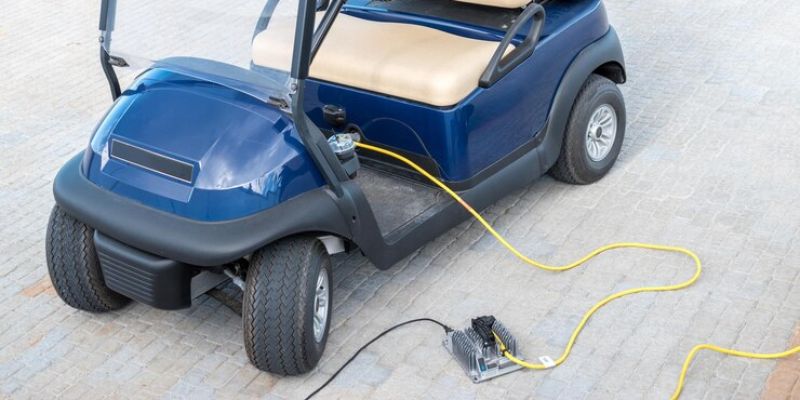
When it comes to maintaining your Club Car golf cart’s performance and longevity, selecting the right club car battery charger is absolutely critical. Whether you own a DS, Precedent, or newer model, understanding the intricacies of charging systems can mean the difference between years of reliable service and costly battery replacements. The charging system serves as the lifeline of your electric golf cart, ensuring that your batteries receive the proper voltage, current, and charging profile necessary for optimal performance and maximum lifespan.
Golf cart owners often underestimate the importance of using the correct charger specifications for their particular Club Car model. Using an incompatible or low-quality charger can lead to premature battery failure, reduced driving range, and expensive repair costs. Modern Club Car battery chargers incorporate sophisticated charging algorithms, temperature compensation, and safety features that weren’t available in older models, making the selection process more complex but ultimately more beneficial for battery health.
Understanding Club Car Battery Charger Voltage Systems
24 Volt Club Car Battery Charger Systems
The 24-volt configuration represents the entry-level power system typically found in older Club Car models and some utility vehicles. These systems utilize four 6-volt deep-cycle batteries connected in series to achieve the 24-volt nominal voltage. 24V club car battery chargers are specifically designed to deliver the appropriate charging profile for this configuration, typically providing between 5-15 amperes of charging current depending on the model and intended application.
The charging process for 24-volt systems requires precision timing and voltage regulation to prevent overcharging, which can cause excessive water loss in flooded lead-acid batteries or permanent damage to sealed batteries. Quality 24-volt chargers incorporate multi-stage charging algorithms that begin with a bulk charge phase, transition to an absorption phase, and conclude with a maintenance or float charge to keep batteries at optimal charge levels without overcharging.
Key specifications for 24V systems include:
- Input voltage: 110-120VAC, 60Hz
- Output voltage: 24VDC nominal (actual range 24-29.2V)
- Charging current: 5-15 amperes
- Charging time: 6-10 hours from 50% discharge
- Battery type compatibility: Flooded lead-acid, AGM, gel
36 Volt Club Car Battery Charger Configuration
The 36-volt system became the standard for many Club Car golf carts manufactured during the transition period between older 24V and newer 48V systems. This configuration uses six 6-volt batteries connected in series, providing more power and extended driving range compared to 24-volt systems. 36V club car battery chargers must accommodate the increased voltage while maintaining proper charging characteristics for optimal battery health.
These chargers typically feature automatic shut-off capabilities, LED status indicators, and built-in safety features such as reverse polarity protection and short circuit protection. The charging algorithm for 36-volt systems is more sophisticated than 24-volt chargers, often incorporating temperature compensation to adjust charging voltage based on ambient temperature conditions, which is crucial for maintaining battery performance across different seasons.
Professional-grade 36-volt chargers often include:
- Smart charging technology that monitors battery condition
- Temperature sensors for voltage compensation
- Automatic equalization cycles for flooded batteries
- Maintenance-free operation with automatic shut-off
- Portable design with ergonomic handles and compact dimensions
48 Volt Club Car Battery Charger Systems
The 48-volt system represents the current standard for most modern Club Car golf carts, including the popular Precedent models introduced in 2004 and continuing through current production. Since the Club Car Precedent golf cart was introduced by Club Car (Ingersol Rand) in 2004, the electrical systems in the golf cart has changed. This system configuration provides the best balance of power, efficiency, and driving range, making it the preferred choice for both recreational and commercial applications.
48V club car battery chargers are the most technologically advanced options available, incorporating features such as microprocessor control, CAN bus communication with the golf cart’s onboard computer (OBC), and sophisticated charging profiles optimized for different battery chemistries. These chargers can automatically detect battery type and adjust their charging parameters accordingly, whether dealing with traditional flooded lead-acid, maintenance-free AGM, or modern lithium-ion battery packs.
Suggested read: Charge Air Cooler System: Enhancing Engine Performance and Efficiency
Modern 48-volt charging systems offer:
- Microprocessor-controlled charging algorithms
- CAN bus communication capability
- Multi-chemistry compatibility (lead-acid, AGM, lithium)
- Advanced diagnostics and error reporting
- Energy-efficient operation with power factor correction
Types of Club Car Battery Chargers by Technology
Conventional Linear Chargers
Traditional linear chargers represent the older generation of club car battery charger technology, still found in many applications due to their simplicity and reliability. These units use transformer-based designs to step down AC voltage and convert it to the appropriate DC charging voltage. While they lack the sophisticated features of modern chargers, linear chargers are known for their durability and straightforward operation, making them suitable for applications where advanced features aren’t necessary.
Linear chargers typically operate with fixed charging profiles and rely on manual monitoring or simple timer circuits to prevent overcharging. They’re generally less expensive than smart chargers but require more attention from the operator to ensure proper charging cycles. These chargers work well with flooded lead-acid batteries that can tolerate slight variations in charging voltage and current.
Smart Charging Technology
Smart chargers represent the current standard in Club Car battery charger technology, incorporating microprocessor control and sophisticated algorithms to optimize the charging process for different battery types and conditions. These chargers can monitor battery voltage, current, temperature, and charge acceptance rate throughout the charging cycle, making real-time adjustments to ensure optimal charging while preventing overcharging or undercharging conditions.
The intelligence built into these chargers extends battery life significantly by delivering precisely the right amount of energy at each stage of the charging process. They automatically switch between bulk charge, absorption charge, and maintenance charge modes without operator intervention, and many models can perform automatic equalization cycles for flooded batteries to maintain cell balance and capacity.
Smart charger features include:
- Automatic voltage detection
- Temperature compensation
- Charge cycle optimization
- Battery condition monitoring
- Fault detection and reporting
High-Frequency Switch Mode Chargers
High-frequency switch mode chargers represent the latest advancement in charging technology, offering superior efficiency, lighter weight, and more precise control compared to traditional designs. These chargers operate at much higher frequencies (typically 20-100 kHz) than conventional chargers, allowing them to use smaller transformers and filtering components while achieving better regulation and efficiency.
The benefits of high-frequency design include reduced energy consumption, lower operating temperatures, and improved power factor, making them more environmentally friendly and cost-effective to operate. Many modern club car battery chargers utilize this technology to provide faster charging times while generating less heat and consuming less electricity.
Club Car Battery Charger Selection Criteria
Model Year Compatibility Considerations
Selecting the appropriate club car battery charger requires understanding the specific requirements of your golf cart’s model year and electrical system configuration. Since the Club Car Precedent golf cart was introduced by Club Car (Ingersol Rand) in 2004, the electrical systems in the golf cart has changed. Each model year may have different charging system requirements, connector types, and communication protocols that must be matched for proper operation.
Pre-2004 Club Car DS models typically use simpler charging systems without onboard computer communication, while Precedent models from 2004 onward incorporate more sophisticated onboard computers that communicate with the charger during the charging process. This communication allows the charger and golf cart to share information about battery condition, charging status, and any fault conditions that may arise.
Critical compatibility factors include:
Suggested read: Silver Charger Plates in Action: 5 Real-World Case Studies That Prove Their Impact on Events and Hospitality
- Connector type and pinout configuration
- Communication protocol compatibility
- Voltage and current specifications
- Safety feature requirements
- Physical mounting and installation requirements
Battery Chemistry Matching
Modern golf carts may be equipped with different battery chemistries, each requiring specific charging profiles for optimal performance and longevity. Traditional flooded lead-acid batteries remain the most common type, but maintenance-free AGM (Absorbed Glass Mat) and advanced lithium-ion batteries are becoming increasingly popular due to their superior performance characteristics.
Club Car battery chargers designed for lead-acid batteries use charging profiles optimized for the electrochemical characteristics of lead-acid cells, including specific voltage levels, current limits, and charging stages. These chargers may not be suitable for lithium-ion batteries, which require different voltage limits, charging rates, and safety protocols to prevent overheating or damage.
Battery chemistry considerations:
- Flooded lead-acid: Requires equalization cycles, temperature compensation
- AGM/Gel: Needs lower float voltages, no equalization required
- Lithium-ion: Requires specific BMS communication, precise voltage control
- Hybrid compatibility: Some chargers can automatically detect battery type
Power Output and Charging Speed Requirements
The power output of your club car battery charger directly affects charging time and convenience. Higher amperage chargers can restore battery capacity more quickly but may generate more heat and place additional stress on older batteries. The optimal charging rate typically ranges from 10-20% of the battery bank’s amp-hour capacity, balancing charging speed with battery longevity.
For example, a typical 48-volt golf cart with 6-volt, 225 amp-hour batteries (total capacity of 225Ah) would benefit from a charger output of 15-25 amperes for optimal charging speed without excessive stress on the batteries. Faster charging rates may be suitable for commercial applications where downtime must be minimized, while slower rates may be preferable for recreational use where batteries are charged overnight.
Charging power considerations:
- Standard duty: 10-15 amp output for overnight charging
- Heavy duty: 15-25 amp output for faster recharge times
- Commercial duty: 25+ amp output for minimal downtime applications
- Maintenance charging: 5-10 amp output for long-term storage
Installation and Setup Procedures
Electrical Connection Requirements
Proper installation of your club car battery charger requires attention to electrical connections, mounting location, and safety considerations. The charging system must be connected to both the golf cart’s battery system and AC power supply according to manufacturer specifications and local electrical codes. Poor connections can result in voltage drops, overheating, and premature component failure.
The DC connections between the charger and batteries must be sized appropriately for the charging current and should use corrosion-resistant terminals and hardware. AC connections should include appropriate overcurrent protection and must comply with local electrical codes regarding outdoor installations and GFCI protection requirements.
Installation requirements include:
- Proper wire sizing based on current and distance
- Secure mounting in protected location
- Adequate ventilation for heat dissipation
- Weather protection for outdoor installations
- Ground fault protection where required by code
Charging Location Setup
The location where you charge your Club Car affects both the charging process and the longevity of your batteries and charger. Charging should take place in a well-ventilated area to allow dissipation of gases produced during charging, particularly with flooded lead-acid batteries that can produce hydrogen gas. The charging area should also provide protection from weather and maintain relatively stable temperatures for optimal charging performance.
Temperature extremes can significantly impact charging efficiency and battery life. Club Car battery chargers with temperature compensation can adjust charging voltage based on ambient temperature, but extreme conditions may still require additional considerations such as insulation or climate control to maintain optimal performance.
Suggested read: Silver Charger Plates: Frequently Asked Questions — Your Complete Guide to Buying, Using, and Caring for Them
Environmental considerations:
- Ventilation requirements for gas dissipation
- Temperature control for optimal charging efficiency
- Moisture protection to prevent corrosion
- Security measures to protect equipment
- Accessibility for maintenance and monitoring
Maintenance Best Practices for Club Car Battery Chargers
Regular Inspection and Cleaning Procedures
Maintaining your club car battery charger requires regular inspection and cleaning to ensure optimal performance and prevent premature failure. Dust, moisture, and corrosion can accumulate on electrical components, reducing efficiency and creating potential safety hazards. A systematic maintenance approach can extend charger life and prevent costly repairs or replacements.
Visual inspections should be performed monthly to check for signs of overheating, corrosion, loose connections, or physical damage. Electrical connections should be cleaned and tightened as needed, and ventilation openings should be kept clear of debris to ensure adequate cooling airflow during charging operations.
Monthly maintenance checklist:
- Visual inspection of case and connections
- Cleaning of ventilation areas and external surfaces
- Connection tightness check and cleaning
- LED indicator function verification
- Cord and plug inspection for damage
Performance Monitoring and Documentation
Tracking the performance of your Club Car battery charger helps identify potential problems before they become serious failures. Monitoring charging times, battery voltage levels, and charger temperature during operation can reveal trends that indicate developing issues with either the charger or the battery system.
Keeping detailed records of charging performance, maintenance activities, and any unusual observations creates a valuable database for troubleshooting future problems and optimizing charging practices. This documentation is particularly important for commercial operations where downtime can be costly and predictable maintenance schedules are essential.
Performance tracking includes:
- Charging time records for consistent loads
- Battery voltage measurements before and after charging
- Temperature monitoring during charging cycles
- Maintenance activity logs with dates and observations
- Problem documentation for pattern recognition
Common Troubleshooting Issues and Solutions
Charger Not Starting or Responding
One of the most common problems encountered with club car battery chargers is failure to initiate charging when connected to the golf cart. This issue can stem from various causes, ranging from simple connection problems to more complex electronic failures within the charger or golf cart’s electrical system. Systematic troubleshooting can often identify and resolve these issues without requiring professional service.
In troubleshooting your Club Car battery charger, think of it as a systematic process of elimination. Start with the most basic checks, such as verifying AC power supply, checking all connections, and ensuring the charger is properly connected to the golf cart’s charging port. Many apparent charger failures are actually simple connection issues that can be resolved quickly.
Common causes and solutions:
- No AC power: Check circuit breaker, outlet, and power cord
- Loose connections: Clean and tighten DC and AC connections
- Battery voltage too low: May require manual charging or battery replacement
- Onboard computer fault: May require OBC bypass or reset procedure
- Internal charger failure: Professional diagnosis and repair required
Charging Performance Issues
When your Club Car battery charger starts but doesn’t seem to charge properly or takes much longer than usual, several factors could be affecting performance. Battery condition, connection resistance, and charger component degradation can all impact charging efficiency and should be evaluated systematically to identify the root cause.
Suggested read: Silver Charger Plates in Action: 5 Real-World Case Studies That Prove Their Impact on Events and Hospitality
Is your golf cart battery charger not working right way? Here is the guide to your golf cart battery charger troubleshooting. Performance issues often develop gradually and may not be immediately apparent until charging times become significantly extended or batteries don’t hold charge as expected.
Performance troubleshooting steps:
- Battery voltage testing individual cells and overall pack voltage
- Connection resistance measurement using multimeter
- Charger output verification voltage and current during charging
- Temperature effects checking for thermal compensation operation
- Load testing battery capacity and condition assessment
LED Indicator Interpretation
Modern club car battery chargers use LED indicators to communicate charging status and fault conditions to operators. Understanding these indicator patterns is essential for proper operation and troubleshooting. Different manufacturers may use varying LED patterns, so consulting the specific charger manual is important for accurate interpretation.
The LED indicator lets you clearly understand the charging status. These visual indicators provide immediate feedback about charger operation and can help identify problems before they become serious failures. Learning to interpret these signals enables proactive maintenance and quick problem resolution.
Common LED indicator meanings:
- Solid red: Charging in progress, normal operation
- Solid green: Charge complete, maintenance mode active
- Flashing red: Fault condition, check connections and batteries
- Alternating red/green: Temperature compensation active
- No lights: Power failure or internal charger problem
Advanced Features and Technologies
Temperature Compensation Systems
Advanced club car battery chargers incorporate temperature compensation systems that automatically adjust charging voltage based on ambient temperature conditions. This feature is crucial for maintaining optimal battery performance and longevity, as battery charging characteristics vary significantly with temperature. The 48v club car charger has a temperature sensor that adjusts the charging voltage according to the ambient temperature to achieve the best charging effect.
Temperature compensation prevents overcharging in hot conditions and undercharging in cold conditions, both of which can reduce battery life and performance. The compensation typically adjusts charging voltage by approximately -3 to -5 millivolts per cell per degree Celsius of temperature change from the reference temperature (usually 25°C or 77°F).
Temperature compensation benefits:
- Extended battery life through optimal charging voltage
- Consistent performance across temperature ranges
- Automatic adjustment without operator intervention
- Reduced maintenance requirements for battery system
- Improved charging efficiency in varying conditions
Diagnostic and Communication Capabilities
Modern Club Car battery chargers often feature sophisticated diagnostic capabilities and communication systems that interface with the golf cart’s onboard computer system. These features enable advanced monitoring, fault detection, and performance optimization that wasn’t possible with older charger designs.
The communication between charger and golf cart allows sharing of information about battery condition, charging history, fault conditions, and maintenance requirements. This data can be invaluable for fleet management applications where multiple golf carts need to be monitored and maintained efficiently.
Diagnostic features include:
Suggested read: Optimizing Marketing Strategies for Automatic Charging Solutions
- Fault code generation for specific problem identification
- Charging history logging for maintenance planning
- Battery condition assessment and reporting
- Preventive maintenance alerts based on usage patterns
- Remote monitoring capability for fleet applications
Economic Considerations and Cost Analysis
Initial Investment vs. Long-term Value
When evaluating club car battery charger options, it’s important to consider the total cost of ownership rather than just the initial purchase price. Higher-quality chargers with advanced features typically cost more initially but can provide significant long-term value through extended battery life, reduced maintenance requirements, and improved reliability.
You’ll need a Club Car 48V battery charger that will not have you worrying whether your golf cart will still be running 5 years from now. The investment in a quality charger can be recovered through reduced battery replacement costs and improved golf cart reliability over the equipment’s operational life.
Cost analysis factors:
- Initial charger purchase price
- Installation and setup costs
- Energy consumption and operating costs
- Maintenance and repair expenses
- Battery life extension benefits
Energy Efficiency and Operating Costs
The energy efficiency of your Club Car battery charger directly impacts operating costs, particularly for commercial operations or frequent users. Modern high-frequency chargers typically achieve 85-90% efficiency, while older linear designs may only achieve 70-80% efficiency. Over time, these differences in efficiency can result in significant cost savings.
Energy-efficient chargers also generate less heat, reducing cooling requirements and extending component life. The improved power factor of modern chargers may also provide benefits in commercial applications where demand charges or power factor penalties apply to electrical service.
Efficiency considerations:
- Power consumption during charging cycles
- Standby power consumption when not actively charging
- Heat generation and cooling requirements
- Power factor effects on commercial electrical costs
- Longevity of charger components under efficient operation
Safety Protocols and Precautions
Electrical Safety Requirements
Working with club car battery chargers involves both AC and DC electrical systems that can present safety hazards if not handled properly. Understanding and following proper safety protocols is essential to prevent injury, equipment damage, and electrical fires. All electrical work should comply with local codes and manufacturer recommendations.
The 48V golf cart charger has a circuit protection device that provides multiple protections for the battery and charger. Modern chargers incorporate multiple safety features, but operator awareness and proper procedures remain critical for safe operation.
Safety requirements include:
- Ground fault circuit interrupter (GFCI) protection for AC circuits
- Proper grounding of equipment and electrical systems
- Arc fault protection where required by electrical codes
- Personal protective equipment (PPE) for maintenance work
- Lockout/tagout procedures for maintenance activities
Battery Handling and Ventilation
Proper battery handling and ventilation are crucial safety considerations when using Club Car battery chargers, particularly with flooded lead-acid batteries that can produce hydrogen gas during charging. Adequate ventilation prevents the accumulation of explosive gas concentrations and helps maintain optimal charging temperatures.
Battery safety protocols must address both the chemical hazards of battery electrolyte and the electrical hazards of high-current DC systems. Proper training and safety equipment are essential for anyone working with golf cart charging systems.
Suggested read: The Leading Figures Driving the Evolution of Automated Charging Systems
Battery safety protocols:
- Ventilation requirements for gas dissipation during charging
- Eye protection and protective clothing for battery maintenance
- Spill response procedures for electrolyte accidents
- Fire suppression appropriate for electrical equipment
- Emergency shutdown procedures for charging systems
Future Trends in Club Car Charging Technology
Lithium Battery Integration
The transition toward lithium-ion battery technology is driving significant changes in club car battery charger design and capabilities. You should also check that your charger is compatible with Lithium-Ion batteries. You may need to purchase a new one when you make the switch. Lithium batteries require different charging profiles, safety protocols, and communication systems compared to traditional lead-acid batteries.
Lithium-compatible chargers must incorporate battery management system (BMS) communication, precise voltage control, and enhanced safety features to prevent overheating or overcharging conditions that could be dangerous with lithium chemistry. These requirements are driving the development of more sophisticated charging systems with advanced control and monitoring capabilities.
Lithium integration trends:
- BMS communication protocols for safe charging
- Multi-chemistry compatibility for mixed fleet operations
- Fast charging capabilities enabled by lithium technology
- Enhanced safety features specific to lithium batteries
- Smart grid integration for energy management
Smart Grid and Energy Management
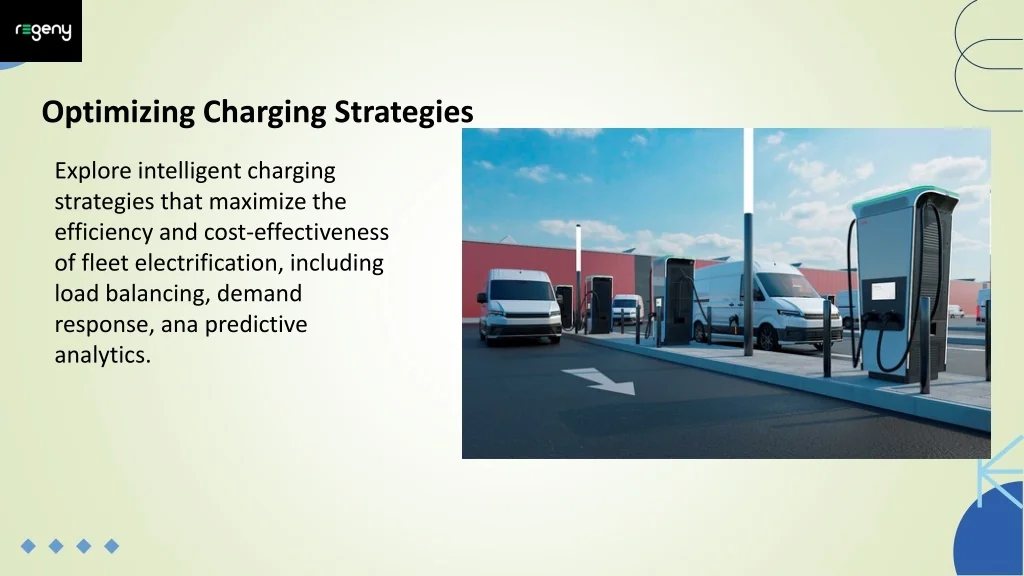
Advanced Club Car battery charger systems are beginning to incorporate smart grid capabilities that can optimize charging schedules based on electricity rates, grid demand, and renewable energy availability. These systems can reduce operating costs and support grid stability by shifting charging loads to off-peak periods or times when renewable energy is abundant.
Energy management features may include load scheduling, demand response capability, and integration with solar or other renewable energy sources. For commercial operations, these capabilities can provide significant cost savings and environmental benefits while maintaining reliable golf cart operation.
Smart grid features include:
- Time-of-use rate optimization for minimum cost charging
- Demand response participation for grid stability support
- Renewable energy integration with solar and wind systems
- Load balancing across multiple charging stations
- Energy storage integration for peak shaving applications
Frequently Asked Questions
What type of club car battery charger do I need for my golf cart?
The type of club car battery charger you need depends on your golf cart’s voltage system (24V, 36V, or 48V), model year, and battery chemistry. Most modern Club Car golf carts use 48-volt systems and require chargers specifically designed for your model year to ensure proper communication with the onboard computer. Check your owner’s manual or consult with a Club Car dealer to identify the correct specifications for your specific model.
How long does it take to charge Club Car batteries with the proper charger?
Charging time with an appropriate Club Car battery charger typically ranges from 6-10 hours for a complete charge cycle, depending on the battery capacity, state of discharge, and charger output rating. A 48-volt system with 15-amp charger will generally complete charging in 6-8 hours from 50% discharge, while higher capacity battery banks or deeper discharge states may require longer charging periods.
Can I use any 48V charger on my Club Car golf cart?
Not all 48V chargers are compatible with Club Car golf carts. Modern Club Cars require club car battery chargers that can communicate with the onboard computer (OBC) system and provide the specific charging profile for your battery type. Using an incompatible charger may result in charging failures, reduced battery life, or potential safety hazards. Always verify compatibility before purchasing a replacement charger.
Why is my club car battery charger not working?
Common reasons for club car battery charger failures include poor electrical connections, blown fuses, battery voltage too low to initiate charging, onboard computer communication issues, or internal charger component failure. Start troubleshooting by checking AC power supply, cleaning and tightening all connections, and verifying proper battery voltage levels before seeking professional diagnosis.
Suggested read: Exploring the Latest Market Trends in Automatic Charging Technologies for 2026
How often should I replace my Club Car battery charger?
A quality Club Car battery charger should last 8-15 years with proper maintenance and normal use. Signs that replacement may be needed include extended charging times, failure to complete charging cycles, overheating during operation, or inability to maintain proper battery voltage levels. Regular maintenance and proper operation can significantly extend charger life and reliability.
Ready to upgrade your golf cart’s charging system? Browse our selection of premium club car battery chargers designed specifically for your Club Car model. Our expert team can help you select the perfect charger for optimal performance and battery longevity.
Sources:
- Club Car Precedent Battery Charger Changes By Model Year | FAQ’s – https://tidewatercarts.com/club-car-precedent-battery-charger-changes-by-model-year.html
- Golf Cart Battery Charger Troubleshooting | Carts & Parts – https://carts-and-parts.com/union-city-golf-cart-battery-charger/
- Amazon CMTOOL 18 AMP 48 Volt Golf Cart Battery Charger – https://www.amazon.com/CMTOOL-Charger-Battery-Smart-Trickle/dp/B0CGGHWW19
Related Article: Learn more about maintaining your golf cart’s electrical system with our comprehensive guide to deltran battery tender battery charger options for long-term battery storage and maintenance.