Getting caught up in the criminal justice system is stressful for everyone involved—including victims who may have second thoughts about pressing charges. Maybe emotions were running high when you called the police, or perhaps circumstances have changed since the initial incident. Whatever your reasons, understanding how to drop charges against someone is more complicated than most people realize. This guide walks you through the realities of the legal process, what power you actually have, and what steps you can take if you want charges dropped.
Understanding Who Actually Controls Criminal Charges
Here’s the thing most people get wrong about the criminal justice system: once you report a crime to police, you don’t own the case anymore. This is probably the most important thing to understand about how to drop charges against someone.
When a crime is committed, it’s viewed as an offense against the state or society—not just against you personally. That’s why criminal cases are titled “The State of [Your State] v. [Defendant’s Name]” or “The People v. [Defendant’s Name]” rather than having your name in the title. The government becomes the plaintiff, and prosecutors work on behalf of the public interest.
This means the prosecutor’s office has the ultimate authority to pursue or dismiss charges. They don’t technically work for you, even though you’re the victim. Their job is to uphold the law and pursue justice as they see it. So while your cooperation and input matter significantly, you cannot unilaterally drop charges in criminal cases the way you could dismiss a civil lawsuit.
The Difference Between Criminal and Civil Cases
Understanding this distinction helps clarify why dropping criminal charges is so challenging. In civil court, you’re suing someone personally for damages or relief. You control that lawsuit completely—you can settle it, withdraw it, or pursue it however you want because it’s your case.
Criminal cases are fundamentally different. The government prosecutes crimes because they harm society, not just individuals. Even if you’ve forgiven the person or no longer want to participate, prosecutors might continue the case if they believe there’s sufficient evidence and public interest in holding the defendant accountable. This is especially true in cases involving domestic violence, child abuse, or violent crimes where there’s a pattern of behavior or significant public safety concerns.
Why Prosecutors Might Continue Cases Without Your Support
Prosecutors don’t pursue charges just to make your life difficult. There are legitimate reasons why they might proceed even when victims want to drop charges against someone. Understanding these reasons helps you navigate conversations with the prosecutor’s office more effectively.
Public safety concerns top the list. If the crime involved violence, weapons, threats, or a pattern of escalating behavior, prosecutors worry about future victims. Domestic violence cases illustrate this perfectly—research shows that abuse typically escalates over time, and victims often recant due to fear, financial dependence, or emotional manipulation. Prosecutors have seen these patterns enough to know that dropping charges today might enable more serious violence tomorrow.
Evidence strength also matters. If police gathered substantial evidence that doesn’t rely heavily on your testimony—such as video footage, physical evidence, medical records, eyewitness accounts, or recorded confessions—prosecutors can often prove the case without your active participation. They might even subpoena you to testify whether you want to or not.
The severity of the crime influences prosecutorial discretion too. Minor offenses like simple assault between acquaintances or small-scale theft might get dropped more easily than aggravated assault, sexual crimes, crimes involving weapons, or offenses against vulnerable victims like children or elderly individuals.
Finally, criminal history plays a role. If the defendant has prior convictions, is on probation, or has violated protective orders, prosecutors view the current charges within that larger context. They’re thinking about patterns, rehabilitation, and community safety—not just the single incident in front of them.
Steps You Can Take When You Want Charges Dropped
Even though you can’t drop criminal charges yourself, you’re not powerless. Here are concrete steps that might influence the outcome:
Suggested read: Drug Charges Lawyer: What You Need to Know Before Your Case Goes Too Far
1. Contact the Prosecutor’s Office Directly
Don’t waste time calling the police department—they’ve already done their part by making the arrest and filing the report. Instead, reach out to the prosecutor or district attorney’s office handling the case. You can usually find contact information on court documents, through the court clerk’s office, or on the prosecutor’s website.
When you call, ask to speak with the attorney assigned to your case. Be prepared to provide the case number, defendant’s name, and your relationship to the case. Many prosecutor’s offices have victim advocates who serve as liaisons—they can be incredibly helpful in explaining the process and conveying your wishes to the prosecutor.
2. Submit a Formal Written Statement
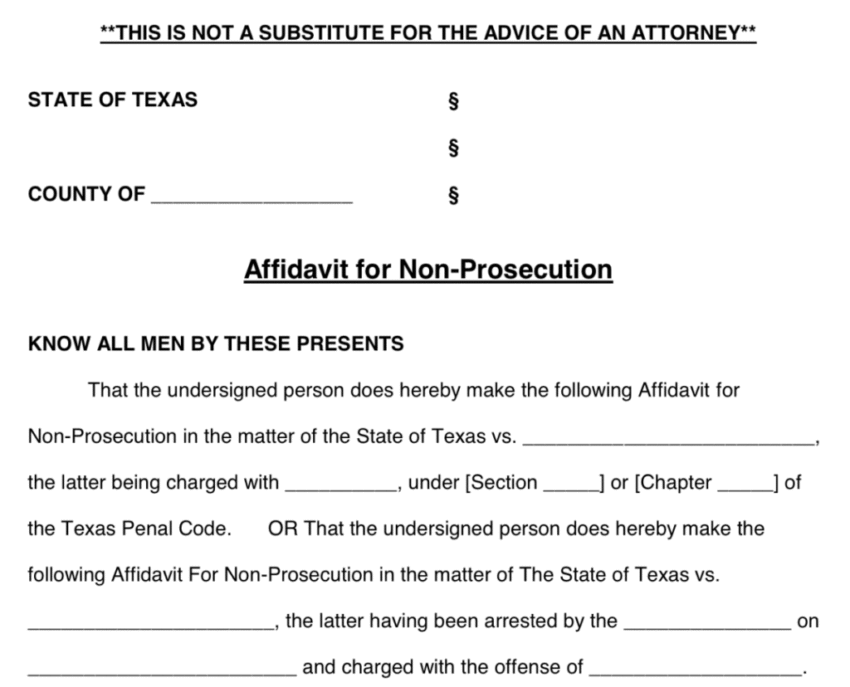
Put your request in writing. A formal letter or affidavit carries more weight than a phone call because it creates an official record. Your written statement should include several key elements: the case number and parties involved, a clear statement that you wish to drop the charges and why, any changed circumstances since the incident occurred, and your contact information.
Be honest about your reasons. Are you concerned about the defendant’s job or family situation? Have you resolved the conflict? Do you feel the charges are disproportionate to what happened? Were you mistaken about what occurred? Prosecutors appreciate transparency because it helps them assess the case properly.
Here’s what a basic statement might look like:
Sample Statement Format:
- Case Number: [Insert number]
- Defendant: [Name]
- Your Role: Complainant/Victim
- Statement: “I am writing to request that charges be dropped in the above case. [Explain your reasoning clearly and specifically]. I understand that the final decision rests with the prosecutor’s office, but I wanted to make my wishes known. I am willing to discuss this further if needed.”
- Signature and Date
3. Attend the Hearing and Make Your Position Clear
If the case proceeds to a hearing or court date, show up and speak with the prosecutor beforehand. Arriving early gives you time to have this conversation outside the courtroom. Some judges will also ask victims for their input before making decisions about bail, protective orders, or plea agreements.
When you speak to the prosecutor, be respectful but direct. Explain why you believe dropping the charges serves everyone’s interests. Acknowledge their concerns about public safety while advocating for the outcome you want. Sometimes prosecutors are more willing to negotiate for reduced charges or alternative resolutions like diversion programs rather than outright dismissal.
4. Consider Alternative Resolutions
If the prosecutor won’t drop charges completely, ask about alternatives. Diversion programs allow defendants to complete requirements like counseling, community service, or anger management in exchange for charge dismissal. Plea bargains might reduce felonies to misdemeanors or serious charges to lesser offenses. Deferred prosecution agreements postpone charges while the defendant meets certain conditions—if they succeed, charges get dismissed.
These options often satisfy both the prosecutor’s need to hold defendants accountable and your desire to avoid harsh criminal penalties. They’re particularly common for first-time offenders or less serious crimes.
5. Refuse to Cooperate (With Important Caveats)
This is a nuclear option with serious risks. You could decline to testify, claim you don’t remember details, or simply not show up to court. However, this approach has significant consequences. Prosecutors can subpoena you, meaning you’re legally required to appear. If you ignore a subpoena, judges can hold you in contempt of court, which carries fines or even jail time.
If you do testify after being subpoenaed, you’re under oath. Lying constitutes perjury, a crime itself. Saying “I don’t recall” repeatedly might work for truly forgotten details, but judges and prosecutors can usually tell when someone’s being deliberately unhelpful.
In some cases, prosecutors can proceed without your testimony using other evidence. Your refusal to cooperate might not actually result in dropped charges—it might just make the process more difficult for everyone while damaging your credibility if you ever need the justice system’s help in the future.
Special Considerations for Domestic Violence Cases
Domestic violence cases deserve special attention because they’re handled differently than other crimes. The criminal justice system has learned, often tragically, that victims frequently recant or minimize abuse for complex reasons including fear of retaliation, financial dependence, emotional attachment, isolation from support systems, and cultural or religious pressure to preserve family unity.
Because of these dynamics, domestic violence cases rarely get dropped even when victims request it. Many jurisdictions have “no-drop” policies specifically for domestic violence, meaning prosecutors pursue cases regardless of victim cooperation. These policies exist because statistics show that domestic violence typically escalates, and the most dangerous time for victims is often when they try to leave or when abusers face consequences.
Prosecutors in domestic violence cases rely heavily on evidence that doesn’t require victim testimony. Police body camera footage from the scene, 911 call recordings, photographs of injuries, medical records, statements to first responders (which may be admissible as “excited utterances”), testimony from witnesses like neighbors or children, and physical evidence like damaged property or weapons all help build cases without victim participation.
If you’re trying to drop charges in a domestic violence case, be prepared for skepticism. Prosecutors and judges have seen patterns of abuse and recantation many times. Rather than simply asking for charges to be dropped, consider whether what you really want is safety planning, counseling, or conditions on the defendant’s release that make you feel more comfortable. Many jurisdictions offer victim advocacy services that can help you think through your options.
Understanding Your Rights as a Victim
While you can’t control whether prosecutors drop charges, you do have specific rights within the criminal justice system. Most states have adopted victims’ rights laws that guarantee certain protections and opportunities for input.
The right to be informed means prosecutors should notify you about court dates, plea agreements, case status changes, and the defendant’s custody status. You shouldn’t have to chase down information—they’re supposed to keep you updated.
The right to be heard gives you opportunities to provide input at various stages. You might submit victim impact statements, speak at sentencing hearings, or offer your perspective on plea deals. While prosecutors aren’t required to follow your wishes, they must at least listen to them.
The right to protection can include protective orders, witness protection in serious cases, confidential address programs, and having advocates accompany you to court. If you’re concerned about your safety, speak up—there are systems in place to help.
The right to restitution means if you suffered financial losses from the crime, you can request compensation through the criminal case. This applies to medical bills, property damage, lost wages, and other quantifiable damages.
Understanding these rights helps you advocate for yourself throughout the process. Many prosecutor’s offices have victim-witness coordinators who specifically work to ensure victims’ rights are respected. Don’t hesitate to ask for this assistance.
When Charges Might Actually Get Dropped
Despite prosecutors’ broad authority, certain situations make charge dismissal more likely. Recognizing these factors helps you assess your chances realistically.
Suggested read: Understanding Shoplifting Charges: What You Need to Know About Theft Penalties and Legal Consequences
Insufficient evidence is the most common reason for dismissal. If you were the only witness and you’re unwilling to testify, and there’s no other evidence supporting the charges, prosecutors may determine they can’t prove the case beyond a reasonable doubt. Why waste court resources on a case they’ll likely lose?
Mistaken identity or false accusations that come to light obviously warrant dismissal. If new evidence proves the defendant didn’t commit the crime, or if you acknowledge your initial report was inaccurate (whether due to misunderstanding, mistaken identity, or other reasons), prosecutors will typically drop charges quickly. However, if you falsely accused someone intentionally, you could face charges yourself.
Minor first offenses sometimes get dismissed, especially if the defendant completes certain programs or conditions. Prosecutors have limited resources and often prioritize serious or repeat offenses. A first-time shoplifter who completes a theft prevention class might get charges dropped, while a violent felony won’t receive the same leniency.
Changed circumstances can matter in specific situations. If you and the defendant have reconciled through legitimate mediation or counseling, if relevant civil matters have been resolved, or if the defendant has made genuine efforts to address underlying issues like substance abuse or mental health problems, prosecutors might be more amenable to dismissal or reduced charges.
Mutual combat scenarios sometimes result in dropped charges when both parties were equally culpable. If evidence shows two people mutually agreed to fight rather than one person being a victim, prosecutors might dismiss charges against both or pursue lesser charges.
What Happens If You Stop Cooperating
Let’s be realistic about what happens if you simply refuse to participate in the prosecution. The consequences vary significantly based on the case specifics, but here’s what you might face.
Contempt of court charges are possible if you ignore a subpoena. Judges take subpoenas seriously—they’re court orders, not requests. Failing to appear after being properly subpoenaed can result in contempt findings, which carry fines ranging from hundreds to thousands of dollars, potential jail time (usually brief but possible), and a warrant for your arrest.
Perjury charges become a risk if you testify falsely under oath. Claiming you don’t remember everything when you genuinely don’t is fine, but obviously lying about material facts is perjury. Prosecutors rarely bring perjury charges against reluctant victims, but it remains a legal possibility.
Material witness warrants allow authorities to detain witnesses who might flee to avoid testifying in serious cases. This is rare and typically reserved for major felonies, but it exists as an option.
Case continuation without you might happen anyway. As mentioned, if prosecutors have sufficient other evidence, they’ll proceed. Your non-cooperation might not achieve your goal of getting charges dropped—it might just make you look unreliable while the defendant still gets prosecuted.
Damage to future credibility can occur if you need to report a crime later. If you’ve recanted, refused to cooperate, or been held in contempt before, future prosecutors and juries might question your reliability. This is particularly concerning in domestic violence situations where victims might need protection from escalating abuse.
The Role of Defense Attorneys in Getting Charges Dropped
Defense attorneys approach charge dismissal from a completely different angle than victims. Understanding their role helps you see the bigger picture, especially if you’re trying to coordinate with the defendant’s attorney.
Defense lawyers file motions to dismiss based on legal grounds like lack of probable cause, violations of the defendant’s rights, prosecutorial misconduct, statute of limitations expiration, or insufficient evidence. These are legal arguments that don’t depend on your wishes.
They negotiate plea bargains constantly. Most criminal cases never go to trial—they’re resolved through negotiated agreements. Defense attorneys might use your desire to drop charges as leverage in these negotiations, arguing for reduced charges, lighter sentences, or alternative resolutions.
Discovery requests help defense attorneys identify weaknesses in the prosecution’s case. If they can show evidence is flimsy, witnesses are unreliable, or procedures were violated, they build stronger arguments for dismissal.
Defense attorneys might contact you directly (or have investigators do so), but be cautious about these contacts. In some cases, defense attorneys legitimately want to understand your perspective or explore civil resolutions. In other cases, they’re trying to gather information to undermine your testimony or pressure you to recant. You’re never required to speak with defense attorneys or their investigators. In fact, if you’re uncomfortable, tell them to stop contacting you and inform the prosecutor’s office about the contact.
If you want to help the defendant, the proper channel is usually through the prosecutor’s office, not by coordinating with the defense attorney. This keeps everything above-board and avoids appearances of witness tampering or intimidation.
Navigating Assault Charges Specifically
Assault charges ranging from simple assault to aggravated assault represent one of the most common situations where people ask how to drop charges against someone. The approach varies significantly based on the severity.
Simple assault cases involving minor injuries or threats without weapons, especially between acquaintances or family members, offer more flexibility. Prosecutors might drop these if the victim refuses to cooperate and there’s limited other evidence. First-time offenders particularly might see charges reduced or diverted.
Aggravated assault involving weapons, serious bodily injury, or attacks on protected classes (like police officers or elderly victims) rarely get dropped. The serious nature means prosecutors have strong public safety incentives to continue prosecution even without victim cooperation. If you’re looking for lawyers for assault charges to understand the legal landscape better, that can help you gauge whether your request to drop charges is realistic.
Mutual combat situations where both parties fought each other sometimes result in either both being charged or charges against both being dropped. If you participated in the fight rather than being a pure victim, make sure prosecutors understand the full context.
Domestic violence assault follows the special rules discussed earlier—these rarely get dropped regardless of victim cooperation due to established patterns of abuse and recantation in these cases.
The severity of injuries makes a huge difference. Bruising or scratches might lead to charges being dropped more easily than broken bones, concussions, or injuries requiring hospitalization. Documented injuries create evidence that exists independent of your testimony.
Common Myths About Dropping Charges
Misinformation about the criminal justice system creates false expectations. Let’s clear up some common myths:
Myth: “I can drop the charges anytime I want.”
Reality: No, you can’t. Only prosecutors can dismiss criminal charges. You can request it and refuse to cooperate, but you don’t have unilateral power to drop charges.
Suggested read: Finding the Right Lawyers for Assault Charges: What You Need to Know Before Hiring
Myth: “If I don’t show up to court, the case automatically gets dismissed.”
Reality: Maybe, but probably not. Prosecutors can subpoena you, hold cases open while trying to locate you, or proceed with other evidence. Plus, you might face contempt charges for ignoring court dates.
Myth: “If I recant my statement, they have to drop the charges.”
Reality: Not necessarily. Your original statement might still be usable evidence, and prosecutors might have other proof. Recanting might even create new legal issues for you if it looks like you’re being pressured or were dishonest initially.
Myth: “Dropping charges costs money or requires a lawyer.”
Reality: Requesting that prosecutors drop charges doesn’t cost anything and doesn’t require an attorney. You simply need to contact the prosecutor’s office directly. However, if the situation is complex or you’re facing pressure, consulting a victims’ advocate or attorney might help you navigate it safely.
Myth: “Private attorneys can get charges dropped easily.”
Reality: Private attorneys (whether defense attorneys or attorneys you hire) can’t force prosecutors to drop charges. Defense attorneys can negotiate, file motions, and identify weaknesses in cases, but prosecutors ultimately decide whether to continue or dismiss charges.
Myth: “If we settle civilly, criminal charges automatically go away.”
Reality: Criminal and civil cases are completely separate. You could sue someone in civil court and simultaneously have them face criminal prosecution. Settling your civil lawsuit doesn’t affect the criminal case, though prosecutors might consider it as one factor among many when deciding how to proceed.
Questions to Ask the Prosecutor’s Office
When you contact prosecutors about dropping charges, ask these specific questions to understand your situation better:
- What is the current status of the case and what are the next scheduled court dates?
- What factors will you consider when deciding whether to dismiss these charges?
- If you won’t dismiss the charges entirely, are there alternative resolutions like diversion programs or reduced charges?
- What evidence exists in this case beyond my testimony?
- Will I be subpoenaed to testify, and what happens if I don’t comply with a subpoena?
- Can you explain the victims’ rights that apply to my situation?
- Is there a victim advocate who can help me navigate this process?
- If charges proceed, what protections are available to ensure my safety?
- How will this decision affect my ability to get a protective order or other civil remedies?
- What happens if circumstances change—can I revisit this decision later?
Taking notes during these conversations helps you remember important information and track what you’ve been told. Don’t be afraid to ask for clarification if legal terminology confuses you.
The Emotional Side of Dropping Charges
Legal procedures aside, the emotional complexity of wanting to drop charges against someone is real. Maybe the person is someone you love. Maybe you’re experiencing guilt, fear, or pressure from others. Maybe you’re worried about the collateral consequences of their criminal record.
These feelings are valid, but make sure you’re making decisions for the right reasons. Are you dropping charges because you genuinely believe it’s the right thing to do, or because you’re being threatened, manipulated, or pressured? Are you minimizing what happened because it’s easier than dealing with the reality?
If this involves domestic violence, research shows that victims who stay in abusive relationships face increasing danger over time. The most lethal incidents of domestic violence often occur after victims try to leave or after abusers face consequences. Safety planning with trained advocates can help you think through your options more clearly.
Financial pressure often influences these decisions too. If the defendant is your household’s primary earner and you depend on their income, criminal charges might threaten your financial security. Many victims drop charges because they can’t afford to lose that income. Victim advocacy programs can sometimes help connect you with financial resources, emergency assistance, or support that makes leaving safer and more feasible.
Family and community pressure particularly affects victims in tight-knit communities, religious groups, or cultures where involving law enforcement is stigmatized. You might face enormous pressure to “keep it in the family” or protect the defendant’s reputation. Remember that your safety and wellbeing matter more than other people’s comfort or opinions.
Consider talking with a counselor, victims’ advocate, or trusted friend who isn’t connected to the defendant. They can help you think through your options without the emotional manipulation or pressure you might be experiencing from others.
How Long Do You Have to Request Charges Be Dropped?
There’s no specific deadline for requesting that charges be dropped, but timing matters significantly. The earlier you act, the better your chances.
Before charges are formally filed, you have the most influence. If you contact police or prosecutors immediately after an incident and before formal charges are filed, you might prevent charges altogether. Once police write their report and send it to prosecutors, the case moves forward, but if you intervene before formal charging decisions, prosecutors might decline to file charges in the first place.
After charges are filed but before arraignment (the defendant’s first court appearance), you still have good timing. Cases are usually more flexible early on, and prosecutors are assessing how to proceed.
Between arraignment and trial, you can still request dismissal, though cases become less flexible as they progress. Prosecutors invest more resources as cases move forward—conducting investigation, filing motions, preparing witnesses—and they’re less inclined to drop charges after investing that effort.
During plea negotiations, your input about wanting charges dropped might influence the terms of plea agreements even if outright dismissal isn’t happening.
Once a trial starts or a plea is entered, it’s basically too late. At that point, the case is resolved one way or another.
The key is acting quickly. Don’t wait weeks or months hoping the situation resolves itself. If you want charges dropped, contact the prosecutor’s office as soon as possible.
What to Do If You’re Being Pressured to Drop Charges
This is critically important: if someone is threatening, intimidating, or pressuring you to drop charges, report it immediately. Witness intimidation is itself a crime, often a serious one.
Signs of improper pressure include direct threats of violence against you or your family, economic threats like losing your home or financial support, emotional manipulation like “if you loved me you wouldn’t do this,” threats to take children away or report you for unrelated issues, isolation from friends and family who support your decision to pursue charges, and stalking or harassment designed to wear you down.
If you’re experiencing any of this, document everything. Save threatening messages, record dates and details of incidents, tell trusted friends or family what’s happening, and take photographs of any vandalism or property damage. This documentation helps law enforcement take action.
Report witness intimidation to the prosecutor handling your case, local police (even if the defendant is already facing charges), and victim advocates who can help you access protective services. Courts can modify bail conditions, issue protective orders, or even increase charges against defendants who engage in witness intimidation.
Suggested read: Is It Worth Pressing Charges for Assault? What Victims Need to Know Before Deciding
Many victims drop charges not because they want to but because they’re terrified. If fear is driving your decision, please reach out for help. Victim advocacy programs exist specifically to help people in your situation navigate these dangers. They can help with safety planning, emergency shelter if needed, legal assistance, and emotional support.
Moving Forward After Charges Are Dropped (Or Not)
Whether the prosecutor ultimately drops charges or decides to proceed despite your wishes, you’ll need to move forward. Here’s what that might look like in different scenarios.
If charges are dropped, understand that this doesn’t erase what happened. If the incident involved domestic violence or serious conflict, consider whether underlying issues have been addressed. Counseling, mediation, anger management, substance abuse treatment, or other interventions might prevent future incidents. A dismissed criminal case doesn’t mean you’re safe or that patterns have changed.
You might also pursue civil remedies even after criminal charges are dropped. Civil protective orders, divorce or separation proceedings, custody modifications, or civil lawsuits for damages operate completely independently from criminal cases.
If charges proceed despite your request, you’ll need to decide how to navigate the process. You can still decline to testify and face potential consequences, cooperate minimally while making your position clear, or fully cooperate while expressing your concerns to the prosecutor. Consider whether protective measures like “no contact” conditions or protective orders might actually serve your safety needs even if you don’t want prosecution.
If you’re having second thoughts after charges are dropped, understand that prosecutors sometimes have limited ability to re-file charges depending on how the dismissal was structured. “Dismissed with prejudice” means charges can’t be re-filed for that incident. “Dismissed without prejudice” leaves the door open. If new evidence emerges or if you change your mind within the statute of limitations, re-filing might be possible.
Regardless of the outcome, prioritize your safety and wellbeing. The criminal justice system is just one tool among many for addressing harm and promoting safety. Sometimes it’s the right tool, sometimes it’s not. Only you can determine what serves your interests best, but make that determination with full information and appropriate support.
Resources and Where to Get Help
Navigating the process of trying to drop charges is complicated, and you don’t have to do it alone. Here are resources that can help:
National Domestic Violence Hotline (1-800-799-7233) provides 24/7 confidential support, safety planning, and local resource referrals for anyone experiencing domestic violence. Even if you don’t think your situation qualifies as domestic violence, they can help you think through your options.
Local Victim Advocate Programs exist in most prosecutor’s offices and communities. These advocates help victims understand their rights, navigate the criminal justice system, access protective orders, and connect with counseling and support services. They’re free and specifically trained to help people in your situation.
Legal Aid Organizations provide free or low-cost legal assistance to people who qualify financially. They can help you understand your legal options, your rights as a victim, and how different choices might affect you.
Counseling Services help you process the emotional aspects of your situation. Many communities have specialized trauma counselors who work with crime victims, and services are often free through victim compensation programs.
Your State’s Victims’ Rights Coordinator can explain specific rights guaranteed under your state’s laws and help ensure those rights are respected throughout the criminal justice process.
Don’t hesitate to use these resources. They exist specifically to help people navigate exactly the kind of situation you’re facing.
Frequently Asked Questions About Dropping Charges
Can I drop charges if I was the one who called the police?
Calling the police doesn’t give you special power to drop charges. Once police investigate and prosecutors file charges, the state controls the case. You can request dismissal, but prosecutors make the final decision based on evidence and public interest.
What happens if I refuse to testify against someone?
Prosecutors can subpoena you to testify, making it legally required. Ignoring a subpoena can result in contempt of court charges, fines, or even arrest. If you do testify under subpoena, you must tell the truth or risk perjury charges. However, if prosecutors have minimal evidence beyond your testimony and you refuse to cooperate, they might choose to drop charges rather than force the issue.
How long does it take to drop charges against someone?
The timeline varies dramatically based on when you request dismissal and the case specifics. If you contact prosecutors before formal charges are filed, it might be resolved in days or weeks. Once charges are filed and court dates are scheduled, dismissal might take several weeks or months as prosecutors review the case, consider alternatives, and work through court procedures.
Do I need a lawyer to drop charges?
No, you don’t need a lawyer to request that prosecutors drop charges. You can contact the prosecutor’s office directly at no cost. However, if your situation is complex—especially if you’re experiencing pressure, fear, or domestic violence—consulting a victims’ advocate or attorney can help you navigate the process more safely and effectively.
Can the person I want to drop charges against make me drop them?
Absolutely not. If someone is pressuring you to drop charges, that’s witness intimidation and it’s illegal. Report any threats, pressure, or harassment to the prosecutor handling your case and to local police. Nobody has the right to force, threaten, or manipulate you into dropping charges.
Suggested read: Can You Press Charges on a Minor? What Every Parent and Victim Needs to Know
What’s the difference between dropping charges and getting a protective order?
These are completely separate legal processes. Dropping criminal charges means asking prosecutors to dismiss the criminal case against the defendant. A protective order (also called a restraining order) is a civil court order that restricts someone’s behavior toward you—prohibiting contact, requiring them to stay a certain distance away, etc. You can have criminal charges dropped while maintaining a protective order, or you can pursue criminal prosecution while also having a protective order. They serve different purposes and operate independently.
If charges are dropped, can they be filed again later?
It depends on how the charges were dismissed. If dismissed “with prejudice,” charges cannot be re-filed for that specific incident. If dismissed “without prejudice,” prosecutors can re-file charges within the statute of limitations if new evidence emerges or circumstances change. Additionally, if a defendant commits new crimes, those can be charged separately regardless of what happened with previous charges.
Can I drop charges against someone in another state?
The process is the same regardless of which state filed charges—you contact the prosecutor’s office handling the case. However, dealing with out-of-state cases can be more complicated logistically. You might need to communicate by phone or email rather than in person, and different states have different procedures and victims’ rights laws.
Will dropping charges affect my credibility if something happens again?
Potentially, yes. If you drop charges and later need to report another incident involving the same person, prosecutors and juries might question your reliability or the seriousness of your complaints. This is particularly concerning in domestic violence cases where abuse typically escalates. However, this shouldn’t prevent you from seeking help if you need it—prosecutors and advocates understand the complex dynamics that lead victims to recant, and there are still avenues for protection even if you’ve previously asked for charges to be dropped.
Can I be charged with a crime for filing a false report if I want to drop charges?
Wanting to drop charges doesn’t automatically mean you filed a false report. If your original report was truthful based on what happened and you’ve simply changed your mind about prosecution, that’s not a false report. However, if you admit you intentionally lied when making the original report—for revenge, manipulation, or other reasons—you could potentially face charges for filing a false police report. This is why you should be honest with prosecutors about why you want charges dropped.
Ready to take action? If you’re trying to drop charges against someone, start by contacting the prosecutor’s office handling the case today. Don’t wait—early communication gives you the most influence over the outcome. Be honest about your reasons, understand that prosecutors make the final decision, and explore alternative resolutions if outright dismissal isn’t possible. Your voice matters in the criminal justice process, even if you don’t have final control over charging decisions.
For more legal information and support, visit the National Center for Victims of Crime or consult with local victim advocacy services in your area.