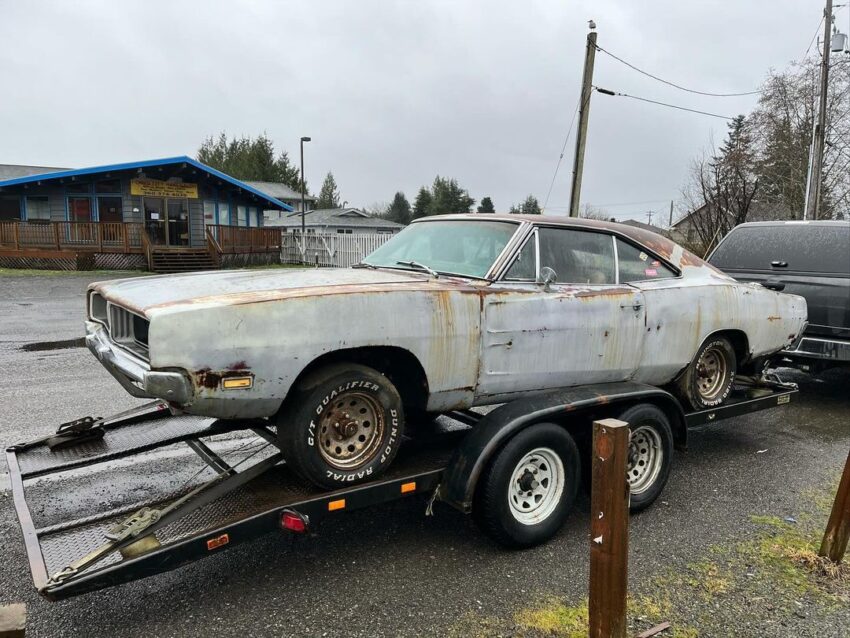
The 65 Dodge Charger is one of the most celebrated and recognizable muscle cars in American automotive history. Born at the intersection of raw power, bold styling, and post-war American ambition, this legendary vehicle has left an indelible mark on car culture that still resonates strongly among collectors, enthusiasts, and everyday drivers more than six decades later. Whether you are a seasoned classic car collector, a first-time buyer eyeing a vintage piece of Americana, or simply someone fascinated by Detroit’s golden age of muscle, understanding the full story of the 65 Dodge Charger is essential. From its dramatic debut at auto shows in 1965 to its current status as a blue-chip collector’s item fetching tens of thousands of dollars at auction, this car is a masterclass in design, engineering, and cultural impact.
The Origin Story of the 1965–66 Dodge Charger
How Chrysler’s Dodge Division Created an American Icon
To truly appreciate the 65 Dodge Charger, you have to understand the competitive landscape Chrysler was navigating in the mid-1960s. Ford had already captured the nation’s imagination with the Mustang in 1964, and Plymouth’s Barracuda was nipping at the pony car market. Chrysler, slow to enter the specialty car segment, tasked its Dodge Division with building something bold — a car that would sit between the agile pony cars and the plush personal luxury coupes like the Ford Thunderbird.
The result was a car born directly from the Dodge Coronet’s platform but transformed into something far more dramatic. Burt Bouwkamp, Chief Engineer for Dodge during the 1960s, recalled in a 2004 speech how Lynn Townsend, Dodge’s executive, specifically instructed his team: “Give them a specialty car but for God’s sake don’t make it a derivative of the Barracuda.” That mandate gave the design team creative freedom, and the outcome was one of the most visually arresting American cars of the era.
Dodge debuted a Charger concept car at auto shows in 1965 — hence the widespread use of the “65 Dodge Charger” name among enthusiasts — with production of the 1966 model year version following that same year. A 1965 Charger II concept car bore a striking resemblance to what would eventually reach showroom floors, previewing the production car’s dramatic fastback roofline and muscular proportions.
Why the ’65/’66 Charger Was Different From Everything Else
- Fastback roofline — a bold departure from mainstream Dodge styling, inspired partly by AMC’s 1965 Marlin
- Hidden headlights — a first for Dodge, set behind a full-width grille with vertical and horizontal thin slats
- Full-length center console — dividing the cabin into four individual bucket seats, giving it a true race-inspired feel
- Full-width taillights — creating a dramatic, wide-looking rear end that turned heads on every street
- Folding rear seats — allowing the trunk to expand, a practical touch that added real-world versatility
The car measured 203.6 inches in total length, making it a considerably larger vehicle than the Mustang it was partially designed to compete with. For context, that was a full 22 inches longer than the 1966 Ford Mustang — a massive difference that underscored Dodge’s intention to build something more substantial.
Suggested read: The Dodge Charger Logo: Unveiling the Symbol Behind America's Iconic Muscle Car
65 Dodge Charger Specs: Every Engine, Transmission, and Dimension
Under the Hood — Powertrain Options for the First-Gen Charger
One of the most compelling aspects of the original 65 Dodge Charger is the breadth of its engine lineup. Dodge wanted to make sure there was a Charger for virtually every performance appetite, from the Sunday driver to the weekend drag racer. The base engine was a 318 cubic-inch (5.2-liter) V8, already a respectable powerplant, but the options climbed rapidly from there.
| Engine | Displacement | Horsepower | Transmission Options |
|---|---|---|---|
| 318 V8 | 5.2L (318 cu-in) | ~230 hp | 3-speed manual, 4-speed manual, TorqueFlite Auto |
| 361 V8 | 5.9L (361 cu-in) | ~265 bhp | 4-speed manual, TorqueFlite Auto |
| 383 V8 | 6.3L (383 cu-in) | ~325 hp | 4-speed manual, TorqueFlite Auto |
| 426 Street Hemi V8 | 7.0L (426 cu-in) | ~425 bhp | 4-speed manual, TorqueFlite Auto |
The 426 Street Hemi at the top of the range was nothing short of extraordinary. With approximately 425 brake horsepower and a 7.0-liter displacement, it gave the 65 Dodge Charger the kind of raw, unbridled power that made it genuinely feared on both the street and the drag strip. This legendary Hemi engine is one of the primary reasons the first-generation Charger remains so highly coveted among collectors today.
Key Dimensions and Technical Data
| Specification | Detail |
|---|---|
| Body Style | 2-door fastback hardtop coupe |
| Platform | Chrysler B-body (Dodge Coronet) |
| Total Length | 203.6 inches |
| Wheelbase | 117 inches |
| Drive Type | Rear-Wheel Drive (RWD) |
| Front Suspension | Unequal-length control arms with torsion bars |
| Rear Suspension | Solid rear axle, semi-elliptical leaf springs |
| Seating Capacity | 4 (individual bucket seats) |
| Production Year | 1966 model year (introduced 1965) |
| Total Units Produced | ~37,344 (1966) |
Design Deep Dive: What Made the 65 Dodge Charger So Visually Striking?
Exterior Design — Bold, Purposeful, and Revolutionary
The exterior of the 65 Dodge Charger was a deliberate statement. The fastback roofline flowed seamlessly from the roofline down to the tail in a graceful, aerodynamic arc that was unlike anything else in the Dodge lineup at the time. The rotating hidden headlights — concealed behind a full-width grille — gave the front end a clean, almost menacing look when the lights were off, then revealed twin headlamps that snapped open when needed. This was a genuinely innovative touch for a mass-market American car of that era.
The front fascia featured a grille composed of vertical and horizontal thin slats, a notably restrained design at a time when most American cars loaded up on chrome. The rear end was equally distinctive, featuring a six-lamp taillight system — three lamps on each side — with the chromed “Charger” nameplate positioned between them. This full-width taillamp design became a signature look that would echo through multiple generations of the Charger nameplate.
The retractable B-post gave the Charger a hardtop appearance without the structural compromise of a true open-top design — a clever piece of engineering that enhanced the car’s sporty, clean profile. In terms of sheer visual drama, the Charger stood apart from everything Dodge had produced before it.
Interior Design — Race-Inspired Luxury
Inside the 1965 Dodge Charger, drivers were greeted with an interior that was genuinely unlike anything else available in an American production car at the price point. The most radical feature was the full-length center console that ran the entire length of the cabin, dividing it into four individual bucket seats. This gave the Charger a cockpit-like feel, with each occupant cocooned in their own private space.
The instrument panel was equally thoughtful. A four-dial cluster dominated the driver-facing section, with the two center dials housing the speedometer and tachometer — the most driver-relevant information placed front and center in true racing tradition. The outer dials monitored fuel level, water temperature, oil pressure, and the ammeter.
The rear bucket seats were fold-flat, which was a genuinely useful piece of practicality that dramatically expanded cargo capacity when needed. This dual-purpose flexibility — sporting interior for passengers, generous cargo hauler when the seats were folded — gave the Charger a versatility that its main rivals struggled to match.
The 65 Dodge Charger vs. the Competition
How Did It Stack Up Against the Ford Mustang and Pontiac GTO?
By 1966, the American automotive market was absolutely loaded with performance options. The Ford Mustang had set the pony car world on fire in 1964, and Pontiac’s GTO had essentially invented the muscle car concept. Where did the 65 Dodge Charger fit in this crowded, competitive landscape?
| Specification | 65 Dodge Charger | 1966 Ford Mustang GT | 1966 Pontiac GTO |
|---|---|---|---|
| Body Style | Fastback hardtop coupe | Fastback coupe | Hardtop coupe |
| Top Engine Option | 426 Hemi (~425 hp) | 289 Hi-Po (~271 hp) | 389 Tri-Power (~360 hp) |
| Total Length | 203.6 inches | 181.6 inches | 206.4 inches |
| Wheelbase | 117 inches | 108 inches | 115 inches |
| Seating | 4 bucket seats | 4 bucket seats | 4-5 |
| Starting Price (1966) | ~$3,100 | ~$2,600 | ~$2,800 |
| Production Volume | ~37,344 | ~499,000+ | ~96,946 |
The 65 Dodge Charger was never destined to match the Mustang in sales volume — the Mustang’s price advantage and broader appeal made it a mass-market phenomenon. But the Charger was positioning itself as something more exclusive, more powerful at the top end, and more distinctively styled. With the 426 Hemi option, it outgunned virtually everything on the street.
“The Charger wasn’t just a car — it was a statement. When a first-gen Charger pulled up beside you at a traffic light, you knew exactly what it was and what it could do.” — Classic car historian and enthusiast commentary
Suggested read: 1966 Dodge Charger For Sale: Your Ultimate Buyer's Resource for This Iconic Muscle Car
Production Numbers and Rarity: Why the 65 Dodge Charger Is So Valuable
The Numbers That Make This Car Special
Production rarity is one of the most important factors driving the value of the 65 Dodge Charger in today’s collector market. Only approximately 37,344 units were produced for the 1966 model year. This relatively modest production run — compared to the hundreds of thousands of Mustangs rolling off Ford’s assembly lines in the same period — means that genuine, well-preserved examples are genuinely scarce.
Breaking down the rarity further:
- 426 Hemi-equipped examples represent a tiny fraction of total production, making them extraordinarily valuable
- Factory-original, unrestored specimens (sometimes called “survivors”) command significant premiums
- Factory black cars from the American Southwest (where lower humidity reduced rust) are prized as having survived with clean sheet metal
- Cars with original air conditioning are valued higher than those where the AC system was removed or incomplete
- Matching-numbers cars — where the engine, transmission, and other major components bear the original factory codes — are the holy grail for serious collectors
Current Market Value: What Is a 65 Dodge Charger Worth Today?
Auction Results and Pricing Data
The market for the 65 Dodge Charger remains robust and has shown consistent appreciation over the past decade. According to recent auction data, the most recent sale of a 1966 Dodge Charger took place in October 2025 at Mecum’s Dallas/Fort Worth event, where it sold for $60,500. This figure provides a useful anchor for understanding what a clean, well-presented example commands today.
| Condition | Estimated Market Value (2025–2026) |
|---|---|
| #1 (Concours / Show quality) | $80,000 – $120,000+ |
| #2 (Excellent / Driver quality) | $50,000 – $80,000 |
| #3 (Good / Minor flaws) | $30,000 – $50,000 |
| #4 (Fair / Needs work) | $12,000 – $30,000 |
| 426 Hemi, matching-numbers | $150,000 – $300,000+ |
Several key factors influence where any individual 65 Dodge Charger falls within these ranges:
- Originality — Non-original paint, replacement parts, and missing factory components reduce value
- Provenance — Documented history, factory build sheets, and original window stickers add significant premium
- Engine option — Hemi-equipped cars are worth multiples of base 318 V8 cars
- Color — Rare factory colors command premiums over common ones
- Rust — Sheet metal condition is arguably the single most important factor for structural integrity and value
The 65 Dodge Charger’s Cultural Legacy
From Concept Shows to Hollywood Icons
The 65 Dodge Charger’s cultural footprint extends far beyond the automotive world. While the second-generation Charger (1968–1970) is perhaps more widely recognized from films and television, the first generation planted the seeds of the Charger’s legendary reputation. The 1965 auto show appearances generated massive public interest in the concept, validating Dodge’s decision to proceed with production.
The broader Charger nameplate, born from the groundwork laid by the 65 model, went on to become one of the most recognized cars in popular culture:
- Bullitt (1968) — The second-gen Charger’s chase scene with Steve McQueen’s Mustang is arguably the most famous car chase in cinema history
- The Dukes of Hazzard (1979–1985) — The orange “General Lee” Charger made the nameplate a household name across America and internationally
- The Fast and the Furious franchise — Modern Chargers continued the nameplate’s pop culture dominance into the 2000s and beyond
The first-generation 65 Dodge Charger was the foundation upon which all of this cultural mythology was built. Without the bold vision of the 1965–66 car, none of those later chapters would have existed.
Buying Guide: What to Look for When Shopping for a 65 Dodge Charger
Key Inspection Points Before You Buy
If you are in the market for a 65 Dodge Charger, due diligence is absolutely essential. These cars are now more than six decades old, and the combination of age, heavy use, and decades of potential modifications means that the quality and authenticity of individual examples varies enormously. Here is what every serious buyer should examine:
1. Rust Inspection The B-body platform that underpins the Charger is vulnerable to rust in specific locations. Always check the:
- Floor pans (front and rear)
- Trunk floor and spare tire well
- Rocker panels and lower door skins
- Front frame rails
- Rear frame rails near the leaf spring mounts
2. Numbers Matching Verification The engine block, cylinder heads, transmission, and rear axle all carry codes that can be cross-referenced against the car’s VIN and build data. A matching-numbers 65 Dodge Charger is worth significantly more than one where components have been swapped. Never assume a car is numbers-matching without independently verifying the codes.
3. Body Panel Assessment The fastback roofline and unique quarter panels of the Charger are expensive to repair correctly. Check panel gaps, look for evidence of body filler, and use a paint depth gauge to identify areas that may have been repaired or repainted.
Suggested read: Charger or Challenger: Making the Right Choice Between Dodge's Iconic Muscle Cars
4. Documentation Review Original build sheets (often found under the carpet or in the trunk), window stickers, title history, and service records all add immense value to a 65 Dodge Charger acquisition. The more documentation, the better.
5. Engine and Drivetrain Inspection Have a qualified mechanic inspect the engine for oil leaks, compression issues, and cooling system health. Hemi engines, while extraordinarily capable, are expensive to rebuild if neglected.
Pro Tip: Always work with a specialist appraiser who has specific knowledge of first-generation Dodge Chargers before committing to a purchase. A small appraisal fee can save tens of thousands of dollars by identifying issues that a general inspection might miss.
Restoration Considerations for the 65 Dodge Charger
What Does a Full Restoration Actually Cost?
Restoring a 65 Dodge Charger to show-quality condition is a serious financial commitment. The rarity of certain body panels, the cost of correct upholstery materials, and the premium for correct Hemi components all add up quickly.
| Restoration Category | Estimated Cost Range |
|---|---|
| Body and paint (full restoration) | $15,000 – $40,000+ |
| Interior (full correct restoration) | $5,000 – $15,000 |
| Engine rebuild (318/361/383) | $3,000 – $8,000 |
| Engine rebuild (426 Hemi) | $15,000 – $35,000+ |
| Suspension, brakes, chassis | $3,000 – $10,000 |
| Chrome and trim | $2,000 – $8,000 |
| Total (full frame-off restoration) | $40,000 – $100,000+ |
It is worth noting that for investment purposes, buying the best example you can afford is almost always superior to buying a rough car and restoring it. Restoration costs typically exceed the increase in market value they generate, particularly for cars outside the top tier of rarity (like the Hemi). The old adage — “buy quality, not potential” — has never been more applicable than in the first-gen Charger market.
The 65 Dodge Charger and Legal Considerations for Display and Transport
Understanding Event and Show Regulations
When taking your 65 Dodge Charger to shows, parades, or public driving events, it is important to understand that aggressive or reckless behavior — even in a classic car — can carry serious legal consequences. In many jurisdictions, confrontational conduct at automotive events can constitute an affray charge, a serious criminal matter involving public fighting or threatening behavior that endangers bystanders. Classic car ownership comes with the responsibility to represent the community professionally and respectfully, especially at sanctioned events where large crowds gather.
Always ensure your vehicle meets applicable safety standards for road use, carries appropriate insurance (specialist classic car insurance is strongly recommended for a 65 Dodge Charger given its collector value), and that you are familiar with local regulations regarding vintage vehicle operation in your area.
Why the 65 Dodge Charger Continues to Appreciate in Value
Investment Outlook for Classic Muscle Cars
The 65 Dodge Charger sits comfortably within one of the most desirable segments of the classic car collector market: American first-generation muscle cars with genuine historical significance and cultural cachet. Several macroeconomic and demographic trends continue to support appreciation in value:
1. Demographic Demand Baby Boomers who grew up dreaming about these cars now have the disposable income to acquire them, and younger collectors are increasingly drawn to the authenticity and mechanical simplicity of classic American muscle as a counterpoint to modern technology-heavy cars.
2. Diminishing Supply With only ~37,344 original units produced, and decades of accidents, rust, and neglect having reduced the surviving pool, the supply of quality examples continues to tighten every year.
3. Rising Restoration Quality The quality of professional restorations has improved dramatically over the past two decades, and concours-level examples are achieving record prices at the major auction houses.
Suggested read: Hood Dodge Charger: Everything You Need to Know Before Upgrading Your Muscle Car's Look
4. Cultural Reinforcement The Dodge Charger nameplate’s continued prominence in popular culture — from the Fast and Furious franchise to Dodge’s own marketing — keeps the brand and its heritage in the public consciousness.
5. Documented Auction Performance The broader Dodge Charger market has shown extraordinary results, with the highest-ever recorded Charger sale reaching $3,000,000 for a 1969 Dodge Hemi Daytona at auction in August 2024 — a data point that demonstrates the ceiling achievable by exceptional, historically significant Charger variants.
Frequently Asked Questions About the 65 Dodge Charger
What exactly is the “65 Dodge Charger”?
The term 65 Dodge Charger refers to the first-generation Dodge Charger, which was publicly introduced at auto shows in 1965 and sold as a 1966 model year vehicle. Dodge displayed the Charger II concept car and a “Charger idea car” at auto shows during 1965 to generate public interest before the production model went on sale. Enthusiasts and collectors frequently use “65 Dodge Charger” to describe this first-generation car.
How many 65 Dodge Chargers were produced?
Approximately 37,344 units of the first-generation Dodge Charger were produced for the 1966 model year. This relatively modest production total — particularly when compared to rivals like the Ford Mustang — is a key factor in the car’s collector desirability and current market value.
What is a 65 Dodge Charger worth today?
Values for the 65 Dodge Charger range significantly based on condition, originality, and engine specification. A recent auction sale (October 2025) saw a 1966 Charger sell for $60,500. Condition #2 (driver quality) cars generally trade in the $50,000–$80,000 range, while concours examples and Hemi-equipped matching-numbers cars can exceed $150,000–$300,000.
What engines were available in the 65 Dodge Charger?
The 65 Dodge Charger was offered with a range of V8 engines including the 318 cu-in (5.2L), 361 cu-in (5.9L), 383 cu-in (6.3L), and the legendary 426 Street Hemi (7.0L, ~425 bhp). All versions were rear-wheel drive, paired with either a 3-speed manual, 4-speed manual, or TorqueFlite automatic transmission.
Is the 65 Dodge Charger a good investment?
For buyers who acquire quality, well-documented examples, the 65 Dodge Charger has historically been a sound investment. The limited production numbers, cultural significance, and strong demographic demand among collectors support continued appreciation. However, restoration-heavy projects often fail to recover their full cost in market value, so buying the best available example is advisable.
Where can I find a 65 Dodge Charger for sale?
Examples of the 65 Dodge Charger appear regularly on platforms including ClassicCars.com (listings starting from ~$12,400), Classics on Autotrader, Hemmings, and at major auction houses like Mecum and Barrett-Jackson. CLASSIC.COM tracks the live market and currently lists 169 examples available for sale.
How does the 65 Dodge Charger compare to the Mustang?
The 65 Dodge Charger was larger (203.6 inches vs. 181.6 inches), more powerful at the top end (426 Hemi vs. Mustang’s 289 Hi-Po), and more distinctively styled with its fastback body, hidden headlights, and full-length console. The Mustang was more affordable, produced in far greater numbers, and aimed at a broader market. Both are legendary, but the Charger is rarer and commands higher prices in today’s collector market.
What should I look for when buying a 65 Dodge Charger?
Key considerations when buying a 65 Dodge Charger include: rust in the floor pans, trunk floor, and frame rails; matching engine and VIN numbers; originality of paint and trim; presence of documentation like build sheets and window stickers; and engine condition. Hiring a specialist appraiser with specific first-generation Charger knowledge before purchase is strongly recommended.
Ready to Find Your Own 65 Dodge Charger?
If you have been inspired by the history, the power, and the investment potential of the 65 Dodge Charger, there has never been a better time to start your search. Whether you are looking for a showroom-quality concours example to display proudly, a solid driver-quality car to enjoy on weekend cruises, or a project car to make your own, the first-generation Charger market offers options across every budget and aspiration level.
Suggested read: The Leading Figures Driving the Evolution of Automated Charging Systems
Start your search for a 65 Dodge Charger today at the following trusted marketplaces:
- ClassicCars.com — 65 Dodge Charger listings
- Classics on Autotrader — 1966 Dodge Charger
- CLASSIC.COM — 65 Dodge Charger Market Tracker
- Mecum Auctions — Upcoming 65 Dodge Charger lots
The 65 Dodge Charger is not just a car. It is a piece of living American history — a rolling monument to the era when Detroit’s designers and engineers were at the absolute peak of their powers, building machines that combined raw performance with genuine style. Find yours, take care of it, and you will own something that only appreciates in meaning as the years go by.
Citation: “The Dodge Charger is a model of automobile marketed by Dodge in various forms over eight generations since 1966. The first Charger was a show car in 1964. A 1965 Charger II concept car resembled the 1966 production version.” — Wikipedia, Dodge Charger
Auction Data Source: ConceptCarz Valuation — 1966 Dodge Charger
Market Data Source: CLASSIC.COM — Dodge Charger Market