The automotive landscape has dramatically shifted toward more sustainable transportation options, with hybrid vehicles leading this green revolution. However, many potential buyers find themselves asking the fundamental question: do hybrid cars need to be charged? The answer isn’t as straightforward as you might think, as it depends entirely on the type of hybrid vehicle you’re considering. Understanding the charging requirements of different hybrid systems is crucial for making an informed purchasing decision and managing your vehicle’s maintenance needs effectively.
The confusion surrounding hybrid car charging stems from the fact that there are multiple types of hybrid vehicles available in today’s market, each with distinct power management systems and charging requirements. Traditional hybrid vehicles, also known as self-charging hybrids, operate fundamentally differently from plug-in hybrid electric vehicles (PHEVs), which in turn function differently from fully electric vehicles. This comprehensive exploration will demystify the charging needs of various hybrid systems and help you understand exactly what to expect from your hybrid vehicle ownership experience.
Do Hybrid Cars Need to Be Charged? Understanding Vehicle Types
Hybrid vehicles represent an innovative automotive technology that combines two distinct power sources: an internal combustion engine (ICE) and an electric motor system. This dual-power configuration is specifically engineered to maximize fuel efficiency while significantly reducing harmful emissions compared to conventional gasoline-powered vehicles. The sophisticated integration of these power sources allows hybrid cars to optimize performance by automatically switching between or combining electric and gasoline power based on driving conditions, speed requirements, and battery charge levels.
The electric motor in a hybrid vehicle serves multiple critical functions beyond just propulsion. It acts as a generator during deceleration and braking through a process called regenerative braking, which captures kinetic energy that would otherwise be lost as heat and converts it back into electrical energy to recharge the vehicle’s battery. This self-sustaining energy recovery system is one of the key reasons why traditional hybrid cars do not need to be charged externally, as they continuously replenish their battery power through normal driving activities.
Modern hybrid systems employ sophisticated computer algorithms to manage the seamless transition between power sources, ensuring optimal fuel economy and performance. The system continuously monitors factors such as vehicle speed, acceleration demand, battery charge level, and engine temperature to determine the most efficient power delivery method. During low-speed city driving, the vehicle may operate purely on electric power, while highway cruising typically engages the gasoline engine for sustained performance.
Do Traditional Hybrid Cars Need to Be Charged? Self-Charging Technology
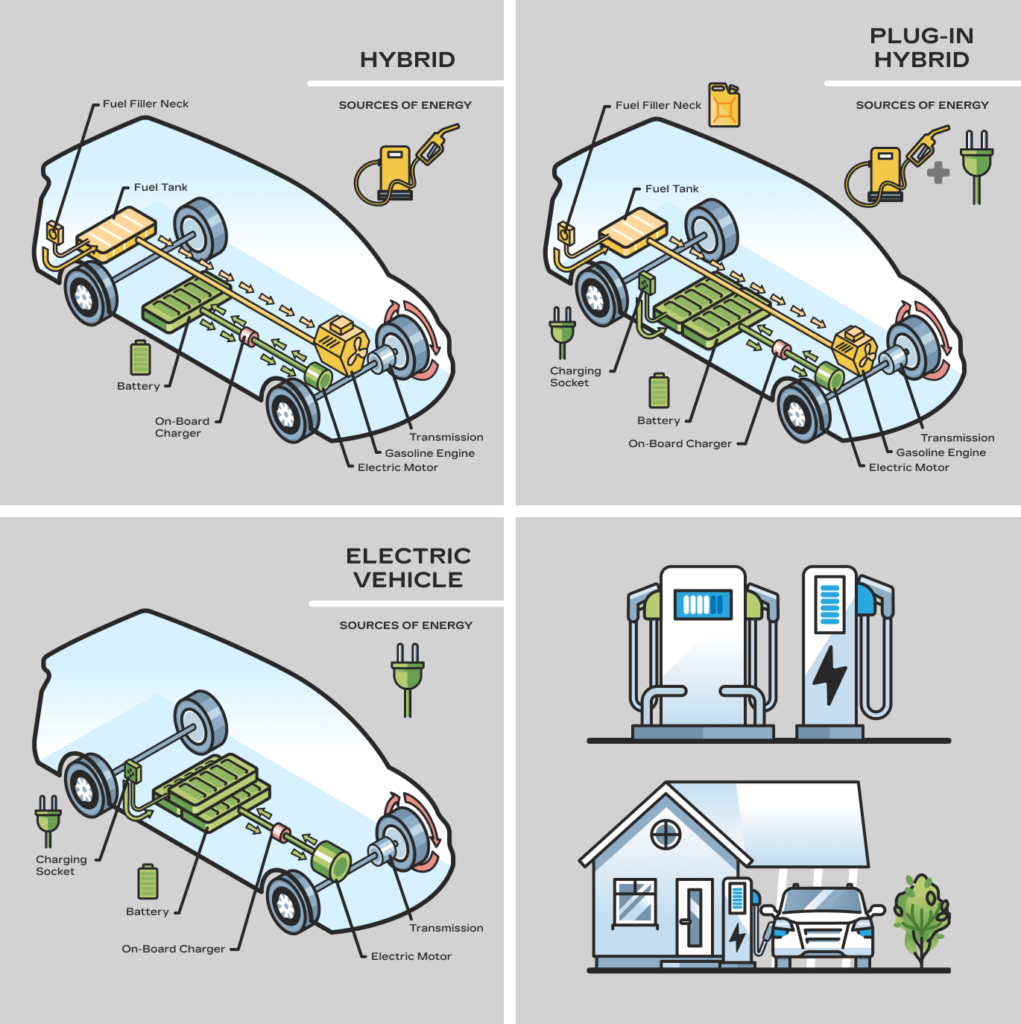
Traditional hybrid vehicles do not require external charging and are often marketed as “self-charging” hybrids due to their autonomous energy management systems. A hybrid electric vehicle cannot be plugged in to charge the battery. Instead, the battery is charged through regenerative braking and by the internal combustion engine. This self-sustaining design eliminates the need for charging infrastructure and makes hybrid ownership as convenient as driving a conventional vehicle.
The self-charging mechanism in traditional hybrids operates through two primary energy recovery methods. Regenerative braking captures the kinetic energy generated when the vehicle slows down or stops, converting this otherwise wasted energy into electricity that charges the battery. Additionally, the internal combustion engine acts as a generator when it’s running, particularly during highway driving when the engine operates most efficiently, simultaneously powering the vehicle and charging the battery system.
Traditional hybrids are designed to recharge themselves while driving, using regenerative braking and energy from the internal combustion engine. This means that every time you drive your traditional hybrid, you’re automatically maintaining the battery charge without any conscious effort or external power source. The system is designed to maintain optimal battery levels through normal driving patterns, ensuring that the electric motor is always ready to assist the gasoline engine when needed.
Popular examples of self-charging hybrid vehicles include the Toyota Prius, Honda Accord Hybrid, and Nissan Altima. These vehicles typically achieve remarkable fuel economy ratings, often exceeding 50 miles per gallon in combined driving conditions, while requiring no more maintenance consideration than filling up with gasoline at regular intervals.
Do Plug-In Hybrid Cars Need to Be Charged? PHEV Requirements
Plug-in hybrid electric vehicles represent a more advanced hybrid technology that does require external charging to achieve optimal performance and efficiency benefits. However, plug-in hybrids perform best when charged regularly. PHEVs feature significantly larger battery packs compared to traditional hybrids, typically ranging from 8 kWh to 18 kWh, which enables them to operate in pure electric mode for substantial distances before the gasoline engine engages.
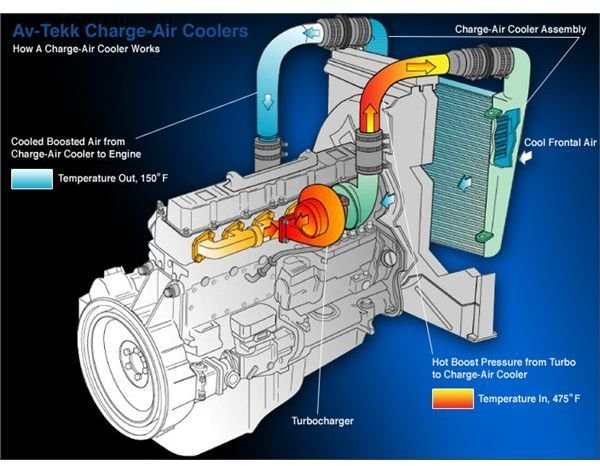
Suggested read: Charge Air Cooler System: Enhancing Engine Performance and Efficiency
The key distinction of PHEVs lies in their ability to plug into external power sources for charging, similar to fully electric vehicles, while maintaining the flexibility of gasoline power for extended range. Most PHEVs offer between 20 to 50 miles of all-electric driving range, which covers the majority of daily commuting needs for most drivers. When the battery is fully charged, PHEVs can complete short trips using zero gasoline, resulting in exceptional fuel economy and reduced emissions.
Unlike battery-electric cars, PHEVs don’t have to be plugged in to run. This flexibility means that even if you forget to charge your PHEV or don’t have access to charging infrastructure, the vehicle will continue to operate as a traditional hybrid, using the gasoline engine and recovering energy through regenerative braking. However, to maximize the environmental and economic benefits of PHEV ownership, regular charging is highly recommended.
PHEV Charging Options:
- Level 1 Charging (120V household outlet): 4-8 hours for full charge
- Level 2 Charging (240V home charger): 1-3 hours for full charge
- Public charging stations: Variable charging times depending on power output
How Often Do Hybrid Cars Need to Be Charged? Frequency Guide
The charging requirements for hybrid vehicles vary significantly based on the type of hybrid system, driving patterns, and individual usage needs. Understanding these requirements helps optimize both vehicle performance and battery longevity while ensuring you get the maximum benefit from your hybrid investment.
Do Traditional Hybrids Need Daily Charging?
Traditional hybrids require no external charging, making them easy to maintain. The only “charging” consideration for traditional hybrid owners involves ensuring the vehicle is driven regularly to keep the battery in good condition. Extended periods of inactivity can cause the 12-volt auxiliary battery to drain, similar to any conventional vehicle, but the main hybrid battery system maintains itself through normal operation.
For traditional hybrids, the best practice involves regular driving to keep all systems active and healthy. The sophisticated battery management system automatically maintains optimal charge levels, prevents overcharging, and protects against deep discharge scenarios that could damage the battery cells.
How Often Do PHEVs Need to Be Charged?
For PHEVs, charge daily if your commute falls within the electric range, and aim to keep the battery between 20% and 80% for optimal health. This charging strategy maximizes battery longevity while ensuring you have sufficient electric range for daily driving needs.
Optimal PHEV Charging Schedule:
- Daily charging for commutes under the electric range
- Maintain 20-80% battery charge for long-term battery health
- Full charges before long trips to maximize electric driving
- Avoid frequent deep discharges below 10% battery level
Charging Cost Analysis: Most PHEV owners spend between $1-3 per day on electricity costs for daily charging, depending on local utility rates. This typically results in significant fuel savings, especially for drivers with short daily commutes that can be completed entirely on electric power.
Do All Hybrid Cars Need to Be Charged? Common Myths Debunked
Several persistent misconceptions surround hybrid vehicle charging requirements, often deterring potential buyers from considering these efficient transportation options. Addressing these myths helps clarify the reality of hybrid ownership and the actual charging needs of different hybrid systems.
Myth 1: All hybrid cars need to be plugged in daily Reality: You don’t charge a hybrid vehicle in the traditional sense that you may be thinking. There’s no plugging in involved — in fact, a hybrid vehicle actually charges itself as you drive. Only plug-in hybrids require external charging for optimal performance.
Suggested read: Silver Charger Plates in Action: 5 Real-World Case Studies That Prove Their Impact on Events and Hospitality
Myth 2: Hybrid batteries will leave you stranded if not charged Reality: Traditional hybrids cannot run out of battery power during normal operation because they continuously recharge through driving. PHEVs will continue operating as conventional hybrids even with depleted batteries.
Myth 3: Hybrid charging is expensive and complicated Reality: Traditional hybrids require zero charging costs, while PHEV charging typically costs less than $3 per day for most drivers, significantly less than equivalent gasoline expenses.
Myth 4: You need special electrical installation for all hybrids Reality: Traditional hybrids require no electrical modifications to your home. PHEVs can be charged from standard household outlets, though Level 2 charging stations improve convenience.
Benefits When Hybrid Cars Need to Be Charged vs Self-Charging
Maintaining appropriate charging practices for your hybrid vehicle, whether traditional or plug-in, delivers substantial benefits in terms of performance, longevity, and cost savings. Understanding these advantages helps hybrid owners maximize their investment and enjoy optimal vehicle operation throughout the ownership experience.
Fuel Economy Benefits: Properly managed hybrid systems can achieve 50-100+ MPG in optimal conditions. Traditional hybrids consistently deliver 40-50 MPG in mixed driving, while well-charged PHEVs can achieve over 100 MPGe when operating primarily in electric mode for daily commuting.
Environmental Impact: Regular charging of PHEVs and proper maintenance of traditional hybrid systems significantly reduce carbon emissions compared to conventional vehicles. Studies indicate that hybrid vehicles produce 25-40% fewer emissions than comparable gasoline-only vehicles, with PHEVs achieving even greater reductions when regularly charged from clean energy sources.
Battery Longevity: Following recommended charging practices extends hybrid battery life significantly. Most hybrid batteries are designed to last 150,000-200,000 miles or more when properly maintained, with many manufacturers offering 8-10 year warranties on hybrid battery systems.
Cost Savings Analysis:
| Vehicle Type | Annual Fuel Cost* | Charging Cost | Total Energy Cost |
|---|---|---|---|
| Conventional Car | $2,000 | $0 | $2,000 |
| Traditional Hybrid | $1,200 | $0 | $1,200 |
| PHEV (regularly charged) | $600 | $400 | $1,000 |
*Based on 12,000 miles annually, $3.50/gallon gas, $0.12/kWh electricity
Why Some Hybrid Cars Don’t Need to Be Charged: Self-Charging Technology
The sophisticated technology that enables hybrid cars to charge themselves represents one of the most ingenious automotive engineering achievements of the modern era. Understanding how these systems work provides insight into why traditional hybrids don’t require external charging and how they maintain optimal battery levels through normal driving activities.
Regenerative Braking Technology: The primary energy recovery mechanism in all hybrid vehicles involves regenerative braking, which transforms the vehicle’s kinetic energy into electrical energy during deceleration. When you lift your foot off the accelerator or apply the brakes, the electric motor reverses its function to become a generator, creating resistance that slows the vehicle while simultaneously charging the battery. This process recovers energy that would otherwise be completely lost as heat through traditional friction braking.
Suggested read: Silver Charger Plates: Frequently Asked Questions — Your Complete Guide to Buying, Using, and Caring for Them
Engine-Generator Integration: In traditional hybrids, the internal combustion engine serves dual purposes: propelling the vehicle and generating electricity to charge the battery. Advanced computer algorithms continuously monitor driving conditions, battery charge levels, and power demands to determine when the engine should operate as a generator. During highway cruising, when the engine operates at optimal efficiency, excess power charges the battery while maintaining vehicle speed.
Battery Management Systems: Modern hybrid vehicles employ sophisticated battery management systems (BMS) that monitor individual battery cell voltages, temperatures, and charge states to ensure optimal performance and longevity. The BMS prevents overcharging, manages discharge rates, and maintains battery health through precise temperature control and charge balancing across all battery cells.
Environmental Impact: Do Hybrid Cars Need to Be Charged for Sustainability?
The environmental benefits of hybrid vehicles extend beyond simple fuel economy improvements, encompassing broader sustainability considerations that make these vehicles attractive options for environmentally conscious consumers. Understanding the complete environmental impact helps illustrate why hybrid car charging practices play a crucial role in maximizing ecological benefits.
Emission Reduction Analysis: Traditional hybrids reduce tailpipe emissions by 25-40% compared to conventional vehicles through improved combustion efficiency and electric motor assistance during acceleration and low-speed driving. PHEVs can achieve even greater emission reductions, particularly for drivers who regularly charge their vehicles and complete most daily driving in electric mode.
Lifecycle Environmental Assessment: While hybrid vehicle manufacturing requires additional resources for battery and electric motor production, studies consistently demonstrate that the environmental benefits realized during vehicle operation significantly outweigh the additional manufacturing impact. Most hybrid vehicles achieve carbon neutrality compared to conventional vehicles within 20,000-30,000 miles of driving.
Grid Impact Considerations: For PHEV owners, the environmental benefit of regular charging depends partially on the local electrical grid’s energy sources. Regions with high renewable energy penetration provide greater environmental benefits from PHEV charging, while areas heavily dependent on coal-fired power plants see reduced but still positive environmental impacts compared to gasoline consumption.
Future: Will Hybrid Cars Need to Be Charged More or Less?
The evolution of hybrid vehicle technology continues advancing rapidly, with manufacturers developing increasingly sophisticated systems that further reduce charging requirements while improving efficiency and performance. These technological developments promise to make hybrid vehicle ownership even more convenient and environmentally beneficial in coming years.
Advanced Battery Technology: Next-generation hybrid vehicles will feature improved battery chemistry with higher energy density, faster charging capabilities, and extended lifespan. Lithium iron phosphate (LFP) and solid-state battery technologies promise to reduce charging times for PHEVs while increasing the electric-only range capabilities.
Smart Charging Integration: Future hybrid systems will incorporate artificial intelligence and machine learning algorithms to optimize charging patterns based on individual driving habits, local electricity rates, and grid demand patterns. These smart systems will automatically schedule PHEV charging during off-peak hours to minimize costs and grid impact.
Vehicle-to-Grid (V2G) Technology: Advanced PHEVs are being developed with bidirectional charging capabilities that allow vehicles to supply power back to the electrical grid during peak demand periods. This technology transforms PHEVs into mobile energy storage units that can help stabilize the electrical grid while providing additional revenue streams for vehicle owners.
Which Hybrid Cars Need to Be Charged? Traditional vs Plug-In Comparison
Selecting between a traditional hybrid and a plug-in hybrid depends on several factors including driving patterns, charging infrastructure availability, and personal preferences regarding environmental impact and fuel costs. Understanding these considerations helps potential buyers make informed decisions about which type of hybrid vehicle best meets their needs.
Suggested read: Silver Charger Plates in Action: 5 Real-World Case Studies That Prove Their Impact on Events and Hospitality
Traditional Hybrid Advantages:
- Zero charging requirements or infrastructure needs
- Lower purchase price compared to PHEVs
- Simplified ownership experience similar to conventional vehicles
- No range anxiety or charging planning needed
- Consistent fuel economy regardless of charging habits
PHEV Advantages:
- Higher fuel economy potential with regular charging
- Electric-only driving capability for short trips
- Federal and state tax incentives available
- Future-proofing as charging infrastructure expands
- Greater environmental impact reduction potential
Decision Matrix: Consider a traditional hybrid if:
- Daily driving exceeds 50 miles regularly
- Limited access to charging infrastructure
- Preference for simplified vehicle maintenance
- Budget constraints favor lower purchase prices
Consider a PHEV if:
- Daily commute under 30 miles
- Access to home or workplace charging
- Willingness to adopt charging routines
- Maximum environmental impact reduction desired
To learn more about maintaining your hybrid vehicle’s charging system, including information about clear charger plates, consult your vehicle’s maintenance manual or qualified hybrid technician.
Frequently Asked Questions
Do hybrid cars need to be charged every day? Traditional hybrid cars never need external charging, while plug-in hybrid cars benefit from daily charging if your daily driving falls within their electric range, typically 20-50 miles.
What happens if you never charge a plug-in hybrid car? A plug-in hybrid will continue operating as a regular hybrid vehicle, using the gasoline engine and regenerative braking to maintain battery charge, though you’ll miss out on optimal fuel economy and environmental benefits.
How long does it take to charge a hybrid car? Traditional hybrids charge themselves while driving and require no external charging time. Plug-in hybrids typically require 1-8 hours for a full charge, depending on the charging method used.
Do hybrid cars need to be charged at charging stations? Traditional hybrids never require charging stations. Plug-in hybrids can use public charging stations for convenience but can also be charged from standard household electrical outlets.
Can you drive a hybrid car without charging it? Yes, both traditional hybrids and plug-in hybrids can be driven without external charging. Traditional hybrids are designed this way, while plug-in hybrids will operate as conventional hybrids without plugging in.
Do hybrid cars charge while driving? All hybrid cars charge their batteries while driving through regenerative braking and engine-generator operation, which is how traditional hybrids maintain their battery charge without external charging.
Suggested read: Optimizing Marketing Strategies for Automatic Charging Solutions
Ready to learn more about hybrid vehicle charging requirements? Research do hybrid cars need to be charged for your specific vehicle model and discover how proper charging practices can maximize your fuel savings and environmental benefits. Contact your local hybrid vehicle dealer for personalized recommendations based on your driving needs.
Sources: