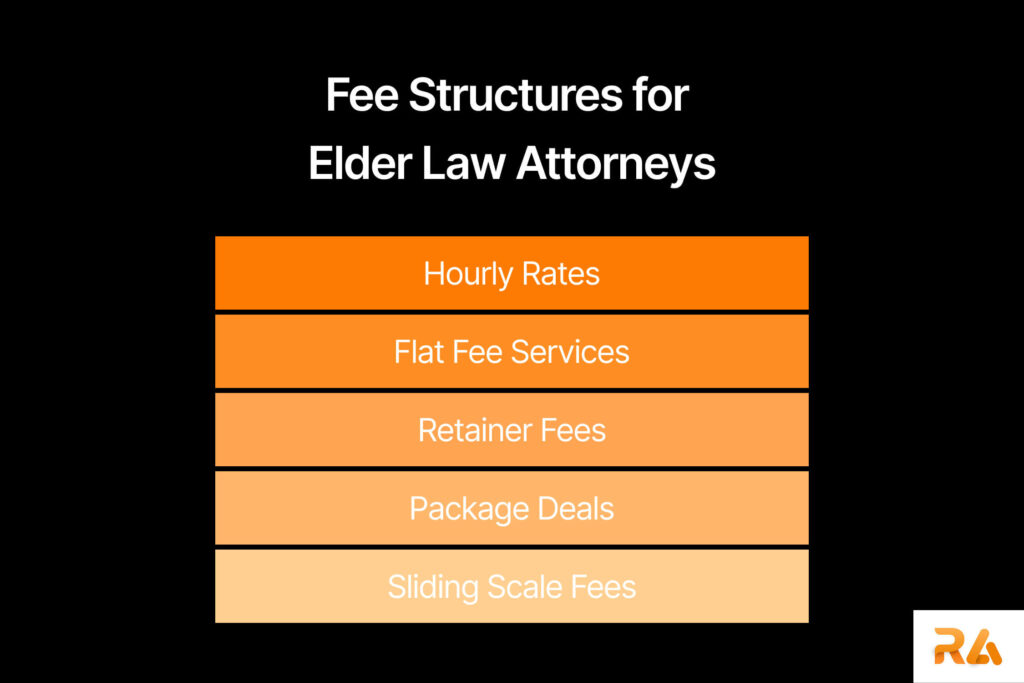
Planning for your future or caring for aging family members often requires specialized legal guidance. Understanding how much do elder law attorneys charge is crucial for budgeting and making informed decisions about legal services. Elder law attorneys provide essential services including estate planning, Medicaid applications, guardianship proceedings, and long-term care planning, but their fees can vary significantly based on multiple factors.
The cost of elder law legal services has evolved considerably in recent years, with attorneys adapting their pricing structures to meet diverse client needs. Whether you’re seeking help with a simple will or complex asset protection strategies, knowing what to expect financially helps you prepare for these important legal investments in your family’s future.
Understanding Elder Law Attorney Pricing Models
Hourly Rate Structure for Elder Law Services
Most elder law attorneys charge hourly rates ranging from $200 to $500 per hour, with the specific rate depending on several key factors. This pricing model is particularly common for complex legal matters that require extensive research, negotiation, or ongoing representation. The hourly approach allows attorneys to charge fairly for the actual time invested in your case, whether it involves reviewing medical records for a disability claim or navigating intricate Medicaid planning requirements.
Senior attorneys with decades of experience and specialized certifications typically command higher hourly rates, often in the $400-500 range. Meanwhile, newer practitioners or those in smaller markets may charge closer to the $200-300 range. Geographic location plays a significant role in hourly pricing, with attorneys in major metropolitan areas generally charging more than those in rural communities due to higher overhead costs and market demands.
Support staff rates, including paralegals and legal assistants, typically range from $130-195 per hour, offering a more cost-effective option for routine tasks like document preparation and case management. Many law firms strategically utilize experienced support staff to keep overall costs manageable while maintaining service quality.
Flat Fee Services and Fixed Pricing
Flat fee arrangements typically range from $1,000 to $5,000 depending on the service provided. This pricing structure has become increasingly popular for standardized legal services where the scope of work is predictable and well-defined. Common flat fee services include basic estate planning packages, simple will preparation, power of attorney documents, and healthcare directives.
Common legal tasks with flat fees include drafting living wills, trusts, and powers of attorney, with pricing ranging from $300 to $3,000. The flat fee approach provides clients with cost certainty upfront, eliminating concerns about escalating hourly charges. This pricing model works particularly well for clients who need specific documents prepared without extensive ongoing consultation or complex legal strategy development.
Estate planning packages that include multiple documents often provide better value than purchasing individual services separately. A comprehensive package might include a will, durable power of attorney, healthcare power of attorney, and advanced healthcare directive for a combined flat fee rather than charging separately for each document.
Consultation Fees and Initial Meeting Costs
Initial consultation fees typically range from $375-$425 per hour, with many attorneys requiring a minimum one-hour charge. Some attorneys offer free initial consultations, particularly for straightforward matters, while others charge their standard hourly rate from the first meeting. The consultation fee structure often reflects the attorney’s approach to client relationships and case evaluation processes.
Some law firms charge a $500 initial consultation fee for comprehensive case evaluations that include detailed analysis of your situation and preliminary recommendations. This investment in a thorough initial consultation can provide valuable insights into your legal options and help you make informed decisions about proceeding with representation.
Suggested read: Charge Air Cooler System: Enhancing Engine Performance and Efficiency
During the initial consultation, experienced elder law attorneys typically assess your situation, explain relevant legal options, provide preliminary cost estimates, and outline potential strategies. This meeting serves as both an evaluation of your case and an opportunity to determine if the attorney’s expertise aligns with your needs and budget.
Factors That Influence How Much Elder Law Attorneys Charge
Geographic Location and Market Variations
Attorney fees vary dramatically based on geographic location, with urban areas typically commanding higher rates than rural communities. Major metropolitan areas like New York, Los Angeles, and San Francisco often see hourly rates at the upper end of the spectrum due to higher operating costs, increased demand for services, and greater complexity of cases. Attorneys practicing in these markets must account for expensive office space, higher staff salaries, and elevated business expenses.
Rural and smaller city attorneys may offer more competitive rates while still providing excellent service quality. However, the trade-off might be limited availability of highly specialized expertise or fewer attorneys with specific certifications in elder law. Understanding your local market helps set realistic expectations for legal fees and enables better budgeting for required services.
Regional variations also exist within states, with county-by-county differences reflecting local economic conditions and competition levels. Some attorneys adjust their fees based on client location, offering reduced rates for clients in economically disadvantaged areas while maintaining standard pricing for affluent communities.
Attorney Experience and Specialization Level
Experience level significantly impacts how much elder law attorneys charge for their services. Attorneys with 20+ years of experience and board certifications in elder law or estate planning typically charge premium rates reflecting their accumulated expertise and proven track record. These seasoned professionals often handle the most complex cases involving multi-million-dollar estates, intricate family dynamics, or challenging Medicaid qualification scenarios.
Mid-level attorneys with 5-15 years of experience often provide an excellent balance between expertise and affordability. They typically have developed efficient processes for common elder law matters while still offering personalized attention and competitive pricing. These attorneys often represent the sweet spot for clients seeking quality representation without premium pricing.
Newer attorneys or those transitioning into elder law may offer reduced rates as they build their practice and gain experience. While they may lack the extensive experience of senior practitioners, they often provide enthusiastic service and stay current on the latest legal developments and technological tools.
Case Complexity and Service Requirements
The complexity of your legal situation directly influences attorney fees and service requirements. Simple document preparation like basic wills or powers of attorney requires minimal attorney time and typically falls into flat fee categories. However, complex estate planning involving business interests, multiple properties, or family conflicts requires extensive attorney involvement and typically involves hourly billing.
Complex tasks like Medicaid applications and comprehensive estate planning are more expensive than simple document preparation. Medicaid planning cases often involve detailed asset analysis, strategic timing considerations, and ongoing monitoring to ensure compliance with changing regulations. These cases may span several months or years, requiring sustained attorney involvement and expertise.
Contested proceedings like guardianship disputes or will contests require litigation skills and courtroom representation, significantly increasing legal costs. These cases involve discovery processes, expert witness coordination, and extensive court appearances that multiply the time investment beyond standard transactional work.
Common Elder Law Services and Their Associated Costs
Estate Planning and Document Preparation
Basic estate planning services form the foundation of most elder law practices, with predictable pricing structures for common documents. Simple will preparation typically costs between $500-1,500 depending on complexity and attorney experience level. More sophisticated wills involving trust provisions, business interests, or tax planning strategies may cost $2,000-5,000 or require hourly billing for complex situations.
Suggested read: Silver Charger Plates in Action: 5 Real-World Case Studies That Prove Their Impact on Events and Hospitality
Power of attorney documents, including both financial and healthcare versions, typically range from $300-800 per document or $500-1,200 for comprehensive packages including both types. These essential documents require careful customization to reflect your specific preferences and state law requirements, justifying the professional fees involved in proper preparation.
Trust creation and funding represents a more complex service category, with costs ranging from $2,000-10,000+ depending on trust type and complexity. Revocable living trusts for basic estate planning typically fall on the lower end of this range, while irrevocable trusts for asset protection or tax planning require more sophisticated drafting and higher fees.
Medicaid Planning and Long-Term Care Strategy
Medicaid planning represents one of the most complex areas of elder law, requiring detailed knowledge of federal and state regulations that change frequently. Initial Medicaid assessments and planning strategies typically cost $2,000-5,000 for comprehensive analysis and implementation. This investment often saves families tens of thousands of dollars in long-term care costs by properly structuring assets for Medicaid eligibility.
Medicaid application preparation and submission typically involves flat fees ranging from $3,000-7,000, depending on case complexity and required documentation. The application process involves gathering extensive financial records, coordinating with care facilities, and ensuring compliance with look-back period requirements and asset transfer rules.
Long-term care insurance analysis and coordination services may be included in comprehensive Medicaid planning or billed separately at hourly rates. These services help families understand insurance benefits, coordinate with Medicaid benefits, and develop strategies for managing care costs over time.
Guardianship and Conservatorship Proceedings
Guardianship proceedings require court involvement and typically involve both initial petition costs and ongoing representation throughout the legal process. Initial guardianship petitions typically cost $3,000-8,000 depending on court requirements, medical evaluations needed, and potential family disputes. These proceedings involve substantial paperwork, court appearances, and coordination with medical professionals and court-appointed evaluators.
Contested guardianship cases can significantly increase costs, particularly when family members disagree about the need for guardianship or the appropriate guardian selection. These cases may require expert witness testimony, extensive discovery, and multiple court hearings, potentially costing $10,000-25,000 or more depending on complexity and duration.
Ongoing guardianship administration typically involves annual reporting requirements and periodic court reviews, usually handled on an hourly basis or through annual flat fee arrangements. These ongoing costs should be factored into long-term financial planning when considering guardianship options.
Regional Variations in Elder Law Attorney Fees
Urban vs. Rural Pricing Differences
Metropolitan areas consistently show higher attorney fees compared to rural communities, reflecting both higher business costs and increased demand for specialized services. Urban elder law attorneys often handle more complex cases involving sophisticated financial instruments, business interests, and higher-value estates, justifying premium pricing structures.
Rural attorneys may offer more personalized service and lower fees but might have limited experience with complex Medicaid planning or sophisticated estate strategies. However, many rural attorneys maintain high competency levels while offering more accessible pricing for their communities. The key is finding the right balance between expertise and affordability for your specific needs.
Some attorneys practice in both urban and rural markets, adjusting their fees based on client location and local economic conditions. This approach allows them to serve diverse communities while maintaining sustainable business practices across different market segments.
Suggested read: Silver Charger Plates: Frequently Asked Questions — Your Complete Guide to Buying, Using, and Caring for Them
State-by-State Fee Variations
State regulations and Medicaid rules create significant variations in elder law attorney fees across different jurisdictions. States with more complex Medicaid regulations or frequent rule changes often see higher attorney fees due to increased expertise requirements and ongoing education needs. California, New York, and Florida, with their large elder populations and complex regulations, often command higher fees than states with simpler regulatory environments.
States with established elder law bar certifications may see higher fees from certified attorneys who have invested significant time and resources in specialized training and continuing education requirements. However, these certifications often correlate with higher service quality and better outcomes for complex cases.
Regional economic factors also influence pricing, with states experiencing high costs of living generally seeing higher attorney fees across all practice areas, including elder law. Understanding your state’s typical fee ranges helps establish realistic budget expectations and enables better attorney selection decisions.
Hidden Costs and Additional Expenses to Consider
Court Filing Fees and Administrative Costs
Beyond attorney fees, elder law matters often involve substantial court filing fees and administrative expenses that clients should anticipate. Guardianship proceedings typically require filing fees ranging from $200-500, plus costs for medical evaluations, background checks, and court-appointed attorney fees that can add $1,000-3,000 to overall case expenses.
Probate proceedings involve court costs that vary by estate value and state requirements, often ranging from $500-2,000 in filing fees alone. Additional costs may include publication requirements, appraisal fees, and accounting expenses that can significantly impact the total cost of estate administration.
Document recording fees, notarization costs, and certified copy expenses may seem minor individually but can accumulate to several hundred dollars over the course of a comprehensive legal matter. Discussing these potential expenses upfront helps avoid surprises and enables proper financial planning.
Expert Witness and Professional Service Fees
Complex elder law cases often require expert witnesses or professional consultations that add to overall costs. Medical experts for guardianship proceedings typically charge $500-2,000 for evaluations and testimony, depending on their specialization and the complexity of the case. Financial experts for estate valuations or Medicaid planning may charge similar amounts for their professional opinions.
Accounting services for estate administration or tax planning can range from $150-400 per hour, depending on the accountant’s experience and the complexity of financial issues involved. These services often prove essential for proper compliance with tax requirements and regulatory obligations.
Professional trustees, care managers, or other specialized professionals may become necessary during the course of representation, adding ongoing costs that should be considered in long-term planning. While these services provide valuable expertise, their costs should be factored into overall budget planning.
Ways to Reduce Elder Law Attorney Costs
Preparation and Organization Strategies
Thorough preparation significantly reduces attorney time requirements and associated costs. Organizing financial documents, medical records, and family information before initial consultations allows attorneys to work more efficiently and provide more accurate cost estimates. Creating comprehensive lists of assets, debts, and family members with contact information streamlines the initial assessment process.
Preparing specific questions and goals before meetings ensures productive use of attorney time and reduces unnecessary consultation expenses. Writing down your concerns and objectives helps maintain focus during meetings and ensures all important topics are addressed efficiently.
Suggested read: Silver Charger Plates in Action: 5 Real-World Case Studies That Prove Their Impact on Events and Hospitality
Gathering required documents proactively, such as tax returns, bank statements, and insurance policies, prevents delays and reduces attorney time spent requesting and reviewing materials. Many routine document collection tasks can be handled by clients or family members rather than billable attorney time.
Working with Support Staff Effectively
Many elder law firms utilize experienced paralegals and legal assistants who can handle routine tasks at reduced hourly rates compared to attorney time. Document preparation, initial client interviews, and routine communication can often be managed by qualified support staff while maintaining service quality and reducing overall costs.
Understanding which tasks require attorney involvement versus support staff capabilities helps optimize cost efficiency. Routine questions, status updates, and document reviews often can be handled by experienced paralegals, reserving attorney time for complex legal analysis and strategy development.
Building relationships with support staff and communicating clearly about your needs and concerns enables more efficient case management. Support staff often have extensive experience with common elder law procedures and can provide valuable guidance while reserving attorney time for situations requiring legal expertise.
Timing and Strategic Planning Considerations
Early planning significantly reduces elder law costs by avoiding crisis situations that require immediate attorney intervention. Proactive estate planning and Medicaid strategy development typically cost less than emergency guardianship proceedings or rushed asset protection strategies implemented during health crises.
Understanding Medicaid look-back periods and planning timelines enables strategic timing of legal interventions that maximize benefits while minimizing legal costs. Planning five years before anticipated Medicaid need allows for more comprehensive strategies that might reduce legal fees through simplified application processes.
Coordinating legal planning with financial and healthcare decisions creates synergies that may reduce overall costs while improving outcomes. Working with financial advisors, accountants, and healthcare professionals in conjunction with elder law attorneys often produces more cost-effective comprehensive planning strategies.
Questions to Ask Before Hiring an Elder Law Attorney
Fee Structure and Billing Practices
Understanding exactly how much elder law attorneys charge requires asking detailed questions about fee structures and billing practices before engaging representation. Request written fee agreements that clearly outline hourly rates, flat fee services, and any additional expenses that may be incurred during representation. Understanding minimum billing increments, such as quarter-hour or six-minute intervals, helps predict actual costs for brief consultations or phone calls.
Ask about payment schedules and whether retainer fees are required upfront before work begins. Some attorneys require substantial retainers for complex cases, while others work on a pay-as-you-go basis for simpler matters. Understanding payment expectations prevents misunderstandings and enables proper financial planning for legal services.
Inquire about fee estimates for your specific situation and what factors might cause costs to exceed initial projections. Experienced attorneys can usually provide reasonable estimates based on similar cases, helping you budget appropriately for legal expenses while understanding potential cost variables.
Experience and Specialization Questions
Ask potential attorneys about their specific experience with cases similar to yours and their success rates with comparable situations. An attorney who regularly handles Medicaid planning cases will likely work more efficiently than one who occasionally takes these matters, potentially reducing your overall costs despite similar hourly rates.
Suggested read: Optimizing Marketing Strategies for Automatic Charging Solutions
Inquire about board certifications, continuing education, and professional associations related to elder law. Attorneys who invest in specialized training and certification often provide more efficient service and better outcomes, potentially justifying higher fees through improved results and reduced time requirements.
Ask for references from recent clients with similar legal needs, understanding that confidentiality requirements may limit the information available. However, many attorneys can provide general feedback about client satisfaction and case outcomes that help evaluate their suitability for your situation.
Communication and Service Delivery Expectations
Establish clear expectations about communication frequency, response times, and preferred communication methods before engaging representation. Understanding whether the attorney personally handles client communications or delegates to support staff helps set appropriate expectations and may influence your comfort level with the arrangement.
Ask about case progress reporting and how you’ll be kept informed about developments in your matter. Some attorneys provide detailed written updates, while others prefer phone conferences or in-person meetings. Aligning communication styles reduces frustration and ensures efficient information exchange.
Discuss timeline expectations for document preparation, court filings, and case resolution based on the attorney’s current workload and case complexity. Realistic timeline discussions help manage expectations and may influence your decision about which attorney to hire based on your urgency requirements.
Alternative Options for Elder Law Legal Services
Limited Scope Representation
Limited scope representation allows clients to hire attorneys for specific tasks rather than full case representation, potentially reducing overall legal costs for clients who can handle some aspects of their legal matters independently. This approach works particularly well for document review, court appearances, or specific legal advice while leaving routine tasks to clients or family members.
Many elder law attorneys offer unbundled services such as document preparation only, consultation and advice only, or court representation only, depending on client needs and capabilities. This flexibility enables clients to match legal services precisely to their requirements and budget constraints.
Understanding which aspects of your legal matter require professional expertise versus tasks you can handle yourself helps determine whether limited scope representation might reduce your overall costs while still ensuring proper legal compliance and protection.
Legal Aid and Nonprofit Organizations
Many organizations offer reduced-fee legal consultations, elder law clinics and workshops for low-income individuals, including AARP’s Legal Services. These programs often provide basic estate planning services, Medicaid application assistance, and legal advice at significantly reduced costs for qualifying individuals.
Area Agencies on Aging frequently sponsor legal clinics and educational programs that provide basic legal information and referrals to qualified elder law attorneys. While these services may not replace comprehensive legal representation, they often provide valuable initial guidance and help identify specific legal needs.
Bar association programs in many states offer reduced-fee legal services for seniors or low-income individuals, including elder law matters. These programs typically involve experienced attorneys who volunteer their time or provide services at reduced rates as part of professional service commitments.
Suggested read: The Leading Figures Driving the Evolution of Automated Charging Systems
Online Legal Services and Technology Solutions
Technology platforms increasingly offer elder law document preparation services at reduced costs compared to traditional attorney representation. While these services work well for straightforward situations, they may not provide adequate protection for complex family or financial situations requiring customized legal strategies.
Online legal services typically offer basic estate planning documents, powers of attorney, and advance directives at flat fees significantly lower than traditional attorney services. However, users should carefully evaluate whether standardized documents meet their specific needs and state law requirements.
Hybrid approaches combining online document preparation with limited attorney review often provide cost-effective solutions for clients who need professional oversight without full representation. These services typically cost more than purely online solutions but less than traditional legal representation while providing some professional guidance.
Industry Trends Affecting Elder Law Attorney Pricing
Technology Integration and Efficiency Improvements
Modern law firms increasingly utilize technology to improve efficiency and reduce costs for routine elder law services. Document assembly software, client portals, and automated communication systems enable attorneys to handle more cases efficiently, potentially stabilizing or reducing fees for standardized services while maintaining service quality.
Electronic document execution, remote notarization, and virtual consultations have reduced overhead costs for many elder law practices, enabling more competitive pricing while expanding service accessibility for clients with mobility or geographic limitations. These technological improvements often translate into cost savings for clients.
Artificial intelligence and legal research automation tools help attorneys research complex issues more efficiently, potentially reducing time requirements for case analysis and legal strategy development. While these tools require investment, they often enable more competitive pricing for complex legal services.
Regulatory Changes and Compliance Requirements
Evolving Medicaid regulations and estate planning law changes require ongoing attorney education and expertise updates that may influence pricing structures. Attorneys must invest significant time staying current with regulatory changes, which may impact fee structures but ultimately benefits clients through more accurate and effective legal strategies.
New compliance requirements for estate planning and elder law services may increase administrative burdens and associated costs, but they also ensure better consumer protection and service quality. Understanding how regulatory changes affect legal service delivery helps clients make informed decisions about legal representation timing and scope.
Professional certification requirements and continuing education mandates ensure attorney competency but also represent business costs that influence fee structures. These investments in professional development ultimately benefit clients through improved service quality and current expertise.
Making Informed Decisions About Elder Law Legal Costs
Budgeting for Elder Law Services
Creating realistic budgets for elder law services requires understanding both immediate and ongoing legal costs associated with aging and family care responsibilities. Initial estate planning costs typically range from $1,000-5,000 for basic services, with more complex planning requiring larger investments that often prove cost-effective compared to crisis intervention expenses.
Long-term care planning budgets should account for both legal fees and implementation costs such as insurance premiums, care management services, and ongoing legal maintenance requirements. Comprehensive planning typically requires larger upfront investments but often reduces overall lifetime costs through strategic preparation.
Suggested read: Exploring the Latest Market Trends in Automatic Charging Technologies for 2026
Emergency legal services typically cost significantly more than proactive planning due to time constraints and crisis management requirements. Budgeting for preventive legal services often provides better value than waiting for urgent situations that require immediate professional intervention.
Evaluating Cost vs. Value Considerations
The value of elder law services extends beyond immediate costs to include long-term financial protection, family peace of mind, and legal compliance assurance. Proper Medicaid planning may cost $3,000-7,000 but can preserve tens of thousands of dollars in assets for family inheritance while ensuring appropriate care funding.
Quality estate planning prevents family conflicts, reduces probate costs, and ensures wishes are properly implemented, often saving far more than the initial legal investment. Consider the potential costs of inadequate planning, including family disputes, court proceedings, and lost asset protection opportunities.
Professional elder law guidance often provides access to strategies and opportunities that clients cannot identify independently, potentially saving significant money and providing better outcomes than self-directed approaches. The expertise and experience of qualified attorneys often justify their fees through improved results and reduced risks.
Long-term Financial Planning Integration
Elder law services should integrate with broader financial planning strategies to maximize effectiveness and minimize overall costs. Coordinating legal planning with financial advisors, accountants, and insurance professionals often produces synergistic benefits that exceed the sum of individual professional services.
Understanding the interaction between legal strategies and tax implications, insurance benefits, and government program eligibility helps optimize overall planning effectiveness while potentially reducing costs through coordinated professional services rather than duplicated efforts.
Regular legal plan updates and maintenance typically cost less than comprehensive plan overhauls when family circumstances or legal requirements change. Establishing ongoing relationships with elder law attorneys often provides cost-effective access to expertise as needs evolve over time.
Taking Action: Your Next Steps for Elder Law Planning
Immediate Actions to Take Today
Start by inventorying your current legal documents and identifying gaps in your elder law planning that require professional attention. Basic estate planning documents like wills and powers of attorney should be reviewed every 3-5 years or after major life changes to ensure they remain current and effective.
Research elder law attorneys in your area and schedule initial consultations to understand your options and associated costs. Most attorneys offer initial consultations that provide valuable information about your situation and help you make informed decisions about legal representation needs and timing.
Gather important financial and legal documents that will be needed for elder law planning, including tax returns, asset statements, insurance policies, and existing legal documents. This preparation enables more productive attorney consultations and may reduce overall legal costs through improved efficiency.
Building Your Elder Law Support Team
Consider assembling a team of professional advisors including elder law attorneys, financial planners, accountants, and insurance specialists who can work together to address your comprehensive planning needs. Coordinated professional services often provide better outcomes than working with individual professionals independently.
Suggested read: A Step-by-Step Guide to Creating Your Own Automated Charging Point
Ready to take the next step in your elder law planning? Understanding how much elder law attorneys charge is just the beginning of protecting your family’s future. Contact qualified elder law attorneys in your area today to discuss your specific needs and develop strategies that provide both legal protection and financial security for years to come.
For more information about related legal matters, you might also want to understand ovi charge implications and their potential impact on your legal planning needs.
Frequently Asked Questions About Elder Law Attorney Costs
How much do elder law attorneys charge for a basic will? Elder law attorneys typically charge between $500-1,500 for basic will preparation, with flat fees ranging from $1,000 to $5,000 for more comprehensive estate planning services. Simple wills fall on the lower end of this range, while complex wills involving trusts or tax planning cost more.
Do elder law attorneys offer free consultations? Some elder law attorneys offer free initial consultations, while others do not. Before your consultation, ask about any up-front costs. Many attorneys charge their standard hourly rate for initial consultations, typically ranging from $200-500 for the first meeting.
What factors affect how much elder law attorneys charge? Attorney experience, geographic location, case complexity, and service type significantly influence elder law attorney fees. The intricacy of your legal needs also affects costs, with simple tasks like drafting a will being less expensive than complex estate planning or Medicaid applications.
Are elder law attorney fees tax deductible? Elder law attorney fees may be tax deductible in certain circumstances, particularly for estate planning, tax advice, and business-related legal services. Consult with your tax professional to determine which legal fees qualify for deductions based on your specific situation.
How much do elder law attorneys charge for Medicaid planning? Medicaid planning services typically cost $2,000-7,000 depending on case complexity and required services. This investment often saves families significantly more money by properly structuring assets for Medicaid eligibility while preserving family inheritance opportunities.
Can I negotiate elder law attorney fees? Some attorneys may be willing to discuss fee arrangements, particularly for extensive legal work or clients with financial constraints. However, many attorneys maintain fixed fee structures for standardized services. It’s appropriate to ask about payment plans or alternative fee arrangements during initial consultations.
What’s the difference between hourly and flat fee pricing for elder law services? Hourly rates range from $200 to $500 per hour and are used for complex or unpredictable legal matters, while flat fees ranging from $1,000 to $5,000 are typically used for standardized services with predictable scope. Flat fees provide cost certainty, while hourly billing reflects actual time invested in your case.