The electric vehicle revolution is here, and Ford is leading the charge with its comprehensive Blue Oval Charge Network. If you’re a Ford EV owner or considering making the switch to electric, understanding this charging ecosystem is crucial for maximizing your vehicle’s potential and ensuring you never get stranded without power. The Blue Oval Charge Network represents Ford’s commitment to making EV ownership as convenient and stress-free as possible, offering access to over 106,000 charging stations across North America. This extensive network combines multiple charging providers into one seamless platform, eliminating the hassle of juggling multiple apps and memberships while you’re on the road.
What Is the Blue Oval Charge Network?
The Blue Oval Charge Network is Ford’s integrated electric vehicle charging solution that provides owners of Ford electric vehicles with unprecedented access to charging infrastructure throughout the United States, Canada, and Mexico. Launched as part of Ford’s ambitious electrification strategy, this network serves as a one-stop solution for all your EV charging needs, whether you’re commuting to work, running errands around town, or embarking on a cross-country road trip. The network operates through the FordPass app, which allows drivers to locate charging stations, initiate charging sessions, and pay for electricity all from their smartphone without needing multiple apps or RFID cards cluttering their wallet.
What sets the Blue Oval Charge Network apart from competitors is its collaborative approach to charging infrastructure. Rather than building its own exclusive network from scratch, Ford partnered with major charging providers including ChargePoint, Electrify America, EVgo, Greenlots, and most significantly, Tesla’s Supercharger network. This strategic decision means Ford EV owners get the best of all worlds – access to the largest and most reliable charging networks without being limited to a single provider’s infrastructure. The network includes both Level 2 chargers for everyday use and DC fast chargers capable of adding significant range in minutes rather than hours, making long-distance travel in a Ford EV genuinely practical.
Key Features of Blue Oval Charge Network
The blue oval charge network offers several standout features that enhance the ownership experience for Ford electric vehicle drivers:
- Unified Access: One account provides access to multiple charging networks, eliminating the need to create separate accounts with different providers
- FordPass Integration: Seamlessly integrated into the FordPass mobile app, allowing you to plan routes, locate chargers, and monitor charging sessions
- Tesla Supercharger Access: Ford EV owners can access Tesla’s extensive Supercharger network with a complimentary adapter
- Real-Time Availability: See which chargers are available, occupied, or out of service before you arrive
- Transparent Pricing: View charging costs upfront before starting a session, with no surprise fees
- Payment Consolidation: One monthly bill for all charging across different networks instead of separate charges from each provider
- Plug & Charge Technology: Compatible vehicles can automatically authenticate and start charging without scanning QR codes or using apps
How the Blue Oval Charge Network Works
Understanding how to use the blue oval charge network is straightforward, even if you’re new to electric vehicles. The entire system is designed around simplicity and user-friendliness, recognizing that charging anxiety is one of the biggest barriers preventing drivers from making the switch to electric. When you purchase or lease a Ford EV like the Mustang Mach-E, F-150 Lightning, or E-Transit, you automatically receive access to the Blue Oval Charge Network through your FordPass account. The activation process takes just minutes and doesn’t require any technical expertise or complicated setup procedures.
To begin using the network, you’ll first download the FordPass app on your smartphone if you haven’t already. Within the app, you’ll create or log into your Ford account and link your vehicle’s VIN number to your profile. Once connected, the app becomes your command center for all things charging-related. The home screen displays your vehicle’s current charge level, estimated range, and nearby charging stations. When you need to charge, simply tap on the charging station map to see all available locations in your area, filtered by charging speed, network provider, availability status, and even amenities like restrooms, restaurants, or shopping nearby.
Step-by-Step Charging Process
Using a Blue Oval Charge Network station follows this simple process:
- Locate a Charger: Open the FordPass app and use the map feature to find nearby charging stations, or let the navigation system in your Ford EV recommend charging stops during long trips
- Check Availability: View real-time information about which charging stalls are available and what charging speeds they offer
- Navigate to Station: Use turn-by-turn directions within the app to reach your chosen charging location
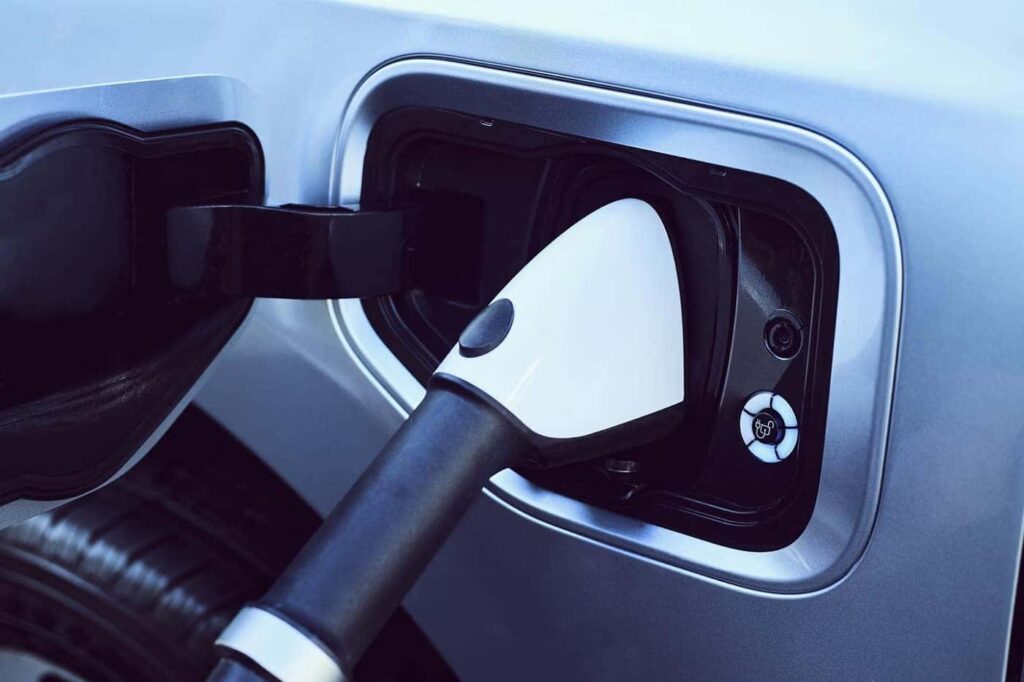
- Park and Plug In: Position your vehicle in the charging space and connect the charging cable to your vehicle’s charge port
- Authenticate: Either use the Plug & Charge feature for automatic authentication, scan the QR code on the charger, or tap “Start Charging” in the FordPass app
- Monitor Progress: Watch your charging session in real-time through the app, which shows charging speed, cost, and estimated time to completion
- Complete and Go: Receive a notification when charging is complete, unplug your vehicle, and continue your journey
Blue Oval Charge Network vs. Tesla Supercharger Access
One of the most significant developments in the blue oval charge network ecosystem is the partnership with Tesla, granting Ford EV owners access to over 15,000 Tesla Supercharger stations across North America. This collaboration, announced in 2023 and implemented in early 2024, fundamentally changed the competitive landscape for EV charging by opening up the industry’s most extensive and reliable fast-charging network to non-Tesla vehicles. Ford became the first major automaker to secure this access, demonstrating the company’s commitment to eliminating range anxiety and making EV ownership more practical for mainstream consumers who may have been hesitant about charging infrastructure limitations.
The Tesla Supercharger integration works through a specially designed adapter that Ford provides to owners of existing EVs free of charge. This adapter converts Tesla’s North American Charging Standard (NACS) connector to work with Ford’s Combined Charging System (CCS) port found on current Ford electric vehicles. Future Ford EVs, starting with models produced in 2025, will come equipped with native NACS ports, eliminating the need for an adapter altogether. The charging experience at Tesla Superchargers is remarkably seamless – Ford owners simply plug in the adapter, connect to their vehicle, and the Plug & Charge technology automatically handles authentication and billing through their FordPass account.
Charging Speed Comparison
| Charger Type | Power Output | Typical Charge Time (10-80%) | Best For |
|---|---|---|---|
| Level 1 (Home Outlet) | 1.4 kW | 40-50 hours | Overnight charging with minimal use |
| Level 2 (Home/Public) | 7-19 kW | 6-10 hours | Daily charging, workplace, home |
| DC Fast Charging (CCS) | 50-150 kW | 35-45 minutes | Road trips, quick top-ups |
| Tesla Supercharger | 150-250 kW | 25-35 minutes | Long-distance travel, fastest option |
Benefits of the Blue Oval Charge Network for Ford EV Owners
The blue oval charge network delivers tangible benefits that directly address the primary concerns potential EV buyers express about electric vehicle ownership. According to a 2024 study by J.D. Power, charging infrastructure availability and reliability ranked as the second-highest concern among prospective EV buyers, trailing only vehicle price. Ford’s approach to solving this challenge through partnership rather than exclusivity means their customers enjoy broader charging options than they would with a proprietary network, while still maintaining the convenience of unified billing and account management that makes the ownership experience feel cohesive and thoughtfully designed.
Suggested read: Take Charge Live Well: Your Gateway to Employee Wellness and Health Benefits
Cost savings represent another compelling advantage of the Blue Oval Charge Network. Ford negotiated preferential rates with many network partners, passing those savings directly to customers. While charging prices vary by location, time of day, and network provider, Ford EV owners consistently pay less than non-members at many stations. Additionally, Ford frequently offers promotional credits and free charging periods to new EV buyers, sometimes including up to 250 kilowatt-hours of complimentary charging at Electrify America stations. These incentives can amount to hundreds of dollars in savings during the first year of ownership, significantly offsetting the higher upfront cost of electric vehicles compared to their gasoline counterparts.
Real-World Cost Analysis
Consider this practical example: Sarah drives a Ford Mustang Mach-E with a 91 kWh battery pack in Los Angeles, California. Her daily commute is 45 miles roundtrip, requiring approximately 15 kWh of electricity. Using the Blue Oval Charge Network at various public Level 2 chargers near her workplace, she pays an average of $0.35 per kWh, totaling $5.25 per day or roughly $110 per month for charging.
In contrast, her previous Honda CR-V averaged 28 mpg and required $180 monthly in gasoline at California’s average price of $4.50 per gallon. The blue oval charge network saves Sarah approximately $70 monthly, or $840 annually, even while using public charging exclusively. If she had home charging capability with residential electricity rates averaging $0.15 per kWh, her savings would increase to over $140 monthly compared to gasoline.
Coverage and Availability of Blue Oval Charge Network Stations
The geographic reach of the Blue Oval Charge Network spans the entire North American continent with particular density in urban areas and along major highway corridors. As of January 2025, the network encompasses over 106,000 individual charging points at approximately 32,000 unique locations. This infrastructure includes everything from Level 2 chargers at shopping centers and office buildings to high-power DC fast chargers strategically positioned along interstate highways for long-distance travel. The network continues expanding rapidly, with thousands of new charging points added quarterly as partner networks grow their infrastructure and new partnerships are established.
Urban and suburban coverage is particularly robust, with most metropolitan areas featuring charging stations every few miles. Cities like Los Angeles, New York, San Francisco, Seattle, Chicago, and Austin have especially dense charging infrastructure, often with multiple charging options within walking distance of most destinations. This density makes EV ownership practical even for apartment dwellers who lack dedicated home charging, as reliable public charging is readily accessible for daily use. Rural coverage has historically lagged behind urban areas, but the Blue Oval Charge Network’s inclusion of Tesla Superchargers dramatically improved accessibility in previously underserved regions, particularly across the Great Plains, Mountain West, and rural Canada.
Top 10 States by Blue Oval Charge Network Density
- California: Over 18,000 charging points with exceptional coverage in Los Angeles, San Francisco Bay Area, and San Diego
- Texas: Approximately 8,500 charging points concentrated in Houston, Dallas-Fort Worth, Austin, and San Antonio
- Florida: Around 7,200 charging points serving Miami, Tampa, Orlando, and Jacksonville metro areas
- New York: Nearly 6,800 charging points with dense networks in New York City, Long Island, and upstate corridors
- Washington: Roughly 4,500 charging points with excellent Seattle-area coverage and I-5 corridor support
- Colorado: About 3,200 charging points including mountain town access for outdoor enthusiasts
- Georgia: Approximately 3,000 charging points heavily concentrated in metro Atlanta
- Illinois: Around 2,800 charging points with Chicago leading in availability
- Massachusetts: Nearly 2,600 charging points serving Boston and eastern Massachusetts
- Oregon: Roughly 2,400 charging points with Portland and Willamette Valley concentration
Blue Oval Charge Network Pricing and Membership Plans
Understanding the cost structure of the blue oval charge network is essential for budgeting your EV ownership expenses and making informed decisions about where and when to charge. Unlike gasoline pricing, which is relatively standardized with visible street-side price boards, EV charging costs vary significantly based on multiple factors including the charging network provider, charging speed, time of day, location, and whether you’re a member of any special pricing plans. The FordPass app displays pricing information before you start charging, ensuring transparency and allowing you to make cost-effective choices about which charger to use when multiple options are available in your area.
Pricing models typically fall into three categories across the Blue Oval Charge Network partners. Per-kilowatt-hour pricing charges you based on the amount of electricity delivered to your vehicle, similar to how you pay for home electricity. This model is most common and ranges from $0.28 to $0.60 per kWh depending on the network and charging speed, with DC fast charging commanding premium rates. Per-minute pricing charges based on charging duration rather than energy delivered, which can be advantageous or disadvantageous depending on your vehicle’s charging curve and battery state.
Some networks also implement idle fees, typically $0.40 to $1.00 per minute, if you remain connected to a fast charger after your session completes, encouraging turnover and availability for other drivers.
Blue Oval Charging Network Partner Pricing Overview
| Network Partner | Level 2 Pricing | DC Fast Charging | Membership Option | Monthly Fee |
|---|---|---|---|---|
| ChargePoint | $0.28-$0.38/kWh | $0.38-$0.48/kWh | ChargePoint Pass | $4.99 (10% discount) |
| Electrify America | N/A | $0.43-$0.48/kWh | Pass+ Membership | $4.00 (reduced rates) |
| EVgo | $0.32-$0.40/kWh | $0.40-$0.56/kWh | Basic Membership | Free (standard rates) |
| Tesla Supercharger | N/A | $0.45-$0.55/kWh | Via FordPass | No additional fee |
| Blink | $0.30-$0.35/kWh | $0.49-$0.59/kWh | Blink Member | $6.99 (discounts) |
Setting Up Your Blue Oval Charge Network Account
Getting started with the Blue Oval Charge Network requires minimal setup time and technical knowledge, making it accessible even for drivers who aren’t particularly tech-savvy. The entire activation process takes approximately 10-15 minutes and can be completed entirely from your smartphone without visiting a dealership or calling customer service. Ford designed the onboarding experience to be intuitive and welcoming, recognizing that many new EV owners are navigating unfamiliar territory and may feel overwhelmed by the transition from traditional gasoline vehicles to electric power.
Begin by downloading the FordPass application from the Apple App Store or Google Play Store depending on your smartphone platform. The app is free and doesn’t require a Ford vehicle to download, though you’ll need one to access the full suite of features. Once installed, open the app and either create a new Ford account or sign in with existing credentials if you’ve previously used Ford services.
The account creation process requests basic information including your name, email address, phone number, and a secure password. After verifying your email address through a confirmation link, you’ll be prompted to add your vehicle by entering the 17-character VIN number found on your vehicle registration, insurance card, or on a metal plate visible through the driver’s side windshield.
Suggested read: A Step-by-Step Guide to Creating Your Own Automated Charging Point
Account Setup Checklist
- Download FordPass App: Available for iOS 12.0+ and Android 8.0+ devices
- Create Ford Account: Use a secure password and enable two-factor authentication for security
- Add Vehicle VIN: Links your specific Ford EV to your account for vehicle-specific features
- Enable Location Services: Allows the app to show nearby chargers and provide accurate navigation
- Add Payment Method: Credit card, debit card, or PayPal for charging session billing
- Customize Notifications: Set preferences for charge completion alerts, low battery warnings, and promotional offers
- Request Tesla Adapter: For eligible vehicles, submit your adapter request through the app
- Review Network Partners: Familiarize yourself with available charging networks in your area
- Plan First Route: Practice using the trip planner feature before your first long journey
Blue Oval Charge Network App Features and Functionality
The FordPass application serves as the central hub for all blue oval charge network interactions, offering a comprehensive suite of features that extend far beyond simple charge station location. Ford continuously updates the app with new functionality based on user feedback and technological advancements, ensuring it remains competitive with standalone EV charging apps while providing unique integration with your Ford vehicle that third-party apps cannot match. The interface balances simplicity for basic tasks with depth for users who want granular control over their charging strategy and vehicle settings.
Navigation and route planning represent some of the app’s most valuable capabilities, especially for drivers tackling long-distance trips where charging stops must be strategically planned. Enter your destination, and the FordPass app calculates not just the fastest route but the most efficient one considering your current charge level, expected energy consumption based on terrain and weather, and optimal charging stop locations. The algorithm factors in charger availability, charging speeds, and even predicts wait times at popular stations based on historical usage patterns. You can customize preferences to prioritize fastest charging, lowest cost, or specific amenities, and the app automatically updates recommendations if you deviate from the planned route or if charging station status changes during your journey.
Essential FordPass App Features for Charging
Trip Planning and Navigation The integrated trip planner accounts for your vehicle’s current state of charge, expected energy consumption, weather conditions, and real-time charging station availability. Unlike basic navigation apps, it understands EV-specific needs like preconditioning the battery for optimal charging speeds and routing you to reliable, high-power chargers. The system learns from your driving patterns and adjusts range estimates accordingly, becoming more accurate over time.
Real-Time Charging Station Information Every charging location in the Blue Oval Charge Network displays comprehensive details including available connectors, power levels, current availability status, pricing information, user ratings and reviews, and nearby amenities. You can filter results by network provider, charging speed, availability status, or distance from your current location. The app even shows photos of many locations to help you identify the exact charger placement in large parking lots.
Remote Vehicle Monitoring Monitor your vehicle’s charging progress from anywhere with cellular coverage. The app displays current charge level, charging rate, cost accumulation, and estimated completion time. You’ll receive push notifications when charging begins, when your vehicle reaches specified charge levels (useful if you only need 80% charge), and when charging completes. This feature means you can leave your vehicle charging while you shop, dine, or work without constantly checking on progress.
Charging History and Analytics Track your charging patterns with detailed session history showing dates, locations, energy delivered, costs, and charging duration. Monthly and annual summaries help you understand your EV operating costs compared to what you would have spent on gasoline. This data proves particularly valuable at tax time if you’re claiming EV-related deductions or tracking business mileage reimbursement.
Comparing Blue Oval Charge Network to Competitors
The competitive landscape for EV charging networks includes several major players, each with distinct advantages and limitations. Understanding how the blue oval charge network compares to alternatives helps contextualize Ford’s strategy and explains why the company chose partnerships over building proprietary infrastructure. The three main competing approaches are automaker-specific networks like Tesla’s Supercharger network (now partially open), third-party networks like Electrify America and ChargePoint, and aggregator apps like PlugShare that show all available chargers but don’t necessarily provide unified billing or preferential access.
Tesla’s Supercharger network set the gold standard for EV charging with its reliability, speed, and convenience. Tesla owners enjoy seamless Plug & Charge functionality, competitive pricing, excellent station maintenance, and strategic placement along major travel routes. However, until recently, this network remained exclusively available to Tesla vehicles, limiting its utility for the broader EV market. Ford’s partnership with Tesla brings much of this advantage to Blue Oval Charge Network members while maintaining access to other networks, providing flexibility Tesla owners don’t enjoy without using third-party chargers. The trade-off is that Ford owners need an adapter for Supercharger access and occasionally encounter compatibility issues, though these are increasingly rare as the technology matures.
Network Comparison: Blue Oval vs. Major Competitors
Blue Oval Charge Network Advantages:
- Access to 106,000+ charging points across multiple networks through single account
- Includes exclusive Tesla Supercharger access for non-Tesla vehicles
- Consolidated billing across all network partners
- Deep integration with Ford vehicle systems and FordPass app
- Preferential pricing at select partner networks
- No long-term contracts or cancellation fees
Blue Oval Charge Network Limitations:
- Requires a Ford electric vehicle to access (cannot be used with other EV brands)
- Charging speeds depend on vehicle capability, not just charger output
- Some rural areas still have limited fast charging coverage
- Pricing varies significantly between networks and locations
- Requires smartphone for optimal experience
Competitor Alternative: Electrify America Electrify America operates one of North America’s largest DC fast charging networks with over 900 stations and 4,000 individual chargers. The network focuses on high-power charging with most stations offering 150 kW or higher, and many locations featuring 350 kW ultra-fast chargers. However, reliability has been inconsistent with some stations experiencing frequent outages or maintenance issues. Pricing without a membership plan can be higher than Blue Oval Charge Network rates, though Electrify America’s Pass+ subscription offers unlimited charging for a flat monthly fee, which can be cost-effective for high-mileage drivers.
Suggested read: Optimizing Your SP+Aff Charge Deployment Checklist
Competitor Alternative: ChargePoint ChargePoint operates the largest charging network in North America with over 33,000 locations, though most are Level 2 chargers rather than DC fast charging. This makes ChargePoint ideal for destination charging at workplaces, shopping centers, and hotels but less suitable for road trip fast charging. The network’s strength lies in its ubiquity and the fact that many ChargePoint stations are free or low-cost, particularly workplace chargers. ChargePoint stations are already included in the Blue Oval Charge Network, so Ford owners get the best of both worlds without choosing between them.
Real-World Experiences: Blue Oval Charge Network User Stories
Understanding how the blue oval charge network performs in real-world scenarios provides valuable insights beyond technical specifications and marketing claims. David Mitchell, a Ford F-150 Lightning owner from Denver, Colorado, shared his experience using the network during a 1,200-mile road trip from Denver to Yellowstone National Park and back. “I was honestly nervous about making this trip in an electric truck, especially through rural Wyoming where charging infrastructure is sparse,” David explained.
“But the FordPass app routed me through four charging stops, three of which were Tesla Superchargers that I accessed with my adapter. The entire trip went smoothly, and I actually spent less time charging than I expected because we took breaks for meals and sightseeing that aligned with charging needs.”
Maria Rodriguez operates a small delivery business in Los Angeles using two Ford E-Transit vans, and she relies heavily on the Blue Oval Charge Network for her commercial charging needs. “We don’t have the ability to install charging at our business location due to electrical limitations, so we depend entirely on public charging,” Maria noted. “The network has been a game-changer for our operations. We’ve identified several ChargePoint and Electrify America locations along our regular routes where we can top up during lunch breaks or between deliveries. The consolidated billing through FordPass makes accounting much simpler than juggling multiple charging network accounts, and the cost savings compared to diesel fuel have improved our profit margins significantly.”
Case Study: Long-Distance Travel with Mustang Mach-E
Jennifer and Thomas Chen documented their cross-country road trip from San Francisco to Boston in their Mustang Mach-E, covering 3,100 miles over eight days using exclusively the Blue Oval Charge Network. Their detailed log provides insights into real-world charging experiences:
Trip Statistics:
- Total distance: 3,147 miles
- Total charging sessions: 18 stops
- Total charging time: 7 hours 42 minutes
- Total charging cost: $287.63
- Equivalent gasoline cost (25 mpg @ $3.80/gal): $477.54
- Net savings: $189.91
Key Observations: The Chens found that combining Tesla Superchargers with Electrify America stations provided optimal routing through less-populated states like Nevada, Utah, and Nebraska. They experienced only one instance of a charger being out of service, and the FordPass app immediately rerouted them to an alternative location just 12 miles further. Charging sessions during meal times meant they rarely felt delayed by charging requirements, and the Mustang Mach-E’s ability to precondition the battery before arriving at fast chargers ensured they consistently achieved charging speeds above 120 kW when arriving with battery levels between 10-30%.
Blue Oval Charge Network for Commercial and Fleet Applications
Commercial fleets represent a rapidly growing segment of electric vehicle adoption, and the blue oval charge network offers solutions specifically tailored to business needs. Ford’s commercial division recognizes that fleet operators have different requirements than individual consumers, including centralized billing, detailed reporting for tax and accounting purposes, multiple driver management, and predictable operating costs. The Blue Oval Charge Network’s commercial program addresses these needs through Ford Pro Charging, which integrates public charging access with fleet management software and optional depot charging solutions for businesses that want both home base and on-route charging capabilities.
Fleet managers using Ford E-Transit vans, F-150 Lightning trucks, or upcoming commercial electric vehicles can provision FordPass accounts for all drivers within their organization, establishing spending limits, geographic restrictions, and usage policies. The administrative dashboard provides real-time visibility into all charging activity across the fleet, showing which vehicles are charging, where they’re located, how much energy they’re consuming, and projected costs. This granular data enables better route optimization, helps identify drivers who might benefit from additional EV training, and supports accurate job costing when charging expenses need to be attributed to specific clients or projects.
Fleet Charging Economics
Consider a delivery company operating 15 Ford E-Transit vans in the Chicago metropolitan area. Each van averages 85 miles daily, requiring approximately 30 kWh of charging. Using the Blue Oval Charge Network at an average cost of $0.38 per kWh, daily charging costs per vehicle total $11.40, or $171 monthly per van. For the entire 15-vehicle fleet, monthly charging costs approximately $2,565.
Comparable diesel vans averaging 18 mpg would consume 71 gallons monthly per vehicle at Chicago’s average diesel price of $3.95 per gallon, costing $280 monthly per van or $4,200 for the fleet. The electric fleet saves $1,635 monthly or $19,620 annually in fuel costs alone, before factoring in reduced maintenance expenses from fewer oil changes, brake replacements, and transmission services.
Suggested read: A Comprehensive Review: SP+Aff Charge vs. Traditional Charging Methods
Future Developments and Expansion Plans
The Blue Oval Charge Network continues evolving rapidly as Ford expands partnerships, adds new technology capabilities, and responds to user feedback. Ford has publicly committed to ensuring that every Ford EV owner in North America lives within 40 miles of a DC fast charger by the end of 2026, requiring significant infrastructure expansion particularly in rural and underserved regions. This commitment includes both encouraging partner networks to fill coverage gaps and potentially investing in charging infrastructure where market forces alone haven’t delivered adequate coverage. Ford’s approach recognizes that charging anxiety remains a primary barrier to EV adoption, and solving this problem benefits the entire automotive industry, not just Ford.
Technological improvements on the roadmap include enhanced Plug & Charge implementation across all network partners, eliminating the need to use the app or adapter authentication for any charging session. The FordPass app will gain predictive charging recommendations that learn your driving patterns and proactively suggest optimal times and locations to charge based on your schedule, electricity pricing variations throughout the day, and expected vehicle usage. Vehicle-to-grid (V2G) and vehicle-to-home (V2H) capabilities are being tested, which would allow Ford EVs to not only draw power from the grid but also supply power back during peak demand periods or power your home during outages, potentially earning revenue or credits that offset charging costs.
Upcoming Blue Oval Charge Network Enhancements
2025 Planned Updates:
- Integration with smart home energy management systems for coordinated solar and EV charging
- Expansion of Tesla Supercharger access to include V4 chargers with higher power output
- Enhanced trip planning with weather pattern prediction and seasonal traffic adjustments
- Carbon impact tracking showing environmental benefits of electric driving
- Gamification features with rewards for efficient charging behavior
2026 and Beyond:
- Partnerships with additional charging networks in Canada and Mexico for seamless cross-border travel
- Integration with renewable energy certificates to ensure charging from clean power sources
- Advanced battery health monitoring with charging recommendations to maximize battery longevity
- Autonomous charging compatibility as self-driving technology matures
- Wireless charging trials at select high-traffic locations
Environmental Impact of Using Blue Oval Charge Network
The environmental benefits of electric vehicles depend significantly on the electricity sources used for charging, making the Blue Oval Charge Network’s energy sourcing an important consideration for environmentally conscious drivers. Many charging network partners within the Blue Oval ecosystem have committed to renewable energy sourcing, with Electrify America notably achieving 100% renewable energy for all charging sessions through renewable energy credits and direct power purchase agreements. This means that when you charge your Ford EV at an Electrify America station, you’re effectively powering your vehicle with wind, solar, or hydroelectric energy rather than fossil fuels, even in regions where the local grid mix includes coal or natural gas.
The carbon footprint reduction from using the Blue Oval Charge Network varies by location and energy mix, but substantial environmental benefits exist even in regions with less clean grids. A comprehensive lifecycle analysis published by the Union of Concerned Scientists in 2024 found that electric vehicles charged on the average U.S. grid generate less than half the lifetime carbon emissions of comparable gasoline vehicles, and this advantage increases dramatically when charged from renewable sources. In regions with particularly clean grids like the Pacific Northwest, upstate New York, or California, the emissions reduction can exceed 75% compared to gasoline vehicles.
Carbon Emissions Comparison
| Scenario | Annual Miles | CO2 Emissions (lbs/year) | Trees Needed to Offset |
|---|---|---|---|
| Gasoline Vehicle (28 mpg) | 12,000 | 10,584 | 167 |
| EV on Average U.S. Grid | 12,000 | 4,380 | 69 |
| EV on Renewable Charging | 12,000 | 876 | 14 |
| Savings (Renewable vs. Gas) | 12,000 | 9,708 | 153 fewer trees |
Troubleshooting Common Blue Oval Charge Network Issues
Even with the extensive blue oval charge network infrastructure and refined FordPass app experience, users occasionally encounter challenges that can disrupt their charging plans. Understanding common issues and their solutions helps minimize frustration and keeps you moving when problems arise. The most frequent complaint involves arriving at a charging station only to find it occupied, out of service, or incompatible with your vehicle despite the app showing availability. This typically occurs due to lag in real-time status updates or user error when the previous driver forgot to end their session in the app even though they’ve physically disconnected.
When you encounter an occupied or malfunctioning charger, your first step should be to refresh the FordPass app to get the most current status information. If the charger shows available but isn’t responding when you attempt to connect, verify that you’ve selected the correct charging stall number, as many locations have multiple chargers and the app requires you to specify which one you’re using. Try restarting the charging session by unplugging, waiting 30 seconds, and reconnecting. If the charger still doesn’t respond, look for a customer service number posted on the charging unit itself – most network operators have 24/7 support lines that can remotely reset chargers or provide credit for failed sessions.
Quick Troubleshooting Guide
Issue: Charger Won’t Start
- Verify you’ve selected the correct stall number in the FordPass app
- Ensure the charging cable is fully inserted with a secure connection
- Check that your vehicle’s charging port door is completely open
- Try unplugging and reconnecting after 30 seconds
- Call the support number on the charger for remote assistance
Issue: Slow Charging Speeds
- Battery preconditioning may not have activated – hot or cold batteries charge slower
- Your battery may be above 80% charge, where charging speed naturally decreases
- The charger may be power-sharing with other active stalls
- Weather conditions significantly impact charging speed – extreme cold reduces performance
- Your vehicle may have initiated battery protection protocols due to temperature
Issue: Payment Failed
Suggested read: Effective Strategies for Incorporating SP+Aff Charge in Your Business Operations
- Verify your payment method in FordPass hasn’t expired
- Check that your credit card has sufficient available balance
- Ensure your billing address matches your credit card statement exactly
- Try removing and re-adding your payment method
- Contact FordPass support if the issue persists across multiple charging attempts
Making the Most of Your Blue Oval Charge Network Membership
Maximizing value from your Blue Oval Charge Network membership involves understanding strategic charging practices that minimize costs while ensuring your vehicle is always ready when you need it. Experienced EV owners develop charging routines that balance convenience, cost, and battery longevity, treating charging more like a smartphone than a gasoline vehicle where you typically wait until nearly empty before refueling. The optimal approach involves frequent, partial charges rather than deep discharge cycles, keeping your battery between 20% and 80% for daily use and only charging to 100% when you need maximum range for a long trip.
Timing your charging sessions can dramatically impact costs, particularly if you use time-of-use electricity rates at home or public chargers that implement dynamic pricing. Many Level 2 chargers offer significantly reduced rates during off-peak hours, typically overnight between 9 PM and 6 AM or midday when solar generation is high. The FordPass app can schedule charging to automatically begin during these lower-cost periods, and some utilities offer special EV rates with peak pricing above $0.40 per kWh but off-peak rates below $0.10 per kWh. For drivers with access to home charging, utilizing these rate structures can reduce charging costs by 60-70% compared to charging during peak periods.
Expert Charging Tips
Optimize Battery Longevity: Research from battery manufacturers indicates that maintaining charge levels between 20-80% significantly extends battery lifespan. Modern Ford EVs allow you to set maximum charge limits through the FordPass app, defaulting to 90% for daily use and reserving the full capacity for road trips. This practice can help your battery retain more capacity over the 8-10 year typical ownership period.
Leverage Free and Discounted Charging: Many businesses offer free Level 2 charging as a customer amenity. Shopping centers, hotels, casinos, and some retail locations provide complimentary charging to attract visitors. The FordPass app allows filtering for free charging stations, and taking advantage of these opportunities during regular activities can significantly reduce your monthly charging expenses. Additionally, watch for promotional offers from Ford and network partners that frequently provide free charging credits during holidays or special events.
Plan Charging Around Amenities: When road tripping, strategic planning of charging stops around meal times, rest breaks, or tourist attractions makes the charging time feel productive rather than wasted. The blue oval charge network app shows nearby restaurants, shopping, restrooms, and attractions at each charging location. A 30-minute DC fast charging session aligns perfectly with a sit-down meal, turning necessary charging time into an enjoyable break rather than an inconvenience.
Frequently Asked Questions About Blue Oval Charge Network
What is the Blue Oval Charge Network?
The Blue Oval Charge Network is Ford’s comprehensive electric vehicle charging solution that provides owners of Ford EVs with access to over 106,000 charging stations across North America. The network integrates multiple charging providers including ChargePoint, Electrify America, EVgo, and Tesla Superchargers into a single platform managed through the FordPass app, offering unified billing, real-time availability, and seamless charging experiences.
How much does it cost to use the Blue Oval Charge Network?
Costs vary by charging network, location, and charging speed. Level 2 charging typically ranges from $0.28 to $0.40 per kWh, while DC fast charging costs between $0.40 and $0.60 per kWh. Tesla Superchargers accessed through the Blue Oval Charge Network average $0.45 to $0.55 per kWh. There are no membership fees to access the network with your Ford EV, though individual charging networks may offer optional paid memberships with discounted rates.
Can I use the Blue Oval Charge Network with non-Ford electric vehicles?
No, the Blue Oval Charge Network is exclusively available to Ford electric vehicle owners. You must have a Ford EV registered to your FordPass account to access the network’s integrated features, preferential pricing, and unified billing. However, the individual charging networks that comprise the Blue Oval ecosystem (like ChargePoint and Electrify America) can be used by any compatible EV through their own separate apps and accounts.
How do I access Tesla Superchargers with my Ford EV?
Ford EV owners can request a free Fast Charging Adapter through the FordPass app. Once you receive the adapter, simply plug it into any Tesla Supercharger, connect it to your Ford vehicle’s CCS port, and the Plug & Charge technology will automatically authenticate your vehicle and begin charging. The session costs are billed through your FordPass account along with other charging network usage. Future Ford EVs will include native NACS ports, eliminating the need for an adapter.
Is the Blue Oval Charge Network available in Canada and Mexico?
Yes, the blue oval charge network extends throughout North America including Canada and Mexico. However, charging station density varies by region, with major metropolitan areas and popular travel corridors offering the most comprehensive coverage. The FordPass app works seamlessly across borders, showing available charging stations and pricing in local currency. Cross-border charging sessions are billed to your FordPass account at current exchange rates.
How reliable is the Blue Oval Charge Network?
Network reliability varies by provider, with Tesla Superchargers generally offering the highest reliability rates above 99%, while other networks range from 85-95% uptime depending on location and maintenance practices. The FordPass app displays real-time charger status and user-reported issues, helping you avoid out-of-service stations. Ford continues working with network partners to improve reliability across all charging providers within the Blue Oval Charge Network ecosystem.
Suggested read: Exploring SP+Aff Charge Solutions: A Comprehensive Overview
Can I charge my Ford EV at home and still use the Blue Oval Charge Network?
Absolutely. Most Ford EV owners use a combination of home charging for daily needs and the Blue Oval Charge Network for longer trips or when away from home. Ford offers the Ford Charge Station Pro for home installation, which provides up to 80 amps of charging power. The FordPass app tracks both home charging and public network usage, providing comprehensive energy consumption and cost reporting for all charging activities.
What happens if I can’t find an available charger?
The FordPass app shows real-time availability across all Blue Oval Charge Network stations, helping you identify available chargers before arriving. If your planned charger is occupied or malfunctioning, the app can instantly recommend alternative nearby locations. For longer trips, the route planner builds in backup charging options automatically. In rare situations where charging availability is severely limited, Ford’s roadside assistance can provide emergency charging support to help you reach the nearest working station.
Getting Started with Blue Oval Charge Network Today
Beginning your journey with the Blue Oval Charge Network represents an important step toward fully embracing electric vehicle ownership and freeing yourself from the limitations and costs of gasoline-powered transportation. The network’s comprehensive coverage, competitive pricing, and seamless integration with your Ford EV through the FordPass app remove many of the traditional barriers that have kept drivers from considering electric vehicles. Whether you’re commuting daily around town, running a commercial delivery operation, or planning an epic road trip across the continent, the Blue Oval Charge Network provides the infrastructure and support to make every journey confident and convenient.
The transition to electric driving does require some adjustment in thinking about vehicle refueling. Rather than waiting until your tank is nearly empty and then filling completely at a gas station, you’ll develop new patterns of opportunity charging where you top up your battery whenever convenient during regular daily activities. This shift actually offers advantages over traditional refueling – you can start each day with a full charge if you have home charging capability, and you’ll rarely need to make special trips solely for refueling since charging happens while you’re already parked at work, shopping, or dining. The blue oval charge network makes this lifestyle practical and economically advantageous compared to continued reliance on increasingly expensive fossil fuels.
Take Action: Start Using Blue Oval Charge Network
Ready to experience the future of transportation? If you’re a Ford EV owner, download the FordPass app today and activate your Blue Oval Charge Network access. The setup takes less than 15 minutes, and you’ll immediately gain visibility into thousands of charging stations in your area. If you’re considering purchasing a Ford electric vehicle, visit Ford’s official Blue Oval Charge Network page to learn more about coverage in your region and calculate potential savings compared to your current vehicle. Request a test drive at your local Ford dealership and experience firsthand how the combination of Ford EV technology and comprehensive charging infrastructure eliminates range anxiety and delivers a superior driving experience.
The electric vehicle revolution is accelerating, and comprehensive charging infrastructure like the Blue Oval Charge Network is making EV ownership practical for millions of drivers who previously considered electric vehicles too limiting or inconvenient. By choosing a Ford EV and leveraging the extensive blue oval charge network, you’re not just buying a vehicle – you’re investing in cleaner air, reduced dependence on foreign oil, lower operating costs, and a quieter, more refined driving experience. The technology has matured beyond early adopter stage, and now is the ideal time to make the switch with confidence.
Looking for performance comparisons? Check out our detailed analysis on whether you should choose a charger or challenger to understand different vehicle options and make the best decision for your needs.
Sources and Additional Resources
To learn more about the Blue Oval Charge Network and stay updated on the latest developments, charging station additions, and feature enhancements, visit these authoritative resources:
- Official Ford Blue Oval Charge Network Information: https://www.ford.com/support/how-tos/electric-vehicles/charging-an-electric-vehicle/what-is-the-fordpass-charging-network/
- FordPass App Support: https://www.ford.com/support/category/fordpass/
- Electrify America Network Map: https://www.electrifyamerica.com/locate-charger/
- ChargePoint Station Finder: https://www.chargepoint.com/drivers/map/
- U.S. Department of Energy Alternative Fuels Data Center: https://afdc.energy.gov/fuels/electricity_locations.html