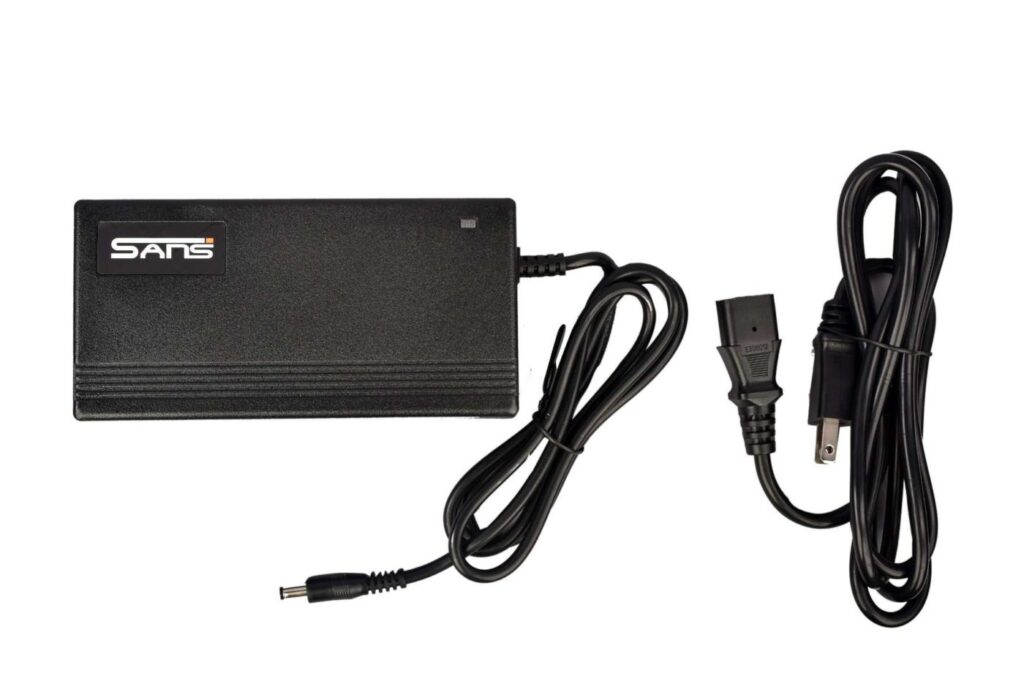
Finding the right e bike charger can make the difference between enjoying seamless rides and dealing with frustrating battery issues. Whether you’re replacing a damaged charger or upgrading for faster charging times, understanding what makes a quality electric bike charger is essential for every e-bike owner. This guide breaks down everything you need to know about selecting, using, and maintaining your e bike battery charger to maximize your investment and riding time.
Understanding E Bike Charger Types and Compatibility
The world of electric bike chargers is more complex than many riders initially realize. Not all chargers are created equal, and using the wrong one can damage your battery or create safety hazards. E-bike chargers vary based on voltage, amperage, connector types, and charging algorithms, making compatibility the first crucial factor to consider.
Most e-bikes operate on battery systems ranging from 36V to 52V, with 48V being the most common configuration in modern electric bicycles. Your e bike charger must match your battery’s voltage exactly—using a 48V charger on a 36V battery can cause permanent damage, while a 36V charger on a 48V battery simply won’t fully charge the pack. The amperage rating determines charging speed, typically ranging from 2A to 5A for standard chargers. A higher amperage charger completes the charging cycle faster, but your battery’s Battery Management System (BMS) regulates the actual charging rate to prevent overheating or overcharging.
Connector types present another compatibility challenge. The most common e-bike charging ports include XLR connectors (3-pin or 4-pin), DC barrel connectors (various sizes), RCA connectors, and Anderson Powerpole connectors. Some manufacturers use proprietary connectors to ensure riders purchase their branded chargers, which can be frustrating but often includes safety features specific to that battery system. Before purchasing any electric bike charger, verify both the connector type and the polarity—reversed polarity can fry your battery’s electronics instantly.
Smart vs Standard E Bike Chargers: Which Should You Choose?
The decision between smart and standard e bike chargers significantly impacts your battery’s longevity and your overall charging experience. Standard chargers use a basic constant-current/constant-voltage (CC/CV) charging method, delivering power until the battery reaches full capacity, then automatically shutting off. These chargers are affordable, reliable, and sufficient for most casual riders who charge their bikes overnight.
Smart chargers, also called intelligent chargers, incorporate microprocessor-controlled charging algorithms that optimize the charging process based on battery temperature, cell voltage balance, and charge state. According to battery research from the Battery University, smart charging can extend lithium-ion battery lifespan by 20-30% compared to basic charging methods by reducing stress on the cells during the final charging phases. These advanced e bike battery chargers typically cost $20-$50 more than standard versions but provide features like:
- Multi-stage charging cycles that adjust voltage and current throughout the process
- Temperature monitoring that slows or stops charging if the battery overheats
- Cell balancing capabilities that ensure all cells in the battery pack charge equally
- LED indicators or displays showing detailed charging status and battery health
- Automatic maintenance modes that keep batteries at optimal storage charge levels
For riders who use their e-bikes daily or own high-value battery systems ($500+), investing in a smart electric bike charger makes financial sense. The extended battery lifespan typically recovers the additional charger cost within the first year of ownership. However, weekend riders or those with basic e-bike systems may find standard chargers perfectly adequate for their needs.
Fast Charging Technology for E Bike Batteries
Fast charging technology has revolutionized the e bike charger market, offering riders the ability to top up batteries during lunch breaks or between rides. Fast chargers typically operate at 5A to 8A, compared to the 2A to 4A of standard chargers, cutting charging times by 40-60%. A 48V 14Ah battery that takes 5-6 hours with a 2A charger might fully charge in 2-3 hours with a 5A fast charger.
However, fast charging comes with important trade-offs that every e-bike owner should understand. While modern lithium-ion batteries can handle fast charging without immediate damage, the increased heat generation and higher charging currents accelerate long-term degradation. Research published in the Journal of Power Sources demonstrates that batteries charged at 1C rate (full charge in 1 hour) experience approximately 15-20% more capacity fade over 500 cycles compared to batteries charged at 0.5C rate (full charge in 2 hours).
The key to safely using fast e bike chargers lies in understanding when and how often to use them. Battery experts recommend the 80/20 rule for fast charging: use fast charging for no more than 20% of your charging sessions, primarily when you need the bike ready quickly. For regular overnight charging, stick with standard-speed chargers to maximize battery lifespan. Additionally, avoid fast charging in extreme temperatures—batteries should ideally be between 50°F and 77°F (10°C to 25°C) for optimal charging performance and safety.
Suggested read: How to Get Charges Dropped Before Your Court Date (What Actually Works in 2025)
Many premium electric bike chargers now include adjustable amperage settings, allowing you to switch between fast and slow charging modes depending on your needs. This flexibility represents the best of both worlds: rapid charging when time is critical and gentle charging for routine use. Brands like Grin Technologies and Luna Cycle offer programmable chargers where you can set custom charge rates and even limit the maximum charge level to 80% or 90%, which significantly extends battery life for riders who don’t need the full range for every ride.
Top E Bike Charger Brands and Models for 2025
The e bike charger market features several reputable manufacturers known for quality, reliability, and customer support. Making an informed choice requires understanding what separates premium chargers from budget options and which features justify higher prices.
Premium E Bike Charger Brands
Grin Technologies Cycle Satiator stands as the gold standard for serious e-bike enthusiasts. Priced at $300-$350, this programmable electric bike charger allows complete control over charging parameters through a smartphone app or computer interface. Users can set custom voltage cutoffs, charge rates, and even create charging profiles for different batteries. The Satiator supports voltages from 24V to 72V and amperage up to 8A, making it compatible with virtually every e-bike battery configuration. Professional e-bike mechanics and riders with multiple bikes particularly value this universal compatibility.
Luna Cycle Advanced Charger ($120-$180) offers an excellent mid-range option with smart charging capabilities and adjustable amperage from 2A to 5A. The charger features a large LED display showing real-time voltage, current, and power consumption, plus an aluminum housing for superior heat dissipation. Luna Cycle’s reputation for quality control means fewer warranty issues and longer service life compared to generic chargers.
EV Powerhouse Smart Charger Series ($90-$150) provides reliable smart charging with good build quality at competitive prices. These chargers include temperature monitoring, overcharge protection, and automatic shutoff features. They’re available in various voltage and amperage configurations, typically with 2A, 4A, or 5A output options.
Budget-Friendly E Bike Charger Options
Generic 48V 2A/3A chargers ($25-$45) from sellers on Amazon or eBay work adequately for casual riders with standard e-bike configurations. While lacking advanced features, these basic e bike battery chargers handle straightforward charging tasks reliably. Purchase from sellers with established ratings and warranty policies, as quality control varies significantly among manufacturers. Check reviews specifically mentioning your battery brand for compatibility confirmation.
OEM replacement chargers from e-bike manufacturers typically range from $60-$120. While more expensive than generic options, they guarantee compatibility and often include warranty coverage that generic chargers don’t provide. For riders still under e-bike warranty, using third-party chargers might void coverage, making OEM chargers the safer choice initially.
Comparison Table: E Bike Charger Features and Pricing
| Charger Model | Price Range | Voltage Range | Max Amperage | Smart Features | Universal Compatibility | Warranty |
|---|---|---|---|---|---|---|
| Grin Cycle Satiator | $300-$350 | 24V-72V | 8A | Yes (Programmable) | Excellent | 1 year |
| Luna Advanced | $120-$180 | 36V-52V | 5A | Yes | Good | 6 months |
| EV Powerhouse | $90-$150 | 36V-52V | 5A | Yes | Good | 6 months |
| Generic Standard | $25-$45 | Specific | 2-3A | No | Limited | 30-90 days |
| OEM Replacement | $60-$120 | Specific | 2-4A | Varies | Brand-specific | 6-12 months |
Essential Safety Features in E Bike Chargers
Safety should never be compromised when selecting an e bike charger, as lithium-ion batteries pose genuine fire and electrical hazards when charged improperly. Quality chargers incorporate multiple protection layers that prevent dangerous situations before they occur.
Overcharge protection represents the most critical safety feature, preventing the charger from continuing to pump electricity into a full battery. Overcharged lithium-ion cells can enter thermal runaway, where the battery heats uncontrollably, potentially causing fires or explosions. All reputable electric bike chargers include this protection, but the sophistication varies—premium chargers monitor individual cell voltages while basic chargers only check overall pack voltage.
Short circuit protection immediately cuts power if the charger detects an abnormal current draw, preventing wire damage and potential fires. This protection activates within milliseconds when it detects a direct path between positive and negative terminals. Reverse polarity protection similarly protects your battery if you accidentally connect a charger with reversed positive and negative connections, though this is less common with modern keyed connectors.
Temperature monitoring and thermal cutoff features protect both the charger and battery from heat-related damage. Chargers generate significant heat during operation, especially at higher amperage rates. Premium e bike chargers include temperature sensors that reduce charging speed or shut down completely if internal temperatures exceed safe thresholds. Some advanced models also monitor battery temperature through the charging cable, adjusting output based on battery heat levels.
Suggested read: Best Laptop Charging Station: Everything You Need to Know Before You Buy
Spark-resistant connectors may seem like a minor feature but prevent the startling and potentially dangerous sparks that occur when connecting chargers to batteries under load. The small arc created during connection can damage connector pins over time and, in rare cases, ignite hydrogen gas released during charging. Quality chargers implement soft-start circuits that gradually ramp up current after connection.
UL, CE, or other safety certifications indicate that independent testing laboratories have verified the charger meets specific safety standards. While not foolproof, these certifications significantly reduce the risk of purchasing a poorly designed e bike battery charger. Be particularly cautious of ultra-cheap chargers lacking any safety certifications—they may use substandard components that fail catastrophically.
Optimizing Charging Habits for Battery Longevity
How you use your e bike charger matters as much as which charger you choose. Developing smart charging habits can double or triple your battery’s usable lifespan, saving hundreds of dollars in replacement costs while ensuring your e-bike remains reliable for years.
The optimal charge range for lithium-ion batteries falls between 20% and 80% capacity. Keeping your battery within this range minimizes stress on the cells and dramatically slows capacity degradation. Studies from Tesla’s battery research team show that limiting charge to 80% instead of 100% can increase cycle life by 50-100%. Many smart electric bike chargers include programmable charge limits, allowing you to set an 80% or 90% maximum charge for daily use, reserving 100% charges for long-distance rides requiring full range.
Charge frequency also impacts longevity, though not in the way many riders assume. Lithium-ion batteries have no memory effect, so partial charging doesn’t harm them. In fact, frequent partial charges from 40% to 70% cause less degradation than repeatedly cycling from 0% to 100%. Charge your e-bike whenever convenient rather than waiting for deep discharge—your battery will thank you.
Temperature management during charging critically affects battery health and safety. Charging cold batteries (below 40°F/4°C) can cause lithium plating on the battery’s anodes, permanently reducing capacity and potentially creating internal shorts. If you store your e-bike in a cold garage, bring the battery inside to warm to room temperature before charging. Similarly, avoid charging immediately after a long ride when the battery is hot—let it cool for 30-60 minutes first. Your e bike charger may prevent charging if the battery is too hot or cold, but not all include this protection.
Storage charging practices matter for riders who don’t use their e-bikes regularly. Storing batteries at 100% charge accelerates degradation, while storing them nearly empty risks over-discharge if they self-discharge below safe voltage levels. The ideal storage charge level is 50-60%, which minimizes stress while providing buffer against self-discharge. If you won’t ride for weeks or months, charge to 50-60%, then check the charge every 4-6 weeks and top up if it’s dropped significantly.
Portable and Backup E Bike Charger Solutions
Carrying a portable e bike charger transforms long-distance touring from an anxiety-inducing battery gamble into a genuine adventure. Portable charging solutions have evolved significantly, now offering practical options for various riding styles and budgets.
Compact travel chargers prioritize weight and size over charging speed, typically operating at 2A or less. These e bike battery chargers weigh 1-2 pounds and fit easily in a pannier or backpack, making them ideal for bike touring or commuters who need charging flexibility. Models like the Grin Cycle Satiator Travel Edition provide full smart-charging capabilities in a package 30% smaller than standard chargers. While they charge slower than full-size chargers, they’re perfect for overnight stops where charging speed isn’t critical.
Solar charging systems represent the ultimate in off-grid electric bike charger independence, though they require careful planning and realistic expectations. A typical e-bike battery storing 500-700Wh requires substantial solar panels for reasonable charging times. A 100W solar panel in optimal conditions generates around 400-500Wh per day, meaning you’d need 1-2 days of sunshine to fully charge a typical battery. Portable solar setups work best for supplemental charging during multi-day tours where you’re also charging overnight from electrical outlets. Companies like Goal Zero offer solar generators (portable battery banks) that can charge e-bikes through standard AC outlets, providing reliable power regardless of weather conditions.
DC-to-DC chargers allow you to charge your e-bike from car batteries or other 12V sources, expanding charging options dramatically. These chargers convert 12V DC power to the higher voltages required by e-bike batteries. While they charge slower than AC chargers due to power limitations, they’re invaluable for bikepacking trips where you have vehicle support or for charging during work breaks if your workplace has vehicle access. Expect charging rates around 1A to 2A from a car battery, sufficient for recovering 20-30 miles of range during a lunch break.
Suggested read: Best Dodge Charger Tires: What Every Charger Owner Needs to Know in 2026
Backup charger considerations become important for riders relying on their e-bikes for essential transportation. Having a spare e bike charger at work or a second location prevents one broken charger from disrupting your commute. Budget-conscious riders can purchase an inexpensive generic charger as a backup while keeping a premium smart charger for primary use. This strategy provides emergency charging capability while maximizing battery health through smart charging when possible.
Troubleshooting Common E Bike Charger Problems
Understanding how to diagnose and resolve e bike charger issues saves time, money, and prevents unnecessary battery damage. Most charging problems stem from a few common causes that riders can identify and often fix themselves.
Charger not powering on usually indicates problems with the power supply or internal fuses. First, verify the wall outlet works by plugging in another device. Try different outlets to rule out circuit breaker issues. Check the charger’s power cable for visible damage, kinks, or exposed wires. Some chargers include user-replaceable fuses—consult your manual for location and specifications. If the charger’s fan normally runs but isn’t, internal component failure has likely occurred, requiring professional repair or replacement.
Charger powers on but won’t charge battery suggests connector issues, battery management system (BMS) lockout, or charger output failure. Inspect the charging port and connector for corrosion, debris, or damaged pins. Clean contacts with electrical contact cleaner and a small brush. Verify the connector is fully seated—some designs require significant pressure to engage properly. If the electric bike charger and connector appear fine, the battery’s BMS may have triggered protective shutdown due to over-discharge, overheating, or cell imbalance. This typically requires a specialized charger or battery service to reset.
Charging stops prematurely or takes much longer than normal often indicates battery degradation, cell imbalance, or charger output problems. If your battery used to charge in 4 hours but now takes 7-8 hours, individual cells likely have significantly different capacities, forcing the BMS to slow charging to protect weak cells. This suggests the battery is nearing end-of-life. However, if charging suddenly takes much longer, the charger’s output may have degraded. Test with a voltmeter—the charger should output its rated voltage (plus a few volts) when not connected to a battery. Significant deviation indicates charger failure.
Charger or battery gets extremely hot during charging always demands immediate attention. Warm temperatures are normal, but components too hot to comfortably touch indicate problems. Ensure adequate ventilation around both charger and battery—many issues result from charging in enclosed spaces or covering the charger with other items. Persistent overheating with proper ventilation suggests faulty charger components, battery cell damage, or BMS malfunction. Stop using the charger and battery immediately until you can identify and resolve the issue—continued use risks fire.
Charger light indicators showing error codes vary by manufacturer but typically indicate specific fault conditions. Consult your charger’s manual for error code meanings. Common patterns include: rapid blinking indicates temperature protection activation, solid red indicates battery cell voltage error, alternating red-green indicates incompatible battery. Some smart e bike chargers connect to smartphone apps that provide detailed error information and troubleshooting guidance.
Maintaining Your E Bike Charger for Maximum Lifespan
Proper maintenance extends your e bike charger’s operational life while ensuring safe, reliable performance. While chargers require less maintenance than batteries, neglecting basic care leads to premature failure and potential safety hazards.
Keep chargers clean and dry at all times. Dust and debris accumulation reduces cooling efficiency and can create conductive paths between components. Monthly, unplug the charger and use compressed air to blow out dust from ventilation openings. Wipe the exterior with a slightly damp cloth—never spray cleaning solutions directly on the charger or submerge it in water. Store chargers in dry environments; garage and basement humidity accelerates internal corrosion. If you must store chargers in high-humidity locations, use silica gel packets or dehumidifiers to control moisture.
Cable management prevents premature wear and connection problems. Never coil charging cables tightly, especially while warm—tight coiling when cables are hot creates permanent kinks and internal wire damage. Instead, use loose loops or cable organizers that maintain gentle curves. Inspect cables monthly for fraying, cuts, or exposed wiring. Pay special attention to areas near connectors and where cables exit the charger body, as these points experience the most stress. Replace damaged cables immediately; don’t attempt temporary repairs with electrical tape.
Ventilation requirements for electric bike chargers are often underestimated. Chargers generate significant heat during operation, and inadequate ventilation causes internal components to overheat and fail prematurely. Always place chargers on hard, flat surfaces during charging—never on carpets, beds, or couches that block ventilation openings. Maintain at least 6 inches of clearance on all sides. If your charger includes a cooling fan, listen for changes in fan noise that might indicate bearing wear or debris interference.
Suggested read: Best Battery Charger for RV Battery: Everything You Need to Know Before You Buy
Proper storage extends charger life significantly. Store chargers in climate-controlled environments when possible, avoiding extreme temperature swings. Temperatures below freezing can damage electrolytic capacitors, while extreme heat (above 104°F/40°C) accelerates component degradation. Protect chargers from physical impact—dropping a charger can damage internal components even without visible external damage. Use padded cases or dedicated storage boxes for transport.
Connector care prevents frustrating charging failures. The charging connector receives constant mechanical stress during plugging and unplugging. Never yank connectors out by the cable—always grasp the connector body. Keep connector pins clean and dry; use electrical contact cleaner quarterly or whenever you notice connection issues. Some riders apply dielectric grease to connector pins to prevent corrosion, though opinions vary on whether this provides meaningful benefits. Most importantly, never force connectors—if a connector doesn’t seat easily, verify you have the correct polarity and connector type.
Understanding E Bike Charger Specifications and Ratings
Decoding e bike charger specifications helps you make informed purchasing decisions and understand your charger’s capabilities and limitations. Manufacturers list various technical parameters that mean nothing without context and explanation.
Voltage rating must match your battery system exactly. A 48V charger actually outputs 54.6V when charging a 48V nominal battery system. This higher voltage is necessary because lithium-ion cells charge to 4.2V per cell, and a “48V” battery actually contains 13 cells in series (13 × 4.2V = 54.6V). Similarly, 36V chargers output 42V, and 52V chargers output 58.8V. The charger’s voltage rating indicates which nominal battery voltage it’s designed for, not its actual output voltage. Using a mismatched voltage charger can damage your battery permanently.
Amperage (current) rating determines charging speed. A 2A electric bike charger delivers 2 amps of current to the battery, while a 5A charger delivers 5 amps. Charging time calculation is straightforward: divide your battery’s amp-hour (Ah) capacity by the charger’s amperage. A 14Ah battery with a 2A charger takes approximately 7 hours to charge from empty (14Ah ÷ 2A = 7 hours). In practice, charging takes slightly longer due to the final “absorption” phase where current tapers off, so add 15-20% to calculated times for realistic expectations.
Power output (measured in watts) combines voltage and current: Power (W) = Voltage (V) × Current (A). A 48V 4A charger outputs 192W at the battery, though it draws more from the wall outlet due to conversion losses. Most chargers operate at 85-90% efficiency, meaning a charger delivering 200W to the battery draws 220-235W from the outlet. This matters when using portable generators or inverters with limited capacity.
Input voltage range indicates which electrical systems the charger accepts. Most e bike chargers specify 100-240V AC input, making them compatible with electrical systems worldwide. Some budget chargers only accept 110V or 220V, requiring voltage converters for international travel. Input frequency (50Hz or 60Hz) rarely matters, as modern chargers handle both standards automatically.
Connector specifications require careful attention, as no universal standard exists. Common measurements include connector diameter (5.5mm, 2.1mm, 2.5mm), pin configuration (center positive or center negative), and physical length. Some manufacturers specify connectors by industry codes like “XLR-4M” (4-pin male XLR connector) or provide technical drawings. When ordering replacement chargers, photograph your existing connector from multiple angles and measure dimensions carefully—many returns stem from incompatible connectors despite correct voltage and amperage specs.
Certification marks indicate independent testing verification. UL (Underwriters Laboratories) certification means the charger meets North American safety standards. CE marking indicates European conformity, though CE marks are self-certified and less rigorous than UL. Look for FCC certification for electromagnetic interference compliance. Chinese CCC certification indicates the charger meets Chinese safety standards. Multiple certifications typically indicate higher-quality manufacturing, though certifications alone don’t guarantee reliability.
The Role of Battery Management Systems with E Bike Chargers
The e bike charger and battery management system (BMS) work together as an integrated charging system, and understanding their relationship helps you charge safely and effectively while maximizing battery life. The BMS serves as the battery’s brain, making critical decisions about when and how charging occurs.
Your BMS monitors individual cell voltages constantly during charging. Lithium-ion batteries contain multiple cells wired in series and parallel configurations—a typical 48V 14Ah battery might have 13 cells in series and 2-4 cells in parallel (13S2P or 13S4P configuration). The BMS ensures each cell reaches the same voltage during charging because cell imbalance causes premature capacity loss and safety risks. When one cell reaches 4.2V while others remain at 4.0V, the BMS triggers cell balancing, slowly draining the full cell through a resistor while allowing others to catch up.
Suggested read: Best Charging Handles for EVs in 2024: Top Picks, Features & What to Look For
Temperature management represents another crucial BMS function. The BMS includes temperature sensors (typically 2-4 sensors) placed throughout the battery pack. If sensors detect temperatures above safe thresholds (usually 122-140°F/50-60°C), the BMS instructs your electric bike charger to reduce charging current or stop completely. Quality BMS designs also prevent charging when batteries are too cold (below 32-40°F/0-4°C), as cold charging causes permanent lithium plating damage.
Communication protocols between charger and BMS vary significantly. Basic setups use simple voltage cutoff—the charger outputs constant voltage until the BMS signals charging is complete by reducing current draw to nearly zero. Advanced systems employ CAN bus or other digital communication protocols where the BMS actively tells the charger how much current to provide, enabling adaptive charging that responds to real-time battery conditions.
The BMS provides multiple protection layers that prevent charger malfunctions from damaging your battery. Overcharge protection cuts charging current if voltage exceeds safe limits, even if the charger continues outputting power. Overcurrent protection limits charging current to safe levels regardless of charger capability—this is why connecting a 10A charger to a battery rated for 4A maximum charging still works safely; the BMS limits current to 4A. Short circuit protection immediately disconnects the battery if it detects abnormal current flow patterns.
BMS limitations exist despite these protections. The BMS can’t compensate for grossly incorrect charger voltages—using a 72V charger on a 48V battery will damage the BMS and battery cells before protection circuits respond. BMS balancing capability has limits; severely imbalanced cells may never properly balance, leading to premature charging termination and reduced capacity. This is why maintaining good charging habits matters—the BMS prevents disasters but can’t reverse damage from chronic poor charging practices.
Integrating E Bike Chargers with Solar and Renewable Energy
Using renewable energy to power your e bike charger aligns perfectly with the environmentally conscious values that draw many people to electric bikes. Several approaches make solar charging practical, each with distinct advantages and limitations.
Direct solar charging connects solar panels directly to your e bike battery charger through a charge controller. This requires matching panel output voltage to charger input requirements (typically 110-240V AC or 12V DC for specialized chargers). A typical setup uses 100-300W of solar panels connected to a power inverter generating AC power for standard chargers, or a DC-DC converter for specialized DC chargers. In optimal sunlight conditions, a 200W panel system can fully charge a 500Wh battery in 3-4 hours, though real-world conditions (clouds, suboptimal panel angles, shade) typically extend charging to 5-8 hours.
Solar generator systems provide the most flexible renewable charging solution. Products like the Jackery Explorer or EcoFlow Delta portable power stations store solar-collected energy in internal lithium batteries, then provide standard AC outlets for charging e-bikes and other devices. These systems charge from solar panels during the day, then charge your e-bike overnight or whenever convenient. A 1000Wh solar generator can charge a typical e-bike battery 1-2 times before needing solar recharging, making them ideal for multi-day bikepacking trips or emergency backup power.
Home solar integration allows e-bike riders with rooftop solar installations to effectively charge bikes with zero-carbon electricity. While technically straightforward—just plug your electric bike charger into any outlet when your solar panels are producing—optimizing the arrangement maximizes environmental and economic benefits. Time your charging for midday when solar production peaks and electricity prices are lowest in time-of-use rate structures. Most home solar systems generate 5-10 kWh daily, far more than the 0.5-0.7 kWh needed for e-bike charging, making the impact on household solar production negligible.
Practical solar charging considerations temper idealistic visions of completely off-grid e-biking. Cloud cover reduces solar panel output by 50-90%, making reliable multi-day touring dependent on weather forecasts and backup charging plans. Panel weight and bulk challenge bicycle tourists—a 100W panel weighs 5-10 pounds and measures roughly 40″ × 20″, requiring thoughtful mounting solutions. Charging efficiency matters too; the combined efficiency of solar panel → charge controller → inverter → e-bike charger typically runs 60-75%, meaning you need significantly more raw solar capacity than your battery’s storage capacity.
E Bike Charger Regulations and Safety Standards
E bike charger regulations vary globally, affecting which chargers you can legally use and import. Understanding these standards helps you select safe products and avoid regulatory issues, particularly when purchasing internationally.
United States regulations primarily fall under the National Electrical Code (NEC) and standards from testing organizations like UL (Underwriters Laboratories) and ETL (Intertek). UL 2849 specifically covers e-bike electrical systems including chargers. While UL certification isn’t legally required for most consumer electronics, many retailers and insurance companies require it. The Consumer Product Safety Commission (CPSC) can recall uncertified chargers found to pose safety hazards. E bike battery chargers sold in the US should display UL, ETL, or equivalent certification marks to ensure they meet safety standards for insulation, grounding, and protection circuits.
Suggested read: Best 48V Battery Charger: Smart Buying Guide 2025
European Union regulations mandate CE marking for all electrical products sold in EU member states. CE marking indicates compliance with several directives including the Low Voltage Directive (LVD) and Electromagnetic Compatibility (EMC) Directive. Unlike UL certification, CE marking is self-certified by manufacturers, though they must maintain technical documentation proving compliance. Third-party certification bodies like TÜV provide additional verification. The EU also enforces strict regulations on electrical waste through the Waste Electrical and Electronic Equipment (WEEE) directive, requiring manufacturers to provide recycling programs for end-of-life chargers.
International Electrotechnical Commission (IEC) standards provide globally recognized technical specifications for battery chargers. IEC 61851 covers electric vehicle charging systems and increasingly applies to e-bike chargers as the line between vehicles and bicycles blurs. IEC 60335-2-29 specifically addresses battery chargers, specifying requirements for construction, performance, and safety testing.
Import considerations become relevant when purchasing chargers internationally. US Customs requires proper certification for electrical products. Technically, importing non-certified chargers for personal use isn’t illegal, but commercial import without proper certification violates regulations. More importantly, non-certified chargers may void your homeowner’s or renter’s insurance if they cause fires. If you’re purchasing an e bike charger from overseas sellers, verify it includes appropriate certifications for your country and check that voltage ratings match your local electrical standards.
Cost Analysis: When to Repair vs Replace Your E Bike Charger
E bike charger failures prompt the repair-versus-replace decision that every owner eventually faces. Making the economically sound choice requires understanding repair costs, replacement options, and hidden factors affecting each decision.
Basic electric bike chargers ($25-$50) rarely justify repair attempts. Professional electronics repair charges $50-$100 per hour, meaning even simple repairs exceed replacement costs. These chargers use inexpensive components and basic designs where troubleshooting and parts sourcing often costs more than buying new. Invest your time in proper disposal through e-waste recycling rather than repair attempts.
Mid-range chargers ($80-$150) create genuine dilemmas. Common failure points include blown capacitors ($5-$15 parts cost), damaged connectors ($10-$30), and failed power supplies ($20-$40). If you have electronics repair skills, these components replace easily with basic soldering equipment. Professional repair might cost $60-$100, representing 50-80% of replacement cost—generally not worthwhile unless the charger has unique features or compatibility requirements that make replacements expensive or unavailable.
Premium chargers ($200+) deserve serious repair consideration. Brands like Grin Technologies offer repair services for their Cycle Satiator chargers at costs significantly below replacement prices. These chargers use modular designs facilitating component-level repair. Their $300+ replacement cost makes a $100-$150 repair economically sound. Additionally, premium charger owners have often invested in learning the charger’s advanced features and settings; replacement means re-establishing all those configurations.
Warranty coverage dramatically changes the equation. Quality charger manufacturers provide 6-12 month warranties covering defects and failures. Never pay for repairs or replacements during the warranty period—contact the manufacturer first. Keep purchase receipts and warranty documentation accessible. Some credit cards automatically extend manufacturer warranties by an additional year, providing free repair or replacement coverage many owners don’t realize exists.
Opportunity cost considerations extend beyond simple dollar comparisons. A broken charger stops you from riding your e-bike, affecting commuting, exercise, and recreation. Even if repair costs half the replacement price, waiting 1-2 weeks for repair completion versus receiving a replacement in 2-3 days might make replacement the better choice. Having a backup charger eliminates this pressure, allowing economically optimal decisions without disrupting your riding schedule.
E Bike Charger Compatibility with Different Battery Chemistries
While most modern e-bikes use lithium-ion batteries, understanding how e bike chargers interact with different battery chemistries helps when upgrading batteries, working with older e-bikes, or exploring alternative technologies.
Lithium-ion (Li-ion) chargers dominate the current market due to lithium’s superior energy density and longevity. Standard lithium-ion cells charge to 4.2V per cell, with typical electric bike chargers designed around this specification. However, “lithium-ion” encompasses several sub-chemistries with slightly different charging requirements. Lithium cobalt oxide (LCO) and lithium manganese oxide (LMO) batteries charge to 4.2V per cell. Lithium iron phosphate (LiFePO4 or LFP) batteries charge to only 3.65V per cell, requiring chargers specifically designed for LFP chemistry. Using a standard lithium charger on an LFP battery overcharges the cells, potentially causing damage or reduced lifespan.
Suggested read: Simple Assault Charge: What You Need to Know About Penalties, Defenses, and Legal Options
Lithium iron phosphate (LiFePO4) chargers gained popularity in e-bike applications due to LFP’s superior thermal stability and longer cycle life (2000-3000 cycles versus 500-1000 for standard lithium). LFP batteries require chargers outputting lower voltages—a 48V nominal LFP battery (16 cells in series) charges to 58.4V instead of the 54.6V for standard lithium batteries. Never use standard lithium chargers on LFP batteries; always use chargers specifically rated for LFP chemistry. Conversely, using an LFP charger on a standard lithium battery undercharges it, limiting available capacity but not causing damage.
Nickel-metal hydride (NiMH) batteries powered many early e-bikes before lithium’s dominance. NiMH batteries require completely different charging algorithms using -ΔV (negative delta V) or dT/dt (temperature change rate) charge termination methods. Never use lithium chargers on NiMH batteries or vice versa—the charging voltages and termination methods are fundamentally incompatible. If you own a vintage e-bike with NiMH batteries, you must use the original charger or source a replacement specifically designed for NiMH chemistry.
Lead-acid battery chargers occasionally appear in very low-cost e-bikes or DIY conversions. Lead-acid batteries charge similarly to lithium but at different voltages (2.4V per cell for lead-acid versus 4.2V per cell for lithium). A 48V lead-acid battery (24 cells) charges to about 58V, different from lithium’s 54.6V. Lead-acid chargers also employ different charging stages: bulk charge, absorption charge, and float charge. Using lead-acid chargers on lithium batteries or vice versa will likely damage the battery and potentially create safety hazards.
Universal chargers claim compatibility with multiple chemistries through selectable charging profiles. While these sound ideal, they require users to correctly identify their battery chemistry and select appropriate settings—mistakes damage batteries. Unless you frequently work with different battery types, chemistry-specific e bike chargers provide safer, more reliable charging.
Extending Range Through Strategic Charging While Riding
Opportunity charging—topping up your e-bike battery during your ride—transforms range anxiety into confident long-distance riding. Understanding where and how to charge along routes opens up destinations previously beyond your battery’s capacity.
Charging location strategies start with identifying power outlets along your route. Coffee shops, restaurants, libraries, and community centers often have accessible outlets and welcome customers who purchase food or drinks while charging. Most establishments don’t mind 1-2 hour charging sessions during off-peak times—asking permission and explaining you’re charging an e bike battery charger rather than camping at their outlet for free Wi-Fi creates goodwill. Shopping centers often have outlets near entrances or seating areas. Parks and recreation facilities increasingly offer “charging stations” as amenities for e-bike riders, particularly in bike-friendly cities.
Public charging infrastructure for electric vehicles sometimes accommodates e-bikes, though this varies by location. Level 1 EV charging stations (standard 110V outlets) work perfectly with standard electric bike chargers. Level 2 stations (240V) won’t work with standard e-bike chargers unless you have a specialized charger designed for 240V input. Some forward-thinking municipalities install dedicated e-bike charging stations with lockers or secure mounting, typically free or very low cost. Apps like PlugShare and ChargeHub primarily map EV chargers but increasingly include e-bike charging locations.
Charging time calculations help plan stops efficiently. You don’t need full charges during opportunistic stops—adding 30% capacity extends range by 10-20 miles, often sufficient for reaching your destination. With a 2A charger, expect to add 15-20% capacity per hour of charging. A lunch stop provides 60-90 minutes, recovering 20-30% capacity. Calculate your actual consumption rate by dividing amp-hours used by miles ridden—if you used 4Ah traveling 20 miles, you consume 0.2Ah per mile. Adding 3Ah of capacity during a stop (about 1.5 hours with a 2A charger) extends your range by 15 miles.
Portable charger benefits become evident for opportunistic charging. Compact travel chargers pack easily and won’t overfill your bags, while full-size chargers might dissuade you from carrying them. Having your e bike charger always accessible means you can capitalize on unexpected charging opportunities—a friend’s house, workplace outlets, or any destination with power access. This flexibility eliminates range anxiety more effectively than larger batteries because you’re never truly limited by your starting charge.
Working with EV Charging Adapters and E-Bikes
The growing electric vehicle infrastructure creates interesting opportunities for e-bike charging when combined with appropriate adapters. EV charging adapters can bridge the gap between EV charging stations and your e bike charger, though several important considerations apply.
Level 1 EV chargers (120V AC standard outlets) work directly with your electric bike charger—no adapter needed. Many EV charging locations include standard outlets for convenience, making them perfect for e-bike charging. Some commercial charging stations charge fees even for standard outlets, while others provide them free. Check station policies or ask property managers before connecting.
Suggested read: What to Know About Tyler Tech Software Pricing Models
NEMA outlet adapters allow your charger to connect to various outlet types commonly found at EV charging stations and RV parks. NEMA 14-50 outlets (the large 240V outlets used for RVs and EVs) won’t directly power standard e-bike chargers designed for 120V input. However, NEMA 14-50 to standard outlet adapters exist, though they only provide 120V from one of the 240V split phases. More commonly useful are NEMA 5-20 to 5-15 adapters for connecting your charger to 20-amp outlets using standard 15-amp plug configurations.
Safety considerations when using adapters include verifying amperage ratings match your charger’s requirements. A 4A charger draws approximately 500W from the outlet; ensure adapters and circuits handle this load continuously. Never daisy-chain multiple adapters or use damaged adapters. Some “universal” adapters use cheap components that overheat with continuous high-power draw—purchase electrical adapters from reputable manufacturers like Parkworld or GE.
Public charging etiquette matters increasingly as more riders use public EV infrastructure. E-bikes charge from standard outlets, not the high-power DC or Level 2 EV connectors, so you’re not blocking access to fast charging resources. However, if an EV owner needs the standard outlet you’re using, politely offer to disconnect—their charging needs often exceed yours. Many EV charging locations include multiple standard outlets specifically for this reason.
Maximizing E Bike Charger Performance in Extreme Conditions
Environmental extremes challenge e bike charger performance and reliability. Understanding how temperature, humidity, and altitude affect charging helps you maintain safe, effective charging regardless of conditions.
Cold weather charging presents multiple challenges. Below 32°F (0°C), lithium-ion batteries should not be charged due to lithium plating risks that permanently reduce capacity and potentially create internal shorts. Many quality electric bike chargers include temperature sensing that prevents charging cold batteries, but budget chargers lack this protection. If you ride in cold climates, bring batteries indoors to warm to 50-70°F (10-21°C) before charging. This may require 1-2 hours for cold-soaked batteries. Never use external heat sources like hair dryers or heaters to warm batteries quickly—rapid temperature changes create condensation and thermal stress.
Chargers themselves tolerate cold better than batteries. Most chargers operate safely down to 32°F (0°C), though efficiency decreases slightly in very cold conditions. Store chargers indoors when possible, but don’t worry excessively about leaving chargers in cold cars or garages—they’ll warm quickly when plugged in and operating.
Hot weather charging threatens both batteries and chargers through heat generation and ambient temperature stress. Charging generates substantial heat inside batteries; combine this with ambient temperatures above 95°F (35°C), and cell temperatures can exceed safe limits (122-140°F/50-60°C). Quality e bike chargers and BMS systems monitor temperature and slow or stop charging when limits approach, but this extends charging times or prevents charging entirely during heat waves.
Maximize hot-weather charging by scheduling sessions during cooler parts of the day—early morning or late evening. Charge indoors with air conditioning when possible. If outdoor charging is necessary, place batteries in shade with good air circulation. Never charge in enclosed spaces like vehicle trunks or closed boxes; heat buildup can trigger thermal runaway. Consider reducing charging amperage during extreme heat using programmable chargers—slower charging generates less heat, allowing charging to complete rather than triggering thermal protection.
High humidity environments accelerate corrosion and create electrical tracking risks. Moisture collects on charging connectors, creating paths for current leakage and eventual connection failure. Combat humidity by wiping connectors dry before use and applying dielectric grease or corrosion-inhibiting sprays to connector pins. Store chargers in sealed plastic containers with silica gel desiccants when not in use. Never charge in direct rain or splashing water—most electric bike chargers are not waterproof despite indoor-outdoor use.
High altitude effects primarily impact convective cooling efficiency. At elevations above 6,000 feet (1,800 meters), thinner air reduces charger cooling effectiveness, potentially causing thermal protection activation or shortened component life with extended use. Most riders won’t notice altitude effects, but if you regularly charge at high elevations and experience frequent thermal shutdowns, consider chargers with more robust cooling systems (metal housings, larger fans) or charge in cooler parts of the day.
Future Trends in E Bike Charging Technology
The e bike charger market evolves rapidly, with emerging technologies promising faster, smarter, safer charging experiences. Understanding upcoming trends helps inform purchasing decisions and indicates where the industry is heading.
Suggested read: Is It Worth Pressing Charges for Assault? What Victims Need to Know Before Deciding
Wireless charging development for e-bikes mirrors smartphone wireless charging technology but faces greater challenges due to higher power requirements. Current wireless charging prototypes achieve 100-200W power transfer, requiring 3-6 hours for typical e-bike batteries—acceptable but not revolutionary. The primary advantage isn’t speed but convenience and connector longevity—no physical connectors eliminates wear and water ingress issues. Wireless charging coils embed in the battery or frame, with charging pads placed on stands or mounted to walls. Standardization remains the biggest hurdle; multiple competing standards fragment the market and prevent widespread adoption.
Ultra-fast charging technology aims to reduce charging times to 30-60 minutes without compromising battery longevity. This requires coordination between advanced electric bike chargers, sophisticated BMS systems, and batteries designed specifically for high-current charging. Some high-end e-bikes already support 10A+ charging, though widespread adoption awaits battery chemistry improvements that tolerate high charging rates without accelerated degradation. Graphene-enhanced anodes and solid-state batteries promise the fast-charging future, though commercial availability remains 3-5 years away for e-bike applications.
Vehicle-to-Grid (V2G) and bidirectional charging allows e-bikes to not only receive power but also supply it back to homes or the grid during peak demand periods. While more common in electric cars, e-bike applications are emerging. Imagine charging your e-bike overnight with cheap electricity, then using the stored energy to power your home during expensive peak hours, or keeping your refrigerator running during power outages. Bidirectional chargers cost more and require compatible batteries and BMS systems, but they transform e-bikes from single-purpose transportation into distributed energy storage systems.
Artificial intelligence integration in smart e bike battery chargers analyzes usage patterns, battery health metrics, and charging history to optimize charging parameters automatically. These AI systems predict battery degradation patterns and adjust charging algorithms to maximize lifespan. They can also schedule charging to coincide with renewable energy availability or low-cost electricity periods without requiring manual intervention. Current implementations remain basic, but sophisticated AI-optimized charging will likely become standard in premium chargers within 2-3 years.
Standardization efforts address the frustrating connector and protocol incompatibility plaguing the e-bike industry. The Bicycle Product Suppliers Association (BPSA) and other trade organizations work toward standardized charging connectors, communication protocols, and safety requirements. Success would allow riders to use any certified e bike charger with any compatible voltage battery, regardless of manufacturer. This would dramatically improve consumer experience and reduce e-waste from obsolete proprietary chargers.
Frequently Asked Questions About E Bike Chargers
Can I use any charger with my e-bike battery?
No, you cannot use just any charger with your e bike battery. Your charger must match three critical specifications: voltage rating, connector type, and charging current compatibility. Using a mismatched voltage charger can permanently damage your battery or create fire hazards. Always verify that replacement chargers explicitly state compatibility with your battery’s voltage (36V, 48V, 52V, etc.), use the correct connector type and polarity, and provide appropriate charging current. When in doubt, purchase chargers from your e-bike manufacturer or consult with qualified e-bike service technicians.
How long does an e bike charger typically last?
A quality electric bike charger should last 3-5 years with proper care and regular use. Premium chargers from reputable manufacturers like Grin Technologies or Luna Cycle often exceed 5 years, while budget chargers may fail within 1-2 years. Lifespan depends heavily on usage frequency, environmental conditions, and maintenance practices. Factors that shorten charger life include exposure to extreme temperatures, physical impacts, dust accumulation, and poor ventilation during charging. Investing in quality chargers and following proper storage and maintenance practices maximizes operational lifespan.
Can I charge my e-bike battery in the rain?
No, never charge your e-bike battery in rain or wet conditions. While e-bike batteries themselves typically feature water-resistant housings rated IPX4 or higher, e bike chargers are generally not waterproof. Moisture creates electrical hazards including shock risks, short circuits, and connector corrosion. Water ingress into chargers can cause immediate failure or create latent damage that causes failure weeks later. Always charge batteries indoors in dry conditions. If you must charge in a garage or covered area, ensure no water can reach the charger, battery charging port, or electrical connections.
What’s the difference between 2A and 5A e-bike chargers?
The difference between 2A and 5A e bike chargers is charging speed. A 2A charger delivers 2 amps of current, while a 5A charger delivers 5 amps—charging approximately 2.5 times faster. For a 14Ah battery, a 2A charger requires about 7-8 hours for a complete charge, while a 5A charger completes the same charge in 3-4 hours. However, faster charging generates more heat and causes slightly more long-term battery degradation. Most battery manufacturers recommend using the charger amperage originally supplied with the e-bike unless you specifically need faster charging for practical reasons.
Should I unplug my e-bike charger immediately when charging completes?
Modern electric bike chargers and battery management systems automatically stop charging when batteries reach full capacity, so leaving chargers connected briefly after charging completes won’t damage your battery. However, best practices suggest unplugging chargers within a few hours of charge completion. Extended connection (days or weeks) after charging finishes can cause unnecessary wear on charger components and may keep batteries at 100% charge longer than ideal. For maximum battery longevity, charge batteries and disconnect within 1-2 hours of completion, though occasional overnight charging when you forget causes no significant harm.
Can I upgrade to a faster charger for my e-bike?
Upgrading to a faster e bike charger is possible if your battery’s BMS and cells support higher charging currents. Check your battery’s specifications for maximum charging current—many batteries limit charging to 4A or 5A regardless of charger capability. Using a higher-amperage charger than your battery supports won’t harm anything (the BMS limits current), but you won’t achieve faster charging. If your battery supports higher currents, upgrading from a 2A to 4A or 5A charger cuts charging time in half. Balance this convenience against the slight increase in battery degradation from faster charging, particularly if you charge daily.
Suggested read: How Much Does a Commercial EV Charging Station Cost in 2025? (Real Numbers, No Fluff)
Do e-bike chargers use power when plugged in but not charging?
Yes, e bike chargers draw small amounts of power (typically 2-5 watts) when plugged into outlets but not connected to batteries. This “vampire power” consumption powers indicator lights and keeps internal circuits in standby mode. While individually insignificant, many household devices drawing standby power collectively waste substantial electricity. For minimal environmental impact and electrical cost savings, unplug chargers when not actively charging batteries. The exception is smart chargers with maintenance modes that benefit from remaining connected to keep batteries at optimal storage charge levels.
What should I do if my e-bike charger gets wet?
If your electric bike charger gets wet, immediately unplug it from both the wall outlet and battery if it’s currently connected. Do not attempt to use or test the charger. Allow it to dry completely for at least 48-72 hours in a warm, dry location with good air circulation. Never use external heat sources like hair dryers or ovens to accelerate drying, as rapid heating can damage internal components. After thorough drying, inspect for visible moisture, corrosion, or damage. If any appears, or if you’re uncertain, replace the charger rather than risk electrical shock or battery damage. Water damage often creates latent failures that appear days or weeks later.
How do I know if my e-bike charger is working properly?
A properly functioning e bike charger displays consistent indicator light patterns (usually green when idle, red when charging, or specific patterns described in the manual), connects firmly without loose connectors, charges batteries to full capacity within expected timeframes, and doesn’t produce unusual smells, smoke, or excessive heat. Test charger output voltage with a multimeter—it should read approximately the rated charging voltage (54.6V for 48V systems, 42V for 36V systems) when connected to AC power but not a battery. If charging takes significantly longer than normal, fails to reach full charge, displays error lights, or the charger body becomes too hot to touch, service or replacement is necessary.
Is it worth buying an expensive programmable e-bike charger?
Expensive programmable e bike chargers like the Grin Cycle Satiator ($300+) are worth the investment for riders with high-value battery systems ($500+), multiple e-bikes with different voltages, or those prioritizing maximum battery longevity. These chargers allow you to set precise charging parameters including custom voltage cutoffs (charging to 80% instead of 100%), adjustable charging currents, and different profiles for different batteries. For riders with $200-$300 batteries who charge overnight and ride casually, standard smart chargers ($60-$120) provide adequate performance without the premium cost. Evaluate based on your battery replacement cost and how frequently you use your e-bike—daily commuters benefit more from programmable chargers than weekend recreational riders.
Ready to Upgrade Your E Bike Charger?
Selecting the right e bike charger directly impacts your riding experience, battery lifespan, and long-term ownership costs. Whether you need a replacement charger, want faster charging capabilities, or seek advanced features for optimal battery health, understanding your specific needs guides you toward the best choice.
High-quality electric bike chargers from reputable manufacturers provide reliability, safety features, and compatibility that budget options simply cannot match. While premium chargers cost more initially, they typically pay for themselves through extended battery life and reduced replacement frequency. For riders investing in quality e-bikes and batteries, skimping on charging equipment makes little financial sense.
Consider your riding patterns, technical comfort level, and budget when selecting an e bike battery charger. Casual riders with basic e-bikes find standard 2A chargers adequate for their needs. Daily commuters and enthusiasts benefit from smart chargers with temperature monitoring and overcharge protection. Serious riders with expensive battery systems should strongly consider programmable chargers offering complete control over charging parameters.
Take action today to ensure you have the charging solution that matches your needs. Verify your current charger’s specifications against your battery requirements, assess whether an upgrade would benefit your specific situation, and source chargers from reputable vendors with good warranty policies and customer support.
Shop for quality e bike chargers now and protect your battery investment while ensuring your e-bike is always ready for your next adventure. Don’t wait until your current charger fails—having a backup charger prevents disruptions to your riding schedule and gives you peace of mind knowing you can always keep your e-bike charged and ready.
For more information on e-bike charging technology and battery maintenance, visit the Electric Bike Report and Battery University for comprehensive resources and current research.
Sources: Battery University – Understanding Lithium-Ion Battery Charging, Journal of Power Sources – Battery Degradation Studies, National Electrical Code (NEC) Standards, International Electrotechnical Commission (IEC) Standards
Suggested read: Can You Press Charges on a Minor? What Every Parent and Victim Needs to Know