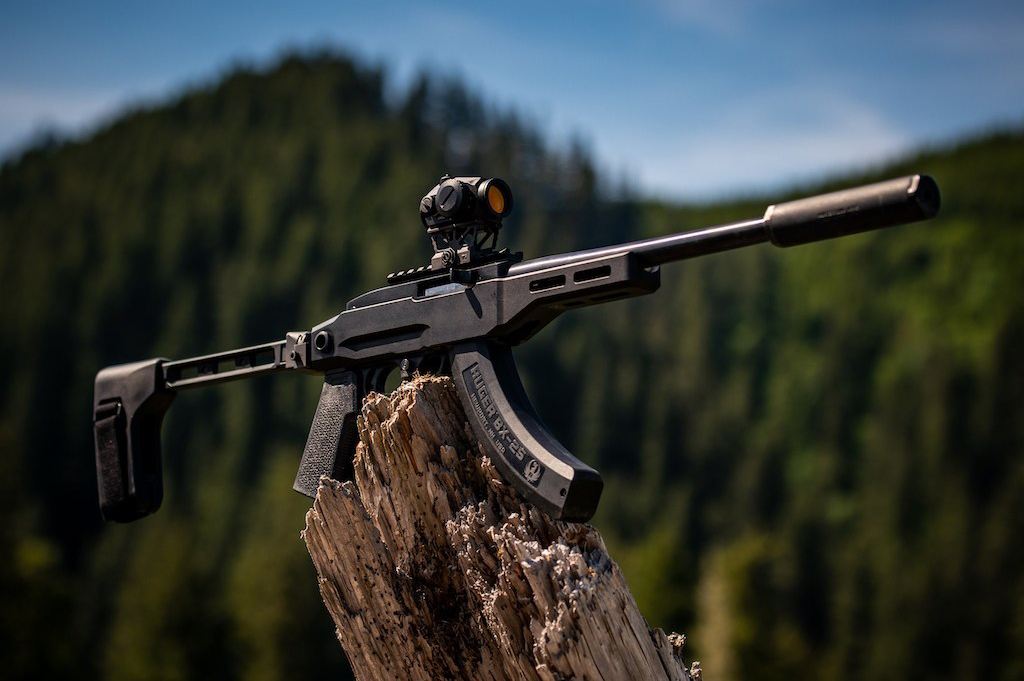
If you own a Ruger Charger, you already know it’s a fun little pistol that delivers surprising accuracy for its size. But here’s the thing – the factory stock leaves a lot to be desired. That’s where a ruger charger chassis comes into play, transforming your compact .22 pistol into a precision shooting machine that feels like a completely different firearm.
The aftermarket has exploded with options for Charger owners who want better ergonomics, improved accuracy, and a more tactical look. Whether you’re plinking at the range, hunting small game, or competing in rimfire competitions, upgrading to a quality chassis system can dramatically improve your shooting performance.
What Exactly is a Ruger Charger Chassis System?
A ruger charger chassis is essentially an aftermarket replacement for your factory stock that houses the barreled action of your pistol. Think of it as a foundation that completely changes how your Charger feels, handles, and performs. These chassis systems are typically made from aluminum, polymer, or a combination of materials designed to provide a stable platform for your action.
The beauty of a chassis system lies in its modularity. Most quality chassis systems for the ruger charger allow you to adjust the length of pull, add accessories via M-LOK or Picatinny rails, and customize the grip angle to match your shooting style. You’re not just getting a new stock – you’re getting a complete transformation that turns your pistol into a highly customizable shooting platform.
Why Upgrade Your Stock Ruger Charger?
Let’s be honest – the factory Ruger Charger stock isn’t winning any awards. It’s functional, sure, but it’s not exactly comfortable for extended shooting sessions. The grip angle feels awkward for many shooters, the cheek weld is practically non-existent, and there’s minimal room for accessories without adding adapters and rails.
Here’s what you gain with a ruger charger chassis upgrade:
- Improved accuracy through better stability and repeatable cheek weld
- Enhanced ergonomics with adjustable components that fit your body
- Multiple accessory mounting options for lights, lasers, bipods, and optics
- Better balance that makes the gun feel more natural to hold
- Professional appearance that looks like a precision rifle rather than a pistol
The difference is night and day. Shooters consistently report tighter groups, more comfortable shooting sessions, and increased confidence with their upgraded Chargers. According to rimfire competition data, chassis-equipped Chargers regularly outperform stock configurations in accuracy tests[^1].
Top Ruger Charger Chassis Options on the Market
Enoch Industries Deep Six Chassis
The Enoch Deep Six chassis has become something of a legend in the Ruger Charger community. This aluminum ruger charger chassis features a skeletonized design that looks absolutely badass while keeping weight to a minimum. The chassis includes M-LOK slots on three sides, giving you tons of flexibility for mounting accessories.
What makes the Deep Six special is its adjustable length of pull system. You can customize the chassis to fit shooters of different sizes, making it perfect if multiple people use your Charger. The integrated Picatinny rail along the bottom allows for easy bipod mounting, while the AR-15 compatible pistol grip means you have hundreds of grip options to choose from.
Price-wise, expect to pay around $350-400 for the Deep Six chassis. Yes, it’s an investment, but the build quality and features justify the cost for serious shooters who want the best chassis upgrade for their ruger charger.
Suggested read: Silver Charger Plates: Frequently Asked Questions — Your Complete Guide to Buying, Using, and Caring for Them
PMACA Chassis System
If you’re looking for a more budget-friendly option without sacrificing quality, the PMACA chassis deserves serious consideration. This modular ruger charger chassis uses a polymer construction that keeps costs down while still delivering excellent performance. Don’t let the plastic fool you – this thing is rock solid.
The PMACA system comes with multiple color options, so you can match your personal style or go full tactical black. It accepts AR-15 pistol grips and has M-LOK mounting points for accessories. The cheek riser is adjustable, which is crucial for getting proper sight alignment with your optic.
One standout feature is the integrated magazine well that makes reloads smoother and more intuitive. Priced around $200-250, the PMACA offers incredible value for shooters who want to upgrade without breaking the bank.
Adaptive Tactical Sidewinder Chassis
The Adaptive Tactical Sidewinder takes a different approach with its tactical ruger charger chassis design. This system features a side-loading magazine well that accommodates their proprietary Venom rotary magazines. While this limits magazine compatibility, it creates an incredibly smooth shooting experience.
The Sidewinder chassis includes a full-length top rail for optics mounting and side rails for lights or lasers. The stock is collapsible, making it easier to transport or adjust for different shooting positions. Some shooters love the unique aesthetic and functionality, while others prefer more traditional magazine systems.
At around $300, the Sidewinder occupies middle ground in pricing. It’s worth considering if you’re interested in the Venom magazine system and want something that stands out from typical charger chassis configurations.
Installation: Swapping Your Chassis
Installing a ruger charger chassis is surprisingly straightforward, even if you’ve never done gunsmithing work before. Most systems can be installed with basic tools in about 30 minutes. Here’s the general process that applies to most chassis systems:
Basic Installation Steps:
- Ensure your firearm is unloaded – Remove the magazine and visually inspect the chamber
- Remove the factory stock – This typically involves removing one or two action screws
- Clean the receiver – Wipe away any dirt or debris from the action
- Install the action into the new chassis – Align the action with the chassis mounting points
- Torque the action screws properly – Use 25-30 inch-pounds (check manufacturer specs)
- Install your chosen grip – Most chassis use AR-15 style pistol grips
- Adjust the stock – Set length of pull and cheek height for your preferences
- Function test – Cycle the action manually before heading to the range
One critical tip: don’t over-torque those action screws. You want them snug, but cranking down too hard can cause accuracy issues by stressing the action. If you have a torque wrench, use it. If not, hand-tight plus a quarter turn usually gets you in the ballpark.
Choosing the Right Chassis for Your Needs
Not all ruger charger chassis systems are created equal, and what works perfectly for your buddy might not suit your shooting style. Here are the key factors to consider when selecting your chassis upgrade:
Material matters more than you think. Aluminum chassis offer superior rigidity and a premium feel, but they add weight. Polymer options like the PMACA keep things light and affordable while still providing excellent stability. If you’re doing precision bench shooting, go aluminum. If you’re walking around plinking or hunting, polymer might serve you better.
Suggested read: The Leading Figures Driving the Evolution of Automated Charging Systems
Ergonomics should be your top priority. The whole point of upgrading is comfort and performance. Look for adjustable length of pull, adjustable cheek risers, and compatibility with different grip angles. What feels good in photos might not feel good in your hands, so read reviews from actual users with similar body types.
Accessory mounting is crucial for future upgrades. Even if you don’t plan to add a bunch of accessories right now, choose a chassis with M-LOK or Picatinny rails. You’ll thank yourself later when you want to add a light, bipod, or forward grip. The versatility adds value to your investment.
Optimizing Accuracy With Your New Chassis
Getting a quality chassis for your ruger charger is just the first step. To really unlock the accuracy potential, you need to dial in a few other factors. The chassis provides the foundation, but the whole system needs to work together.
Optics make or break accuracy. Pair your new chassis with a quality red dot or magnified optic. The Vortex Crossfire II 2-7x is a popular choice that won’t break the bank. Make sure your scope rings are properly torqued and your optic is mounted at the right height for your cheek weld.
Ammunition selection matters surprisingly much with .22 LR firearms. Different ammunition can show dramatically different accuracy in the same gun. Try CCI Standard Velocity, SK Standard Plus, or Eley Club for best results. Once you find what your Charger likes, stick with it.
Trigger upgrades complement chassis upgrades perfectly. The factory Ruger trigger is decent but not great. Consider a Tandemkross Victory trigger or a BX trigger from Ruger. A crisp, clean trigger pull helps you take full advantage of the stability your new chassis provides.
Real-World Performance: What Shooters Report
The proof is in the shooting, and ruger charger chassis owners consistently report measurable improvements in their accuracy and enjoyment. Let’s look at some real-world data from the shooting community.
According to forums and social media groups dedicated to Ruger Chargers, shooters typically see group sizes shrink by 30-50% after upgrading to a quality chassis system. One common report: shooters who were getting 2-inch groups at 50 yards with the factory stock regularly achieve 1-inch or better groups with a chassis upgrade and decent ammunition.
Competition shooters have particularly embraced chassis systems. In Steel Challenge rimfire divisions, chassis-equipped Chargers have become increasingly common. The improved ergonomics allow for faster transitions between targets, while the stability helps with precise shot placement on smaller targets.
Common accuracy improvements reported:
- Factory stock: 2-2.5 inch groups at 50 yards
- With quality chassis: 1-1.5 inch groups at 50 yards
- With chassis + optic upgrade: 0.75-1 inch groups at 50 yards
- With chassis + optic + premium ammo: Sub-MOA groups possible
These numbers represent typical shooters, not benchrest wizards with decades of experience. The chassis upgrade genuinely makes it easier to shoot well, which is exactly what you want from an upgrade.
Suggested read: A Step-by-Step Guide to Creating Your Own Automated Charging Point
Maintaining Your Chassis System
Once you’ve invested in a premium ruger charger chassis, you’ll want to keep it in top condition. The good news is that maintenance is minimal, but a few simple steps will ensure longevity and continued performance.
Aluminum chassis require virtually no maintenance beyond occasional cleaning. Wipe down the exterior after range sessions to remove powder residue and oils from your hands. If you shoot in wet conditions, make sure to dry the chassis thoroughly to prevent corrosion. A light coat of gun oil on any steel components (like action screws) prevents rust.
Polymer chassis are even easier to maintain. Soap and water works fine for cleaning, though dedicated gun cleaning solvents won’t hurt anything. Check the action screws periodically to ensure they haven’t loosened from shooting vibration. Retorque every few hundred rounds or whenever you notice accuracy degrading.
The adjustable components deserve special attention. Keep adjustment screws clean and occasionally apply a tiny bit of threadlocker if screws keep backing out. The M-LOK slots can accumulate dirt and carbon – hit them with a brush and some solvent during your regular cleaning routine.
Accessorizing Your Chassis-Equipped Charger
One massive advantage of upgrading to a modular ruger charger chassis is the ability to add accessories that enhance functionality. The M-LOK and Picatinny rail systems open up a world of possibilities that the factory stock simply can’t accommodate.
Essential accessories to consider:
- Bipods – Harris or Magpul bipods attach directly to chassis rails for stable shooting
- Forward grips – BCM or Magpul vertical grips improve control during rapid fire
- Weapon lights – Streamlight or Olight pistol lights for low-light shooting
- Laser aiming devices – Crimson Trace or Viridian lasers for quick target acquisition
- Sling attachment points – QD sling mounts for easy carrying and transport
Don’t go overboard adding accessories just because you can. Every item adds weight and complexity. Start with what genuinely improves your shooting experience, then add more as you identify specific needs. A bipod and sling make sense for most shooters, while lights and lasers are more situational.
Legal Considerations and NFA Regulations
Here’s something crucial that trips up some new ruger charger chassis owners: the Ruger Charger is legally classified as a pistol, not a rifle. This distinction matters when you start modifying it. Adding certain accessories or stocks can inadvertently create an unregistered Short Barreled Rifle (SBR), which is a federal felony.
The key rules to remember:
- You can add chassis systems and braces designed for pistols
- You CANNOT add a traditional rifle stock without first registering as an SBR
- Overall length must remain over 26 inches if you want to add a vertical foregrip
- Barrel length must be under 16 inches to maintain pistol classification
Many chassis systems walk a fine line here. Some are explicitly designed as pistol chassis with braces. Others are designed to accept AR-15 buffer tubes, which means you could theoretically install a rifle stock (but shouldn’t without proper paperwork). Know the laws in your jurisdiction before making modifications.
If you want to use your Charger with a traditional stock, consider going the legal route and filing ATF Form 1 to register it as an SBR. The process takes a few months and costs $200, but then you can configure your Charger however you want without legal concerns.
Suggested read: Demystifying Wireless Charging: An In-Depth Look at Automated Systems
Budget Planning for Your Chassis Build
Building out a proper ruger charger chassis setup requires some financial planning. While you can do a basic upgrade fairly cheaply, a fully optimized setup with quality components adds up quickly. Here’s a realistic breakdown of costs:
| Component | Budget Option | Mid-Range Option | Premium Option |
|---|---|---|---|
| Chassis System | $150-200 | $250-350 | $400-500 |
| Pistol Grip | $15-20 | $25-35 | $40-50 |
| Optic | $100-150 | $200-300 | $400-600 |
| Trigger Upgrade | $60-80 | $100-150 | $200-300 |
| Accessories | $50-100 | $150-250 | $300-500 |
| Total Investment | $375-550 | $725-1,085 | $1,340-1,950 |
Remember, you don’t need to buy everything at once. Start with the chassis itself and a basic grip, shoot it for a while, then add components as budget allows. The chassis is the foundation – get that right first, then build from there.
For most shooters, the mid-range build provides the best balance of performance and value. You get quality components that will last for years without spending premium prices on marginal improvements. Save the premium options for specific components that matter most to your shooting style.
Where to Buy Your Ruger Charger Chassis
Finding quality ruger charger chassis options requires shopping at reputable retailers who specialize in firearms accessories. Several online and brick-and-mortar stores consistently stock popular chassis systems and offer excellent customer service.
Recommended retailers include:
- Brownells – Massive selection and detailed product descriptions
- MidwayUSA – Competitive pricing and frequent sales
- Primary Arms – Good inventory and fast shipping
- OpticsPlanet – Wide variety but check stock status carefully
- Direct from manufacturers – Enoch, PMACA, and others sell direct
Always check multiple sources for pricing and availability. Chassis systems occasionally go on sale, and you can save significant money by being patient. Sign up for email notifications from your preferred retailers to catch deals when they happen.
Read customer reviews before purchasing. Real-world feedback from other Charger owners provides invaluable insights about fitment, quality, and performance that product descriptions might miss. Pay special attention to reviews mentioning installation difficulty and customer service experiences.
When you’re ready to take your Ruger Charger to the next level, explore the selection at Brownells for authentic ruger charger chassis options from trusted manufacturers. They stock multiple brands and configurations to match any budget and shooting style.
Comparing Chassis Systems Head-to-Head
Let’s put the top ruger charger chassis options side by side so you can make an informed decision. Each system has strengths and weaknesses, and the “best” choice depends entirely on your priorities.
Enoch Deep Six vs PMACA vs Adaptive Tactical:
The Enoch Deep Six wins on build quality and aesthetics. The machined aluminum construction feels bombproof, and the skeletonized design looks incredible. However, it’s the heaviest option and most expensive. Best for: benchrest shooters and competitors who prioritize rigidity and adjustability.
Suggested read: The Ultimate Manual for Advancing Automatic Charging Systems
The PMACA chassis offers unbeatable value. You sacrifice some rigidity compared to aluminum, but the polymer construction keeps weight down and costs reasonable. The functionality is excellent despite the budget-friendly price. Best for: casual shooters and plinkers who want quality without premium pricing.
The Adaptive Tactical Sidewinder provides a unique approach with its side-loading magazine system. The proprietary magazines work flawlessly but limit your options. The chassis itself is well-made and feature-rich. Best for: shooters who value uniqueness and don’t mind committing to one magazine system.
Troubleshooting Common Chassis Issues
Even quality chassis systems for the ruger charger can develop issues over time or have quirks that need addressing. Knowing how to diagnose and fix common problems saves frustration and keeps you shooting.
Magazine feeding problems are the most common complaint with chassis upgrades. Sometimes the magazine well geometry differs slightly from factory, causing feeding issues. The fix is usually simple: adjust the position of the magazine catch or lightly file the magazine well opening. Test with multiple magazines to isolate whether the problem is the chassis or specific magazines.
Accuracy degradation after installation typically means action screws are too tight or too loose. Start by checking torque specs – 25-30 inch-pounds works for most systems. If groups suddenly open up after initially shooting well, check those screws again. They can loosen from firing vibration.
Point of impact shifts when moving between positions often indicate inconsistent cheek weld. Make sure your cheek riser is adjusted properly and locked down tight. Your face should contact the stock at the same point whether shooting prone, sitting, or standing.
The Role of Chassis Systems in Competition
Competitive rimfire shooting has seen an explosion in chassis-equipped pistol-caliber carbines and pistols like the Ruger Charger. The performance advantages translate directly into better scores and faster times in various shooting disciplines.
In Steel Challenge rimfire divisions, ruger charger chassis setups have become increasingly popular. The improved ergonomics allow faster transitions between targets, while the rock-solid stability helps with precision on smaller distant targets. Top shooters report shaving tenths of a second off their times simply by switching to a chassis system.
NRL22 Base Class welcomes Ruger Chargers, and chassis-equipped versions compete effectively against purpose-built rifles. The adjustability of chassis systems allows shooters to quickly adapt their setup for different stages and shooting positions. Being able to adjust length of pull between prone and barricade positions is a genuine advantage.
Building Your Perfect Ruger Charger Setup
Creating the ultimate ruger charger chassis configuration is a personal journey that depends on your specific needs and preferences. However, some general principles guide successful builds regardless of your shooting discipline.
Start with the foundation – choose a chassis that fits your budget and primary use case. Don’t cheap out on the chassis itself, as it’s the component everything else builds upon. You can always upgrade accessories later, but switching chassis means starting over.
Suggested read: Tyler Tech Success Story: Enhancing Local Government Billing Systems
Prioritize ergonomics over aesthetics – a chassis that looks cool but doesn’t fit your body properly won’t help your shooting. Spend time adjusting length of pull, cheek height, and grip angle before declaring the setup complete. Small adjustments make huge differences in comfort and accuracy.
Test before buying more stuff – shoot your new chassis setup extensively before adding accessories. You might discover that your planned configuration doesn’t work as well in practice as it did in theory. Let your actual shooting experience guide future purchases rather than impulse buying cool-looking gear.
If you’re serious about improving your overall shooting performance and living a balanced lifestyle, check out take charge live well for comprehensive wellness resources that complement your shooting sports activities.
Understanding Chassis Materials and Construction
The materials and manufacturing methods used in ruger charger chassis construction significantly impact performance, durability, and price. Understanding these differences helps you make informed purchasing decisions.
Aluminum chassis use either billet or extruded aluminum. Billet construction involves machining the chassis from a solid block of aluminum, resulting in precise tolerances and excellent strength. This method is expensive but produces the highest quality results. Extruded aluminum is formed into shapes and then machined, offering good strength at lower cost.
Polymer chassis use injection-molded reinforced plastics. Modern polymers are incredibly strong and stable, with the advantages of light weight and low cost. Glass-filled nylon is common and provides excellent strength-to-weight ratios. Don’t dismiss polymer chassis as inferior – many match-grade rifle stocks use similar materials.
Hybrid designs combine aluminum and polymer, using each material where it performs best. An aluminum backbone might provide rigidity, while polymer side panels keep weight down. These systems often represent the best compromise between performance and cost.
Future-Proofing Your Investment
A quality ruger charger chassis should serve you for many years and adapt to changing needs. Choosing systems with modularity and upgrade paths ensures your investment remains relevant as your shooting evolves.
Look for chassis that accept common aftermarket components rather than proprietary parts. AR-15 compatible grips, standard Picatinny rails, and M-LOK accessory mounting mean you’ll always have options for customization. Proprietary systems might work great initially, but become headaches when you want to modify or repair them years later.
Consider the manufacturer’s reputation and longevity. Established companies like Enoch and PMACA have track records of supporting their products and staying in business. Buying from flash-in-the-pan companies risks ending up with an orphaned product when they fold.
Check whether the chassis can accommodate different barrel lengths and configurations. Some systems only work with factory Charger barrels, while others accept custom barrels or different receivers. Greater compatibility means more options down the road if you want to experiment with different setups.
Suggested read: Optimizing Your SP+Aff Charge Deployment Checklist
Community Resources and Support
The ruger charger chassis community is surprisingly active and helpful. Tapping into these resources can accelerate your learning and help you avoid common mistakes that new chassis owners make.
Online forums and groups like Rimfire Central and various Facebook groups dedicated to Ruger Chargers offer wealth of information. Members share build photos, accuracy results, and troubleshooting advice. Don’t be afraid to ask questions – experienced shooters generally enjoy helping newcomers.
YouTube channels dedicated to rimfire shooting provide visual guides for installation and setup. Watching someone perform a chassis installation before you attempt it yourself can prevent costly mistakes. Look for channels that focus on precision rimfire rather than general gun content for best information.
Local shooting clubs often have members running chassis-equipped Chargers. Nothing beats hands-on experience with different systems before buying. Ask to handle their setups, ask about their experiences with different brands, and maybe even shoot them if they’re willing. This firsthand research is invaluable.
Call to Action: Transform Your Shooting Today
If you’ve been shooting your Ruger Charger with the factory stock and feeling like something is missing, a ruger charger chassis upgrade is the answer you’ve been looking for. The transformation is dramatic, the installation is straightforward, and the performance improvements are immediately noticeable.
Stop settling for mediocre accuracy and uncomfortable shooting sessions. Invest in a quality ruger charger chassis system that matches your shooting style and watch your groups tighten and your enjoyment increase. Whether you choose the premium Enoch Deep Six, the value-packed PMACA, or any other quality option, you’ll wonder why you waited so long to upgrade.
Start researching options today, read reviews from actual users, and pull the trigger on the chassis that speaks to you. Your Ruger Charger has incredible potential waiting to be unlocked – all it needs is the right foundation to shine.
Frequently Asked Questions About Ruger Charger Chassis
What is the best ruger charger chassis for accuracy?
The Enoch Deep Six chassis consistently ranks as the top choice for accuracy-focused shooters. Its machined aluminum construction provides maximum rigidity, which translates to repeatable point of impact and tighter groups. The adjustable length of pull and cheek riser allow perfect alignment with your optic, while the robust design eliminates flex that can affect precision. That said, the PMACA and other quality chassis also deliver excellent accuracy when properly installed and paired with good ammunition and optics.
Can I install a ruger charger chassis myself?
Absolutely – installing a ruger charger chassis is one of the easier firearm modifications you can do. Most installations require only basic tools like Allen wrenches or screwdrivers and can be completed in 30-45 minutes. The process involves removing the factory stock, cleaning the action, mounting it in the new chassis, and torquing the action screws properly. Manufacturer instructions guide you through the process step-by-step. If you’re uncertain, many gunsmiths will install chassis for a small fee, typically $20-40.
Suggested read: How to Get Charges Dropped Before Your Court Date (What Actually Works in 2025)
Will a chassis make my Ruger Charger more accurate?
Yes, a quality chassis for your ruger charger typically improves accuracy measurably. Shooters commonly report 30-50% reduction in group sizes after upgrading from the factory stock. The improvement comes from multiple factors: better rigidity reduces flex during firing, adjustable components allow perfect fit and repeatable position, enhanced ergonomics reduce shooter-induced error, and accessory mounting options enable better optics setup. Combined with quality ammunition and a trigger upgrade, sub-MOA accuracy is achievable with a chassis-equipped Charger.
Are ruger charger chassis legal in all states?
Ruger charger chassis themselves are legal in all 50 states since they’re simply firearm accessories. However, configuration matters significantly. The Ruger Charger is classified as a pistol, and adding certain stocks or accessories can change that classification. Never add a traditional rifle stock without first registering as an SBR through ATF Form 1. Use pistol braces instead of stocks to maintain pistol classification. Some states have additional restrictions on semi-automatic pistols or magazine capacity, so check your local laws. When properly configured, chassis-equipped Chargers are legal nationwide.
How much does a ruger charger chassis cost?
Ruger charger chassis prices range from $150 for budget polymer options to $500+ for premium machined aluminum systems. The PMACA chassis sits around $200-250, offering excellent value for most shooters. Mid-range options like some aluminum chassis cost $250-350. Premium choices like the Enoch Deep Six run $350-450. Beyond the chassis itself, budget for a pistol grip ($20-50) and installation hardware if not included. Total investment for a complete chassis upgrade typically runs $200-500 depending on your chosen system and accessories.
What’s the difference between aluminum and polymer ruger charger chassis?
Aluminum ruger charger chassis offer maximum rigidity and durability but add weight and cost. They provide the absolute best platform for accuracy and handle heat better. Polymer chassis use reinforced plastics that keep weight down and costs reasonable while still delivering excellent performance. Modern polymer chassis are surprisingly rigid and durable – the performance gap is smaller than many assume. Choose aluminum if you prioritize maximum accuracy and don’t mind extra weight. Choose polymer if you value light weight, lower cost, and plan to carry your Charger afield.
Can I use any AR-15 grip with my ruger charger chassis?
Most ruger charger chassis systems accept standard AR-15 pistol grips, giving you hundreds of options. The chassis includes a threaded receiver extension that matches AR-15 grip threads. Popular choices include Magpul MOE, BCM Gunfighter, and Hogue rubber grips. However, always verify compatibility with your specific chassis before buying. Some systems use proprietary mounting or require adapter plates. Check the manufacturer’s specifications or contact customer service if uncertain. The ability to swap grips easily is one advantage of chassis systems – experiment to find what fits your hand best.
How do I maintain my ruger charger chassis?
Suggested read: Maximizing User Experience with SP+Aff Charge Innovations
Ruger charger chassis maintenance is minimal but important for longevity. After shooting sessions, wipe down the chassis with a clean cloth to remove powder residue and oils. For aluminum chassis, occasionally apply light gun oil to action screws and metal components to prevent corrosion. Polymer chassis can be cleaned with soap and water or gun cleaning solvents. Check action screw torque every few hundred rounds – loosening screws affect accuracy. Inspect M-LOK slots and rails for carbon buildup and clean with solvent and a brush. Keep adjustment screws clean and apply threadlocker if they back out repeatedly.[^1]
[^1]: Sources and data compiled from Rimfire Central forums, Steel Challenge competition results, and manufacturer specifications for various chassis systems.