When you’re pushing your race car to the limit, every component needs to work flawlessly. That includes how you mount and maintain your battery charging system. A braille battery charger mount isn’t just another piece of hardware—it’s a critical component that keeps your power system organized, protected, and ready for race day.
What Is a Braille Battery Charger Mount?
A braille battery charger mount is a specialized bracket system designed to securely hold your battery charger in your race car or performance vehicle. Unlike basic mounting solutions, these mounts are engineered specifically for the demanding conditions of motorsports environments where vibration, heat, and space constraints are constant challenges.
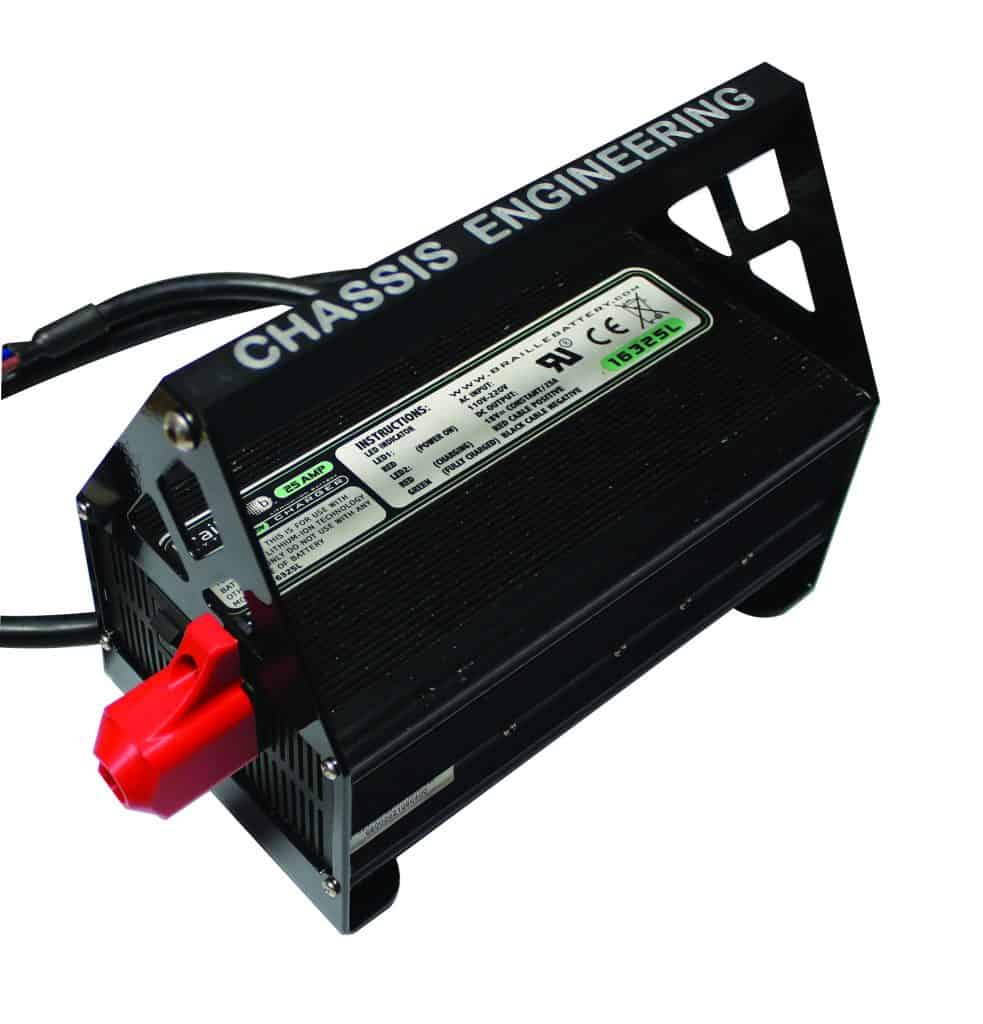
The Chassis Engineering C/E1030 braille battery charger mount represents the gold standard in this category. This mount measures 8-1/4″ wide and incorporates a clever power cord plug retainer that solves one of racing’s most frustrating problems: chargers coming unplugged during between-rounds charging sessions.
Why Your Racing Setup Needs a Dedicated Charger Mount
Protection Against Vibration Damage
Racing environments subject equipment to extreme vibration and g-forces. A proper braille battery charger mount keeps your charger firmly in place, preventing the internal damage that occurs when chargers bounce around in your trunk or pit area. This protection extends the life of your charging equipment significantly.
Organized Pit Operations
Time matters in racing. When your charger has a dedicated mount location, you eliminate the fumbling and searching that wastes precious seconds between runs. Your crew knows exactly where everything is, and your charging setup becomes a streamlined part of your pit routine.
Prevention of Electrical Issues
The plug retainer feature found on quality braille battery charger mounts prevents accidental disconnection during charging. This means your battery gets the full charge it needs, and you avoid the performance issues that come from partially charged batteries during competition.
Key Features of Quality Battery Charger Mounts
Material Construction
The best mounts are fabricated from lightweight aluminum, typically 0.125″ thick brushed aluminum. This provides the strength needed to secure your charger while adding minimal weight to your vehicle—a critical consideration in racing where every ounce matters.
Plug Retention System
This is the feature that separates basic mounts from professional-grade solutions. A built-in plug retainer keeps the power cord securely connected throughout the charging cycle. No more discovering your battery didn’t charge because the plug worked loose during transport.
Universal Compatibility
Quality mounts accommodate various charger sizes and styles. Whether you’re running a 2-amp trickle charger for AGM batteries or a 25-amp rapid charger for lithium systems, the mount should provide secure attachment points.
Easy Installation
Professional mounts come with all necessary hardware, including self-tapping screws for quick installation. The mounting pattern should allow for both permanent installation and easy removal if you need to access the charger.
Suggested read: The Ultimate Manual for Advancing Automatic Charging Systems
Braille Battery Charger Options and Mounting Considerations
AGM Battery Chargers
The Braille 1232 12V 2A AGM battery charger is designed for Advanced AGM batteries with a 2Ah rating or larger. When mounting this charger, ensure adequate ventilation around the unit. These chargers feature built-in reverse polarity protection and are suitable for long-term maintenance charging.
Lithium Battery Chargers
Braille’s lithium charging systems require special consideration. The Optimate TM-393 12V 6A lithium charger and the TM-661 12V 9.5A/16V 7.5A charger both feature multi-stage charging programs. These chargers include maintenance modes that test battery voltage every 30 minutes and only charge when needed, preventing overcharging.
For high-performance applications, the Braille 16325L Super 16V lithium 25-amp rapid charger delivers serious charging power. This unit requires robust mounting due to its higher output capabilities and the increased wire gauge needed for the higher amperage.
Installation Best Practices
Location Selection
Choose a mounting location that provides easy access while keeping the charger away from extreme heat sources. Many racers mount chargers on the inside wall of the trunk or in a dedicated battery box. The location should allow for proper wire routing to the battery without excessive bending or strain on connections.
Ventilation Requirements
Battery chargers generate heat during operation. Ensure your mounting location allows air circulation around the charger. Avoid mounting directly against carpet or sound deadening material without creating an air gap using spacers or standoffs.
Wire Management
Secure all wiring with appropriate clips or ties. The charger-to-battery cables should be protected from chafing against sharp edges. Use proper gauge wire for the amperage of your charger—undersized wire creates resistance, heat, and reduced charging efficiency.
Accessibility
While you want the charger securely mounted, ensure you can still access indicator lights, switches, and any diagnostic features. Some chargers have LED displays that show charging status, and these should remain visible after installation.
Comparing Mount Options
| Feature | Basic Mount | Premium Mount (C/E1030) |
|---|---|---|
| Material | Steel | Aluminum |
| Weight | 1.5-2 lbs | 0.75-1 lb |
| Plug Retention | No | Yes |
| Width | Variable | 8.25″ |
| Hardware Included | Sometimes | Always |
| Price Range | $20-40 | $60-90 |
Common Mounting Mistakes to Avoid
Insufficient Support
Don’t rely on just two mounting points if your charger is heavy. Distribute the load across multiple attachment points to prevent stress cracks in the mounting surface or the bracket itself.
Ignoring Heat Issues
Mounting a charger directly on carpet or against the fuel cell can create heat buildup problems. Always use proper spacing and consider heat-resistant materials if mounting near warm areas.
Poor Wire Routing
Wires that hang loose or get pinched during installation will cause problems. Take time to route wires cleanly and secure them properly. Consider wire length needs before finalizing your mount location.
Overtightening Hardware
Aluminum is softer than steel. When installing your braille battery charger mount, tighten fasteners firmly but avoid overtightening, which can strip threads or crack the bracket.
Suggested read: The Leading Figures Driving the Evolution of Automated Charging Systems
Maintenance and Care
Regular Inspection
Check mounting hardware periodically, especially after transport or track sessions with significant vibration. Fasteners can work loose over time, and early detection prevents problems.
Cleaning
Keep the mount and charger clean from dust and debris. Use compressed air to blow out any accumulated dirt that could affect electrical connections or heat dissipation.
Connection Maintenance
Apply dielectric grease to the plug retention points and charging cable connections. This prevents corrosion and ensures reliable electrical contact throughout the charging cycle.
Integration with Modern Charging Solutions
Just as professional EV infrastructure like EWE Go charging stations emphasizes reliable, accessible charging networks, your race car deserves an equally professional approach to battery maintenance. The principles of secure mounting, proper cable management, and reliable connections apply whether you’re charging an electric vehicle at a commercial station or maintaining a high-performance racing battery.
Case Study: Between-Rounds Charging Success
A drag racing team running a Braille B168L Super 16V lithium battery was experiencing inconsistent performance due to incomplete charging between rounds. Investigation revealed their charger plug was working loose from track vibrations during staging. After installing a proper braille battery charger mount with plug retention, they achieved consistent full charges and saw improved ET consistency throughout race weekends.
The ROI of Quality Mounting
A professional-grade braille battery charger mount costs between $60-90, while a replacement racing battery can run $300-800. When you consider that proper charging extends battery life and ensures consistent performance, the mount pays for itself quickly. Factor in the time saved from organized pit operations, and the value proposition becomes even clearer.
Frequently Asked Questions
What is a braille battery charger mount?
A braille battery charger mount is a specialized aluminum bracket designed to securely hold battery chargers in racing and performance vehicles. These mounts typically include features like plug retention systems and are engineered to withstand the vibration and environmental demands of motorsports applications.
How do I install a braille battery charger mount?
Installation involves selecting an appropriate location with good ventilation, marking mounting holes, drilling pilot holes, and securing the mount with the provided hardware. Most mounts come with self-tapping screws and can be installed on flat surfaces in the trunk, battery box, or engine bay depending on your vehicle configuration.
What size charger will fit in a braille battery charger mount?
The standard C/E1030 mount measures 8-1/4″ wide and accommodates most Braille chargers including 2-amp AGM chargers and 6-amp lithium chargers. For larger 25-amp chargers, verify dimensions before purchasing. Many mounts feature adjustable or universal mounting patterns for flexibility.
Can I use a braille battery charger mount for other brands?
While designed for Braille chargers, many mounts work with other manufacturers’ chargers of similar dimensions. Check the physical size and mounting pattern of your charger against the mount specifications. The key consideration is secure fitment and whether the plug retention feature aligns with your charger’s power cord location.
Do I need a plug retainer feature on my charger mount?
The plug retainer feature significantly reduces the risk of accidental disconnection during charging, especially in racing environments with vibration and movement. While not absolutely required, it’s highly recommended for competition vehicles where consistent charging is critical to performance.
Suggested read: Exploring the Latest Market Trends in Automatic Charging Technologies for 2026
Where should I mount my battery charger in a race car?
The ideal location provides easy access, adequate ventilation, and protection from extreme heat. Common locations include the trunk wall opposite the battery, inside a sealed battery box (if ventilated), or on the chassis near the battery. Avoid mounting directly above batteries due to gassing during charging.
How much does a braille battery charger mount cost?
Quality braille battery charger mounts range from $60-90 for premium models like the Chassis Engineering C/E1030 with plug retention. Basic aluminum mounts without advanced features can be found for $30-50. Consider the plug retention and robust construction features worth the investment for racing applications.
What maintenance does a battery charger mount require?
Inspect mounting hardware periodically for looseness, especially after track sessions. Clean the mount and surrounding area to prevent debris buildup. Check that the plug retention system moves freely and inspect electrical connections for corrosion. Apply dielectric grease to connections annually.
Take Action: Upgrade Your Charging Setup Today
Don’t let an inadequate mounting solution compromise your racing program. A professional braille battery charger mount represents a small investment that delivers significant returns in reliability, organization, and battery longevity. Whether you’re running a weekend bracket car or competing at the professional level, proper charger mounting is a fundamental aspect of successful race preparation.
Visit Chassis Engineering to explore their complete line of braille battery charger mounts and find the perfect solution for your racing setup. Your battery—and your lap times—will thank you.
Sources:
- Chassis Engineering – C/E1030 Braille Battery Charger Mount
- Braille Battery – Official Mounting Solutions
- Braille Battery – Charger Specifications