If you’re serious about taking your vehicle’s performance to the next level, the Hellion turbo charger has probably caught your attention. This isn’t just another aftermarket part—it’s a complete transformation for your ride. Whether you’re looking to dominate the drag strip or simply want that exhilarating rush of power on demand, understanding what makes Hellion turbo systems special is crucial before you invest.
The automotive performance world has evolved dramatically over the past decade, and turbocharger technology has become more accessible than ever. Hellion has positioned itself as a premium player in this space, offering complete turbo kits that promise substantial horsepower gains without compromising reliability. But what exactly sets these systems apart, and are they worth the investment?
What Is a Hellion Turbo Charger?
The Hellion turbo charger represents a complete forced induction system designed specifically for American muscle cars and high-performance vehicles. Unlike universal turbo kits that require extensive modification and fabrication, Hellion creates vehicle-specific solutions that bolt directly onto your engine. This attention to detail means you’re getting engineered components that work together seamlessly, reducing installation headaches and potential compatibility issues.
Founded by enthusiasts who understood the frustrations of piecing together turbo systems from various manufacturers, Hellion emerged as a solution-oriented company. Their turbo chargers aren’t just about raw power—they’re about delivering that power reliably, day after day. Each kit includes precision-engineered manifolds, high-quality turbochargers, intercooler systems, and all necessary hardware to complete the installation.
What makes the Hellion turbo charger particularly appealing is the company’s focus on complete systems. You’re not buying individual components and hoping they work together. Instead, you’re investing in a tested, dyno-proven package that’s been refined through real-world use and continuous improvement based on customer feedback and performance data.
How Does a Hellion Turbo Charger Work?
Understanding the mechanics behind your Hellion turbo charger helps you appreciate the engineering excellence involved. At its core, a turbocharger uses exhaust gases—energy that would otherwise be wasted—to spin a turbine. This turbine connects to a compressor wheel that forces more air into your engine’s cylinders. More air means you can burn more fuel, and more fuel means significantly more power.
The Hellion system takes this basic principle and refines it with precision components. The exhaust manifolds are designed to optimize exhaust flow, minimizing turbulence and maximizing the energy available to spin the turbo. The compressor side is matched to your engine’s specific characteristics, ensuring efficient operation across the entire RPM range. This matching process is critical—an improperly sized turbo will either lag at low RPMs or choke your engine at high RPMs.
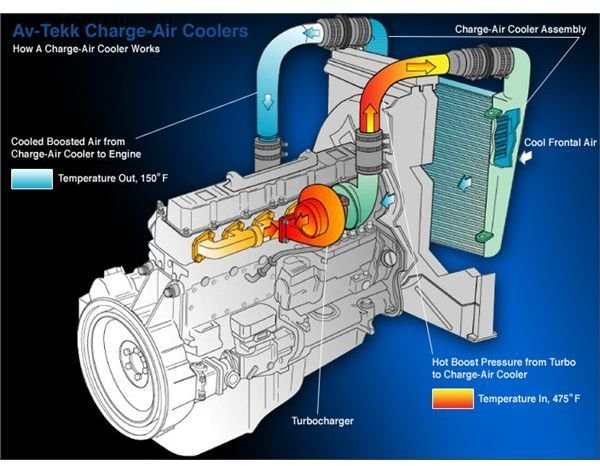
Between the turbo compressor and your engine sits the intercooler, another crucial component in the Hellion turbo charger system. As air gets compressed, it heats up significantly. Hot air is less dense than cool air, which means you’d be defeating some of the purpose of turbocharging. The intercooler cools this compressed air before it enters your engine, maximizing power while protecting against detonation that could damage your engine.
Popular Hellion Turbo Charger Kits and Applications
Hellion Twin Turbo Systems
The Hellion turbo charger twin turbo setup represents the pinnacle of their performance offerings. These systems use two smaller turbos instead of one large unit, providing several advantages. Twin turbos typically spool faster than a single large turbo, reducing lag and improving throttle response. They also allow for more compact packaging in tight engine bays where a single massive turbo wouldn’t fit.
Popular applications include the Chevrolet Camaro SS, Dodge Challenger Hellcat, and Ford Mustang GT. Each kit is specifically designed for its target vehicle, with custom manifolds, intercooler piping, and mounting solutions. Power gains typically range from 400 to 600 horsepower over stock, depending on supporting modifications and tuning. These aren’t just bolt-on-and-go solutions—they require fuel system upgrades, proper tuning, and often transmission modifications to handle the increased power.
Suggested read: Compleo Charging Station: Everything You Need to Know About Smart EV Charging Solutions
Single Turbo Systems
For those seeking a more budget-friendly entry into Hellion turbo charger performance, single turbo kits offer excellent value. These systems use one larger turbocharger and are typically easier to install than twin setups. While they may produce slightly more lag than twin configurations, modern turbo technology has made this difference minimal in real-world driving.
Single turbo Hellion turbo charger kits are particularly popular for truck applications like the Chevrolet Silverado and GMC Sierra. The torque characteristics of a single turbo complement truck engines beautifully, providing substantial low-end grunt while still delivering impressive top-end power. These systems typically add 300-450 horsepower depending on boost levels and supporting modifications.
Centrifugal Supercharger Options
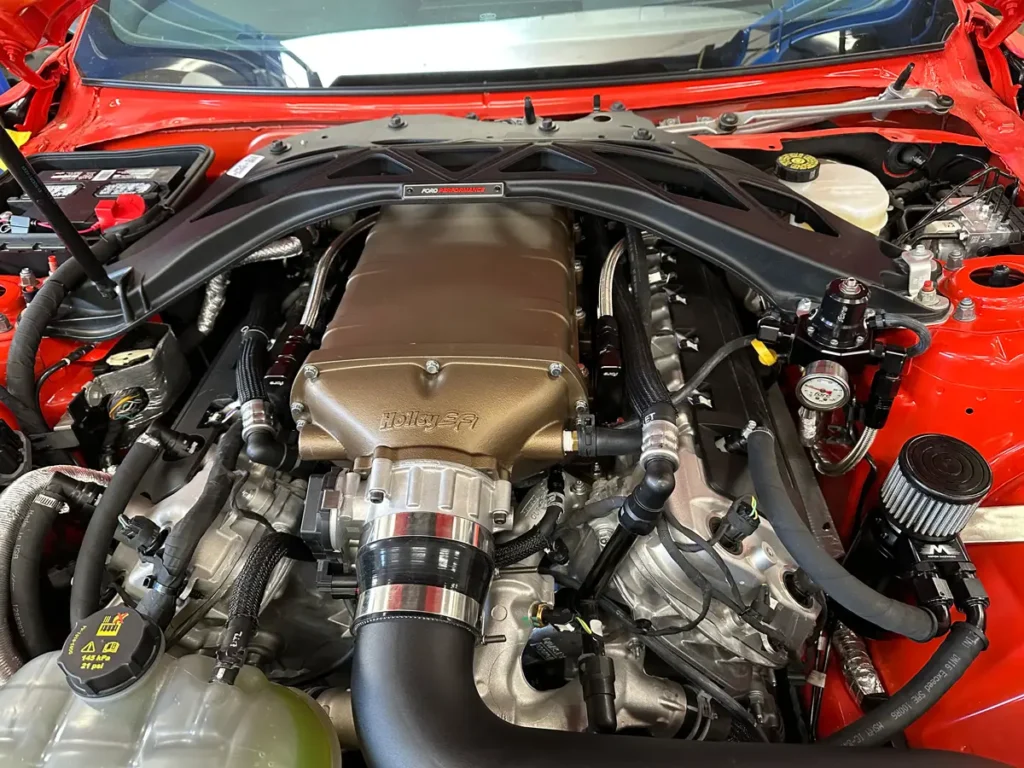
While primarily known for turbo systems, Hellion also offers centrifugal supercharger kits for certain applications. These systems provide more linear power delivery with virtually no lag, making them ideal for street-driven vehicles where instant throttle response matters. The trade-off is typically higher parasitic loss compared to turbochargers, since the supercharger is mechanically driven by the engine rather than using waste exhaust energy.
Performance Gains and Real-World Results
When you invest in a Hellion turbo charger, you’re not just buying hardware—you’re buying proven performance. Dyno results from customer vehicles consistently show impressive gains. A stock Camaro SS producing around 450 horsepower at the wheels can easily see 800-900 wheel horsepower with a Hellion twin turbo system and appropriate supporting modifications.
| Vehicle | Stock HP | With Hellion Turbo | Gain |
|---|---|---|---|
| Camaro SS (Gen 6) | 450 whp | 850-950 whp | +400-500 hp |
| Mustang GT (S550) | 420 whp | 800-900 whp | +380-480 hp |
| Challenger Hellcat | 650 whp | 1000-1200 whp | +350-550 hp |
| Silverado 6.2L | 380 whp | 650-750 whp | +270-370 hp |
These numbers represent real-world results from properly tuned vehicles with adequate fuel systems. It’s important to understand that a Hellion turbo charger system alone won’t achieve these figures—you’ll need upgraded fuel pumps, injectors, and professional tuning to safely support these power levels. Many customers also upgrade clutches, transmissions, and axles to handle the increased torque.
Installation Process and Considerations
Installing a Hellion turbo charger system requires mechanical aptitude and specialized tools. While Hellion designs their kits for straightforward installation compared to custom fabrication, you’re still looking at 20-40 hours of work depending on your experience level and the specific kit. The process involves removing factory exhaust components, installing new manifolds, mounting the turbocharger(s), routing oil feed and return lines, installing the intercooler and associated piping, and integrating everything with your fuel and engine management systems.
Most enthusiasts choose to have their Hellion turbo charger professionally installed by a shop familiar with forced induction systems. This ensures proper installation, correct oil line routing (critical for turbo longevity), and professional tuning to optimize performance while maintaining reliability. Installation costs typically range from $2,000 to $5,000 depending on complexity and regional labor rates.
One often-overlooked aspect of turbo installation is the need for supporting modifications. Your stock fuel system may not provide adequate flow for high boost applications. Your engine’s internal components may have limitations that restrict safe power levels. A reputable shop will evaluate your entire vehicle and recommend necessary upgrades before installation, potentially saving you from catastrophic engine failure down the road.
Maintenance and Longevity of Hellion Turbo Systems
A properly maintained Hellion turbo charger system can provide years of reliable performance. The key is understanding that forced induction places additional stress on your engine and requires more diligent maintenance than stock operation. Oil changes become even more critical—turbos require clean oil to survive, as the bearings spin at extremely high speeds and operate at high temperatures.
Most experts recommend oil changes every 3,000-5,000 miles for turbocharged vehicles, using high-quality synthetic oil. The oil feeds and lubricates the turbocharger’s bearings while also helping to cool the unit. Using cheap or incorrect oil can lead to premature turbo failure, an expensive mistake that’s easily avoided. Many Hellion turbo charger owners also install oil catch cans to prevent oil vapor from contaminating the intercooler and intake system.
Regular inspection of the turbo system is equally important. Check for exhaust leaks at the manifold connections, inspect intercooler piping for cracks or loose connections, and monitor boost levels for any irregularities. A well-maintained Hellion turbo system can last 100,000+ miles before requiring rebuild or replacement. According to Hellion’s official documentation, proper maintenance and quality installation are the primary factors determining system longevity.
Suggested read: Instant Power Battery Charger: Everything You Need to Know About Portable Jump Starters and Emergency Charging Solutions
Cost Analysis: Is a Hellion Turbo Charger Worth It?
The investment in a Hellion turbo charger system is substantial but provides better value than many alternatives. Complete twin turbo kits typically range from $8,000 to $15,000 depending on the vehicle and included components. Single turbo systems start around $6,000-$10,000. These prices include the turbocharger(s), manifolds, intercooler, piping, hardware, and necessary sensors and fittings.
However, the total cost of ownership extends beyond the kit itself. Professional installation adds $2,000-$5,000. Supporting modifications like fuel system upgrades, clutch replacements, and drivetrain reinforcements can add another $2,000-$5,000. Professional tuning is essential and costs $500-$1,500. When fully calculated, you’re looking at $13,000-$25,000 for a complete, properly installed and tuned system.
Is this worth it? That depends on your goals and budget. Alternative paths to similar power levels include engine swaps or extensive internal engine modifications, which often cost comparable amounts. The Hellion turbo charger approach offers the advantage of keeping your factory engine relatively intact while achieving dramatic power increases. You’re also buying a complete, tested system rather than piecing together components and hoping for the best.
Comparing Hellion to Other Turbo Manufacturers
The forced induction market offers numerous competitors to Hellion turbo charger systems. Companies like ProCharger, Vortech, and Garrett also produce high-quality components. ProCharger specializes in centrifugal superchargers and offers excellent street manners with linear power delivery. Vortech similarly focuses on superchargers with a reputation for reliability and customer support.
For pure turbo applications, companies like Precision Turbo and Garrett produce excellent individual turbos, but they don’t offer complete vehicle-specific kits like Hellion. This means more custom fabrication, longer installation times, and greater potential for compatibility issues. The Hellion turbo charger advantage lies in their complete system approach—everything is designed to work together from the start.
Quality and reliability are where Hellion truly shines. While you can certainly build a cheaper turbo system using Chinese components, the risk of failure increases substantially. Hellion uses high-quality turbos from reputable manufacturers, properly sized for each application. Their manifolds are precision-cast or fabricated to exacting standards. When you’re pushing your engine to double its factory power output, quality components aren’t optional—they’re essential for reliability and safety.
Tuning Your Hellion Turbo Charger for Maximum Performance
Proper tuning is absolutely critical for any Hellion turbo charger installation. The tune controls fuel delivery, ignition timing, boost levels, and countless other parameters that determine both performance and reliability. A poor tune can result in detonation that destroys your engine in minutes. A conservative tune leaves power on the table. A proper tune maximizes performance while maintaining safe margins.
Most Hellion turbo charger customers work with professional tuners who use standalone engine management systems or modified factory computers. Popular platforms include HP Tuners for GM vehicles, SCT for Ford applications, and various standalone options like Haltech or AEM for more extensive modifications. The tuning process involves dyno testing, data logging, and incremental adjustments to optimize performance.
Street tuning versus race tuning represents an important distinction. Street tunes prioritize reliability, drivability, and pump gas compatibility. They typically run lower boost pressures and more conservative timing to ensure long-term reliability. Race tunes extract maximum power using race fuel, higher boost, and aggressive timing. Many customers maintain two different tunes—one for daily driving and another for track use—switching between them as needed.
Essential Upgrades to Pair with Your Hellion Turbo Charger
Fuel System Upgrades
Your stock fuel system wasn’t designed to support the power output you’ll achieve with a Hellion turbo charger. At minimum, you’ll need upgraded fuel injectors sized appropriately for your target power level. High-flow fuel pumps ensure adequate fuel supply even at high boost. Many installations also benefit from upgraded fuel lines and regulators to maintain consistent pressure.
Cooling System Enhancements
Forced induction generates significant additional heat. Upgrading your radiator, adding an oil cooler, and ensuring adequate airflow become more important with a Hellion turbo charger installed. Many customers also upgrade to higher-capacity cooling fans and install transmission coolers to handle the increased thermal load from spirited driving.
Suggested read: 48 Volt Charger: Everything You Need to Know About Selecting and Using High-Performance Battery Charging Solutions
Drivetrain Reinforcement
Doubling your engine’s power output places tremendous stress on drivetrain components. Clutches designed for stock power will slip under boost. Stock axles may fail under hard launches. Your transmission may need upgrades to handle the increased torque. While these upgrades add cost, they’re essential for reliability and prevent expensive breakdowns. Speaking of electrical upgrades, a proper braille battery charger mount ensures your upgraded electrical system stays secure during high-performance driving.
Common Problems and Troubleshooting
Even with quality components like those in a Hellion turbo charger system, issues can arise. Understanding common problems helps you diagnose and address them quickly. Boost leaks represent the most common issue—a small leak in the intercooler piping can cause significant power loss. Regular inspection of all connections and using quality silicone couplers minimizes this problem.
Oil leaks from turbo seals typically indicate problems with the oil return line. If oil can’t drain properly from the turbo back to the oil pan, it builds pressure and forces oil past the seals. Ensuring the return line has adequate diameter and proper downward slope prevents this issue. Some Hellion turbo charger owners also install turbine oil restrictors to prevent excessive oil pressure from overwhelming the turbo’s seals.
Excessive heat can damage components and reduce performance. If your intake air temperatures remain consistently high, your intercooler may be undersized or experiencing inadequate airflow. Water-methanol injection systems can help control temperatures on vehicles pushing extreme power levels. Monitoring critical parameters like boost pressure, air/fuel ratio, and intake temperatures through a quality gauge setup allows you to catch problems before they cause damage.
Legal Considerations and Emissions Compliance
Installing a Hellion turbo charger system has legal implications that vary by location. In California and states that follow California emissions standards, modifying your emissions equipment is illegal for street-driven vehicles. While Hellion systems can include catalytic converters, they typically aren’t CARB-certified, making them technically illegal for street use in these jurisdictions.
Other states have more relaxed regulations, though federal law still prohibits tampering with emissions equipment on vehicles used on public roads. Many enthusiasts operate in a gray area, installing turbo systems on vehicles that are periodically inspected but understanding the potential legal risks. Some choose to maintain stock parts for emissions testing, swapping components as needed.
For dedicated race vehicles that never see street use, these regulations don’t apply. If you’re building a trailer-only drag car or track car, a Hellion turbo charger system faces no legal restrictions. Many serious racers take this approach, maintaining a separate vehicle for competition use while keeping their daily driver stock or lightly modified.
Real Customer Experiences and Reviews
Customer feedback on Hellion turbo charger systems is overwhelmingly positive, with most owners praising the quality, performance, and support. Online forums dedicated to specific vehicle platforms contain extensive documentation of Hellion installations, dyno results, and long-term reliability reports. The general consensus suggests these systems deliver on their promises when properly installed and tuned.
One Camaro SS owner reported: “I was nervous about spending this much on a turbo kit, but the Hellion system exceeded my expectations. The quality of the components is obvious, and the customer support helped me through some installation questions. After proper tuning, I’m making 875 wheel horsepower on pump gas, and the car has been completely reliable for over 20,000 miles.”
Not all experiences are perfect, though. Some customers report installation challenges, particularly with tight engine bay packaging. Others note that the total cost exceeded initial estimates once all supporting modifications were included. These experiences highlight the importance of proper research, realistic budgeting, and working with experienced installers who understand forced induction systems thoroughly.
The Future of Hellion Turbo Technology
The automotive performance industry continues evolving, and Hellion turbo charger technology advances along with it. Modern turbochargers feature advanced bearing systems, including ball bearings and journal bearings that reduce friction and improve response. Variable geometry turbos, though still relatively rare in aftermarket applications, promise to eliminate the traditional trade-off between low-end response and high-end power.
Suggested read: DC DC Charging: Everything You Need to Know About Fast Electric Vehicle Power Solutions
Electronic boost control systems have become increasingly sophisticated, allowing precise boost management throughout the RPM range. Integration with modern engine management systems enables features like anti-lag systems, launch control, and boost-by-gear programming. These technologies make Hellion turbo charger systems more user-friendly and effective than ever before.
The shift toward electric vehicles poses interesting questions for the forced induction industry. While pure electric vehicles don’t need turbochargers, hybrid performance vehicles may benefit from forced induction on their combustion engines. Hellion’s future likely includes continued refinement of existing platforms while potentially expanding into emerging performance segments as the automotive landscape evolves.
Ready to Transform Your Ride with a Hellion Turbo Charger?
Making the decision to install a Hellion turbo charger represents a significant commitment—both financially and in terms of ongoing maintenance. However, for enthusiasts seeking dramatic performance improvements with engineered reliability, few options compare. The combination of vehicle-specific design, quality components, and proven results makes Hellion a top choice in the forced induction market.
Before purchasing, thoroughly research your specific application. Join online communities dedicated to your vehicle platform and learn from others who’ve already completed similar builds. Budget realistically, including supporting modifications and professional installation. Most importantly, work with reputable shops that specialize in forced induction and can provide proper tuning and ongoing support.
Take the next step: Visit authorized Hellion dealers to discuss your specific vehicle and performance goals. Get quotes for complete installations including all necessary supporting modifications. Consider starting with a more conservative setup that can be upgraded later as your budget allows. The path to serious power starts with informed decisions and quality components like those found in every Hellion turbo charger system.
Frequently Asked Questions About Hellion Turbo Charger Systems
How much horsepower can a Hellion turbo charger add to my vehicle?
Power gains from a Hellion turbo charger system typically range from 300-600 horsepower depending on your base vehicle, the specific kit, boost levels, and supporting modifications. Vehicles with strong factory engines like the Hellcat can see gains exceeding 500 horsepower with twin turbo systems. Proper tuning and adequate fuel delivery are essential to safely achieve these numbers.
Will a Hellion turbo charger void my vehicle warranty?
Yes, installing a Hellion turbo charger will almost certainly void your factory powertrain warranty. Manufacturers consider forced induction a significant modification that stresses components beyond their designed parameters. Some extended warranty companies offer coverage for modified vehicles, but read the fine print carefully. Most serious enthusiasts accept warranty loss as part of the performance modification process.
Can I install a Hellion turbo charger myself?
While mechanically inclined enthusiasts with proper tools can install a Hellion turbo charger, professional installation is strongly recommended. The process involves exhaust work, oil system modifications, complex piping, and critical adjustments that affect both performance and reliability. Even if you complete the mechanical installation yourself, professional tuning is absolutely essential to prevent engine damage.
Suggested read: Charger Jacket: Everything You Need to Know About Heated Wearables in 2025
What maintenance does a Hellion turbo charger require?
Regular maintenance for a Hellion turbo charger includes frequent oil changes using high-quality synthetic oil, inspection of all connections and hoses, monitoring boost levels for irregularities, and allowing proper warm-up before aggressive driving. Most turbocharged vehicles also benefit from allowing the turbo to cool briefly before shutdown. Proper maintenance can extend turbo life beyond 100,000 miles.
Is a Hellion turbo charger reliable for daily driving?
A properly installed and tuned Hellion turbo charger system can be reliable for daily driving. The key is conservative tuning that prioritizes longevity over maximum power, using quality components throughout the system, and maintaining the vehicle diligently. Many owners daily drive turbocharged vehicles for years without issues. However, aggressive driving and poor maintenance can quickly lead to problems.
What fuel do I need to run with a Hellion turbo charger?
Fuel requirements for a Hellion turbo charger depend on your tune and boost levels. Conservative tunes can run on premium pump gas (91-93 octane), while aggressive setups may require race fuel with 100+ octane ratings. E85 ethanol fuel offers excellent knock resistance and cooling properties, making it popular for turbocharged applications. Your tuner will specify required fuel based on your configuration.